How To Clean Canvas Shoes Without Shrinking Them: 10 Fixes For Water, Drying And Fabric Care
Learn how to clean canvas shoes without shrinking them. These 10 practical fixes cover safe washing, stain removal, gentle drying and fabric care to keep your shoes clean, comfortable and in shape.
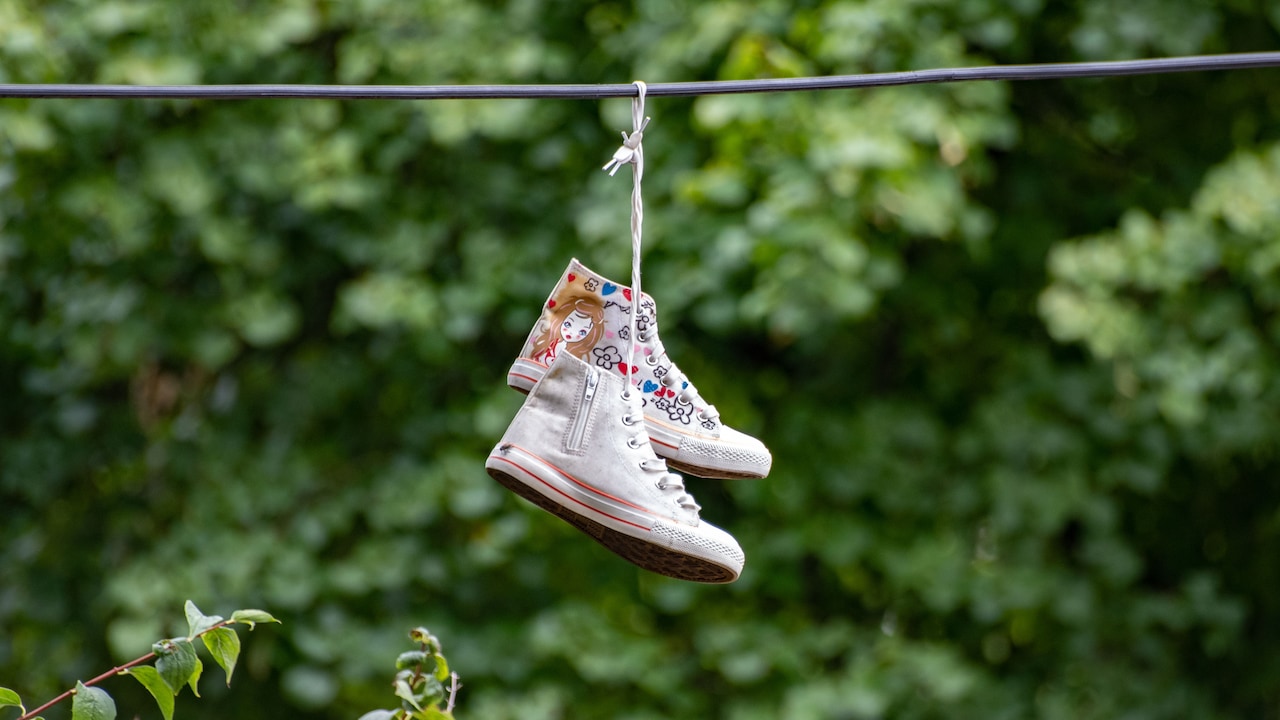
Easy tips to clean canvas shoes without damaging them
Canvas shoes have a wonderful habit of matching almost everything. Jeans, chinos, shorts, casual dresses and even that hurried weekend outfit somehow seem more put together with a clean pair of canvas trainers. The trouble begins when their bright fabric starts collecting dust, mud, food stains and mysterious grey patches that seem to appear overnight. Washing them sounds simple enough. Add water, scrub, rinse and dry. Yet canvas is woven fabric, and woven fibres react badly when exposed to excess heat, harsh detergents or careless drying. A perfectly comfortable pair can emerge from an enthusiastic wash feeling tighter around the toes. Worse, strong sunlight may fade coloured canvas while repeated soaking can weaken glue around the sole.
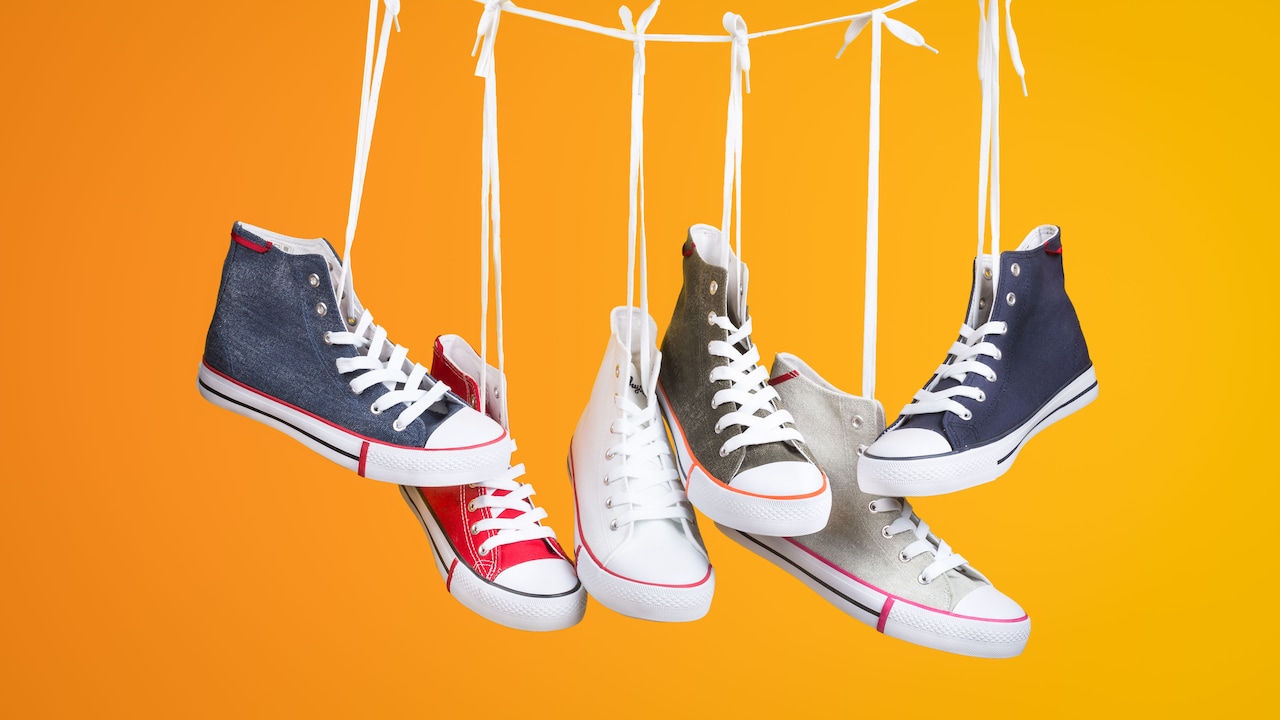
How to clean canvas shoes at home
Photo Credit: Pexels
Cleaning canvas shoes safely therefore calls for a gentler rhythm. Think damp rather than drenched, cool rather than hot and patient rather than rushed. A little attention before washing can also prevent most of the problems people blame on the shoes later.
Also Read: Say Goodbye To Dirty Footwear In Monsoon With These Top 5 Effective Shoe Cleaners
Here are ten reliable ways to deal with water, drying and everyday fabric care while helping canvas shoes keep their original fit.
10 Ways To Clean Canvas Shoes Without Shrinking Them
1. Remove Dry Dirt Before Water Touches The Fabric
One of the easiest mistakes is taking visibly dirty canvas shoes straight to the sink. Once water mixes with loose dust, that innocent-looking powder turns into muddy paste and works deeper into the weave. Cleaning then becomes harder, which usually leads to stronger scrubbing and more soaking than the shoes ever needed.
Start while the shoes remain completely dry. Remove the laces and tap the soles together outdoors or over a newspaper sheet. Use a soft shoe brush, old toothbrush or clean cloth to loosen dust from the upper fabric, tongue and edge of the sole. Pay particular attention to stitching because grit often settles there.
For dried mud, patience pays. Let the mud harden fully before brushing it away. Trying to remove half-wet mud simply spreads the stain.
This dry-cleaning stage may feel almost too simple, but it reduces how much water the canvas later absorbs. Less saturation means less stress on the fibres and a lower chance of shrinkage. It also keeps the cleaning water from becoming the colour of monsoon puddles within thirty seconds.
2. Use Cool Or Lukewarm Water Instead Of Hot Water
Hot water may seem more hygienic, especially when shoes look thoroughly grimy, but canvas does not appreciate a steaming bath. Heat can cause natural fibres to contract, and that contraction may leave the shoe feeling tighter after drying. Hot water can also soften adhesives used between the canvas upper and rubber sole.
Cool or slightly lukewarm water works perfectly well for normal dirt. Fill a bowl with enough water for cleaning rather than enough to submerge the entire shoe. The aim is to dampen the fabric and lift stains, not send the trainers swimming.
Dip a cloth or soft brush into the water, squeeze out the excess and work on small areas. This approach gives much better control over moisture.
Anyone cleaning shoes during colder months may feel tempted to use very warm water for comfort. Resist that small luxury. Your hands might enjoy it; the shoes probably will not.
Temperature control matters throughout the process. If the washing water starts cool, keep the rinse water similar. Sudden shifts from warm to cold can also place unnecessary stress on fibres and bonded sections.
3. Choose A Mild Cleaning Solution
Canvas rarely needs heavy-duty detergent. In fact, powerful cleaners can create more problems than they solve. Strong laundry powders may strip colour, leave chalky marks or stiffen fabric after drying. Bleach deserves even greater caution because it can weaken fibres and turn some white canvas strangely yellow.
A mild liquid detergent mixed with cool water usually does the job. Use only a small amount. Too much soap produces excessive foam, and removing that foam requires repeated rinsing. Repeated rinsing means more water, which increases the risk of distortion and shrinkage.
For light everyday dirt, even a few drops of gentle dishwashing liquid in a bowl of water can work. Test the mixture on a small, less noticeable section first, particularly with bright or printed shoes.
The goal is not to create bubbles worthy of a washing-powder advertisement. A lightly soapy solution is enough.
Work the cleaner into stained areas with soft circular movements. Give stubborn marks a little extra attention rather than immediately reaching for harsher chemicals. Canvas responds surprisingly well to patience, and gentle cleaning helps preserve both colour and flexibility.
4. Avoid Soaking The Entire Shoe
A long soak might sound like the easiest route when a pair looks particularly dirty. Unfortunately, soaking gives water plenty of time to penetrate canvas fibres, inner padding, stitching and adhesive layers.
Instead, clean the shoe section by section. Dip a soft brush or microfibre cloth into the cleaning solution and remove excess liquid before touching the canvas. The fabric should become damp enough for cleaning but should not drip.
Concentrate first on visibly stained sections. Once those improve, lightly clean the rest of the upper so the finish looks even. Around rubber edges, a toothbrush offers useful precision without flooding nearby fabric.
The same rule applies while rinsing. Rather than holding the whole shoe under a running tap, wipe away detergent with a clean damp cloth several times. This takes slightly longer but prevents unnecessary saturation.
Think of canvas shoes more like an upholstered chair than a bucket-friendly plastic slipper. Both can handle water, but neither benefits from being left submerged.
Controlled moisture also shortens drying time considerably, which becomes important because slow, improper drying can create its own set of problems.
5. Scrub Gently To Protect The Canvas Weave
When a dark stain refuses to disappear, aggressive scrubbing feels satisfying. Unfortunately, satisfaction does not always equal good fabric care. Rough brushes and heavy pressure can fray the surface of canvas, disturb the weave and create pale patches that remain visible even after the stain disappears.
Use a soft-bristled toothbrush, shoe brush or damp cloth. Work in small circular motions and let the cleaning solution loosen the dirt. For stubborn marks, apply the solution, leave it for a few minutes and return for another gentle round rather than attacking the spot continuously.
Pay attention to printed designs and coloured sections. Friction can lift pigment, especially on older shoes.
There is another advantage to light scrubbing: less pressure means less water gets forced deep into the fabric. That keeps the inner layers drier and reduces the drying time later.
A useful rule is simple. If the brush bends dramatically while scrubbing, too much force is probably being used.
Shoes pick up dirt gradually. They rarely need to lose it through combat. Several gentle passes usually protect the fabric far better than one heroic cleaning session.
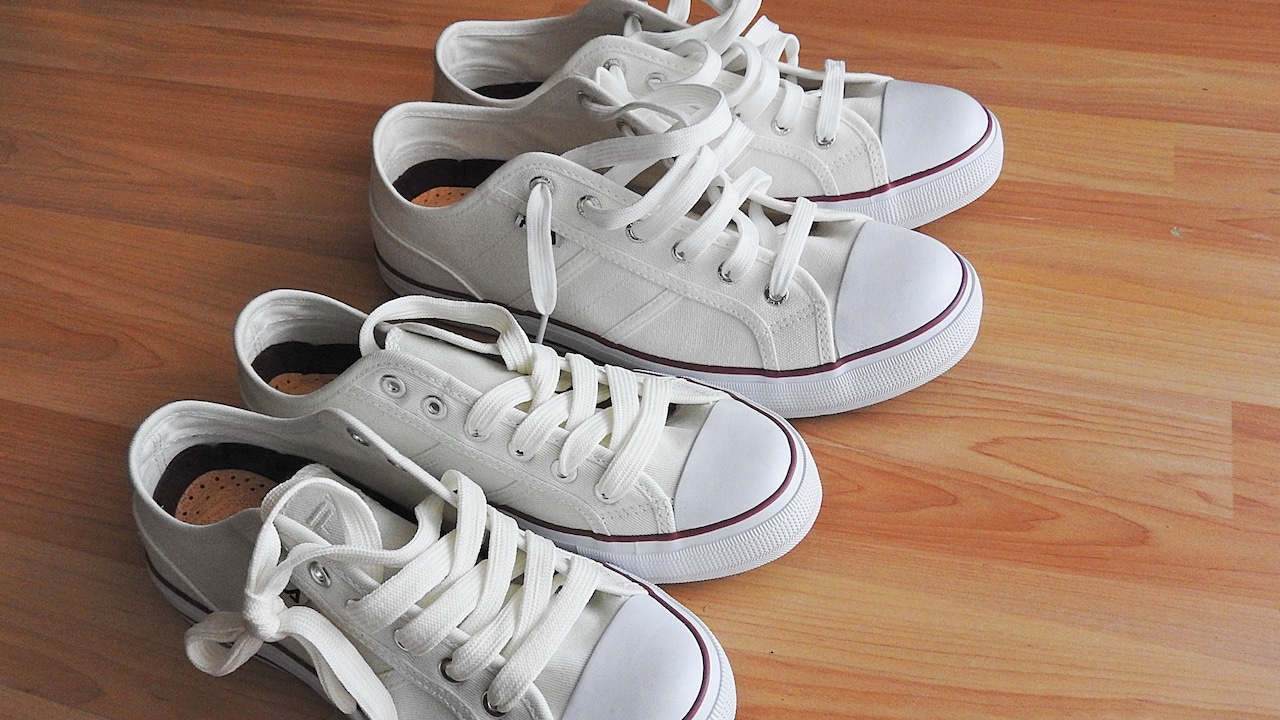
Use gentle scrubbing to clean without damaging the canvas weave
Photo Credit: Pexels
6. Wash Laces And Insoles Separately
Shoelaces often hold more dirt than the canvas itself, particularly around eyelets where hands repeatedly touch them. Washing everything together encourages people to immerse the entire shoe just to make the laces look fresh.
Remove the laces before cleaning. Place them in a small bowl of cool water with mild detergent and gently rub them between your fingers. Rinse thoroughly and leave them to air-dry flat.
Removable insoles should also come out before the main cleaning begins. Wipe them with a lightly damp cloth and mild soap rather than soaking them. Insoles can hold moisture for a surprisingly long time, and damp padding may develop unpleasant odours.
Removing these parts also helps the shoe dry more evenly. Air reaches the interior more easily, while the canvas upper avoids sitting against a wet insole.
There is a small bonus too: clean laces instantly make slightly worn shoes look fresher. A pair bought for ₹1,500 can suddenly recover some of that straight-from-the-box charm without any fancy treatment.
Only replace the laces and insoles once every component feels completely dry.
7. Press Out Moisture Instead Of Wringing The Shoes
After rinsing, the shoes will naturally hold some moisture. This is where instinct can cause trouble. Twisting, squeezing or wringing canvas may remove water quickly, but it can distort the structure of the shoe and strain glued sections.
Instead, use a clean absorbent towel. Press the towel gently against the canvas to draw out surface moisture. Repeat with a dry section of the towel until the fabric no longer feels heavily wet.
Do the same around the tongue and inner lining. Avoid crushing the heel or folding the upper while pressing.
This simple step shortens drying time without exposing the shoes to heat. It also helps the canvas maintain its original shape.
If the soles carry excess water, stand the shoes briefly on a dry towel and let it absorb the moisture. Do not leave them sitting in a puddle on a bathroom floor.
Wringing works wonderfully for old cleaning cloths. Canvas shoes deserve kinder treatment.
Once the excess water has gone, reshape the toe box and sides with your hands before moving to the drying stage. Getting the shape right while the fabric remains damp can prevent awkward creases later.
8. Stuff The Shoes While They Dry
Damp canvas becomes more flexible, which means shoes can lose their shape while drying if left collapsed or tilted. Stuffing them lightly gives the fabric support and helps preserve the space around the toes.
Use plain white paper, clean kitchen roll or an undyed absorbent cloth. Avoid newspapers because printing ink may transfer onto damp inner fabric. Push the stuffing gently towards the toe without packing it tightly. The aim is to support the shoe, not stretch it.
Replace damp paper after a few hours if necessary. Fresh stuffing continues drawing moisture from the inside and encourages more even drying.
This trick works especially well for lightweight canvas shoes that tend to flatten once wet. It also reduces the temptation to speed things up with a hairdryer.
Make sure the tongue sits naturally and the sides remain upright before leaving the shoes alone.
Anyone who has watched a favourite pair dry into a slightly curled shape knows how annoying careless drying can be. A few sheets of paper can save a surprising amount of frustration and help the shoes feel familiar when they return to your feet.
9. Air-Dry In The Shade And Avoid Direct Heat
Drying causes many cases of apparent shrinkage. The cleaning may have gone perfectly, but leaving wet canvas under harsh afternoon sun can tighten fibres, fade colour and weaken adhesive.
Choose a shaded, well-ventilated place instead. A balcony corner away from direct sunlight, a room near an open window or a spot beneath a fan works well. Keep the shoes upright and allow air to circulate around them.
Avoid hairdryers, room heaters, tumble dryers and any other shortcut involving strong heat. Even placing shoes directly beside a hot appliance can create uneven drying.
A fan can help because moving air removes moisture without dramatically raising temperature.
Drying may take several hours or longer during humid weather. That can test patience, particularly when the pair needs to appear at college or work the following morning. Still, rushing the process is rarely worth turning comfortable shoes into toe-pinching souvenirs.
Check the interior before wearing them again. Canvas outside may feel dry while padding inside remains damp. Wearing shoes too early can trap moisture, encourage odour and stretch damp sections unevenly.
10. Clean Small Stains Early To Reduce Full Washes
The safest way to prevent washing-related shrinkage is wonderfully simple: wash canvas shoes less often.
That does not mean allowing them to become permanently dusty. Instead, deal with small stains as soon as practical. A damp cloth can remove fresh splashes before they settle. A soft brush can clear everyday dust after a commute. Mud should dry first, then brush away before any remaining mark receives spot treatment.
Regular light cleaning prevents the sort of dirt build-up that eventually demands a full wash.
Protective habits also help. Avoid leaving canvas shoes damp inside closed cupboards. Let them air after use, particularly during humid weather. Store them away from strong sunlight and use shoe trees or loosely packed paper if they tend to lose shape.
White canvas may need more frequent attention because every mark announces itself dramatically, while darker colours hide minor dust for longer. Either way, routine spot care proves gentler than repeated soaking.
Canvas shoes are casual by nature. They can handle a little character. Keeping them fresh matters; chasing factory-new perfection after every outing usually creates more wear than the dirt itself.
Products Related To This Article
1. Lotto Women Strada Blend Red Sneakers
2. Roadster The Lifestyle Co. Women Round Toe Sneakers Casual Shoes
3. Pepe Jeans Men Colourblocked TPR Sneakers
4. Yoho Yoho Women Canvas 109 Lace-Up Canvas Sneakers
5. DOCTOR EXTRA SOFT Women Textured Lightweight Memory Foam Insole Canvas
6. U.S. Polo Assn. Monton 8.0 Men Sneakers
7. MOZAFIA Women Canvas Lace-up Casual Low Top Sneakers
Cleaning canvas shoes without shrinking them comes down to controlling three things: water, heat and force. Use cool water, mild soap and gentle scrubbing. Keep soaking to a minimum, remove excess moisture with a towel and let the shoes dry naturally in the shade.
Small habits make an even bigger difference. Brush away dry dirt before washing, clean laces separately, support damp shoes with paper and tackle stains before they become major cleaning projects.
Canvas may look tough, but it responds best to a light touch. Treat the fabric patiently and that comfortable fit is far more likely to survive wash after wash. The reward is simple: fresher shoes, fewer surprises and no awkward moment when a trusted pair suddenly feels as though it belongs to someone half a shoe size smaller.
(Disclaimer: This article may include references to or features of products and services made available through affiliate marketing campaigns. NDTV Convergence Limited (“NDTV”) strives to maintain editorial independence while participating in such campaigns. NDTV does not assume responsibility for the performance or claims of any featured products or services.)