10 Reasons Rugs Curl At The Corners And How To Help Them Lie Flat Again
Curling rug corners look untidy and can become a trip hazard. Discover 10 common causes, from humidity to worn backing, plus simple ways to help your rug lie flat again.
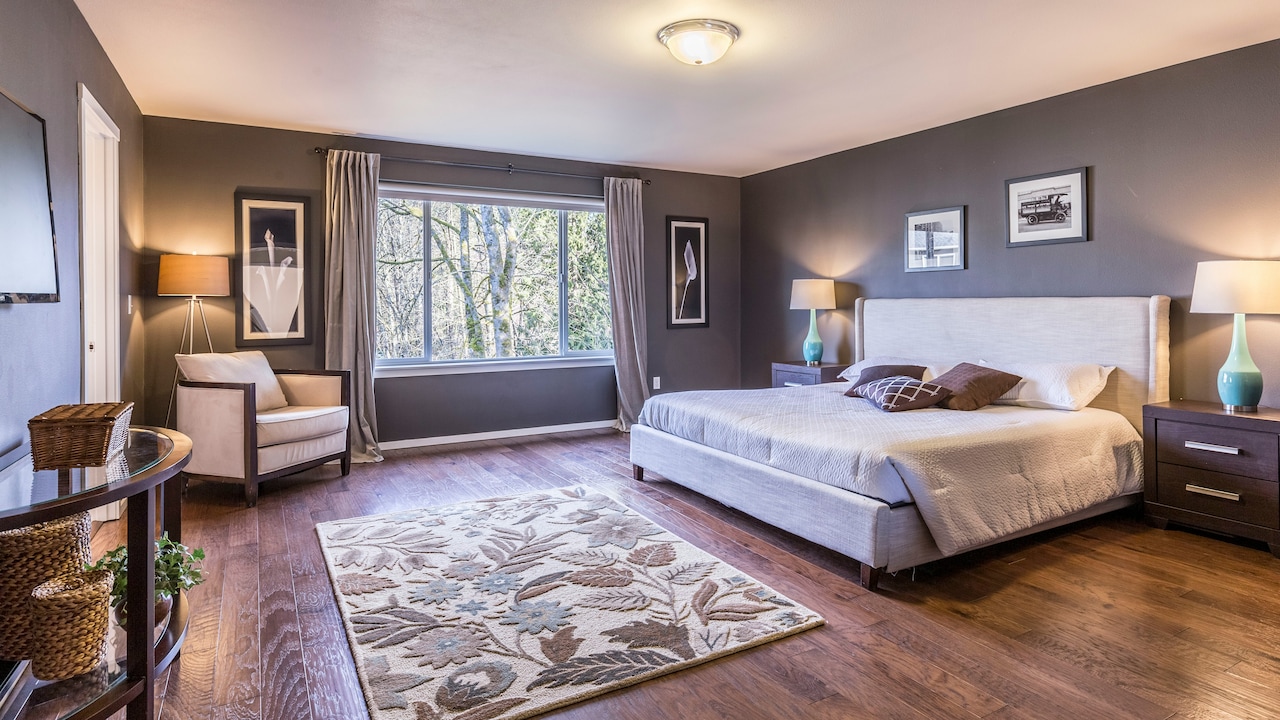
10 Reasons Rug Corners Curl And How To Make Them Lie Flat Again
A rug rarely announces that something is wrong. It simply starts misbehaving. One corner lifts a little. Then another develops a stubborn wave. Before long, someone catches a slipper on the edge while carrying evening chai, and the rug suddenly becomes the most noticeable thing in the room. Curling corners are especially common with rugs placed in busy living rooms, bedrooms, corridors, and dining spaces. Temperature changes, moisture, furniture movement, and cleaning habits can all affect the way a rug rests on the floor. Some materials are naturally more sensitive than others, while lightweight rugs often move more easily than dense ones. The good news is that a curled corner does not automatically mean the rug has reached the end of its life. Many rugs simply need time, gentle reshaping or better support underneath. Here are ten common reasons rug corners curl, along with practical ways to encourage them to lie flat again.
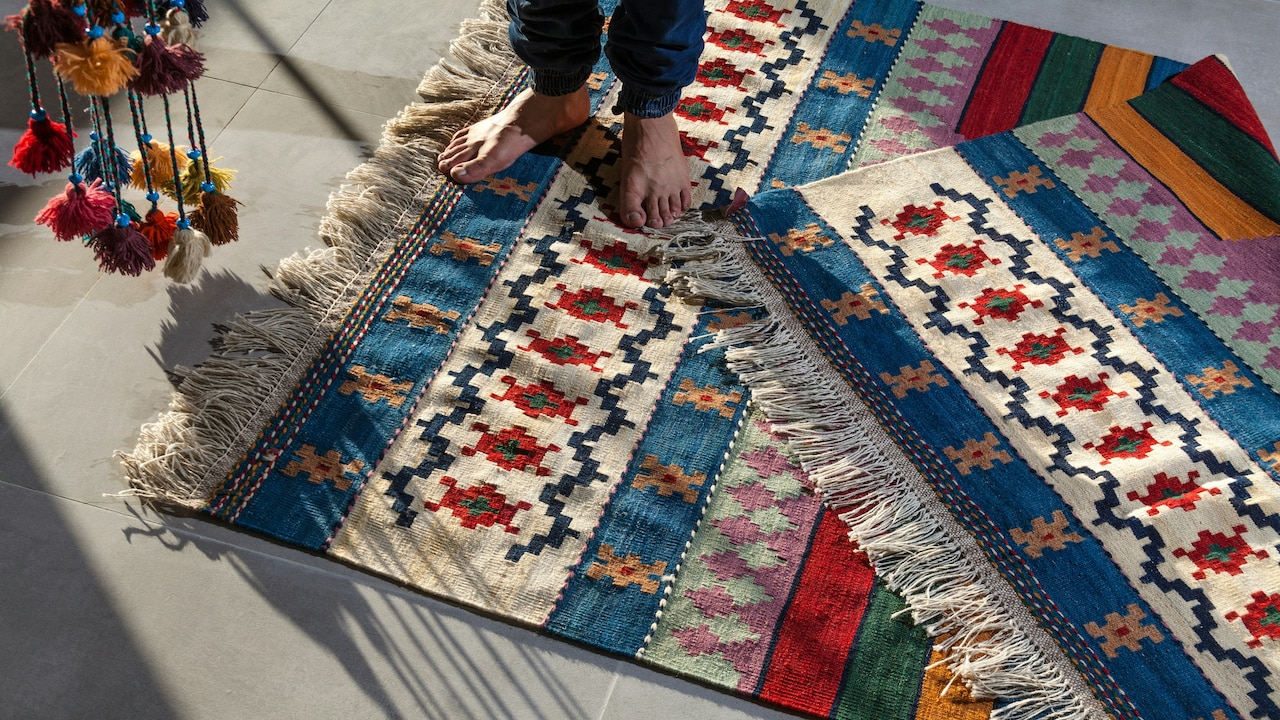
10 Reasons Rug Corners Curl And How To Make Them Lie Flat Again; Photo Credit: Pexels
Why Rug Corners Curl And What You Can Do About It
1. The Rug Was Rolled Too Tightly
Many rugs spend days, weeks or even months rolled tightly before reaching a home. Once unrolled, the fibres and backing may retain that curved shape, particularly around the edges. The corners then behave almost like pages in a tightly rolled chart, constantly trying to return to their previous position.
New rugs often show this problem immediately after unpacking. It can look disappointing, especially when the rest of the room has already been arranged around the new purchase. Fortunately, this type of curling is usually temporary.
Start by laying the rug completely flat and giving it a few days to relax. Avoid repeatedly folding or bending the stubborn corners in different directions, as aggressive handling can weaken the backing.
For particularly determined corners, gently roll the edge in the opposite direction for a short period, then release it. Placing a flat, moderately heavy object over the corner can also help. A stack of large books works well, provided nothing sharp presses into the fibres.
Patience matters here. Some rugs simply need several days to forget their former rolled-up life.
Also Read: Budget Home Makeover: 15 Stunning Carpets Starting from ₹999 for Instant Style
2. Humidity Is Affecting The Rug Fibres
Monsoon weather can make homes feel cosy, but rugs may have a rather different opinion. Natural fibres such as cotton, wool and jute can absorb moisture from humid air. As those fibres expand unevenly, the rug may develop ripples or raised corners.
The problem can become more noticeable in rooms with limited ventilation. A rug near a balcony door, bathroom entrance or frequently opened window may experience regular changes in moisture levels. One section stays relatively dry while another absorbs humidity, creating uneven tension across the rug.
Good airflow can make a significant difference. Keep the room ventilated when weather conditions allow, and avoid leaving damp objects, wet footwear or freshly washed floor cloths resting against the rug.
A ceiling fan or dehumidifier can also help during particularly humid periods. If the rug feels damp, allow it to dry naturally before trying to flatten the edges.
Never attack a moisture-related curl with intense heat. Hairdryers and hot irons can damage fibres or backing. Gentle drying works more slowly, but the rug will thank you for the kinder treatment.
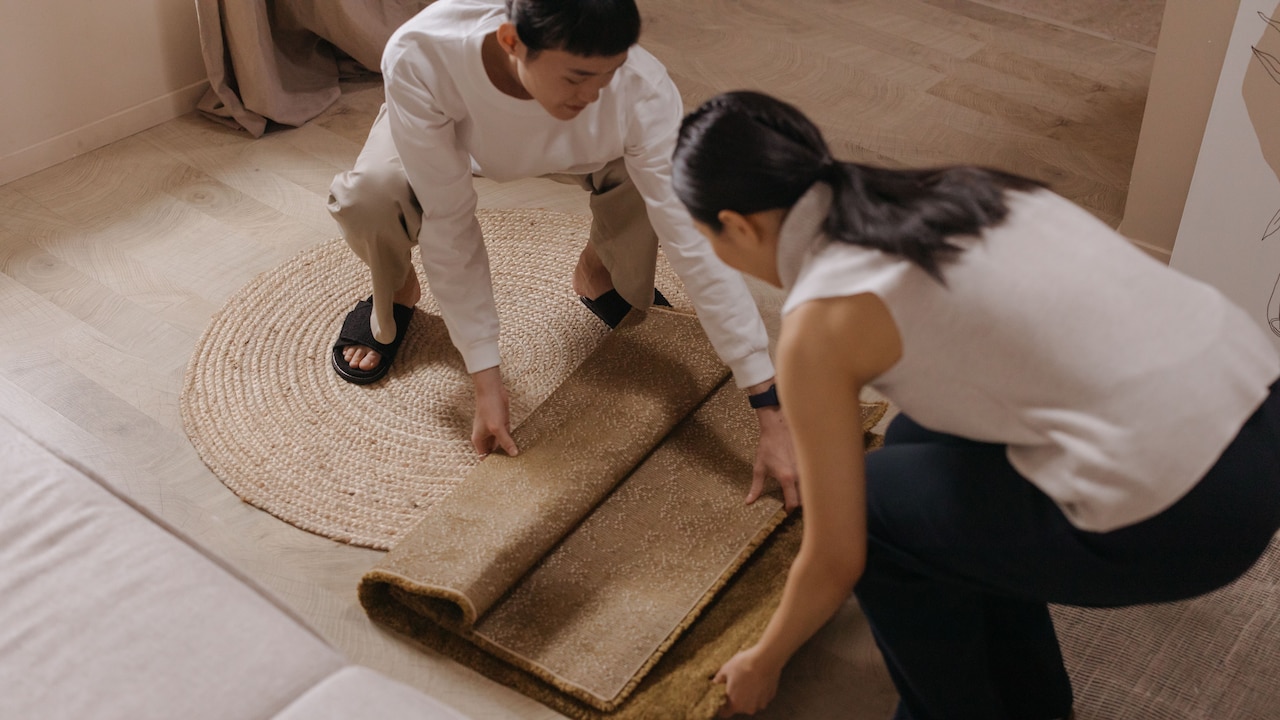
10 Reasons Rug Corners Curl And How To Make Them Lie Flat Again; Photo Credit: Pexels
3. Furniture Is Putting Uneven Pressure On It
Furniture can either help a rug behave beautifully or quietly cause its corners to curl. When a sofa, dining table or bed sits partly on a rug, the covered area remains firmly anchored while the exposed edges continue moving with foot traffic.
Over time, this uneven pressure can distort the rug's shape. One section stays stretched beneath heavy furniture while another shifts slightly every time someone walks across it. Eventually, corners may twist upwards or develop small waves.
Check how furniture sits across the rug. Ideally, weight should feel reasonably balanced rather than concentrated awkwardly along one edge.
Moving furniture slightly can sometimes release the tension. After repositioning it, smooth the rug outward from the centre using your hands. Allow the fibres and backing time to settle before judging the result.
Furniture cups or suitable pads beneath particularly heavy legs may also reduce concentrated pressure.
There is no need to redesign the entire room because one corner has developed ambitions of its own. Small adjustments often work. The aim is simply to prevent one section of the rug from carrying far more strain than another.
4. The Rug Keeps Sliding Across The Floor
A rug that slides a few centimetres every day may eventually develop curled edges. Each movement creates friction between the rug and the floor, and lightweight corners often take the most punishment.
This commonly happens on smooth surfaces such as marble, vitrified tiles, polished stone or laminate. Children running through the room, pets racing towards the door or even an enthusiastic robotic vacuum cleaner can gradually shift the rug out of position.
A suitable rug pad is one of the simplest solutions. It creates grip beneath the rug while providing additional cushioning. Choose a pad designed for the flooring underneath, because certain rubber-backed products may react poorly with some polished surfaces.
Rug grippers made specifically for corners can also help, especially when most of the rug stays flat and only the edges move.
Before placing any gripping product underneath, clean both the floor and the rug backing. Dust reduces traction considerably.
Once secured, smooth the rug from the centre towards each corner. Removing daily movement often gives curled sections the stability they need to flatten naturally over time.
5. The Rug Has Been Cleaned Incorrectly
A thorough wash can make a rug look refreshed, but too much water or uneven drying may leave its edges looking worse than before. When different sections dry at different speeds, fibres can shrink or tighten unevenly, causing corners to curl.
This problem is especially common when rugs are soaked heavily and then hung over a railing or clothesline. The weight of the wet rug pulls downward while the folded section dries under pressure. Once completely dry, the rug may retain that distorted shape.
Whenever the care label permits washing, follow its instructions carefully. Use only the recommended amount of water and avoid harsh scrubbing around the edges.
Dry the rug as evenly as possible. Laying it flat in a well-ventilated, shaded space can reduce distortion, although the correct method depends on the material.
If curling appears after professional cleaning, contact the cleaner before attempting aggressive home remedies. Delicate woven, wool or handcrafted rugs may need specialist reshaping.
Cleaning should refresh a rug, not send its corners into rebellion. Gentle handling during both washing and drying helps preserve its original shape.
6. Heat And Direct Sunlight Have Distorted The Backing
A sunny patch on the floor may appear harmless, yet prolonged heat can affect certain rug materials. Synthetic backing, adhesives and fibres may respond to repeated temperature changes by contracting, becoming brittle or changing shape.
Imagine a rug beside large windows receiving strong afternoon sunlight every day. The exposed edge warms considerably while the section beneath furniture stays cooler. Over months, that temperature difference can encourage uneven tension and curling.
Try rotating the rug periodically if the room receives strong sunlight from one direction. This spreads exposure more evenly and can also help prevent noticeable colour fading.
Curtains, blinds or sheer panels can soften intense sunlight during the hottest part of the day without making the room gloomy.
Avoid placing a curled rug directly against heaters or using high temperatures to flatten it quickly. Heat may soften some materials temporarily but can also damage adhesive layers or leave permanent marks.
If the backing already feels brittle, cracked or unusually stiff, forcing the rug flat may make matters worse. At that stage, professional repair or replacement could be more sensible than repeated home treatments.
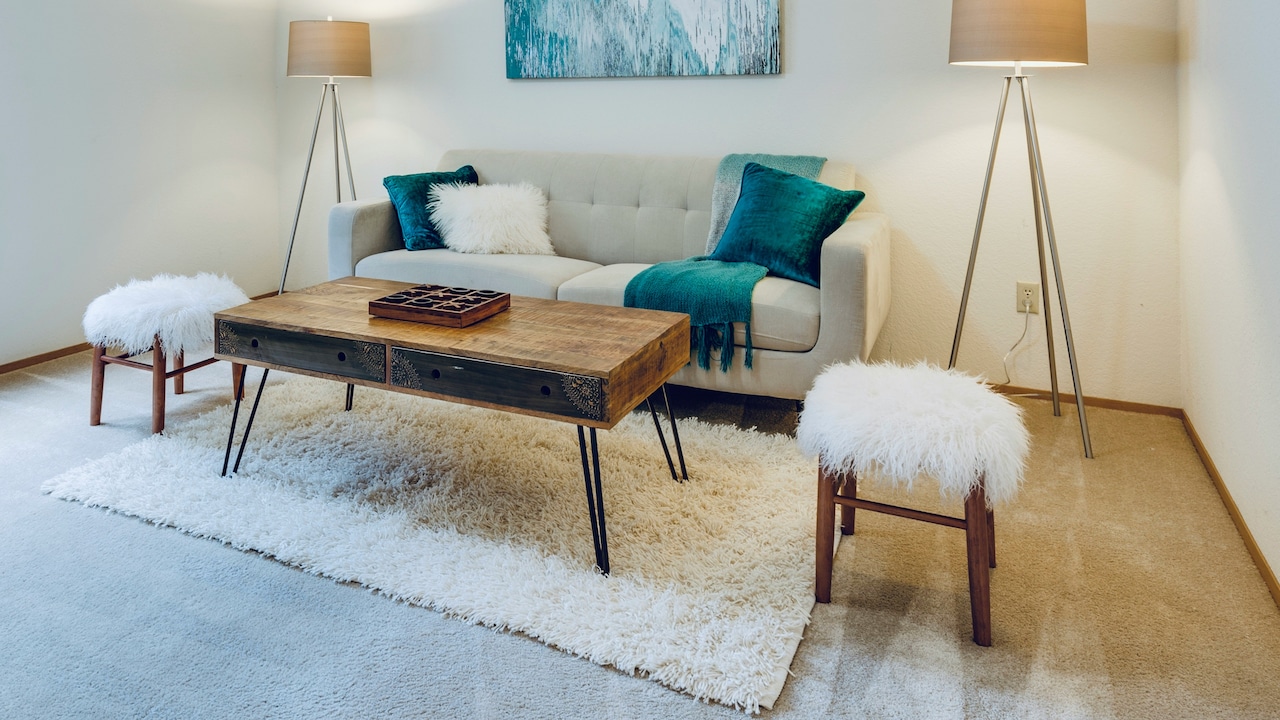
10 Reasons Rug Corners Curl And How To Make Them Lie Flat Again; Photo Credit: Pexels
7. The Rug Is Too Lightweight For A Busy Area
Some rugs are simply too light for the amount of activity happening around them. A thin cotton runner in a busy hallway, for example, may shift every time someone walks over it. Those repeated movements eventually encourage the corners to fold or curl.
The problem becomes more noticeable near doors, kitchen entrances and seating areas where feet constantly change direction. Even sweeping or vacuuming can move a lightweight rug if the suction is strong.
Adding a good-quality rug pad underneath provides both grip and structure. The extra support helps the rug remain in place rather than bunching whenever someone passes.
Double-sided rug tape designed for the relevant floor surface may provide additional stability, although it should be tested carefully before widespread use. Strong adhesives can leave residue or damage sensitive finishes.
Placement also matters. If a door repeatedly catches the same corner, moving the rug a few centimetres may solve the problem more effectively than trying to flatten it endlessly.
Sometimes the rug is not badly made at all. It has simply been given a job better suited to something heavier.
8. Vacuuming Is Pulling At The Edges
Vacuum cleaners make housekeeping easier, but powerful suction can be surprisingly rough on rug corners. When the vacuum head repeatedly catches an edge, it pulls the backing upwards and bends the fibres in the same direction.
The damage usually develops gradually. At first, the corner springs back. Eventually, however, it begins staying slightly raised even after cleaning.
Change the way the rug is vacuumed. Instead of running the machine directly from the floor onto the rug edge, begin slightly inside the rug and move towards the centre. If the vacuum has adjustable suction, choose a gentler setting for lightweight rugs.
Take extra care with fringes, loose weaving and decorative borders. These areas can become trapped in rotating brushes.
For smaller rugs, holding the edge flat with one foot while vacuuming nearby can stop it lifting, provided the machine remains safely away from footwear.
Regular cleaning remains important, of course. Dust has no invitation to stay simply because the rug feels delicate. The trick is using enough suction to collect dirt without turning each cleaning session into a tug-of-war with the corners.
9. The Rug Backing Is Wearing Out
Sometimes curling signals more than a temporary wrinkle. Rugs age, and their backing can gradually lose flexibility. Materials may harden, crack or separate after years of foot traffic, cleaning and exposure to changing temperatures.
An older rug may therefore remain curled even after being weighted or repositioned. Examine the underside carefully. Look for brittle patches, flaking material, loose threads or sections where the backing appears detached.
Minor problems may be repairable. A rug specialist can sometimes reinforce damaged sections, rebind edges or replace deteriorated backing without affecting the visible surface.
Avoid pouring household glue onto the underside as a quick fix. Many adhesives dry rigid, stain fibres or create lumps that become visible from above.
Whether repair makes financial sense depends on the rug. Spending ₹1,500 on professional edge repair may be worthwhile for a well-loved piece that has served the family for years, while the same expense might not suit an inexpensive everyday runner.
Sentimental value matters too. Some rugs carry memories that cannot be measured by the price tag. In those cases, careful professional repair can extend their story.
10. The Corners Have Developed A Permanent Memory
Rug fibres and backing can gradually develop what might be described as shape memory. If a corner has remained folded upwards for months, repeated pressure and movement can train it into that position.
This often happens when a rug sits partly beneath furniture or gets pushed against a wall. Nobody notices the bent corner at first because it remains hidden. Months later, the furniture moves and the corner stubbornly points upwards.
Gentle reverse rolling can help. Roll the affected section loosely in the opposite direction and leave it briefly before laying it flat again. Follow this by weighting the corner with a smooth, flat object.
A suitable rug pad or corner gripper can then help maintain the corrected position.
Do not expect instant perfection from deeply established curls. Several rounds of gentle reshaping may work better than one aggressive attempt.
If the rug contains delicate fibres, handcrafted weaving or valuable detailing, professional attention remains the safest option.
A stubborn corner may have had months to practise its curl. Giving it a little time to learn a new position is only fair.
Products Related To This Article
1. Carpets for Living Room Shaggy Rug Handmade Microfiber Cozy Super Soft
2. ishro home Premium Carpet for Hall
3. imra carpet Soft Modern Shag Area Rugs Fluffy Living Room Rectangular Carpet
4. ishro home 3 x 5 Feet 3D Jet Multi Printed Carpet Rug Runner and Carpets
5. BSB HOME Designer Superfine Chenille Carpet
6. Handwoven Fine Cotton Carpet 4x6 Ft Plain
7. Carpet for Living Room Silk Fiber Soft 3X5 FEET Handwoven Plain Shaggy Carpet Rectangular Rug Soft
Curled rug corners may seem like a small household annoyance, but they can affect both the appearance and safety of a room. A raised edge collects dust, interrupts the clean lines of a beautifully arranged space and can become an unexpected trip hazard.
The solution begins with identifying the cause. A newly rolled rug may simply need time. Humidity calls for better ventilation. Sliding rugs usually need additional grip, while damaged backing may require professional repair. Cleaning methods, sunlight, furniture placement and vacuuming habits can also make a surprising difference.
Above all, avoid forcing the rug flat with excessive heat, harsh adhesives or aggressive bending. Rugs respond better to gradual correction than dramatic experiments.
A good rug often becomes part of everyday life without receiving much attention. It handles footsteps, furniture, dropped crumbs, festive gatherings and the occasional cup of chai that comes dangerously close to disaster.
Giving those curling corners a little care can restore the neat, comfortable finish that made the rug worth bringing home in the first place.
(Disclaimer: This article may include references to or features of products and services made available through affiliate marketing campaigns. NDTV Convergence Limited (“NDTV”) strives to maintain editorial independence while participating in such campaigns. NDTV does not assume responsibility for the performance or claims of any featured products or services.)