That Annoying Peeling Skin Around Your Nails? Here Is What Your Hands May Be Trying To Tell You
Wondering why the skin around your nails keeps peeling? Learn the common causes, effective care tips, prevention methods and when to seek medical advice.
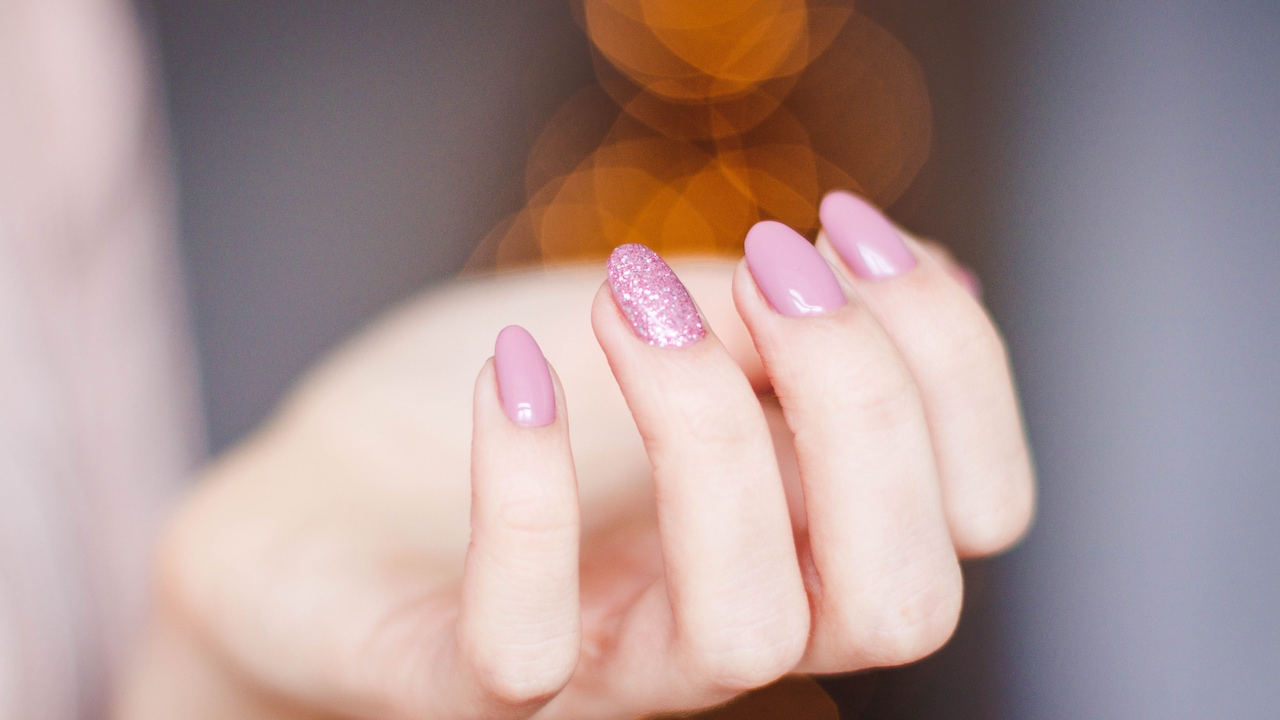
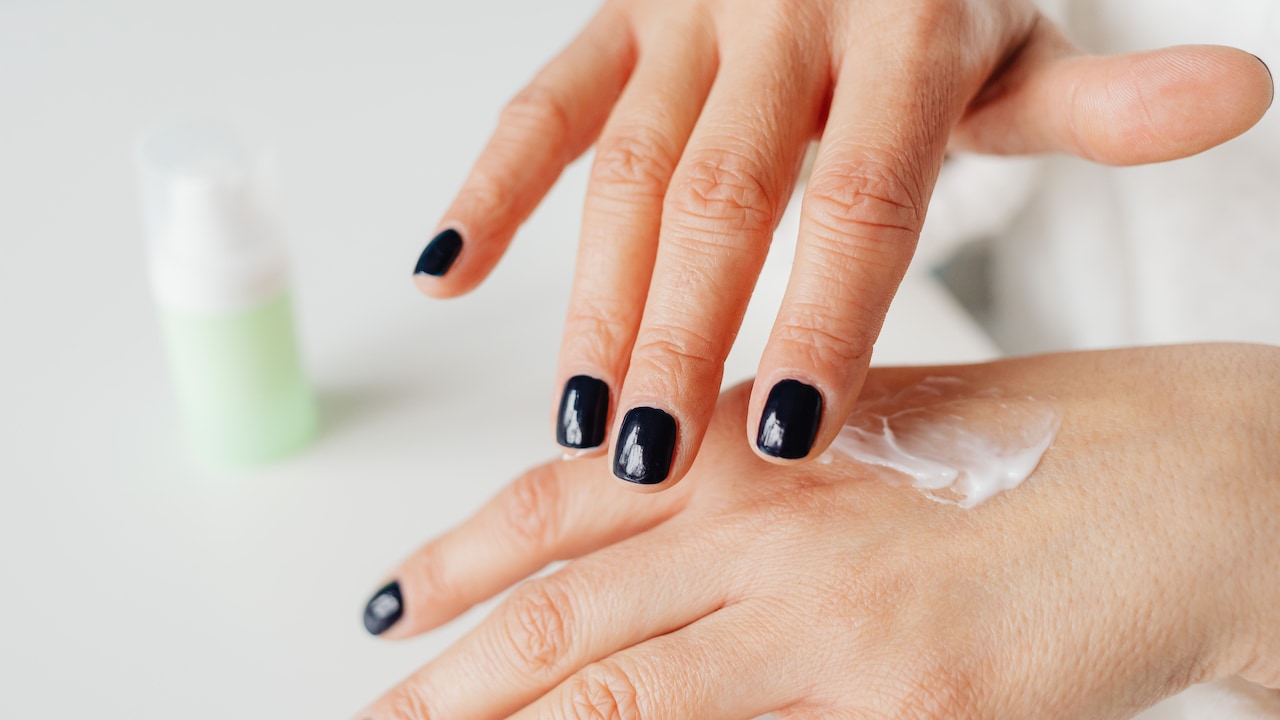
Regular moisturising helps keep cuticles healthy and protected.
Have you ever looked down at your hands and noticed a small flap of peeling skin hanging around your nail? Most of us have. You pull at it absent-mindedly, only to make it worse, and suddenly you are left with a sore, irritated corner of skin that refuses to heal quickly. Peeling skin around the nails is one of those common little annoyances that people rarely talk about until it becomes painful. While it often looks harmless, it can sometimes be your body's way of signalling that something is off, whether it is dry skin, frequent hand-washing, nutritional deficiencies, or simply the effects of everyday habits.
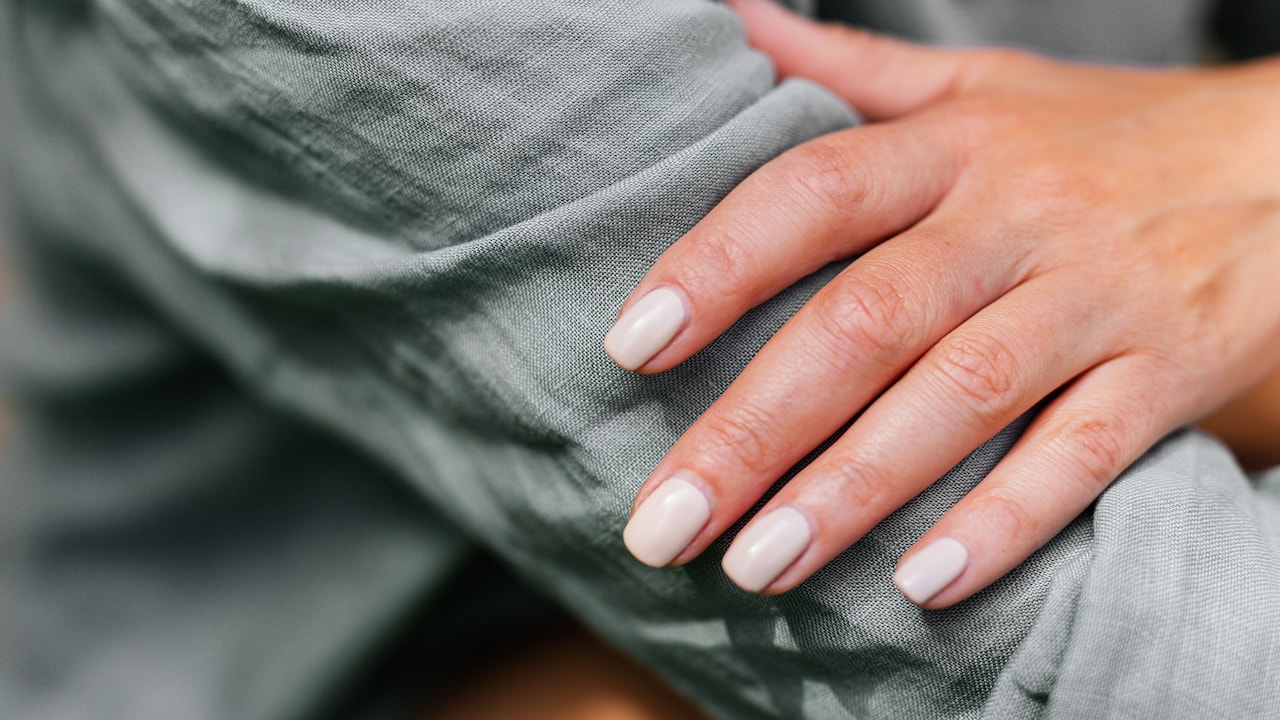
Dry skin is one of the leading causes of peeling skin around the nails.
Photo Credit: Pexels
The good news is that, in most cases, peeling skin around the nails is manageable and preventable with a few simple changes to your routine.
Also Read: Top 5 Electric Nail Files And Drills For Salon-Finish Nails At Home Under ₹2,300
What Exactly Is Peeling Skin Around The Nails?
The skin surrounding your nails, known as the cuticle and periungual skin, acts as a protective barrier. It helps keep bacteria, fungi and other irritants away from the nail bed.
When this delicate skin becomes dry, damaged or inflamed, it can start to crack, peel or form what many people call "hangnails", small strips of detached skin that can feel surprisingly uncomfortable.
While occasional peeling is common, persistent or severe peeling may indicate an underlying issue that deserves attention.
Dry Skin Is Often The Biggest Culprit
If there is one reason that is the most common culprit of this peeling is dryness.
Think about how frequently our hands are exposed to water, soaps, sanitisers, detergents and environmental changes throughout the day. Every wash strips away some of the natural oils that keep the skin soft and flexible.
During colder months, air tends to hold less moisture, making the situation worse. Air conditioning and indoor heating can also contribute to dehydrated skin.
The result? The thin skin around the nails loses moisture, becomes brittle and starts peeling or cracking.
Your Hand-Washing Habits Could Be Playing A Role
Frequent hand washing can weaken the skin barrier and increase dryness.
Photo Credit: Pexels
Good hand hygiene is essential, but excessive washing can have unintended effects.
People who regularly wash dishes, clean surfaces, work in healthcare settings, handle chemicals, or use alcohol-based sanitisers repeatedly throughout the day may notice the skin around their nails becoming rough and damaged.
Water itself is not necessarily the problem. It is the constant cycle of wetting and drying combined with soaps and cleaning agents that weakens the skin barrier over time.
Nail Biting And Picking Can Make Things Worse
Many people peel at loose skin without even realising they are doing it.
Nail biting, cuticle picking and repeatedly pulling at hangnails create tiny injuries around the nail area. These small wounds may lead to irritation, inflammation and even infection if bacteria enter the damaged skin.
Ironically, the more the skin is picked, the more uneven and ragged it becomes, creating a cycle that can be difficult to break.
Could It Be A Nutritional Deficiency?
Although not the most common cause, certain nutrient deficiencies may contribute to dry or fragile skin.
A lack of nutrients such as iron, B vitamins or essential fatty acids can affect skin health. When the body is not getting adequate nutrition, changes may first appear in areas like the skin, hair and nails.
That said, peeling skin around the nails alone is not enough to diagnose a deficiency. If it is accompanied by symptoms such as fatigue, brittle nails, hair loss or persistent weakness, it may be worth discussing with a healthcare professional.
Skin Conditions Can Also Be Responsible
Picking at hangnails often makes peeling and irritation worse.
Photo Credit: Pexels
Sometimes peeling skin is linked to an underlying skin condition rather than simple dryness.
Conditions such as eczema, contact dermatitis and psoriasis can affect the hands and the skin around the nails. In these cases, peeling may be accompanied by redness, itching, swelling or patches of irritated skin.
If symptoms keep returning despite good moisturising habits, a dermatologist may be able to identify the trigger.
How To Care For Peeling Skin Around Your Nails
The first step is surprisingly simple: stop pulling at the loose skin.
Instead of tearing off a hangnail, carefully trim it using clean nail scissors or cuticle clippers. This reduces the risk of further damage.
A few other habits can also help:
- Moisturise Frequently: Keep a nourishing hand cream nearby and apply it after washing your hands. Products containing glycerin, shea butter, ceramides or petroleum jelly can help restore moisture.
- Protect Your Hands: Wear gloves while washing dishes, cleaning or handling harsh chemicals. This creates a barrier against irritants that may worsen dryness.
- Be Gentle With Your Cuticles: Avoid cutting cuticles aggressively during manicures. The cuticle acts as a natural protective seal and removing too much of it can leave the area vulnerable.
- Stay Hydrated: While hydration alone will not solve every skin issue, drinking enough fluids supports overall skin health.
- Choose Mild Cleansers: If possible, switch to gentle hand washes that do not leave your skin feeling tight or stripped after use.
When Should You See A Doctor?
Most cases of peeling skin around the nails improve with better skin care and protection. However, professional advice may be needed if you notice:
- Persistent redness or swelling
- Pain around the nail
- Pus or signs of infection
- Recurrent peeling that does not improve
- Significant changes in nail appearance
- Symptoms affecting multiple fingers for an extended period
These signs could point to an infection, chronic skin condition or another underlying issue requiring treatment.
Peeling skin around the nails is usually more than a cosmetic nuisance. Often, it is linked to everyday factors such as dry skin, frequent hand washing, harsh products or habits like nail picking. The good news is that a few simple changes, regular moisturising, protecting your hands and giving your cuticles a little extra attention, can go a long way in keeping the skin healthy. If you're looking to upgrade your hand-care routine, you can also explore nourishing hand creams, cuticle oils and skincare essentials on Myntra. The right products, combined with consistent care, can help keep your hands looking and feeling their best.
Top Cuticle Care Essentials On Myntra
1. shills professional Stainless Steel Gold Cuticle Cutter
2. shills professional Cuticle Remover Colour Gel
3. Floss Beauty Revitalizing Cuticle Oil for Nail Care And Growth
4. Colors Queen Cuticle Oil Nail Care
5. Elecsera 2 Cuticle Trimmer Cutter And Filer
6. shills professional Nail Art Tool Kit Complete Manicure And Nail Design Set
7. MAJESTIQUE 8-Pcs Nail Clippers Kit and Cuticle Cleaning
8. ELLEMENT CO. Cuticle Softener
Frequently Asked Questions (FAQs)
1. Why is the skin around my nails peeling?
The most common causes include dry skin, frequent hand washing, exposure to harsh soaps, nail picking, and environmental factors such as cold weather.
2. Can vitamin deficiencies cause peeling skin around nails?
Yes. Deficiencies in nutrients such as iron, B vitamins and essential fatty acids may contribute to dry skin and weakened nail health in some individuals.
3. How can I stop the skin around my nails from peeling?
Regular moisturising, wearing protective gloves while cleaning, avoiding nail biting, and using gentle hand cleansers can help prevent peeling.
4. Is peeling skin around nails a sign of a health problem?
Occasional peeling is usually harmless, but persistent peeling, redness, swelling or pain may indicate eczema, dermatitis, infection or another underlying condition.
5. Should I cut off peeling skin around my nails?
Instead of pulling it off, carefully trim loose skin with clean nail scissors or cuticle clippers to avoid irritation and infection.
(Disclaimer: This article may include references to or features of products and services made available through affiliate marketing campaigns. NDTV Convergence Limited (“NDTV”) strives to maintain editorial independence while participating in such campaigns. NDTV does not assume responsibility for the performance or claims of any featured products or services.)