Gel vs Cream Sunscreen: Which Works Better In Humidity?
Struggling to pick between gel and cream sunscreen when it’s hot and sticky outside? Discover which option fits your skin and keeps you shielded from UV rays.
Gel Vs Cream Sunscreen: Which Works Better In Humidity?
We've all been there: you apply your sunscreen in the morning, feel good about your routine, and step outside. Fast forward two hours, and your face feels like a slippery, shiny mess. If you live somewhere where the weather flips between scorching hot and intensely humid, this frustrating scenario is probably a regular occurrence. The thing is, muggy air entirely changes how skincare sits on your face, and sunscreen is usually the biggest offender. Protecting your skin now involves more than just selecting a high SPF; the texture you choose can significantly impact your entire routine. Should you go for a refreshing gel or stick with a nourishing cream? Let's break down how these two stack up so you can stay protected without feeling like you're wearing a heavy mask.
Gel Vs Cream Sunscreen: Which Works Better In Humidity?; Photo Credit: iStock
Why Does Humidity Completely Alter How Sunscreen Feels?
Heavy air can have a significant impact on your skin, regardless of whether you notice it immediately. When the temperature climbs, your sweat glands and oil pores kick into overdrive to cool you down. Things quickly become chaotic when that extra oil and sweat combine with a thick layer of sunscreen. You're suddenly left with a slick, tacky layer that feels uncomfortably heavy after just a short walk outside.
That uncomfortable, suffocating sensation is precisely why so many people end up ditching sun protection altogether during the summer months. Let's be honest, if a product feels gross on your face, you aren't going to want to touch up your protection every couple of hours. Choosing a formula that suits muggy weather can transform sun care from a tedious task into a simple routine.
Modern sunscreens have evolved significantly, addressing various environmental conditions and skin concerns. Some focus heavily on weightless, fast-absorbing hydration, while others prioritise deep moisture barrier repair. Figuring out how these formulations perform in sticky weather makes choosing your go-to bottle effortless.
Also Read: What Sunscreen Should You Use On Cloudy Monsoon
Gel vs Cream Sunscreen: Which One Handles Humidity Better?
Ultimately, both gel and cream formulas effectively protect your face from UV damage when applied correctly. However, their texture, absorption, and wear throughout the day are vastly different. The primary difference lies in the base ingredients, the speed at which they set, and the finish they leave behind.
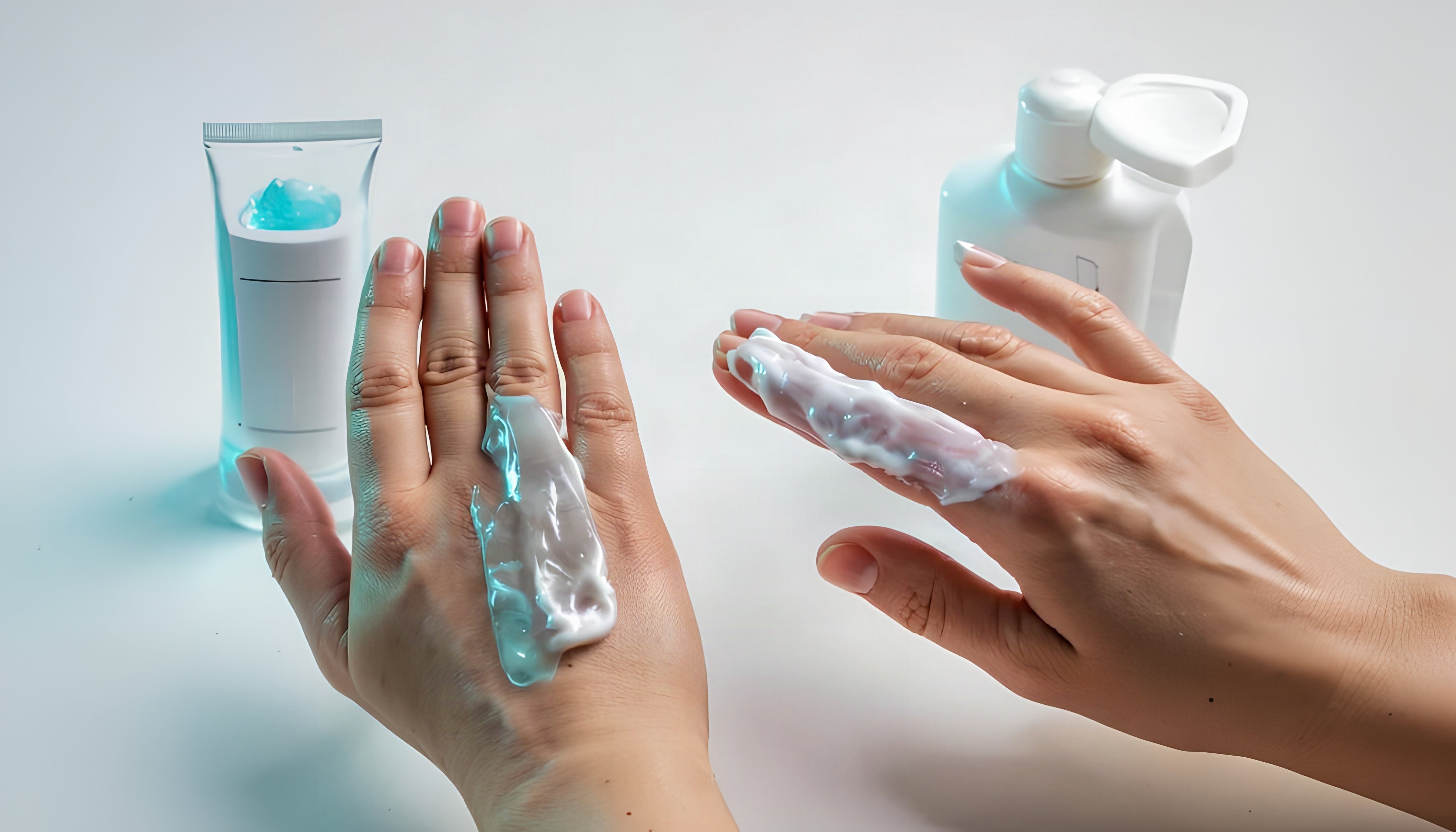
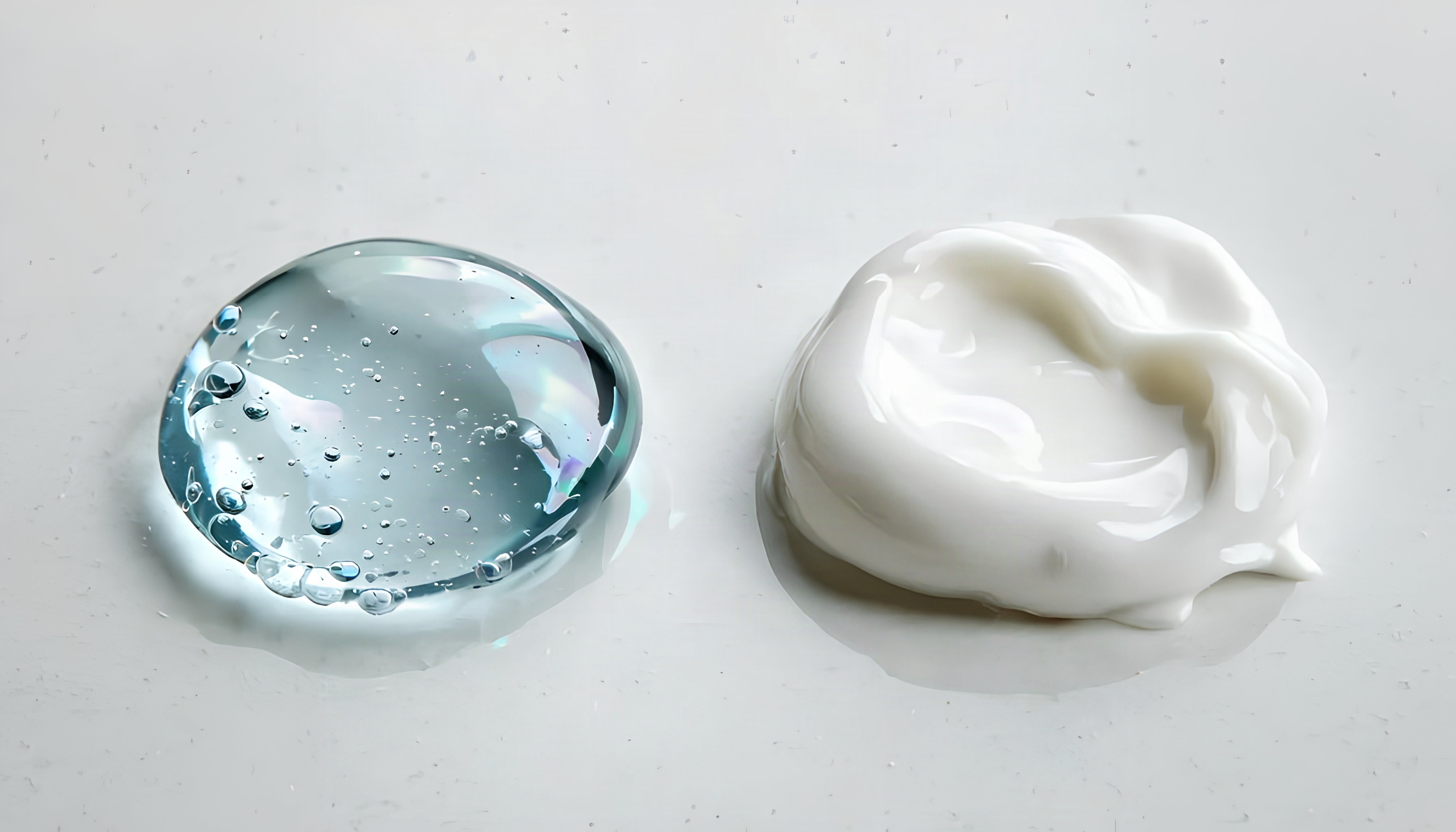
Gel sunscreens are built on a water-heavy foundation, keeping them remarkably light and fluid. They glide over the skin without tugging, sink in almost instantly, and rarely leave behind a greasy sheen. That quick absorption makes them an instant favourite for anyone who deals with unwanted shine when humidity spikes. On top of that, many gel formulas are packed with soothing humectants like hyaluronic acid, glycerin, or aloe, giving your skin a fresh burst of moisture without piling on heavy oils.
Cream sunscreens take a different route. They feature a richer, more traditional lotion texture designed to lock in moisture and reinforce your natural skin barrier. If your skin tends to get flaky, tight, or dehydrated, even when the air outside feels thick, a lotion or cream format offers the comforting cushion your face craves.
Instead of hunting for a single "best" formula for everyone, it helps to ask a much simpler question: Which texture aligns best with your unique skin profile and daily habits?
Smart Ways to Choose Your Perfect Summer Sunscreen
Navigating the beauty aisle doesn't need to feel overwhelming. Before selecting your next bottle, remember these simple tips.
Step 1: Tune In to Your Skin Type
Take a close look at how your skin behaves naturally. Is it slick, flaky, or a combination, or is it prone to redness? Your natural oil levels are the biggest factor in determining whether a cooling gel or a rich cream will stay comfortable past noon.
Step 2: Stick to Weightless Textures for Active Days
If you frequently spend time outdoors or run errands, breathable textures are essential. A weightless formula feels far less oppressive when you sweat, meaning you'll actually look forward to putting it on.
Step 3: Insist on Broad-Spectrum Coverage
Don't settle for basic protection. Always pick a bottle explicitly labelled "broad-spectrum" with a rating of at least SPF 30. This ensures you're shielded against both burning UVB rays and ageing UVA rays.
Step 4: Scan the Active Ingredients
If your skin feels dry, seek formulas stocked with hydration boosters. If you tend to experience breakouts or excessive oiliness, focus on products that are labelled as non-comedogenic and oil-free.
Step 5: Choose a Finish You Genuinely Like
Do you love a soft-matte look, or do you prefer a fresh, dewy glow? Finding a finish that matches your aesthetic preference turns daily application from a chore into a seamless step in your morning routine.
Common Sunscreen Mistakes to Avoid in Sticky Weather
Even the highest-rated sunscreen will be ineffective if your application habits are not optimal. More often than not, it isn't the formula itself that fails—it's tiny everyday mistakes that make the product feel heavy or ineffective.
1. Picking a Texture That Clashes with Your Skin
It's easy to buy a product just because it went viral or worked wonders for a friend. But putting a heavy cream on naturally oily skin during peak summer often leads to clogged pores. Similarly, putting an oil-absorbing gel on severely dry skin can leave it feeling tight and uncomfortable. Always prioritise your skin's actual needs over current trends.
2. Under-Applying Your Product
Skimping on sunscreen might keep your face feeling lighter, but it drastically cuts down your actual sun protection. To get the actual SPF level written on the bottle, dermatologists consistently recommend using roughly two full finger-lengths of product across your face and neck.
3. Skipping Your Mid-Day Touch-Ups
Applying sunscreen only once in the morning is insufficient to last the entire day, particularly in humid conditions. Sweat, natural oils, and friction gradually wear down the protective shield. Sliding on another layer every two hours when outdoors is crucial for staying safe.
Gel Vs Cream Sunscreen: Which Works Better In Humidity?; Photo Credit: iStock
Sunscreen Products You Might Want to Try
1. SKIN1004 Madagascar Centella Hyalu-Cica Silky-Fit SPF 50+ PA++++
2. Neutrogena Hydro Boost Face Sunscreen SPF50+ PA++++
3. RE' EQUIL Ultra Matte Dry Touch Sunscreen
4. UV Doux Silicone Sunscreen Gel SPF 50 PA+++
5. Minimalist Light Fluid Sunscreen SPF 50 for Oily Skin (PA++++)
6. Fixderma Shadow Sunscreen SPF 30+ PA+++ Gel Broad Spectrum Sunscreen
7. La Shield Lite SPF 50+ PA+++ Pure Mineral Sunscreen | Skin brightening in 3 Weeks
8. SKINQ Sun Protect Gel Sunscreen SPF 50+ PA++++ with Vitamin C
Sun protection is necessary for daily use, not only when you are on the beach or walking for a long time outdoors. These affordable sunscreens prove that you can achieve excellent skin care on a modest budget. With their broad-spectrum SPF, light textures, and weather-friendly formulas, these are the best affordable sunscreens. Shop on Amazon now and ensure your skin remains healthy and protected regardless of the sun's strength.
Frequently Asked Questions (FAQs)
1. Is a gel or cream sunscreen better for humid weather?
Gel formulas generally feel much lighter and more breathable on oily or combination skin during muggy days. Cream formulas work better if your skin is naturally dry and needs extra moisture regardless of the climate.
2. Can I use a cream sunscreen if I have oily skin?
You can! Just look for lightweight, non-comedogenic creams. However, many people with oily skin still prefer gel textures when the air gets hot and sticky.
3. Does a gel sunscreen offer as much protection as a traditional cream?
Absolutely. As long as both options feature the same broad-spectrum ratings and SPF level, they offer equal sun protection. The distinction lies in the texture and finish, rather than the level of protection.
4. How often should I reapply sunscreen when it's hot and humid?
Aim to reapply every two hours when you're outdoors, or even sooner if you've been sweating heavily or spending time in the water.
5. What SPF level is recommended for everyday wear?
A broad-spectrum formula with SPF 30 is ideal for everyday activities. If you plan on being out in direct sunlight for extended periods, stepping up to SPF 50 is a smart move.
(Disclaimer: This article may include references to or features of products and services made available through affiliate marketing campaigns. NDTV Convergence Limited (“NDTV”) strives to maintain editorial independence while participating in such campaigns. NDTV does not assume responsibility for the performance or claims of any featured products or services.)