Is Oily Skin Always To Blame For Foundation Separation? 10 Makeup Myths Explained
Foundation separation is not always caused by oily skin. From skincare and primer mistakes to excess powder and poor application, these 10 makeup myths reveal what really makes foundation crack, cake or separate.
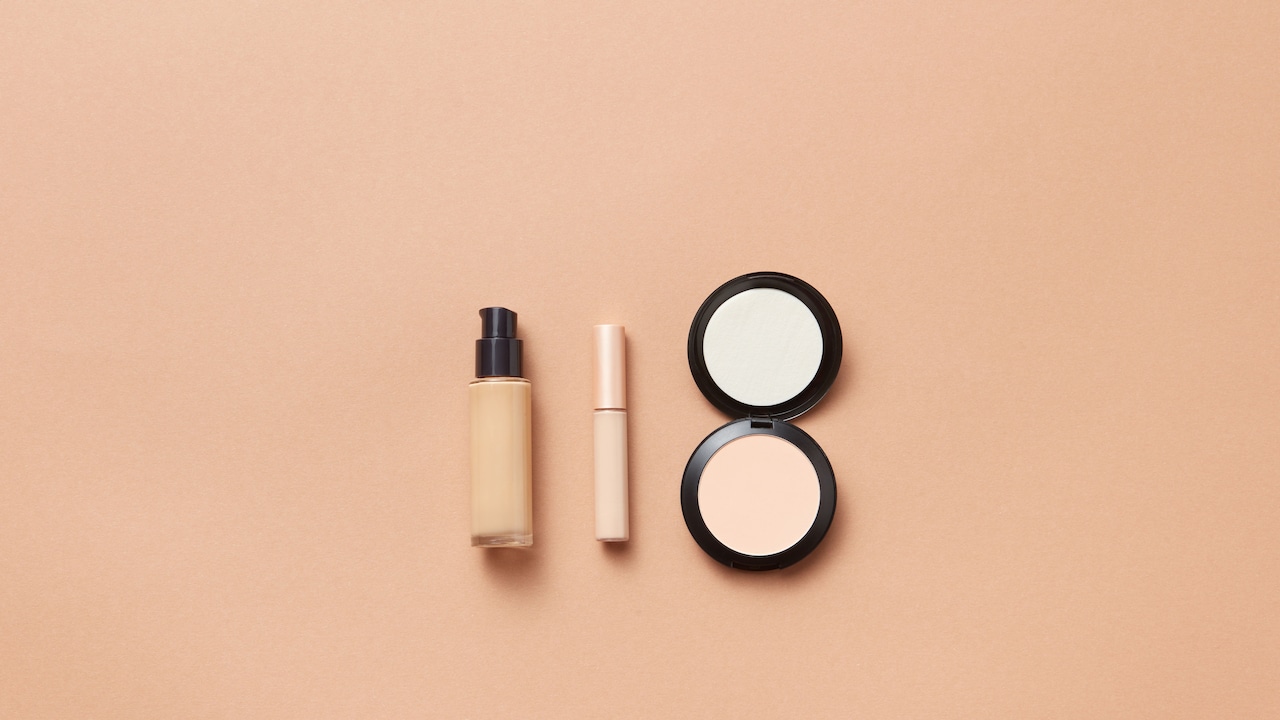
Why Does Foundation Separate? 10 Common Makeup Myths Explained
A flawless base has become something of a modern beauty quest. Between long office hours, humid commutes, wedding functions and hurried morning routines, foundation is expected to survive almost everything. When it starts separating, the first suspect is usually oil. That assumption sounds logical. After all, extra shine can loosen makeup. Yet oily skin is only one piece of the puzzle. Foundation can separate on dry, combination and even well-balanced skin. Sometimes the trouble begins long before the bottle is opened. Skincare texture, application technique, product formulas, weather and even the amount of foundation used can all change the final result. A ₹500 foundation may sit beautifully with the right preparation, while a ₹3,000 formula can struggle if layered over incompatible products. Beauty myths thrive because they offer simple explanations. Makeup, unfortunately, is rarely that simple. Here are ten myths that deserve a closer look.
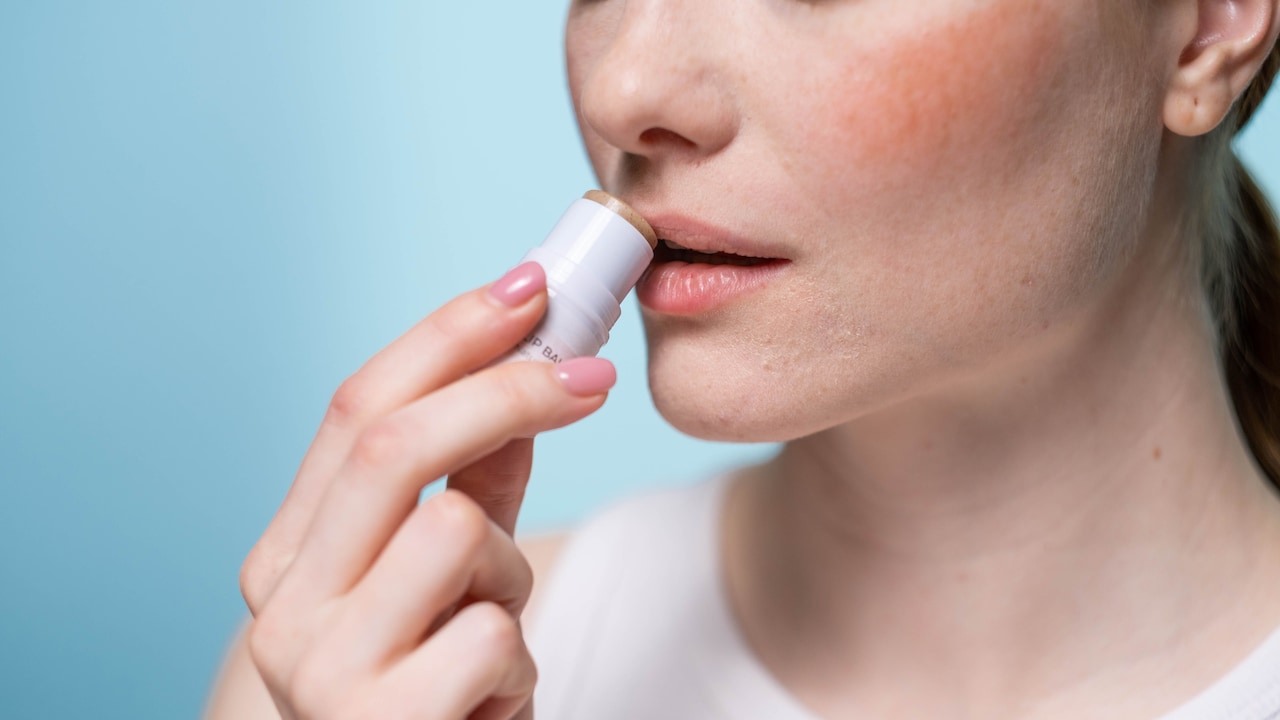
Why Does Foundation Separate? 10 Common Makeup Myths Explained; Photo Credit: Pexels
Why Your Foundation Separates: 10 Common Makeup Myths Debunked
1. Oily Skin Always Causes Foundation To Separate
Oily skin can contribute to foundation breakdown, but it does not automatically cause separation. Sebum may mix with foundation during the day, especially around the forehead, nose and chin. However, that usually creates shine or fading rather than dramatic patchiness everywhere.
Foundation can separate on dry skin too. If dehydrated areas absorb moisture from the product, the pigment may cling unevenly and leave obvious patches. Combination skin can create an even stranger situation, with foundation sliding around the nose while looking flaky on the cheeks.
The bigger issue often lies in balance. A very rich moisturiser beneath a dewy foundation may create too much slip. At the opposite end, skipping moisturiser can make the base catch on rough texture.
Think of foundation like paint on a wall. The finish depends heavily on the surface underneath. Blaming oil alone is like blaming monsoon rain for every traffic jam. Sometimes it is involved, but plenty of other culprits are waiting nearby.
Also Read: Top 5 Sweat-Proof Foundations For Festive Function Makeup Under ₹1,000
2. Primer Is Essential For Every Foundation Look
Primer has earned almost mythical status in makeup routines. Social media can make it seem as necessary as foundation itself. In reality, not every face or formula needs one.
A good skincare routine can sometimes provide enough preparation. If the skin feels smooth, comfortable and properly moisturised, foundation may sit perfectly well without another layer beneath it. Adding primer simply because it feels compulsory can occasionally make matters worse.
Trouble often starts when too many textures are stacked together. A heavy moisturiser, sunscreen, silicone-rich primer and full-coverage foundation can create a slippery tower of products. Instead of gripping the skin, the foundation begins moving around.
Primer works best when it solves a specific problem. A mattifying formula can help control shine around the T-zone. A hydrating one may soften dry areas. A pore-blurring primer can improve texture in targeted spots.
There is no beauty award for using the maximum number of products before breakfast. Sometimes one well-chosen moisturiser and a little patience work better than an elaborate five-layer routine.
3. Expensive Foundation Never Separates
Price tags can influence expectations, but they cannot change basic chemistry. A luxury foundation costing several thousand rupees can separate just as easily as an affordable one if the formula clashes with the products underneath.
High-end foundations may offer refined pigments, elegant packaging or sophisticated finishes, but they still respond to skin texture, oil, humidity and application technique. A premium bottle cannot magically ignore a thick layer of sunscreen or an overly greasy moisturiser.
An affordable foundation can perform beautifully when its texture suits the skin. The important question is not whether a product costs ₹700 or ₹4,000. It is whether the finish, coverage and formulation match the person wearing it.
This becomes especially noticeable in hot weather. A rich, radiant foundation designed for cooler conditions may struggle during a muggy afternoon, regardless of its price.
Luxury makeup can absolutely be worth enjoying, but expensive does not mean indestructible. Makeup is less like buying jewellery and more like choosing shoes for a long day. The fanciest pair still feels wrong if the fit does not work.
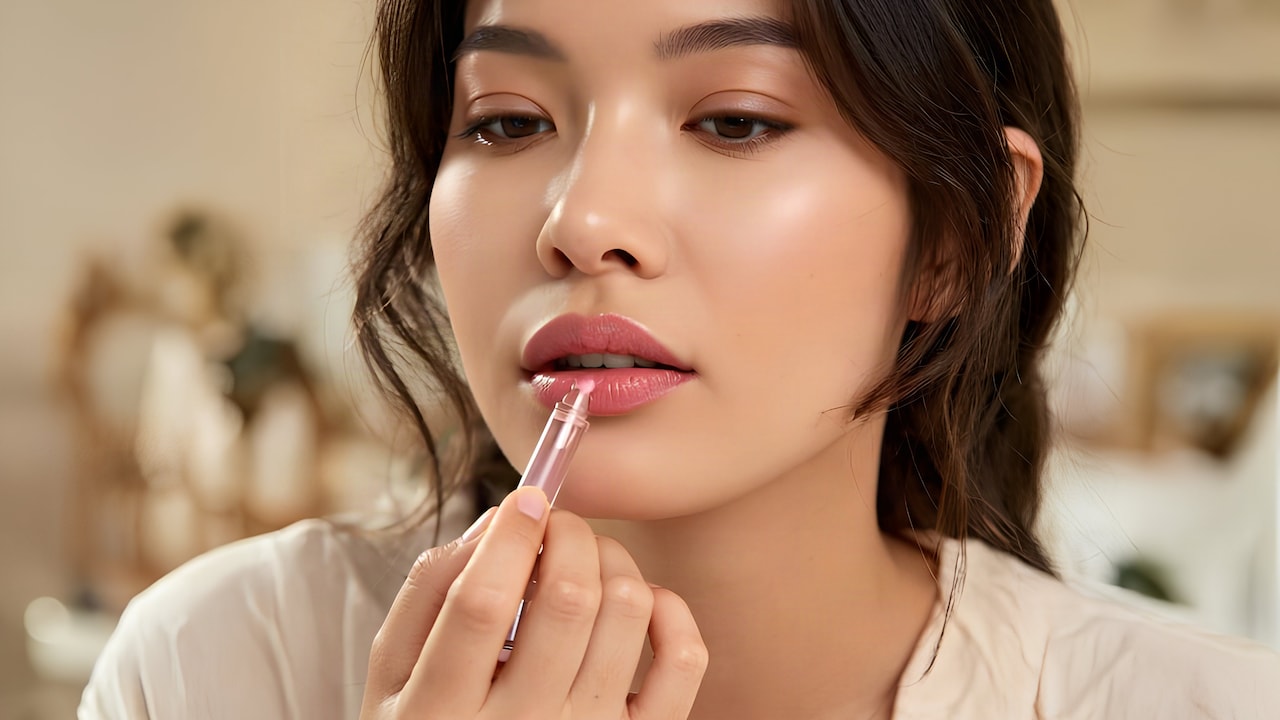
Why Does Foundation Separate? 10 Common Makeup Myths Explained; Photo Credit: Pexels
4. More Powder Means Longer-Lasting Foundation
Powder can be a brilliant ally, particularly around areas that become shiny quickly. Yet piling it on does not automatically give foundation greater staying power.
Too much powder can absorb moisture and make the base look dry or heavy. As facial expressions shift throughout the day, that thick layer may crack around the mouth, nose or under-eye area. The result can resemble foundation separation even when excess powder caused the problem.
Strategic setting usually works better. Lightly pressing powder onto the forehead, sides of the nose and chin may be enough for combination or oily skin. Drier areas often need far less.
The tool matters too. A large fluffy brush creates a softer finish, while a puff can press powder firmly into areas that need extra control.
The goal is not to turn the face into a perfectly matte surface that could survive a desert storm. Healthy skin naturally has movement and dimension. Makeup tends to look fresher when that reality is respected rather than buried under layer after layer of powder.
5. Skincare Has No Effect Once Foundation Goes On
Skincare and foundation are far more connected than they appear. What happens during the first ten minutes of a beauty routine can affect how the base looks hours later.
A thick moisturiser can leave too much residue. A very lightweight gel may not provide enough comfort for dry areas. Sunscreen can also influence the finish, especially if it pills or remains tacky.
Timing makes a difference. Applying foundation immediately after skincare may encourage products to mix instead of settling into separate layers. Giving moisturiser and sunscreen a few minutes to absorb can create a smoother surface.
Quantity matters as well. More skincare does not always mean better preparation. Using excessive amounts can leave the face slippery, particularly during humid weather.
The most effective pre-makeup routine often feels surprisingly simple. Clean skin, suitable hydration and properly settled sunscreen can create a reliable base.
Foundation is not a curtain that hides everything underneath. It behaves more like a transparent guest at the party. If the skincare underneath is causing chaos, the foundation usually ends up joining in.
6. Foundation And Primer Must Always Have Matching Bases
The familiar rule says water-based foundation must pair with water-based primer, while silicone products should only meet other silicone products. The reality is more complicated.
Ingredient lists rarely fall into such neat categories. Many foundations contain both water and silicones. A primer may begin with water but still include several smoothing silicone ingredients further down the list.
What matters more is how the products behave together. Some combinations blend beautifully despite having different dominant ingredients. Others pill, slide or separate even when the labels appear perfectly matched.
A small test can save a lot of frustration. Apply the usual skincare, primer and foundation to one section of the face before committing to a full look. If the texture begins rolling into tiny flakes or moving around immediately, the layers may not be getting along.
Rules can be helpful starting points, but makeup is not a chemistry exam. Skin condition, product quantity and application method also influence the result.
Compatibility deserves more attention than labels. Sometimes the products simply do not like each other, rather like relatives seated together at a large family function.
7. Full-Coverage Foundation Should Be Applied Thickly
Full coverage refers to pigment concentration, not permission to apply half the bottle.
A thick foundation layer may initially hide everything, but it also creates more product that can crease, shift and separate throughout the day. Areas around the nose, smile lines and chin tend to show the problem first because they move frequently.
Thin layers usually create a more durable finish. A small amount can be spread across the face, then additional coverage can be added only where needed. Concealer can handle stubborn marks or pigmentation without forcing the entire face to carry several heavy coats.
This approach also keeps the skin looking more natural. Texture remains texture, but it does not become magnified by excess product.
There is a temptation to keep adding foundation when coverage feels uneven. Sometimes the better move is to stop, blend carefully and reassess.
A heavy base on a hot afternoon can feel like wearing a wool jumper in May. Technically possible, perhaps, but hardly comfortable. Full coverage works best when the pigment does the hard work rather than sheer quantity.
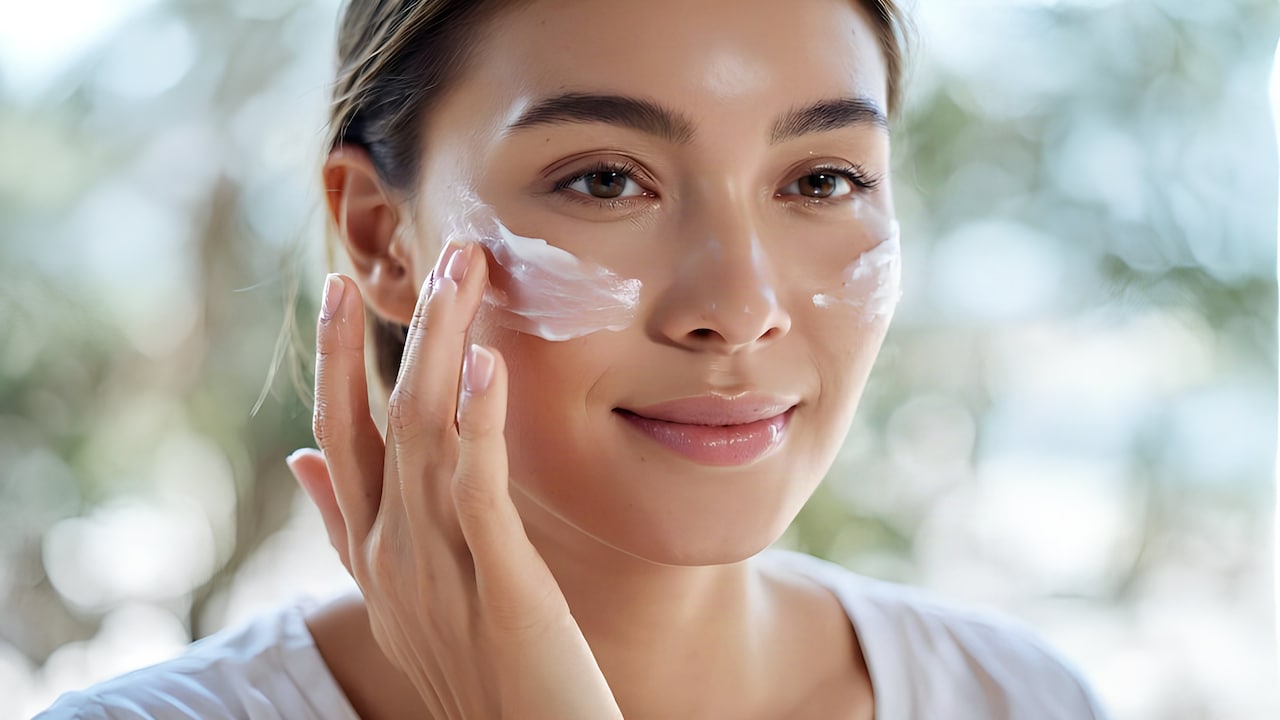
Why Does Foundation Separate? 10 Common Makeup Myths Explained; Photo Credit: Pexels
8. A Beauty Sponge Always Gives The Smoothest Finish
Beauty sponges are popular for good reason. They can create a soft, seamless finish and remove excess product while blending. Still, they are not universally superior.
A sponge that is too wet can dilute foundation and encourage patchiness. One that is completely dry may absorb more product than expected. Even the amount of pressure matters. Aggressive bouncing can lift layers underneath rather than blend them.
Brushes can work better with certain formulas, especially thicker or fast-setting foundations. Fingers can also be surprisingly effective for lightweight skin tints because warmth helps the product melt into the skin.
The best tool depends on the formula and desired finish.
Sponges also need regular cleaning. Product build-up, oils and old makeup can affect application and hygiene. A sponge that has spent several weeks rolling around inside a makeup pouch is unlikely to deliver its finest performance.
There is no single sacred blending tool. Makeup artists switch between brushes, sponges and fingers for a reason. Technique matters more than loyalty to one fashionable applicator.
9. Setting Spray Can Fix Any Separating Foundation
Setting spray is useful, but it is not a magic repair service.
Some sprays help makeup last longer by forming a light film over the face. Others mainly melt powder into the base and create a less chalky finish. What they cannot reliably do is reverse foundation that has already broken apart because of poor preparation or incompatible layers.
Once visible separation appears, spraying more product over the top may sometimes make matters worse. Moisture can disturb loose pigment and exaggerate patchiness.
A better rescue method often involves gently pressing the area with a clean sponge or fingertip. If excess oil is present, blotting first can help. A tiny amount of foundation can then be tapped into the affected spot if needed.
Setting spray works best as prevention rather than emergency reconstruction.
It is a little like carrying an umbrella. Useful when rain starts, certainly, but less impressive once someone has already stepped into a knee-deep puddle. Good preparation and sensible layering still matter more than the final mist.
10. Foundation Separation Means The Product Is Bad
A foundation that separates once is not necessarily destined for the bin. Context matters.
Perhaps the moisturiser changed. Maybe the sunscreen was applied more heavily that morning. Weather can also transform how makeup behaves. A foundation that looks smooth during a cool evening event may struggle during a humid daytime celebration.
Application can influence the result too. Using too much product, blending for too long or repeatedly touching the face can disturb the base.
Before abandoning a foundation, try changing one element at a time. Use less skincare underneath. Skip primer for a day. Apply thinner foundation layers. Set only the areas that become oily. Small adjustments often reveal the actual cause.
Of course, some formulas simply do not suit certain skin types, and there is nothing wrong with moving on when a product consistently disappoints.
Still, one rough makeup day does not always deserve a dramatic farewell. Sometimes the foundation is innocent and merely caught in the crossfire between sunscreen, humidity and an enthusiastic powder puff.
Products Related To This Article
1. FACES CANADA SPF 30 All Day Hydra 3IN1 Mini Matte Foundation+Moisturizer
2. Lakme Showstopper Be-Jewel Luminous Skin Tint 25 ml
3. SUGAR Ace Of Face Dewy Foundation 17 Raf 30Ml
4. L'Oréal Paris Infallible 32H Fresh Wear Foundation 30 ml - Golden Beige 140
5. MARS SPF50 PA++++ High Coverage Foundation Tested by IN-VIVO 25ml
6. Mamaearth Glow Serum Foundation with Vit. C & Turmeric for 12-Hour Stay 30ml
7. Daily Life Forever52 Ultra Definition Liquid Foundation- Honey 30 ml
Makeup Foundation separation is often treated as an oily-skin problem, but makeup rarely follows one tidy rule. Dryness, dehydration, skincare, product compatibility, heavy application and weather can all influence how a base wears.
The most useful approach is observation rather than blame. Notice where the foundation breaks apart, how quickly it happens and what products sit underneath. Then adjust one step at a time.
There is no perfect routine that works for every face, foundation or season. A method that behaves beautifully at a winter dinner may feel completely different during a humid commute in July.
Makeup becomes easier when myths stop setting the rules. Use less when less works, powder where necessary and give products time to settle. Most importantly, remember that skin is meant to look like skin.
A little shine, texture or movement does not ruin a makeup look. Sometimes the secret to a better foundation day is simply expecting foundation to behave like makeup rather than magic.
(Disclaimer: This article may include references to or features of products and services made available through affiliate marketing campaigns. NDTV Convergence Limited (“NDTV”) strives to maintain editorial independence while participating in such campaigns. NDTV does not assume responsibility for the performance or claims of any featured products or services.)