How To Tell If A Portable Washing Machine Can Handle Your Everyday Laundry
A portable washing machine can save space and effort, but capacity alone doesn’t tell the whole story. Here’s how to judge whether one can realistically manage your clothes, towels, bedsheets and everyday washing routine.
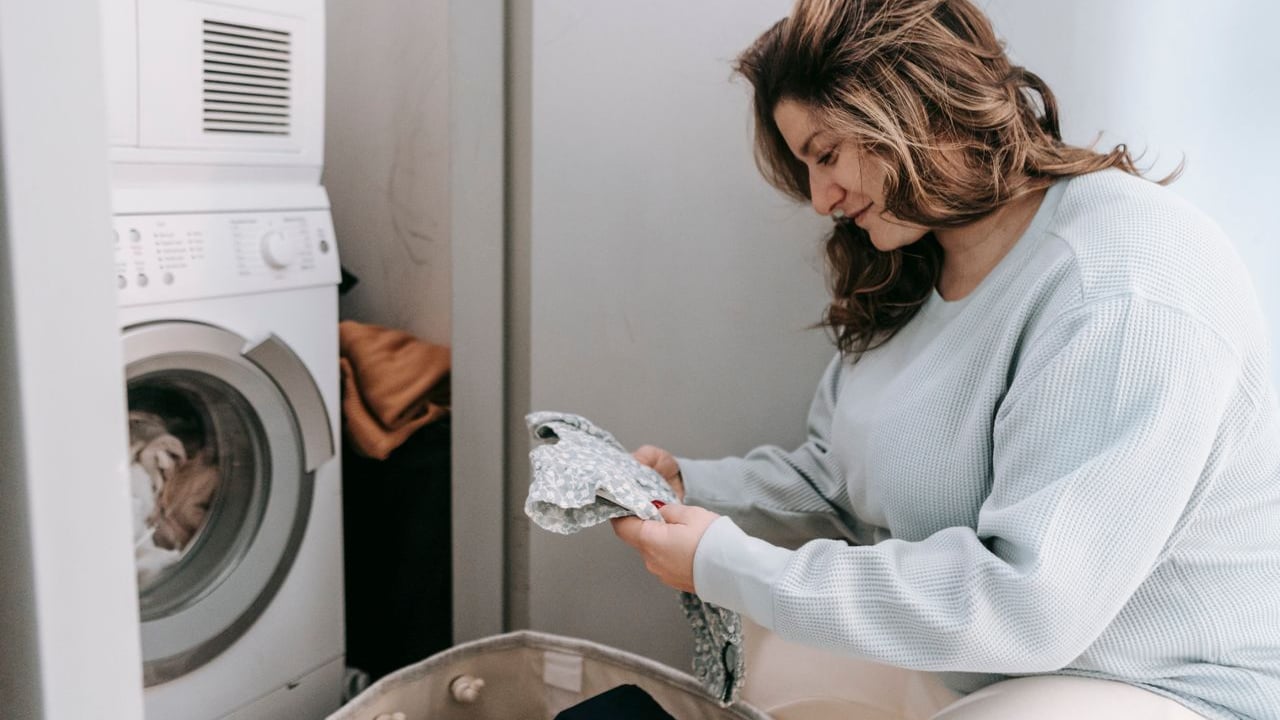
How well can a portable washing machine handle everyday laundry
Portable washing machines look wonderfully straightforward on paper. They're compact, easier to move than full-sized machines and often make sense for rented homes, hostels, studio flats or households that simply don't generate mountains of laundry every week. The catch? “Portable” covers everything from tiny machines designed for a handful of lightweight clothes to surprisingly capable models that can tackle several days' worth of washing. That difference matters. A machine may proudly advertise a 7 kg capacity yet struggle once you add thick cotton trousers, towels or a bedsheet. Another smaller model might work perfectly for someone who washes frequently and rarely lets the laundry basket overflow. So, choosing one isn't really about finding the largest number on the specification sheet. It means looking at your actual laundry habits. How often do you wash clothes? Do you live alone or share laundry with family? Are kurtas and office shirts your usual load, or do bulky towels and denim appear every other day? Before a compact washer takes over a valuable corner of the bathroom, these ten checks can reveal whether it will genuinely cope with everyday life.
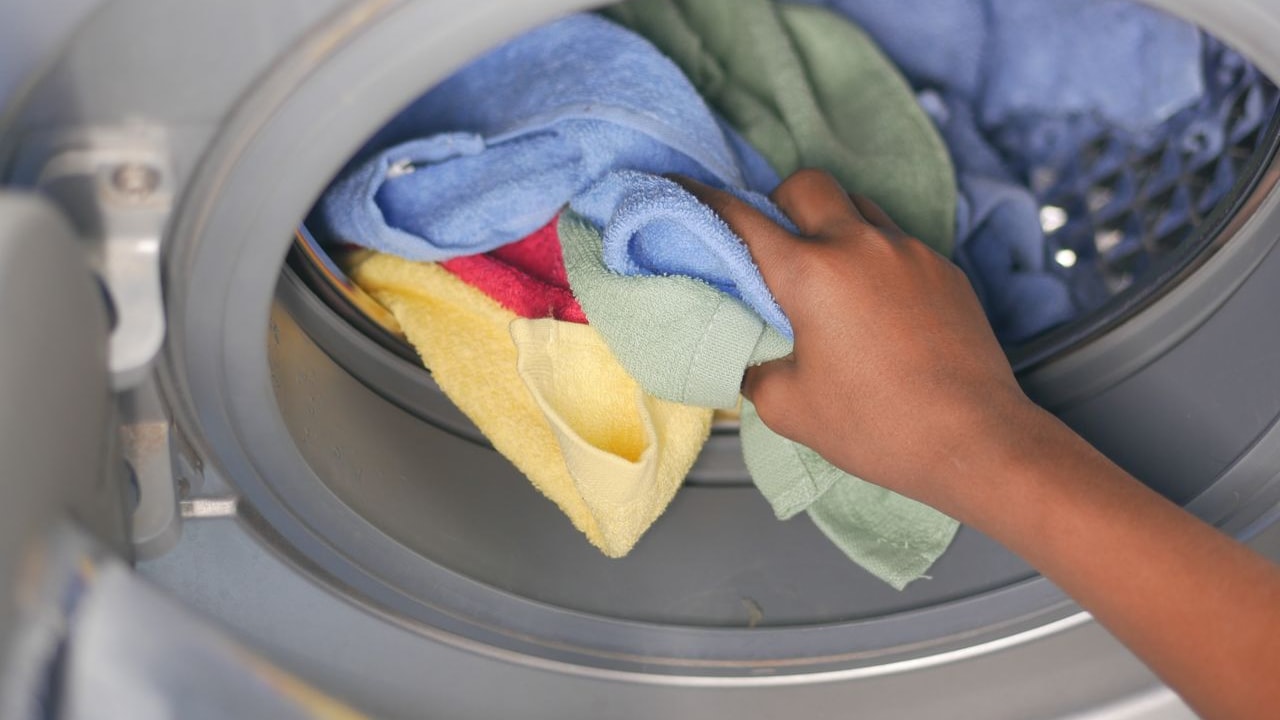
How to choose a portable washing machine
Photo Credit: Pexels
What Really Determines Whether A Portable Washer Is Practical?
1. Compare The Capacity With Your Real Laundry Load
Capacity should be the first checkpoint, but don't judge it only by the kilogram figure printed on the machine. Think about what actually goes into your laundry basket between washes.
Someone living alone who washes clothes every two or three days may manage comfortably with a smaller machine. A typical load might contain a couple of T-shirts, undergarments, lightweight trousers and perhaps one kurta or nightwear set. That's very different from a household trying to wash several outfits, towels and children's clothes together.
Remember that kilogram ratings usually refer to dry laundry. Fabric type also changes how quickly that capacity gets used. Five lightweight tops occupy far less drum space than five pairs of jeans.
A useful reality check involves observing your current wash pile before buying. If you normally accumulate enough laundry to fill a large bucket or basket, an extremely compact washer may force you into several cycles. That quickly turns the supposedly convenient machine into an evening-long project.
The right capacity isn't necessarily the biggest one available. It's the capacity that handles your normal load without needing constant load-splitting.
2. Check Whether The Drum Has Enough Physical Space
Two washing machines can advertise similar capacities yet feel surprisingly different once you open them. That happens because drum dimensions, agitator design and usable interior space vary.
This matters particularly with bulky clothes. A thick bath towel needs room to move through water. So do jeans, sweatshirts, salwar bottoms and larger cotton garments. Packing them tightly into a small drum may technically stay within the stated weight limit, but the clothes won't circulate properly.
Think of it like cooking rice in a pot that's technically large enough but filled right to the rim. There's little room for anything to move, and the result probably won't be ideal.
When possible, check the inner tub measurements rather than relying entirely on the machine's external dimensions. Product photographs can also help reveal whether a central pulsator or agitator takes up significant space.
A washer with a slightly larger usable tub may prove more practical than a compact model with an impressive capacity claim. Clothes need room to tumble, rotate or circulate during washing. Without that movement, detergent and water cannot work evenly through the load.
Also Read: 5 Top-Rated Washing Machines Under ₹120003. Consider How Often You Are Willing To Run It
Portable washing machines make more sense when they match your washing schedule rather than forcing you to build a new one around the appliance.
Suppose a small machine comfortably handles four or five daily garments. That's perfectly reasonable for someone who washes clothes frequently. The same capacity becomes frustrating for someone who prefers doing all the laundry on Sunday morning.
This is where lifestyle matters more than marketing specifications.
If your weekly basket contains workwear, casual clothes, pyjamas, workout outfits and towels, calculate roughly how many cycles a prospective machine would need. Two loads on a weekend may feel easy. Five or six loads probably won't.
Frequent washing can actually work well with portable models because smaller loads move more freely and finish faster. It can also stop sweat, food stains and damp clothes from sitting around for days.
But be realistic about routine. Buying a tiny washer on the assumption that everyone will suddenly wash clothes every evening rarely ends well.
Choose capacity according to the laundry habits you already have, not the super-organised version of your household that exists only in imagination.
4. Find Out How Well It Handles Heavy Fabrics
Everyday laundry isn't made entirely of lightweight T-shirts.
Denim jeans, cotton trousers, bath towels, sweatshirts and thick nightwear can become surprisingly heavy after absorbing water. That extra weight makes them harder for smaller motors to move effectively.
Portable machines designed mainly for light garments may start struggling when several dense items enter the tub together. Clothes can clump into one side, washing action may become weaker and spin cycles may turn noisy or unstable.
Check whether the manufacturer mentions suitable fabric types or restrictions on heavier laundry. User manuals often reveal more practical information than the promotional page.
Even when a machine can wash denim, that doesn't mean stuffing four pairs into one cycle is sensible. A better approach may involve washing one or two heavier garments with lighter pieces.
This becomes particularly important if jeans form a large part of your wardrobe. Someone who mostly wears lightweight cotton clothing will place much less strain on the same machine.
A portable washer should handle occasional heavy items without sounding as though it's attempting to leave the bathroom. Regular heavy loads, however, may justify a more substantial model.
5. See Whether It Can Wash Bedsheets Without Struggling
Bedsheets often expose the difference between a genuinely useful portable washer and one suited mainly to small garments.
A single lightweight bedsheet may fit easily into many medium-sized machines. Add a second sheet, pillow covers or a heavier double-bed sheet, though, and space disappears quickly. Once wet, the fabric becomes heavier and can twist into a large bundle.
That bundle needs enough room to move.
If bedsheets form part of your regular home laundry, check whether the manufacturer specifically mentions them. Customer reviews can also reveal whether owners successfully wash sheets or constantly encounter balancing problems.
Keep expectations sensible. A portable washing machine does not need to handle an entire bedding set in one cycle to be useful. Washing one sheet at a time may still work perfectly well, especially in a small household.
Blankets and thick comforters are another matter. Many portable washers simply aren't designed for them. Trying to force one inside can strain the motor and produce poor cleaning.
The question isn't merely whether a bedsheet physically fits. It's whether the sheet has enough space to circulate once it's soaked with water.
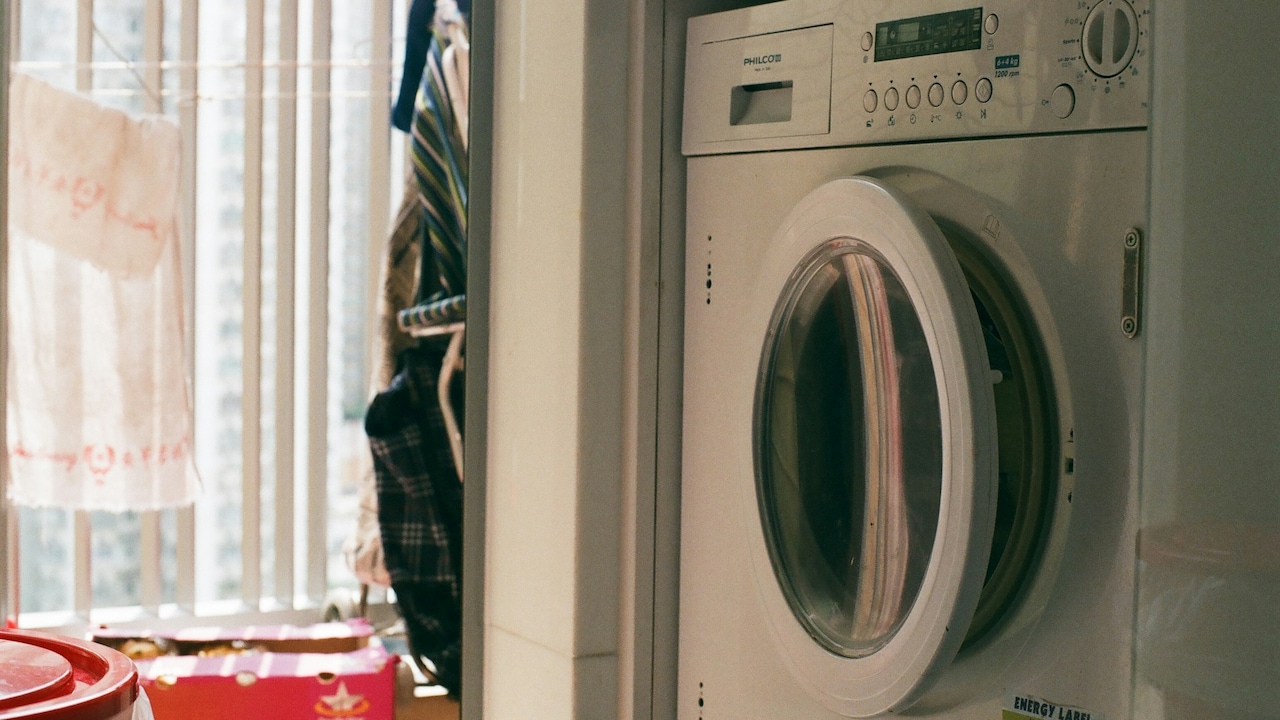
Ensure that the machine can handle bedsheets easily
Photo Credit: Pexels
6. Look Closely At The Spin-Drying Performance
Washing is only half the job. Clothes also need to come out without carrying half the wash water with them.
Some portable machines provide reasonably strong spin cycles, while simpler models leave garments noticeably wetter than a conventional automatic washer. Twin-tub machines may have separate spin compartments that are smaller than the main wash tub, which means a full wash load might require two spinning rounds.
That isn't necessarily a deal-breaker, but it should fit your routine.
Spin performance matters more during humid or rainy weather when clothes already take longer to dry. A weak spin cycle can leave thick cotton garments dripping enough to turn indoor drying into a patience test.
Check the spin capacity separately if the machine lists one. A washer might advertise an 8 kg washing capacity but provide a significantly smaller spinning limit.
Also consider your drying arrangement. Homes with a sunny balcony can tolerate slightly wetter clothes. People who rely on indoor drying racks may appreciate stronger water extraction far more.
A good portable washer should reduce drying time enough to make the whole process convenient, rather than simply moving the difficult part from washing to drying.
7. Check The Water Filling And Drainage Setup
A portable washing machine may be compact, but it still needs a practical relationship with your tap, drain and floor space.
Some models connect directly to a tap. Others require manual filling using a bucket or hose. Drainage may rely on gravity, which means the outlet hose needs a suitable floor drain or low drainage point nearby.
None of this sounds complicated until the machine arrives and the hose doesn't fit the tap.
Before buying, picture exactly where each wash will happen. Measure the distance to the water source and drainage point. Check whether the supplied inlet hose matches your tap style. If an adaptor is required, factor that into the setup.
Manual water filling can work perfectly well for occasional loads. For everyday washing, however, carrying repeated buckets of water may quickly erase some of the convenience you bought the machine for.
Drainage deserves equal attention. Water should leave without needing the machine to be lifted, tilted or dragged across the floor.
A portable washer becomes far more useful when setting it up takes a minute or two. If every wash involves rearranging half the bathroom, enthusiasm may fade remarkably fast.
8. Judge Whether The Wash Programmes Match Your Clothes
A long list of washing modes sounds impressive, but everyday usefulness depends on whether the machine offers the programmes you genuinely need.
For many households, basic options such as normal, gentle, quick wash and spin will cover most situations. A delicate setting can help with lightweight kurtas, soft tops or garments that shouldn't endure aggressive agitation. A stronger programme may suit towels, cotton trousers and heavily worn casual clothes.
Machines with only a timer and basic wash mechanism can still perform well. They simply require more attention from the user.
Consider your wardrobe. If most clothes consist of sturdy everyday cottons, elaborate programmes may add little value. If you regularly wash delicate fabrics, office wear or clothes with embroidery, better control over wash intensity becomes more important.
Temperature options also deserve consideration. Many portable machines use regular tap water and lack internal heaters. That's fine for ordinary washing but worth knowing before purchase.
The goal isn't to collect twenty wash modes with names nobody remembers after the first week. It's to have enough control to clean your common fabrics properly without treating every garment like a muddy cricket uniform.
9. Work Out Whether The Machine Saves Enough Time
Compact appliances often promise convenience, but the true time commitment depends on how automated they actually are.
A fully automatic portable washer can handle filling, washing, rinsing and spinning with relatively little involvement. Semi-automatic and twin-tub models may require you to add water, drain the tub, transfer clothes and start separate spin cycles.
For some households, that's perfectly acceptable. These machines can offer good washing ability while keeping the appliance lightweight and straightforward.
But think about when you usually do laundry.
If washing happens while cooking dinner, answering emails or getting ready for work, frequent manual intervention may become irritating. A machine that needs attention every ten minutes doesn't feel particularly automatic when you're already juggling three other things.
Cycle length also matters. A smaller washer running several loads can take longer overall than a bigger machine running one.
Estimate the complete process, not just the advertised wash timer. Include filling, draining, rinsing, spinning and transferring clothes if necessary.
Portable washing works best when it genuinely reduces effort. Saving floor space is useful, but saving space while doubling laundry time may not feel like much of a bargain.
10. Think About Tomorrow's Laundry, Not Just Today's
Finally, consider whether the machine will still suit your household a couple of years from now.
A tiny washer can be ideal for one person living in a rented flat. But laundry needs can grow. A partner might move in. Work-from-home clothing habits might change. Gym sessions could add several extra outfits every week. Even adopting a pet can mysteriously generate towels, covers and cleaning cloths faster than expected.
Buying excessive capacity “just in case” isn't necessary, especially when space is limited. Still, choosing a machine that already sits at the absolute edge of your current needs leaves no flexibility.
A little spare capacity makes everyday washing easier. It means an extra towel doesn't automatically trigger another cycle. It also reduces the temptation to overload the tub when the laundry basket gets slightly fuller than usual.
Consider maintenance and service support too. Portable machines still contain motors, pumps, belts and controls that may eventually need attention.
The best choice isn't simply the model that can manage today's T-shirts. It's one that can comfortably handle the way your laundry routine is likely to evolve.
Products Related To This Article
1. Portable Washing Machine, 11L Mini Washing Machine with Spin Dryer
2. Hilton Electric 3 kg Single-Tub Washing Machine with Spin Dryer Portable Single Tub Washer
3. Portable Mini Washing Machine 2kg
4. Portable Washing Machine, 16L Mini Washing Machine With Spin Basket
5. Mini Washing Machine for Clothes
6. SeMi AuToMaTiC FoLdInG SmAlL MiNi WaShInG MaChInE WiTh DrYeR DeEp CLeAnInG
7. Mini Washing Machine Portable, Deep Cleaning for Baby Clothes
A portable washing machine can absolutely handle everyday laundry, provided its size and design match the way your household actually washes clothes. Capacity matters, but so do drum space, fabric weight, spinning strength, drainage, automation and the number of cycles you'll realistically run.
Before buying, look at your laundry basket rather than only the specification sheet. Think about jeans, towels, bedsheets and those weekends when washing mysteriously doubles. A machine that handles your normal load with a little room to spare will usually prove far more useful than the smallest model you can squeeze into the bathroom.
(Disclaimer: This article may include references to or features of products and services made available through affiliate marketing campaigns. NDTV Convergence Limited (“NDTV”) strives to maintain editorial independence while participating in such campaigns. NDTV does not assume responsibility for the performance or claims of any featured products or services.)