Ionic vs Ceramic Dryer: Which Handles Monsoon Frizz Better
Monsoon humidity makes hair puffy and unruly within minutes. Here's whether an ionic or ceramic hair dryer actually controls frizz better this season.
Ionic vs Ceramic Dryer: Which Handles Monsoon Frizz Better
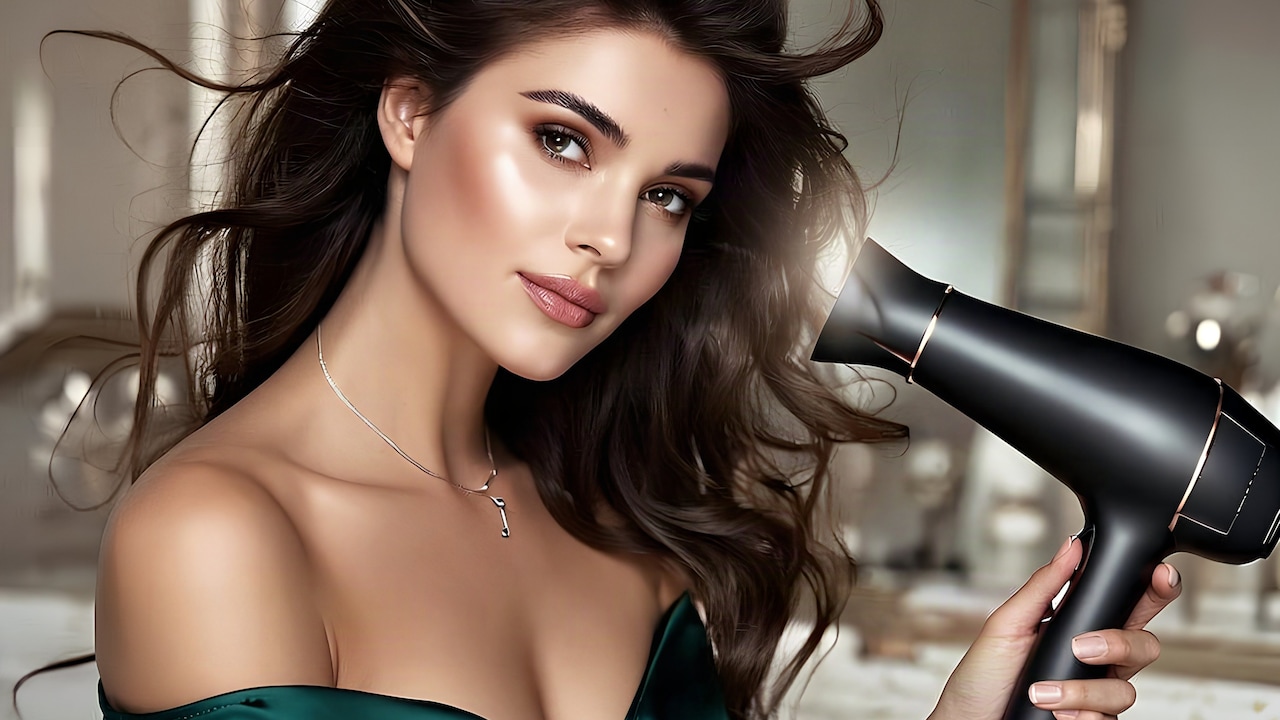
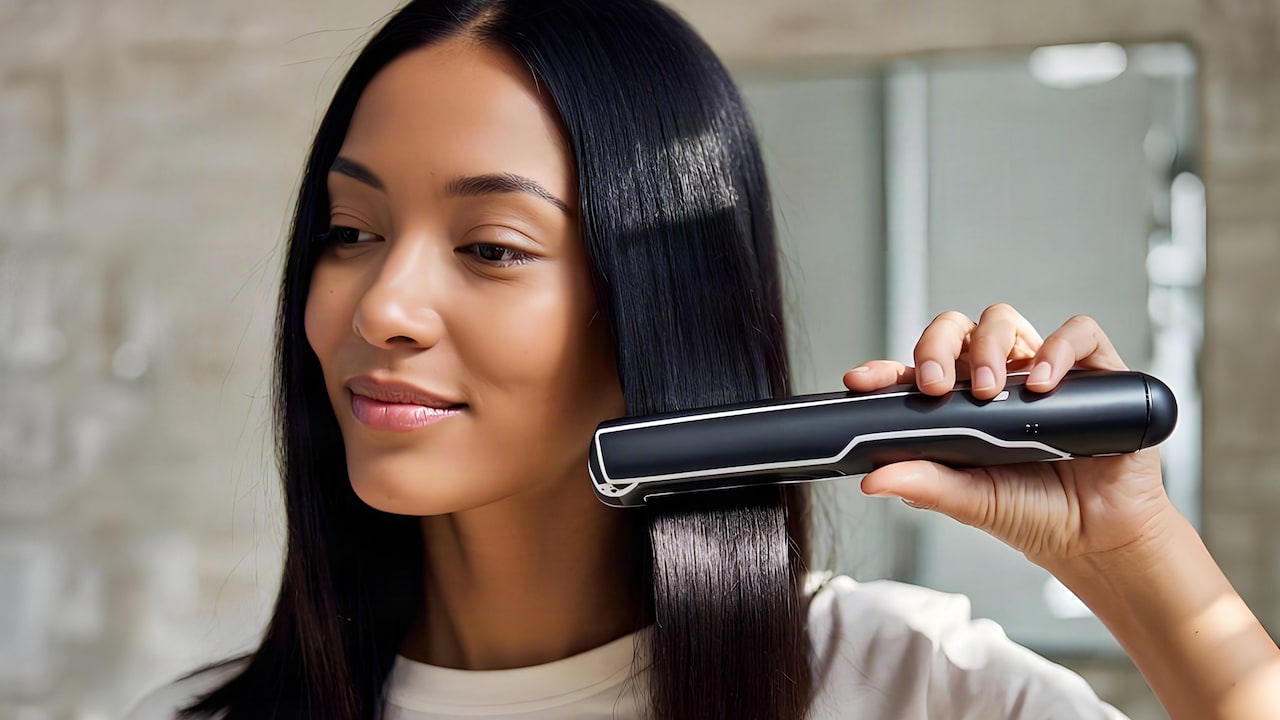
The moment a monsoon hits most cities, hairstyles that took ten minutes to set start falling apart in five. Blame the moisture in the air, blame the mugginess, whatever you call it – your hair somehow knows before you even step outside. It puffs up, refuses to sit flat, and by evening, it looks like it had its own opinions about the day. Many people assume the fix is just a better shampoo or a fancy serum. However, a big part of frizz control happens right at the drying stage, and this is where the ionic vs ceramic hair dryer debate actually matters. One pushes moisture out fast using charged particles, the other spreads heat evenly so hair doesn't get shocked into frizzing.
What Makes Monsoon Frizz So Hard To Control
Photo Credit: iStock
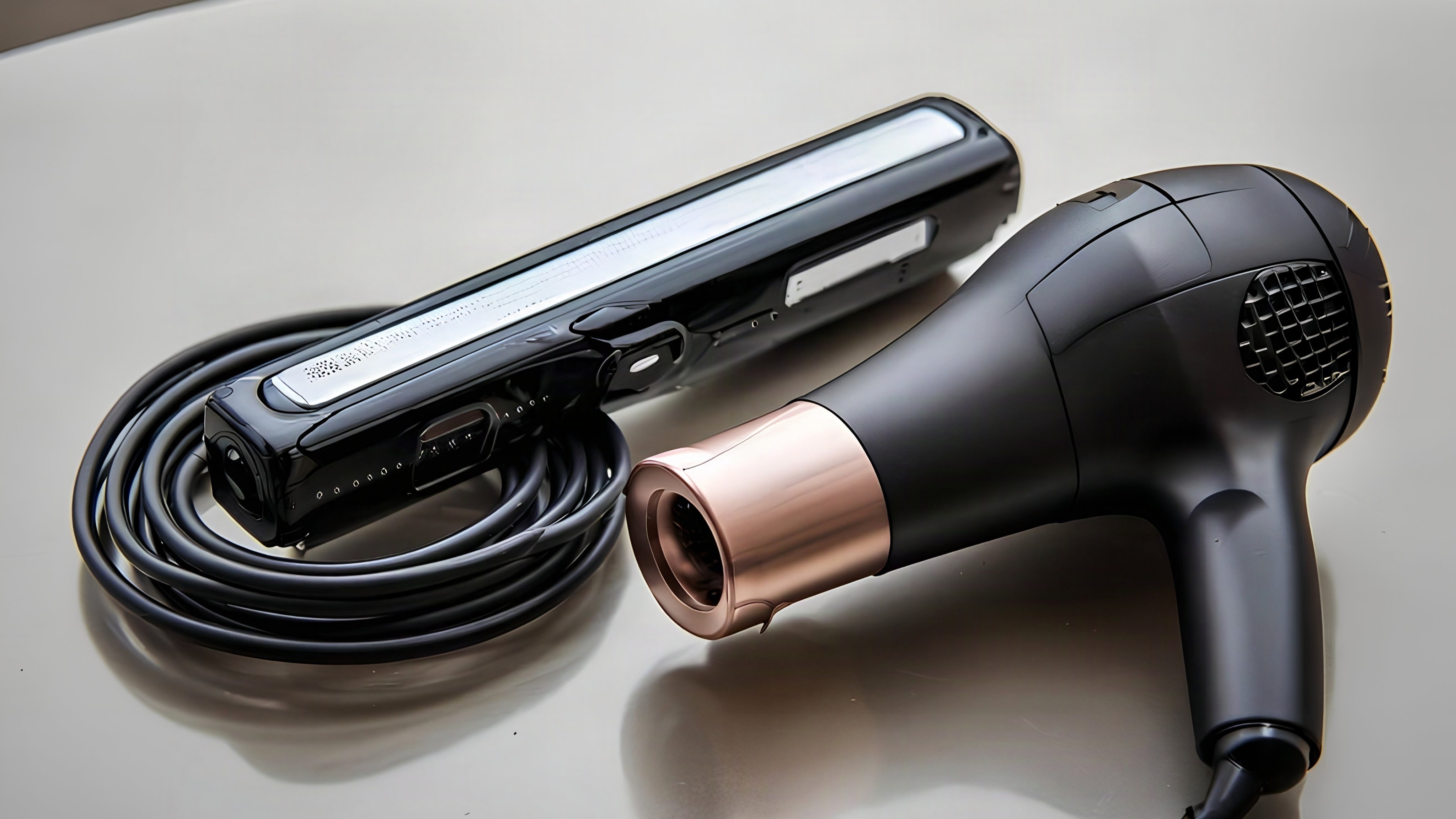
In our country, the choice between ionic and ceramic hair dryers is no longer just a gadget preference, as June to September means living with 70-90% humidity depending on the city. It decides whether your hair survives a five-minute walk to the auto stand or gives up entirely. So, this guide will help you decide between the two.
What Makes Monsoon Frizz So Hard To Control
Frizz isn't really about "messy" hair; it's a structural thing happening at the strand level. Once you understand that, the dryer choice starts making a lot more sense.
1. Humidity And Hair Cuticles
Hair has tiny overlapping cuticle layers, kind of like roof tiles. When humidity is high, these layers absorb water vapour from the air and lift up slightly. That lifted, rough texture is literally what frizz looks and feels like. Straight hair swells, curly hair gets bigger, and both end up looking undone within the hour, no matter how carefully you styled it that morning.
2. Why Monsoon Hair Feels Different From Summer Hair
Summer heat dries hair out, so the frizz there is more about dryness and static. Monsoon frizz works the opposite way; it's caused by excess moisture getting trapped inside strands that are already a little porous. That's also why a dryer built to just blast hot air isn't always the smartest pick between June and September; you need something smarter about how it removes water.
How Ionic Dryers Actually Fight Frizz
Ionic dryers get talked about a lot on beauty forums, but what they're actually doing is fairly simple once you break it down.
1. The Negative Ion Science
An ionic hair dryer releases negative ions that break down water molecules on wet hair into smaller droplets. Smaller droplets evaporate more quickly, so hair dries noticeably less time. Less time under heat generally means less cuticle disruption, which is precisely what keeps frizz down during humid months. It's not magic, it's just faster, gentler evaporation.
2. Where Ionic Dryers Fall Short
They're not perfect for everyone, though. Fine or already-flat hair can sometimes end up looking too smooth, almost limp, since ionic tech works hard at cutting moisture and volume both. If your hair type leans thin, this factor is worth keeping in mind before you buy one purely because everyone online is recommending it.
Also Read: Top 5 Hair Dryers for Curly and Frizz-Free Hair Under ₹2000
How Ceramic Dryers Handle Humidity
Ceramic works on an entirely different principle, and for certain hair types, that difference ends up mattering more than the ionic buzz.
1. Even Heat Distribution Explained
Ceramic dryers use ceramic-coated internals that heat up gradually and release warmth evenly across the barrel. No sudden hot spots, no shocking the hair shaft. That steady heat means the cuticle isn't jolted into lifting, which is one of the main triggers for frizz in the first place. Think of it as a slow, even simmer instead of a quick blast.
2. Best Hair Types For Ceramic Tech
People with thick, curly, or chemically treated hair usually see better results with ceramic. It's gentler, reduces heat damage over repeated use, and does a solid job of taming volume without flattening texture completely. If your hair already has a natural body or curl pattern you want to keep, ceramic tends to respect that better than ionic does.
Ionic vs Ceramic: Which One Wins This Monsoon
There's no single correct answer here; it really comes down to what your hair is doing before you even switch the dryer on.
1. For Frizzy And Curly Hair
If your main issue is volume and unmanageable frizz, especially with curly or wavy textures, ionic dryers are usually the best choice. The faster drying time, paired with the negative ion effect, keeps humidity from re-settling into your strands while you're still styling.
2. For Fine Or Thin Hair
If your hair is fine, thin, or prone to damage, ceramic is likely the better option. The even heat protects strand health over the monsoon stretch, and you won't end up with hair that looks limp by the second half of the day. Some higher-end dryers now combine both technologies, too, so you can enjoy the benefits of each without having to choose.
Why Monsoon Hair Feels Different From Summer Hair
Photo Credit: iStock
Some Hair Dryer Products You May Like
1. HECTOR 2800W Professional Ionic Hair Dryer
2. BBLUNT Pro 1800W Ionic Technology Hair Dryer For Frizz-Free Hair - Black & Purple
3. VEGA 1400-Watt Hair Dryer With Ionic Technology & Cool Shot Button
4. WINSTON WHD-104 Digital Smart Ionic 2000 W Fast Drying Hair Dryer with LED Display
5. NIRVANI 2888 Professional Hair Dryer With Ceramic Plate Hair Straightener
6. Dyson Supersonic Nural Hair Dryer With Heat Control, Ceramic Patina/Topaz
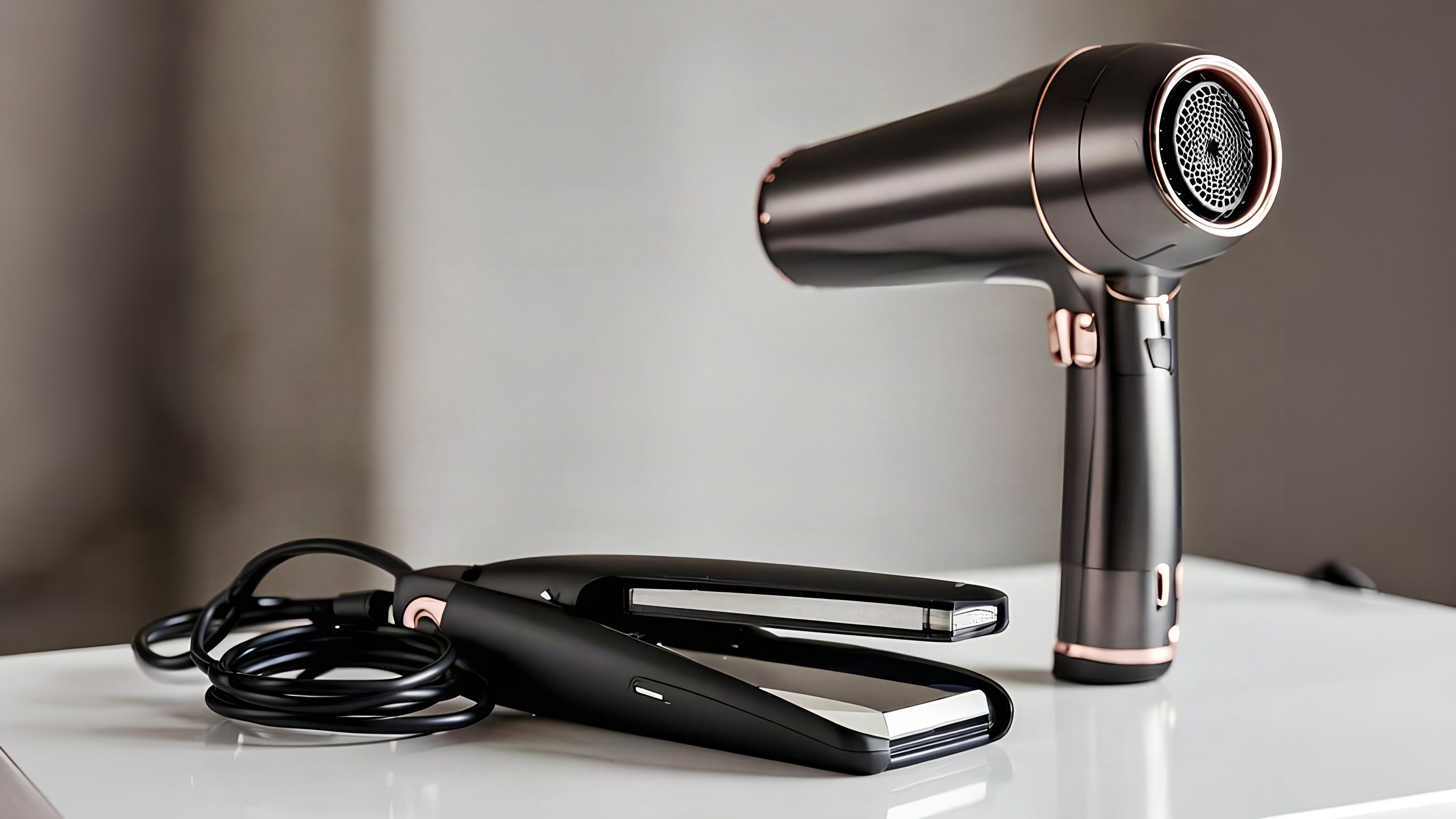
7. Philips Set of Kerashine SilkPro Ceramic Coated Hair Straightener & Essential Care 1200 W Hair Dryer
8. NOVA Set of NHS 870 Ceramic Coated Hair Straightener & NHP 8100/05 Hair Dryer
While both ionic and ceramic hair dryers can help manage monsoon frizz, the better choice depends on your hair type and styling needs. Ionic dryers are often preferred during humid weather because they help reduce static and smooth the hair cuticle, which may result in a sleeker finish with less visible frizz. Ceramic dryers, on the other hand, provide even heat distribution, making them a suitable option for those who want gentler styling and reduced heat damage. If fighting humidity-induced frizz is your main concern, an ionic dryer may have the edge, while a ceramic dryer remains a reliable choice for everyday drying and overall hair health. Ultimately, selecting the right dryer and following a proper hair care routine can help keep your hair looking smooth and manageable throughout the monsoon season.
FAQs
1. Is an ionic dryer particularly damaging for fine hair?
Not bad exactly, but it can make fine hair look flatter than usual since it works quite aggressively at reducing volume along with frizz.
2. Can I use a ceramic dryer every single day during the monsoon?
Yes, that's actually one of its advantages, the even heat makes daily use gentler on hair compared to dryers without ceramic coating.
3. Do ionic dryers really dry hair faster, or is that just marketing?
It's genuinely faster in most cases. The negative ions break water into smaller droplets, so evaporation speeds up noticeably, not just a marketing line.
4. Which one is better for curly hair specifically?
Ionic tends to control frizz faster on curls, though a lot of curly-haired users prefer ceramic for how it preserves natural curl definition.
5. Is it worth buying a dryer with both ionic and ceramic technology?
If your budget allows it, yes. Combo dryers usually balance speed and gentleness better than single-technology models, especially useful across humid and dry months..
(Disclaimer: This article may include references to or features of products and services made available through affiliate marketing campaigns. NDTV Convergence Limited (“NDTV”) strives to maintain editorial independence while participating in such campaigns. NDTV does not assume responsibility for the performance or claims of any featured products or services.)