Block Heel vs Wedge: Which Is Steadier On Wet Festive Floors?
Block heels or wedges for wet festive floors? Compare grip, balance, sole design and comfort to find the steadier option for monsoon celebrations and weddings.
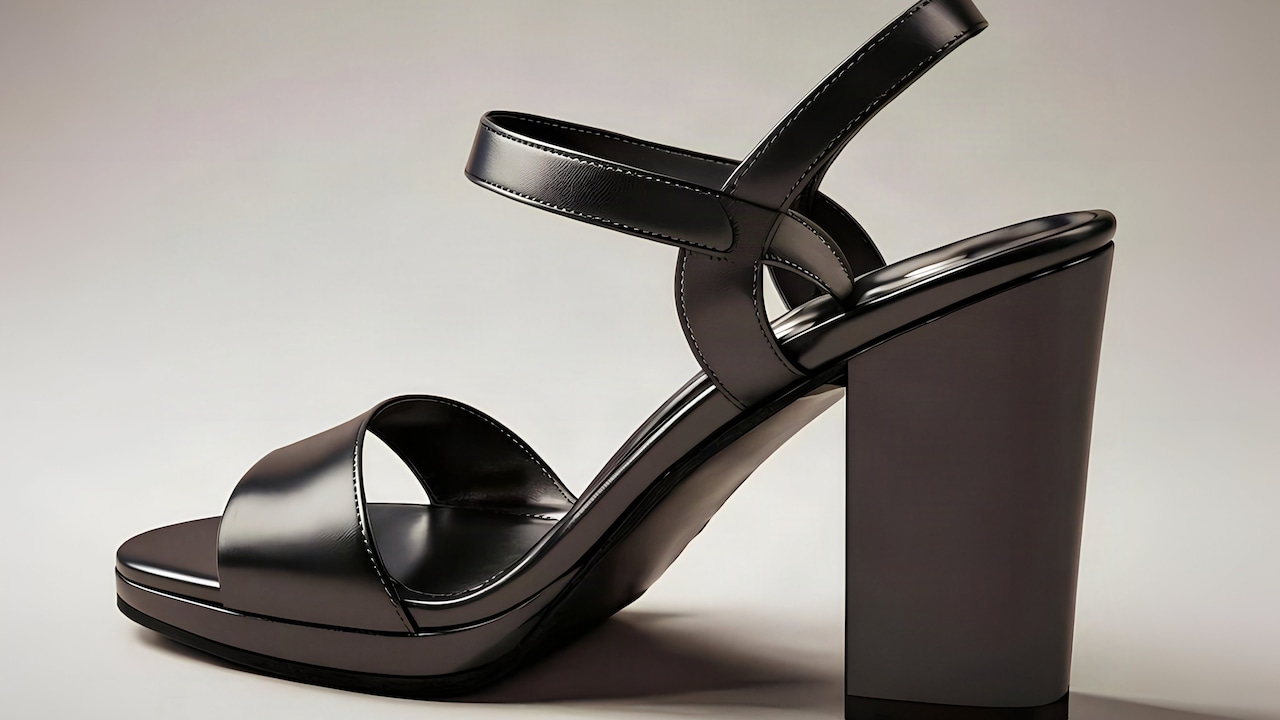
How to make the right choice between block heels vs wedge heels
Festive dressing in India rarely stops at the outfit. From a saree or lehenga to jewellery and the perfect pair of heels, every detail has to work — even when the venue floor has other plans. During the rainy season, polished tiles, marble entrances and damp outdoor pathways can make choosing the right footwear surprisingly tricky.
Block Heel vs Wedge: Which Is Steadier On Wet Festive Floors
Photo Credit: iStock
That brings us to the block heel vs. wedge debate. Both offer more stability than narrow heels, but does one actually have an advantage when festive floors are wet? The answer depends on more than just the shape of the heel. Here's what to consider before picking your pair.
Also Read: Festive Footwear Edit: Discover Styles That Pair Perfectly With Sarees, Suits And More
Why Wet Festive Floors Change The Heel Game
A wet floor can make even a comfortable pair of heels feel unpredictable. Smooth marble and polished tiles are particularly challenging because water can reduce traction between the outsole and the surface.
The construction of the footwear matters here. Wedges provide a continuous base under the foot, while block heels rely on a broad but separate heel. Both designs can be stable, but the outsole material and tread can make a bigger difference than the heel style itself.
For festive occasions, there is another consideration: you may be walking, standing, climbing stairs and moving between indoor and outdoor areas for several hours. So, stability should be judged by the entire shoe rather than the heel alone.
Block Heels Vs Wedges: Which Offers Better Stability?
Block Heels
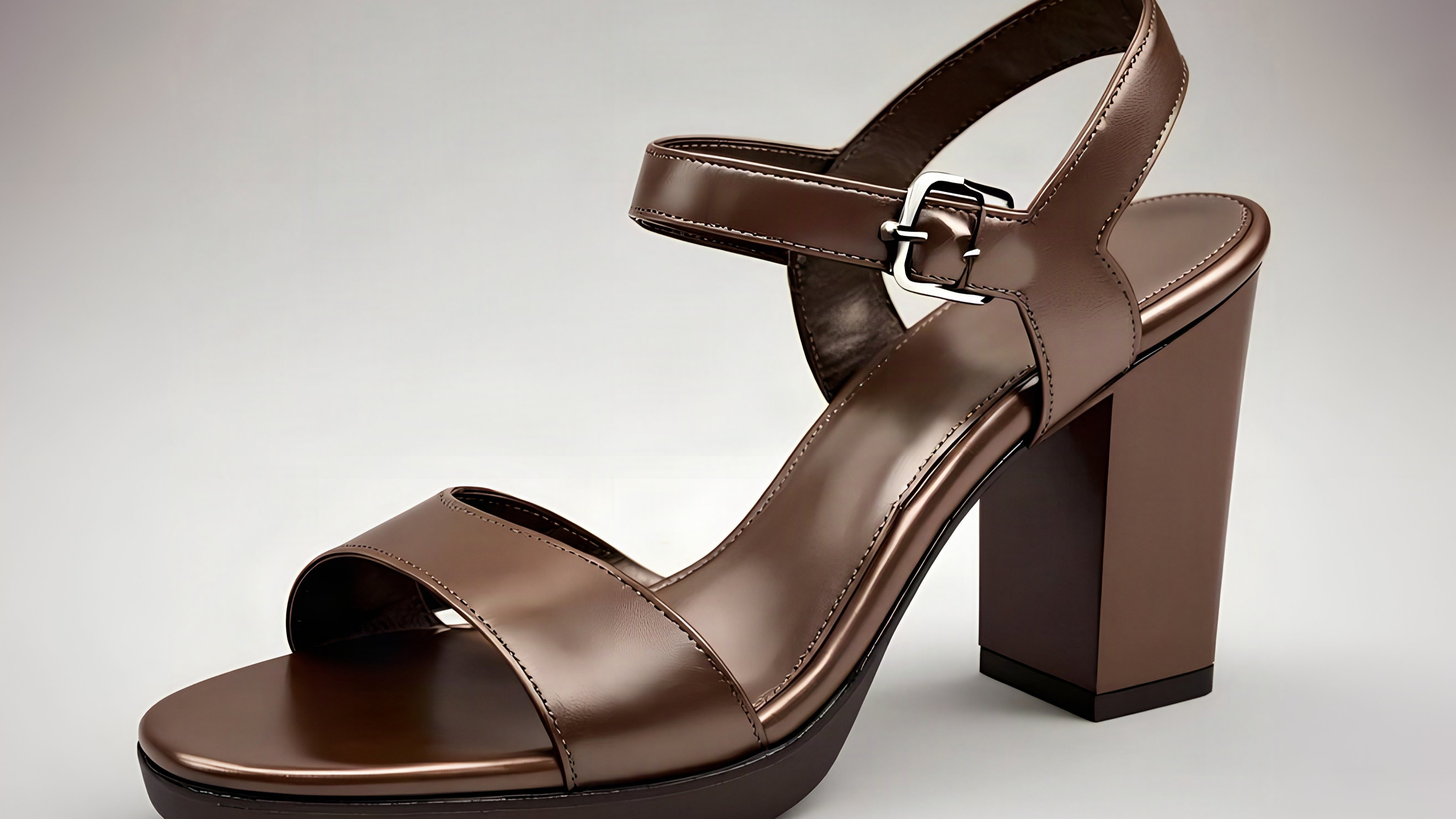
Block heels come with a broad, steady heel part instead of that narrow base you see on stilettos. Because of that, the foot gets a more substantial kind of support and you generally find them noticeably easier to balance in compared to those slimmer styles.
They can be a practical pick for festive occasions, where you still want a more dressed-up silhouette but you don't want to lose too much stability. A lower block heel, especially with a textured rubber outsole, tends to work quite well on smooth indoor surfaces, so you stay comfortable and sure-footed.
Wedges
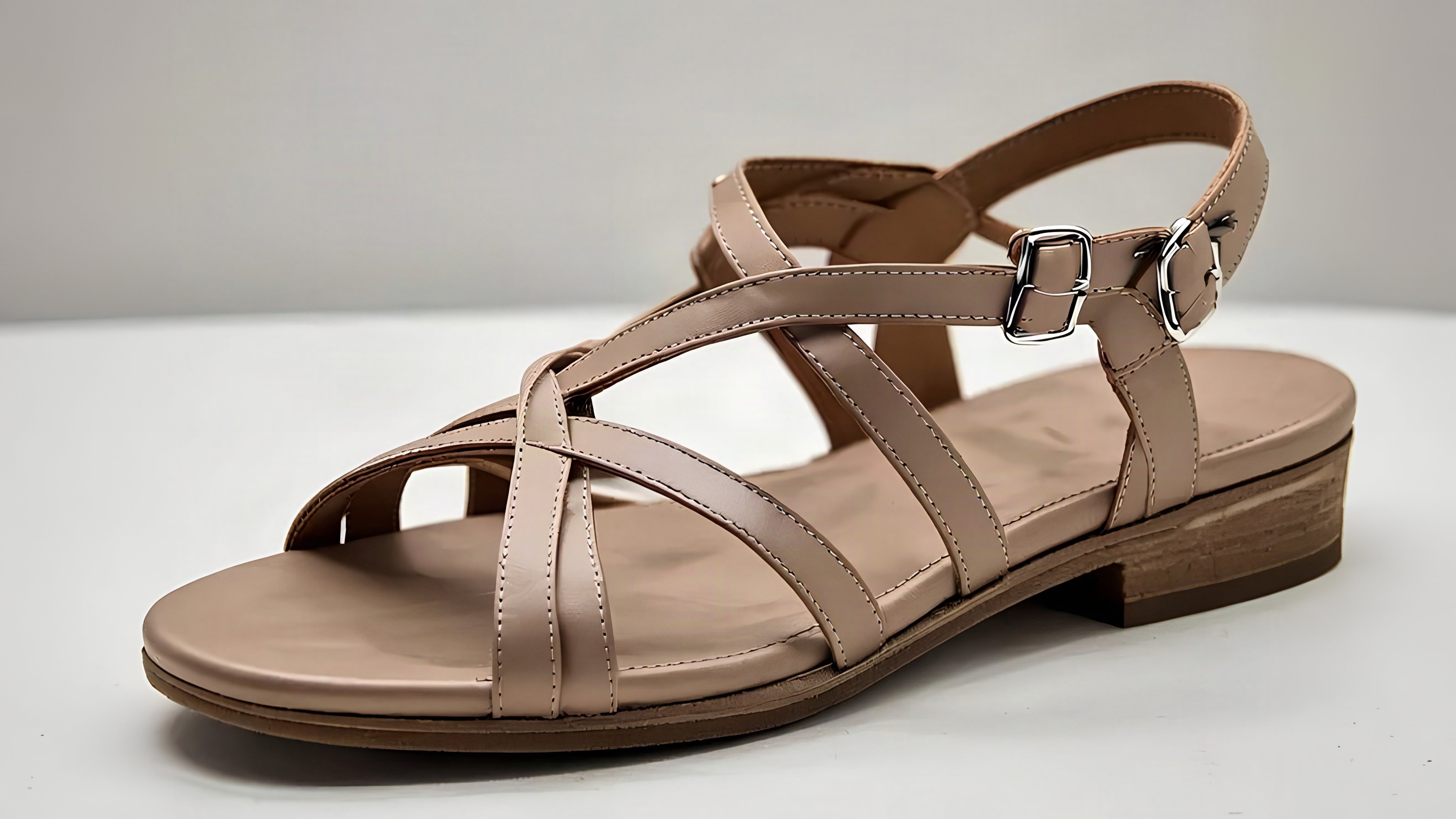
Wedges extend the raised sole from the heel to the front of the foot. Because more of the shoe remains in contact with the ground, body weight is distributed across a larger area, which can make wedges feel particularly steady during prolonged standing.
They can also be useful for outdoor celebrations, where a broad base is less likely to sink into softer ground than a narrow heel. However, a wedge isn't automatically slip-proof — the outsole's material and tread still matter.
What Should You Check Before Wearing Heels To A Festive Event?
Step 1: Check The Outsole
Turn the shoe over before buying it. Try to pick a shoe with a visibly textured outsole, not one that feels totally smooth underneath. A rubber or another traction-orientated material is usually a smarter bet for wet conditions, because the grip stays more reliable than on a flat base.
Step 2: Keep The Heel Height Manageable
The higher the heel, the more demanding it can be to maintain balance. A moderate block heel or lower wedge is usually easier to manage than an extremely high pair for events where you expect to stand and walk for hours.
Step 3: Look For A Secure Fit
Your foot should not slide forward or sideways inside the shoe. Adjustable ankle straps, supportive toe straps and a snug heel counter can help keep the foot more securely positioned while walking.
Step 4: Consider the Venue Surface
Think about where you'll actually be walking. A hotel ballroom with polished marble requires a different approach from a lawn, courtyard or rain-exposed entrance. Wedges can be useful outdoors, while a structured block heel may feel more agile indoors.
Step 5: Avoid Water-Sensitive Materials
Holiday shoes can have decorative fabric, jute, cork and little embellishments that do not really like moisture all that much. For wet festivities, coated synthetic materials or finishes that are easier to wipe clean may be more sensible, even if they look less “romantic”.
Step 6: Test The Shoe Before The Event
Wear the pair at home and walk around for a few minutes. Try turning, climbing a few stairs and standing still. This helps you identify slipping, rubbing or poor balance before you arrive at the celebration.
Step 7: Match The Sole To Your Outfit And Venue
Don't let the outfit dictate the footwear completely. A heavily embellished lehenga may look stunning with delicate heels, but a wet outdoor venue calls for a sole that can handle the conditions. You can still find metallic, embellished and ethnic-inspired designs with practical bases.
Step 8: Keep a Backup Option Handy
If rain is expected, you might want to bring comfortable flats, or maybe some other easy-to-pack pair. This can be really handy when it comes to long wedding functions, where you could end up spending hours moving around between different areas of the venue.
Block Heel Or Wedge: What Works For Different Festive Settings?
For indoor receptions, a low-to-medium block heel can be a polished pick, it just sits right and looks neat. You get that defined lift, but without the wobbly feeling that can come with narrower designs.
For outdoor weddings and lawn functions, wedges can be more convenient because the broader sole is less likely to sink into grass or softer ground.
For wet marble or tiled floors, don't assume either style is automatically safer. Go for a textured, slip-resistant outsole, plus a snug, secure fit. What really shapes traction is often the tread design and the rubber compound, more than whether the shoe is technically a block heel or a wedge-like style.
How To Choose Between Block Heels And Wedges
If your priority is dressy versatility, block heels are often the easier choice. They work naturally with sarees, trousers, dresses and festive Indian outfits while maintaining a more conventional heel profile.
If your priority is long hours and outdoor movement, wedges may feel more supportive because their continuous sole distributes weight across more of the foot.
But for wet floors specifically, the smartest choice is the pair that combines a manageable heel height, secure upper and genuinely grippy outsole. A beautiful heel with a smooth sole is still a risky choice when the floor is damp.
Block Heel vs Wedge: Which Is Steadier On Wet Festive Floors
Photo Credit: iStock
Some Festive Heels You May Like
1. Theatre Women: Twiggy, Mary Jane, Block, Heel
2. Marc Loire Women's Pointed Toe Block Heel
3. JM LOOKS Women's Block Heel Sandal
4. Shoetopia Women Block Heel Sandal
5. SKOLL Wedges Heels Sandals
6. Shoetopia Classy Wedges for Women
7. Mochi Women Wedge Heel Slip-on
8. IKAGI Women's Wedge Heel Sandals
Frequently Asked Questions (FAQs)
1. Are wedges safer than block heels on wet floors?
Not automatically. Wedges can give you that larger base, but really the outsole material and its tread pattern are the ones that matter a lot for grip on wet grounds.
2. Are block heels good for weddings during the monsoon?
Yes, especially those lower block heels with textured or slip-resistant soles. They offer a balance of festive style but also more stability when you're walking around.
3. Which is better for outdoor weddings, block heels or wedges?
Wedges can be more practical on grass or softer ground because their broad sole distributes weight over a larger area.
4. What type of sole is best for wet floors?
Look for a textured, slip-resistant rubber outsole rather than a smooth sole. The tread and material can have a major impact on grip.
5. Can I wear high heels to a festive event during the rainy season?
You can, but lower heels are generally easier to balance in, particularly when you expect wet or slippery surfaces. A secure fit and grippy outsole should take priority over heel height.
(Disclaimer: This article may include references to or features of products and services made available through affiliate marketing campaigns. NDTV Convergence Limited (“NDTV”) strives to maintain editorial independence while participating in such campaigns. NDTV does not assume responsibility for the performance or claims of any featured products or services.)