Diffuser vs Nozzle: Which Attachment Works For Frizzy Monsoon Hair
Are you confused between a diffuser and nozzle for monsoon frizz? Find out which hair dryer attachment truly works for your hair type during humidity.
Diffuser vs Nozzle: Which Attachment Works For Frizzy Monsoon Hair
Monsoon season can quickly ruin all your hard work on your hair. The moment you step outside, humidity creeps in, and your carefully styled hair starts to puff up, frizzy hair, and lose all shape within minutes. If you have naturally wavy, curly, or thick hair, the struggle becomes even more real. Most people reach for their hair dryer but end up using whichever attachment was already clipped on, without really thinking about whether it's actually right for what their hair needs in humid weather. Check these Amazon products for the right choice. Choosing the correct dryer attachment can genuinely change how your hair behaves during monsoon months. The diffuser and the nozzle both serve very different purposes, and understanding the distinction could save your hair from unnecessary damage and frustration.
Diffuser vs. Nozzle: Understanding The Basics; Photo Credit: iStock
Diffuser vs. Nozzle: Understanding The Basics
1. What Is A Diffuser Attachment?
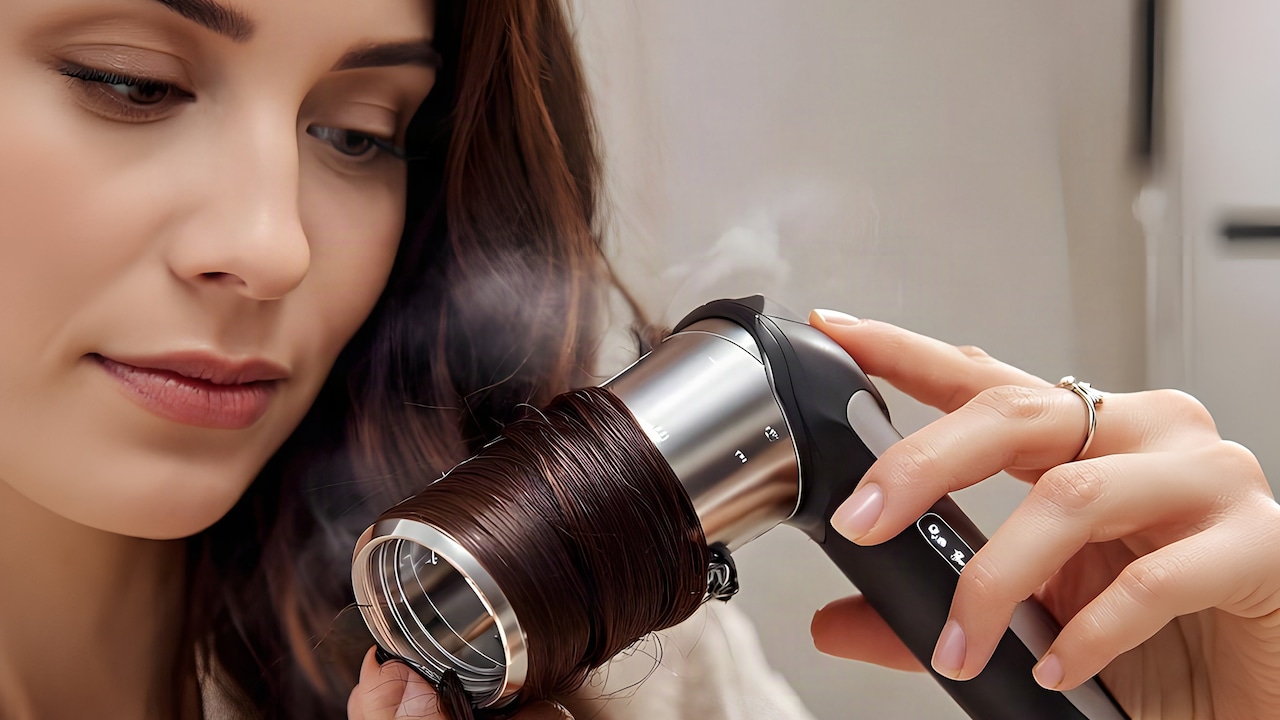
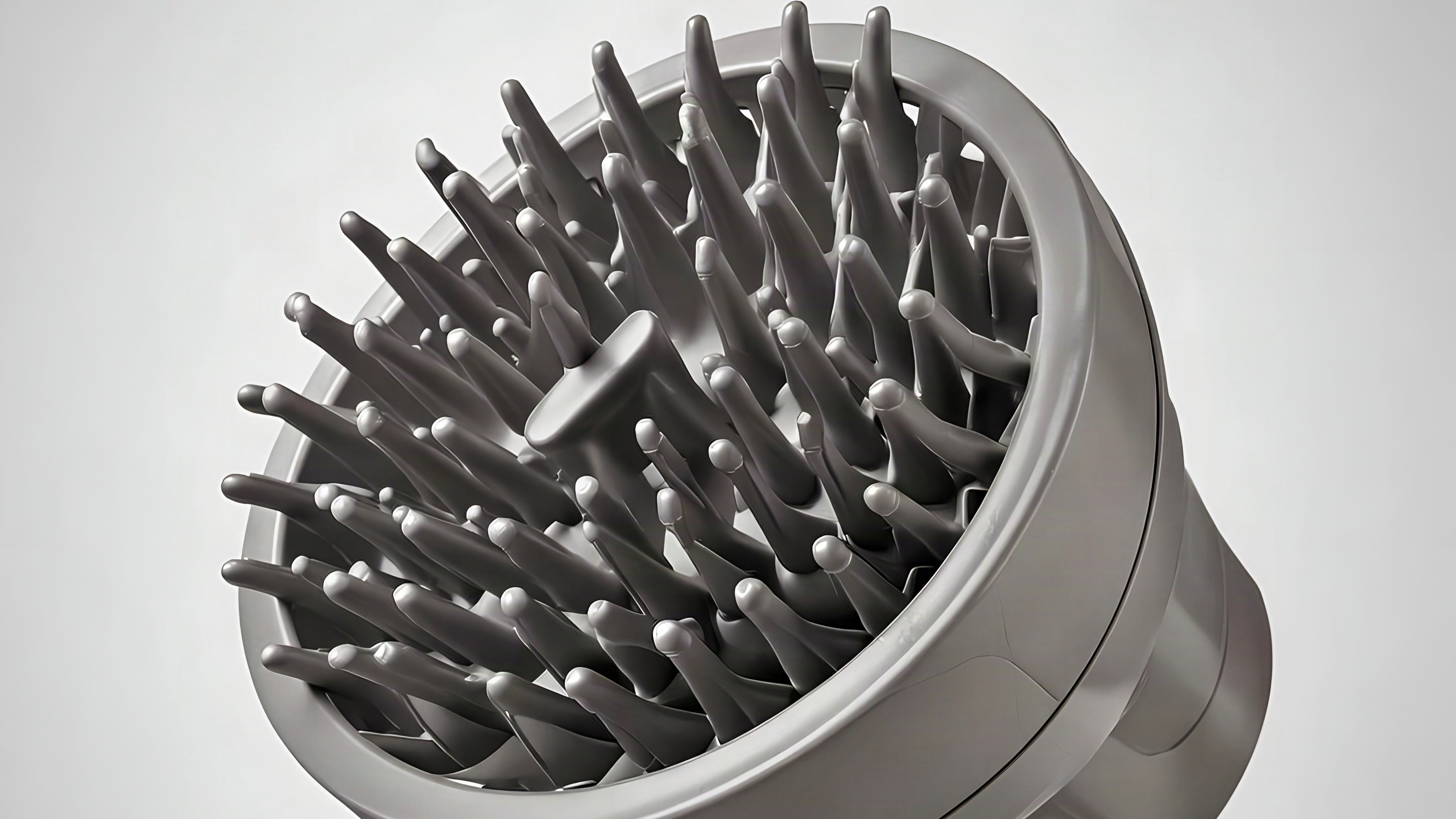
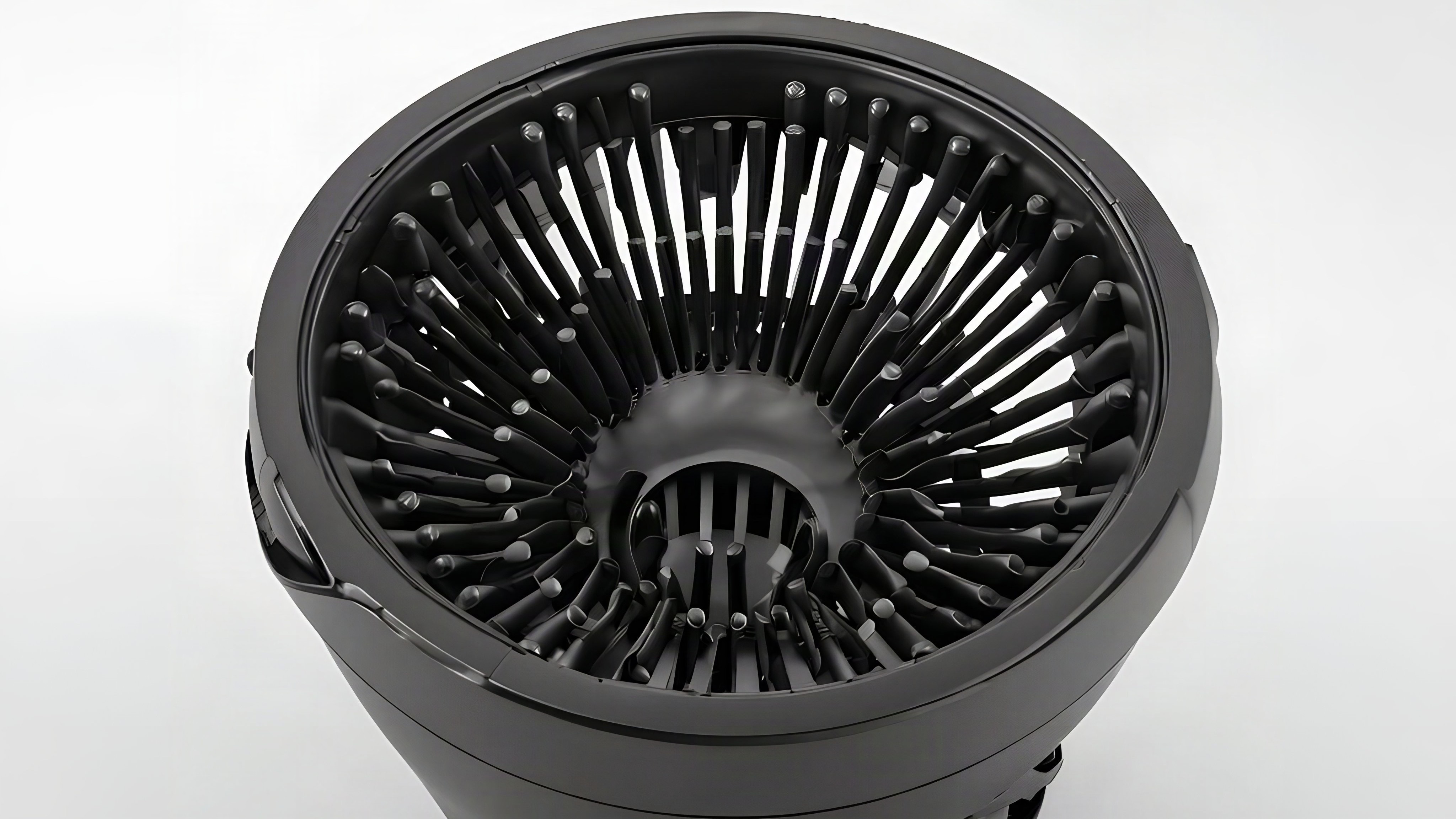
A diffuser is a large, bowl-shaped attachment that distributes the flow of air over a much larger area. It has prongs or fingers to assist in separating and holding individual sections of hair as they dry. The goal is to distribute heat gently, not to blast your hair directly. This slow drying process helps to maintain the natural texture of your hair without disturbing it.
2. What Is A Nozzle Attachment?
A nozzle (sometimes called a concentrator) is the narrow attachment that directs airflow into one focused stream. This gives you control and precision to dry certain areas of your hair. Hairstylists often use nozzles to press the hair down the cuticle, which will help to cut down on flyaways and create a sleek, polished finish.
How Monsoon Humidity Affects Your Hair
1. Why Frizz Gets Worse During Rains
During monsoon season, moisture in the air is extremely high, and hair absorbs that moisture quickly. As water enters the hair shaft, the cuticle swells and lifts, leading to frizz. For people with naturally porous or curly hair, this reaction is far more intense. No amount of serum seems to help once you step out in that humidity.
2. The Role Of Your Dryer Attachment In Managing Frizz
How you dry your hair plays a big role in how it responds to outdoor humidity later. If you seal the cuticle properly during the drying process, your hair holds its shape for longer even in damp air. This is precisely where your choice of attachment starts to matter quite significantly.
Also Read: How To Choose A Hair Dryer Wattage For Thick Indian Hair?
Which Attachment Works Better For Frizzy Monsoon Hair?
1. Diffuser: Best For Curly And Wavy Hair Types
If your hair is naturally curly, wavy, or has a lot of texture, a diffuser is almost certainly the better option during monsoon months. The gentle, dispersed airflow keeps your curl pattern intact and prevents strong direct heat from disrupting it. You can scrunch your hair into the diffuser bowl as you dry, which encourages natural wave formation and minimises frizz from aggressive drying.
The longer drying time also means less heat stress on your hair overall. Minimising heat damage is even more important during monsoon season when your scalp and strands are already exposed to excess moisture and humidity.
2. Nozzle: Best For Straight And Fine Hair Types
For those with straight or fine hair, the nozzle concentrator is the more effective tool. It allows you to direct airflow downward along the hair shaft, which smooths the cuticle and keeps hair looking sleek. This cuticle-sealing action is important in humid weather because flat, closed cuticles resist moisture absorption better, meaning your blowout holds for longer before humidity starts working against it.
Pairing a nozzle with a round brush while blow-drying gives straight hair a smooth, bouncy finish that stays put even in damp conditions.
Tips For Using Each Attachment During Monsoon
1. Getting The Most From Your Diffuser
Always apply a curl-defining cream or anti-humidity serum before you start diffusing. Keep the heat setting on medium rather than high, and work in sections so each part dries thoroughly. Hold the diffuser in place for a few seconds per section before moving on, and try not to disturb the hair while it's still warm.
2. Getting The Most From Your Nozzle
Use a heat protectant spray first, then dry your hair in downward motions to close the cuticle. Finish with a blast of cool air from the nozzle to lock everything in place. A light anti-frizz serum applied after drying can also help shield against outdoor humidity.
Which Attachment Works Better For Frizzy Monsoon Hair?; Photo Credit: iStock
Some Products You May Like
1. Universal Hair Diffuser Attachment
2. Luteti Adjustable Hair Dryer Diffuser
3. Clefairy Hair Dryer Diffuser
4. MAYCREATE® Orchid Hair Diffuser
5. Segolike Universal Collapsible Silicone Hair Dryer Blower Diffuser
6. Hair Dryer Nozzle Attachment
7. Suicune Universal Diffuser for Hair Dryers with Nozzle
8. MAYCREATE® Universal Diffuser Attachment
Managing frizz in the monsoon is all about choosing the right styling tool. A diffuser enhances natural curls and reduces frizz by distributing airflow gently, while a nozzle offers precision for sleek, controlled looks. The best choice depends on your hair type and styling goals. Ultimately, both attachments serve unique purposes — the diffuser for volume and definition, the nozzle for smoothness and polish. Investing in the right attachment ensures your hair stays manageable, stylish, and confident even in humid, rainy weather. Shop now on Amazon.
Frequently Asked Questions (FAQs)
1. Can I use a diffuser on straight hair?
Yes, you can, but it may add volume rather than smoothness. Straight hair generally responds better to a nozzle for a sleek finish, especially in humid weather.
2. Does diffusing damage curly hair?
Diffusing on medium heat is generally safe and far less damaging than using a standard dryer without any attachment on high heat.
3. Which attachment is better for thick hair in monsoon?
Thick hair benefits from a diffuser if it's wavy or curly. If it's naturally straight but dense, a nozzle helps manage it more effectively.
4. Should I air-dry instead during the monsoon?
Air-drying in high humidity can sometimes worsen frizz because hair stays wet for longer, giving moisture more time to swell the cuticle. Using the right attachment and drying quickly is often a better approach.
5. How do I reduce frizz after blow-drying?
Seal your blow-dry with a cool air blast, apply a lightweight anti-humidity serum, and avoid touching your hair too much immediately after drying.
(Disclaimer: This article may include references to or features of products and services made available through affiliate marketing campaigns. NDTV Convergence Limited (“NDTV”) strives to maintain editorial independence while participating in such campaigns. NDTV does not assume responsibility for the performance or claims of any featured products or services.)