How To Style Festive Waves That Last All Night
How to style festive waves that last all night? Get the prep, the barrel size and the cooling step right so your curls hold from the puja to the party.
How To Style Festive Waves That Last All Night
It occurs every year, and you are aware of the precise moment. At six, you curled your hair, which looked fantastic in the mirror. By nine, there is only a slight bend towards the ends. The Diwali celebration you are currently attending began as a puja in the morning, and festive nights are lengthy. All of Myntra's curling wands promise long-lasting waves, and the tool is part of it. However, the majority of the holding power is derived from what you do before and after the barrel, and that part is free. Hair that maintains a wave for eight hours isn't a separate sort of hair. Compared to hair that falls by dinner, it is typically drier, cooler and less brushed. This technique covers the entire process, from the way you wash it in the morning to the final ten minutes before you depart. Here's how to create waves that last through the night.
What Distinguishes Festive Waves From Regular Curls?; Photo Credit: iStock
What Distinguishes Festive Waves From Regular Curls?
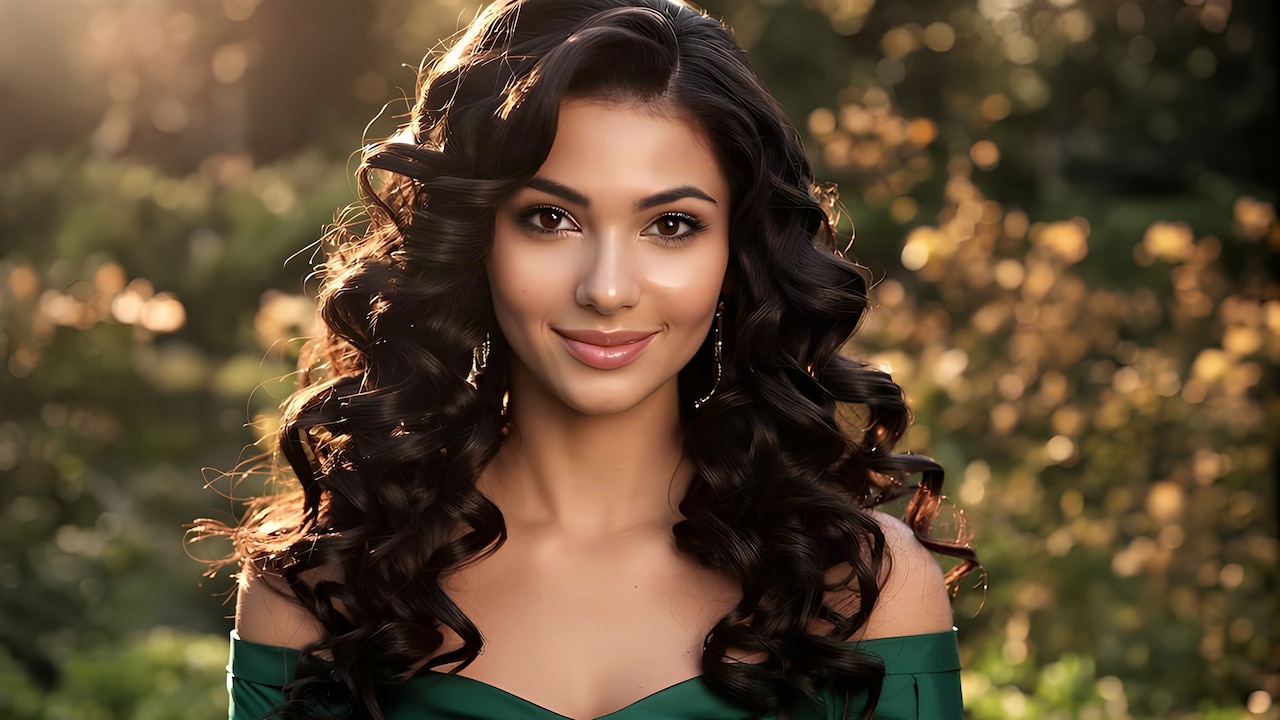
A festive wave must withstand a full day of puja, food and pictures, as well as looking loose and a little unkempt.
Compared to a proper curl, the form is wider. You're looking for a gentle S that begins somewhere below the ear, which typically signifies larger sections of hair and a bigger barrel, perhaps 25 to 32 mm. Because there is greater weight pulling on less structure, tight ringlets from a thin barrel fall more quickly.
There's also the hair jewellery to think about. To prevent competition at the crown, the waves should sit lower and looser when you're wearing a maang tikka, gajra or heavy jhumkas. This technique affects both the beginning and the end of the curl.
Also Read: Top 6 Multi Stylers For Perfect Look Everyday For College
By Mid-Evening, Why Do The Waves Become Flat?
When you let go of the curl, it was almost always still warm.
Instead of when it heats up, hair sets when it cools. A hot curl maintains that shape if you drop it straight down and let it extend under its weight for the next two minutes. Pin them up, then pull them down once you're done with your face.
Moisture is the second factor. A humid October evening ruins the rest of the freshly washed, well-conditioned hair, which is too slick to maintain a bend. That's why the traditional adage about curling day-old hair is more effective than anything you can purchase.
How To Create Long-Lasting Waves
More important than the instrument is the sequence. A costly wand used hastily can be defeated with five minutes of preparation and two minutes of patience at the end.
1. Begin With Dry, Second-Day Hair
Dry hair, with no moisture left at the roots. The wave disappears before you've finished the opposite side, because any moisture inside the barrel turns to vapour.
Clean hair is not as durable as second-day hair. If you have to wash it, leave the top half unconditioned and let it air-dry for an hour before using a wand.
2. Always Use Heat Protection
After lightly misting the ends and mid-lengths, let it dry. The way to make the ends crisp at the end of the season is to use a damp product.
For fine hair, keep the wand between 150 and 180 degrees, and go closer to 200 only if your hair is thick and difficult to curl. Hotter simply means greater harm rather than speed.
3. Change Each Section's Direction
Keep alternating between curling one portion away from your face and the next one towards it. Within an hour, all the waves that you twisted in the same direction will collapse into a single, hefty shape.
Moreover, keep the final two inches out of the barrel. Instead of a set of ringlets, that's what gives you the loose festive wave.
4. Pin Every Curl Until It Cools
After winding the heated curl up against your head, clip it. You can complete your bindi, earrings, and lipstick in the ten minutes that follow.
Remove all of the pins at once, then use your fingers to shake the waves loose. Hence, stylists do this step last, after the makeup and before the saree.
Things You Should Do Before You Begin Curling
Waves drop for plenty of reasons that are unrelated to technique. You can fix two of these issues the night before: your hair and the tool you're holding. The weather outside is the one you cannot control.
Festive days also last longer than you anticipate. A morning puja, a meal at a relative's place, and a party at night are three different humidity levels, and the identical set of waves must pass through all of them.
1. Align The Barrel With Your Length
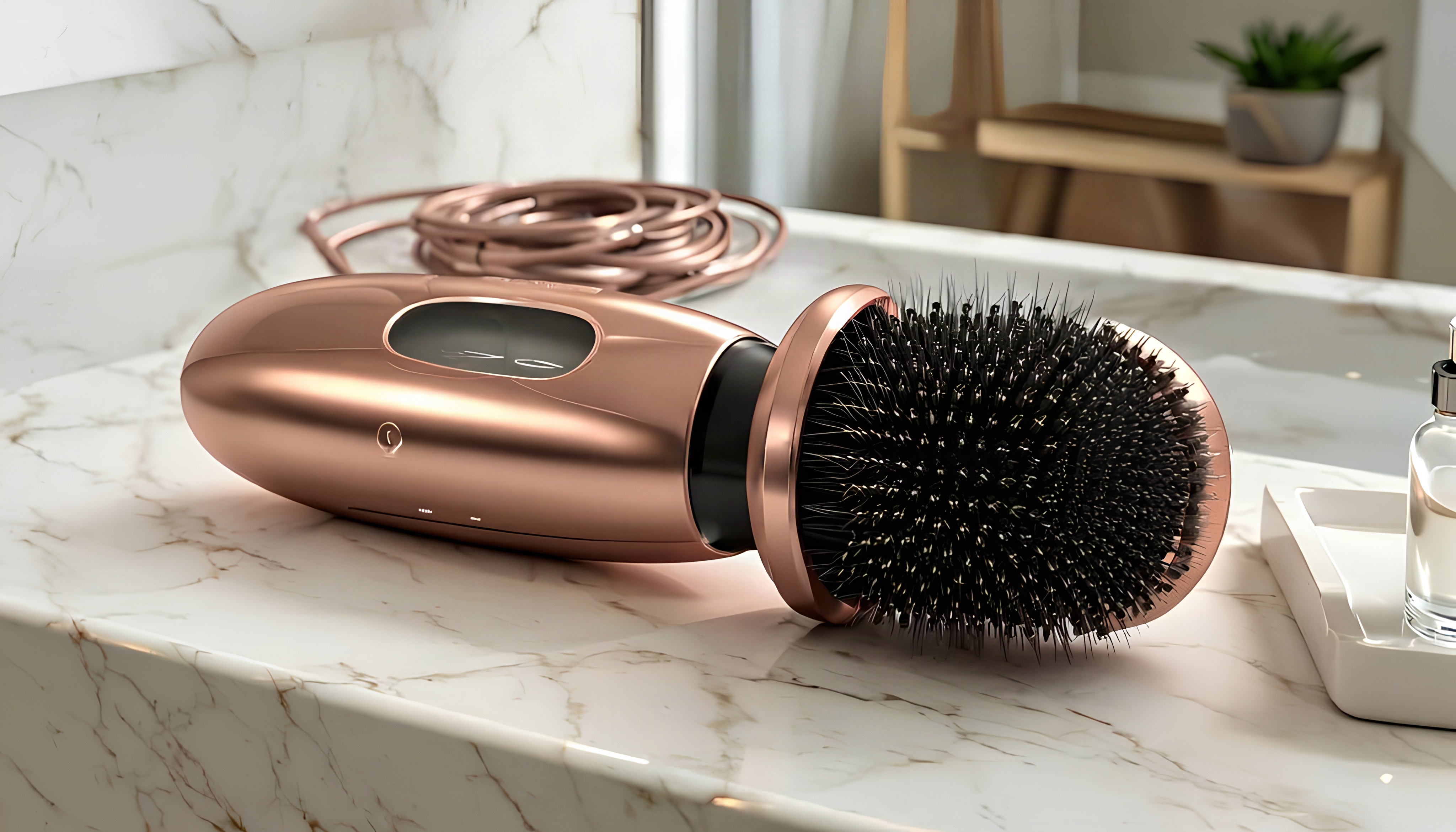
A 19 to 25 mm barrel works well for shoulder-length hair, while a 25 to 32 mm barrel is ideal for hair longer than the shoulder blades. A wand with an adjustable barrel costs less than purchasing two.
If you have trouble with the wrapping action, an automatic curler is worth the investment. The outcome is more uniform, even though it takes longer to complete a whole head of hair.
2. Divide Your Work Into Smaller Sections Than You Assume
Two-inch sections appear effective and hold nothing. The width that actually maintains a bend past midnight is between an inch and an inch and a half.
Start at the nape and clip the upper layers out of the way. If you're short on time, curling just the front parts around your face looks good in pictures.
3. Use A Light Hold Spray To Finish
After the waves have already been shaken out, spray in two passes from a distance of about a foot. The hair stiffens and ceases to move when the can gets closer than that.
After the spray, leave the brush alone completely. When the waves are ready for the night, simply run a wide-tooth comb through the ends.
4. Consider A Heatless Option As Well
There isn't always time for a wand. You may get a gentle wave by morning by twisting damp hair into two braids overnight, and it costs nothing whatsoever.
In a week with four functions, it's also the gentler option. Hair looks exhausted by the time the big night comes because of the daily heat.
So How Do You Keep Them Going Until The Very End?
Bring only three bobby pins. The crown always goes first, around hour six. A dropping wave may be transformed into a purposeful half-up appearance by tucking the front parts back with two pins, and you don't need a mirror for it.
The rule is straightforward for anything else. Avoid touching your hair. The wave gets straighter each time you run your fingers through it, and after the fourth time there's nothing left to pull. Set it, pin it while it cools, spray it once and then leave it alone.
Some Curlers And Styling Tools You May Like; Photo Credit: iStock
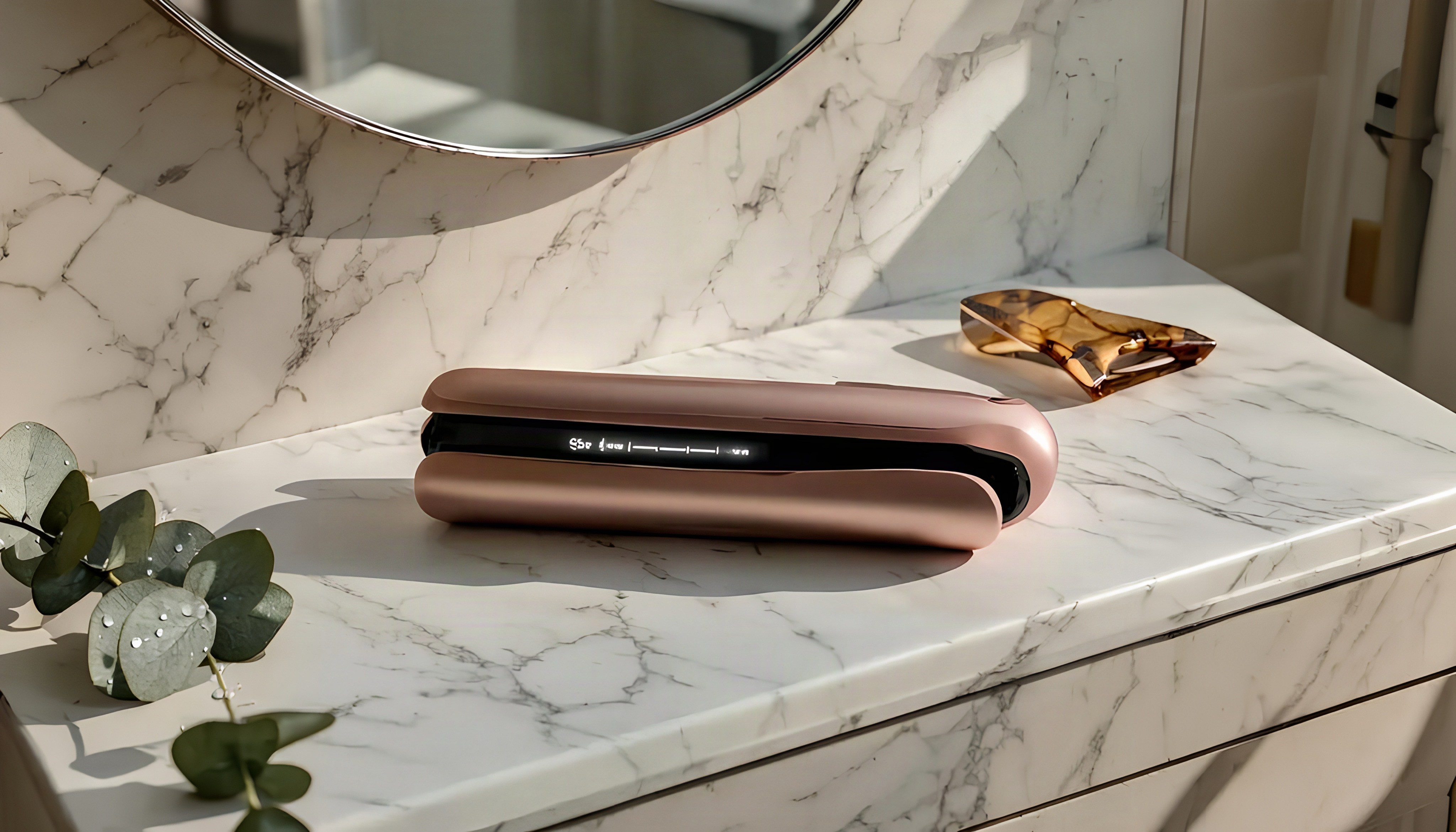
Some Curlers And Styling Tools You May Like
1. Ikonic Professional Hot Wand 2.0 with Advanced Titanium & Auto Button Lock - Black
2. VGR V-596 Professional Ceramic Coating Barrel Curling Wand Iron Hair Curler - Green
3. UltraCare PRO EVA Hair Volumiser & Hair Dryer - Black
4. Ktein Automatic Hair Curler with Adjustable Temperature
5. vng Professional Hair Crimper
6. URBANYOG MakeMeeBold 3-in-1 Hot Air Brush - Black
7. PROFESSIONAL FEEL Electric Hair Curler
8. VEGA Women's GlamCurl Hair Curler with 13-25 mm Barrel with Quick Heatup Technology - VHCH-10
Styling festive waves that last all night is all about prep, technique, and the right hold. Use heat protectant, a good curling tool, and a light hairspray to lock your waves. With these simple tricks, your glamorous festive waves will stay bouncy, defined, and picture-perfect from evening to late-night celebrations. Shop now on Myntra.
Frequently Asked Questions (FAQs)
1. How long do festive waves usually last?
Six to eight hours on dry, second-day hair that was pinned while it cooled. Freshly washed hair often drops within two or three hours.
2. What barrel size gives the best festive waves?
For a loose festive wave, use a barrel size of around 25 to 32 mm. Smaller barrels create tighter curls that lose their shape faster on long, heavy hair.
3. Can I curl my hair without heat?
Yes. Damp hair braided or wrapped overnight gives a soft wave by morning, which suits a daytime puja better than a late evening party.
4. Should I curl before or after wearing my saree?
After draping, if you can manage it. Pulling a saree over finished waves flattens the crown, which is the first part to drop anyway.
5. Does hairspray make waves look stiff?
Only if you spray too close. Hold the can a foot away, use two light passes, and shake the waves out with your fingers afterwards.
(Disclaimer: This article may include references to or features of products and services made available through affiliate marketing campaigns. NDTV Convergence Limited (“NDTV”) strives to maintain editorial independence while participating in such campaigns. NDTV does not assume responsibility for the performance or claims of any featured products or services.)