How To Stay Energised Through Navratri Fasting?
Learn how to stay energised through Navratri fasting with better hydration, vrat-friendly foods, smart snacks, balanced meals, sleep and easy daily habits.
How To Stay Energised Through Navratri Fasting?
Navratri brings a different kind of energy into the house. There are morning prayers, pujas, fasting, family gatherings and, in many cities, late nights filled with garba and dandiya. But after a few days, the same routine can also leave you feeling tired, hungry and a little low on energy. If you're fasting and still need to manage work, travel, household duties or festive plans, feeling drained can become quite frustrating. The good news is, you don't have to choose between observing your vrat and staying active. A few simple changes in what and when you eat can make a noticeable difference. So how do you stay energised during Navratri fasting without complicating your meals? From keeping yourself hydrated to pairing vrat-friendly carbohydrates with protein, here are some easy habits that can help.
Start With Hydration, Not Just Food
Start With Hydration, Not Just Food
When you're fasting, it becomes all too simple to focus completely on what you're allowed to eat and forget about water. Yet dehydration can quickly show up as tiredness, headaches or dizziness, especially when the weather is still warm in many parts of the country.
1. Keep Water Close Throughout The Day
Don't wait until you're thirsty before drinking water. Keep a bottle near you while working, travelling or doing puja, and take small sips on a regular basis.
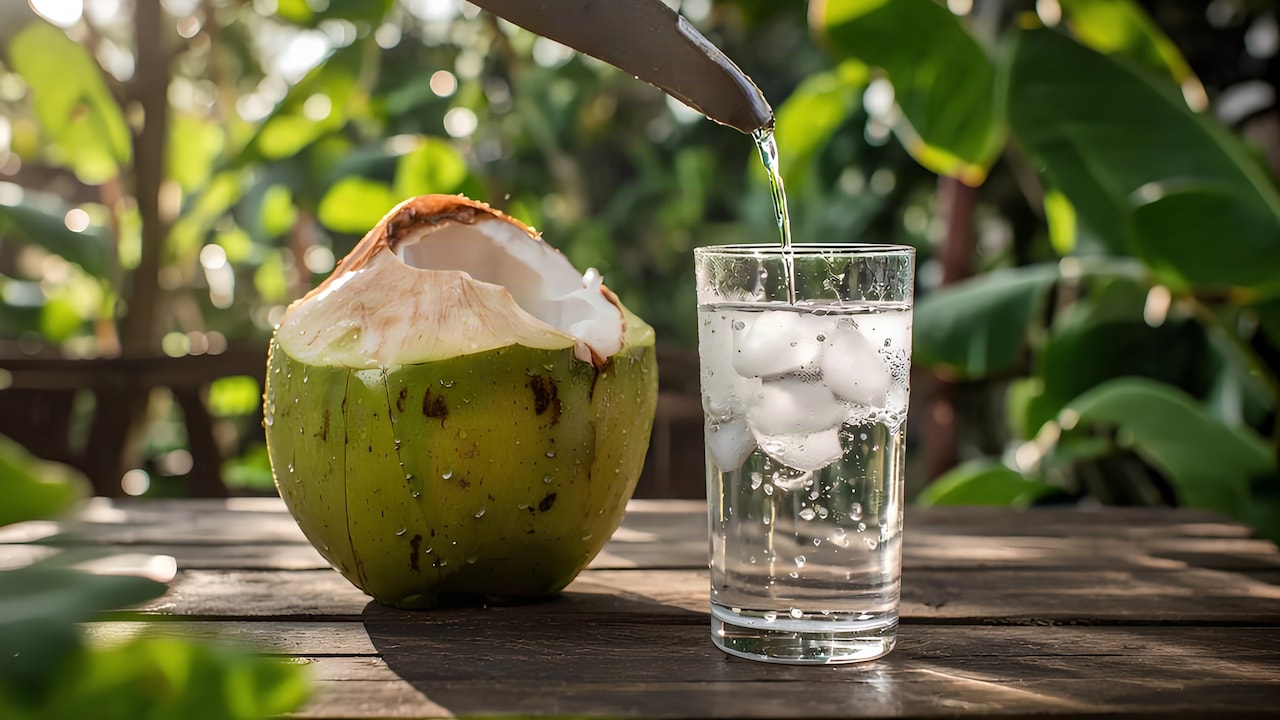
If plain water feels boring, you can add lemon or a few mint leaves for some flavour. Coconut water can also be included when it fits your fasting rules. This becomes especially useful after a long day or an evening of garba, when you may have lost more fluids through sweating.
2. Don't Ignore Electrolytes
Water is important, but long fasting hours combined with sweating can also affect your electrolyte balance. Sodium, potassium, and magnesium are involved in maintaining normal electrolyte balance, so feeling weak or crampy should not simply be brushed aside.
If your vrat permits it, coconut water, curd, fruits such as bananas and a moderate amount of sendha namak can fit into your meals. You don't need to keep adding salt to everything, though. Just make sure you're not cutting it down too much unless your doctor has specifically advised you to do so.
Also Read: Chaitra Navratri Prasad Guide: Daily Bhog Ideas For All 9 Devi Forms
Build Meals That Actually Keep You Full
A plate of only potatoes or sabudana may taste comforting, but it may not keep your energy steady for a very long time. Fasting meals work better when you combine different types of foods rather than depending on one single ingredient.
1. Pair Carbs With Protein
Sabudana, potatoes and other vrat-friendly foods can give you carbohydrates, but adding some protein makes the meal more balanced. Curd, paneer, milk, peanuts and nuts can be useful options for many people who are observing a regular fruit-and-food-based fast.
2. Choose Vrat-Friendly Carbs That Suit You
You don't have to completely avoid carbohydrates to stay energetic during Navratri. Kuttu, singhara, samak rice and sabudana are commonly used during fasting and can provide energy when included in a sensible way.
Kuttu can be used for rotis or cheelas, while samak rice works well in khichdi or pulao-style preparations. Sweet potatoes and boiled potatoes are also practical choices. The main thing is how you prepare them. Deep-frying every meal can leave you feeling heavy rather than energised.
Make Your Snacks Work For You
Hunger between meals is pretty normal during a fast, particularly when you're following a busy festive schedule. Instead of reaching for fried vrat snacks every time, keep a few simpler choices ready.
1. Use Fruits For Quick Energy
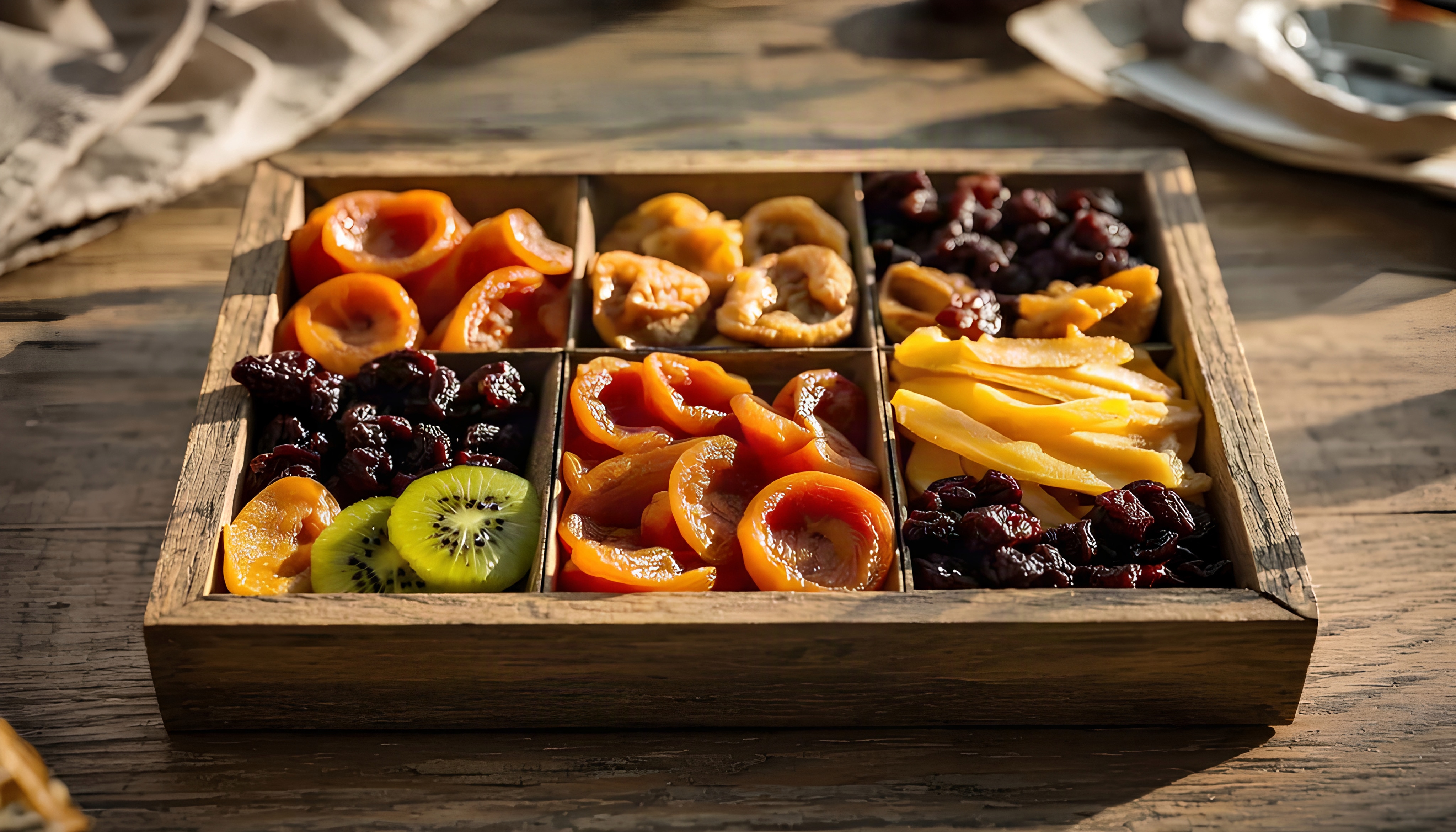
Fruits can be an easy way to add natural carbohydrates, fibre, vitamins and fluids into your fasting routine. Bananas, apples, papaya, pomegranate and oranges are some simple choices which don't need any cooking.
2. Keep Makhana And Nuts Handy
Roasted makhana is one of those snacks that can easily fit into a Navratri kitchen. It is light, crunchy and convenient to carry around, while almonds and walnuts provide fats, protein and other nutrients that can make a small snack more satisfying.
Don't Let Festive Nights Drain You
Food isn't the only reason you may feel drained during Navratri. Late-night garba, early morning rituals and packed workdays can reduce your sleep, while heavy fried food can make you feel sluggish.
1. Go Easy On Fried Vrat Foods
Sabudana vada, kuttu pakoras and puris are part of the festive food experience, and there's nothing wrong with enjoying them occasionally. The problem comes when almost every fasting meal turns into something deep-fried.
Try roasted, steamed, boiled or lightly cooked versions more often. You can still have festive food without making every meal very oily.
2. Protect Your Sleep And Listen To Your Body
Try to get enough sleep whenever your schedule allows for it. And if you're feeling unusually dizzy, fragile or unwell, don't try to push through it just because you're observing a fast. Fasting practices differ from person to person, and people with medical conditions may need individual advice before changing their diet or fasting routine.
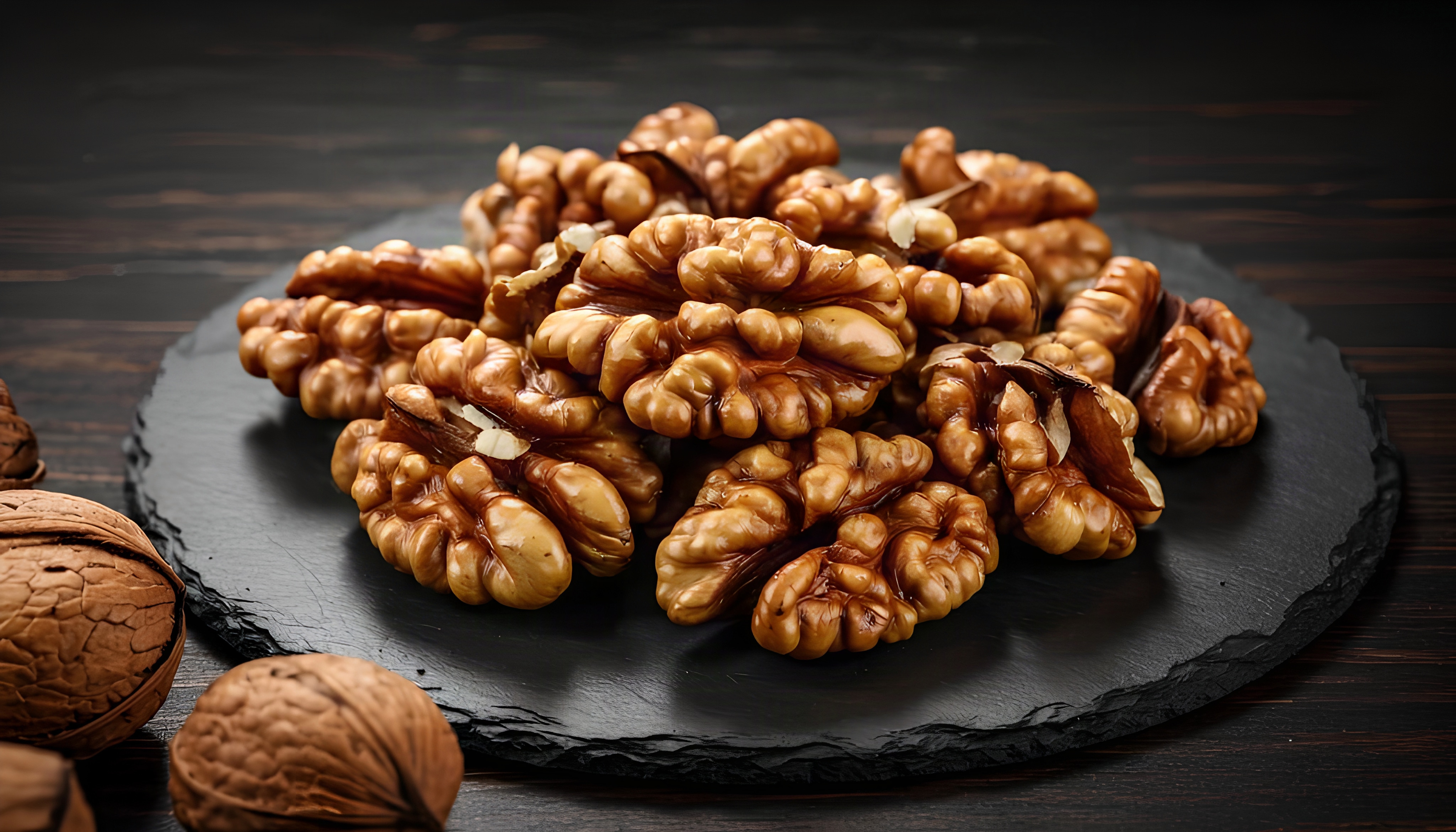
Some Navratri Fasting Products You May Like; Photo Credit: iStock
Some Navratri Fasting Products You May Like
1. Rajbhog Fox Nuts (Phool Makhana), 250g Pack
2. Amazon Brand - Vedaka Tapioca Sago (Sabudana) Medium, 1 Kg
3. Farmley Roasted & Flavoured Makhana, Himalayan Salted
4. Aashirvaad Himalayan Pink Salt, Pure Sendha Namak, 1 Kg
5. Mr Nuttz Australian Almonds 200g Pouch
6. Happilo Deluxe Kashmiri Walnut Kernels, 200g
7. Storia Tender Coconut Water, No Added Sugar - 1000 ml PET Bottle
8. Jiwa 30 Degree Amaranth Flour, Rajgira Atta, 1 Kg
Staying energised during Navratri fasting is all about smart eating and hydration. Include fruits, nuts, dairy, and plenty of water, take short rests, and avoid fried foods. With balanced vrat meals and mindful habits, you can stay active, spiritual, and full of energy throughout the nine divine days. Shop now on Amazon.
Frequently Asked Questions (FAQs)
1. Why do I feel tired during Navratri fasting?
Fasting can make a person lethargic due to reasons such as dehydration, less protein intake, unbalanced nutritional intake, low salt/electrolytes and lack of proper rest. Balanced meals and fluid intake may help overcome this problem.
2. What should I eat during Navratri fasting for energy?
Fruits, makhana, nuts, curd, paneer, kuttu, singhara and samak rice are some options to consider depending upon your fasting protocol. You need to consume food items that contain carbohydrates, plus protein or fat.
3. Can I drink coconut water while fasting?
Coconut water is usually part of most fasting diets, as it helps with hydration. Your consumption can depend on your fasting rules.
4. Is sabudana beneficial for staying energetic during a fast?
Sabudana contains carbohydrates and can be a great source of energy, but it is recommended to take sabudana with foods such as peanuts or curd.
5. How can I avoid weakness during Navratri fasting?
Drink plenty of water, have small and balanced meals, include fruits and proteins in your diet, avoid deep frying every dish and get proper rest. If weakness is frequent, contact a healthcare provider.
(Disclaimer: This article may include references to or features of products and services made available through affiliate marketing campaigns. NDTV Convergence Limited (“NDTV”) strives to maintain editorial independence while participating in such campaigns. NDTV does not assume responsibility for the performance or claims of any featured products or services.)