Tempered Glass vs. Screen Guard: Which Protects Better In Daily Use
Tempered glass or a screen guard which protects your phone better? Compare durability, touch response, cost, and longevity to choose the right option.
Tempered Glass Vs Screen Guard: Which Protects Better In Daily Use
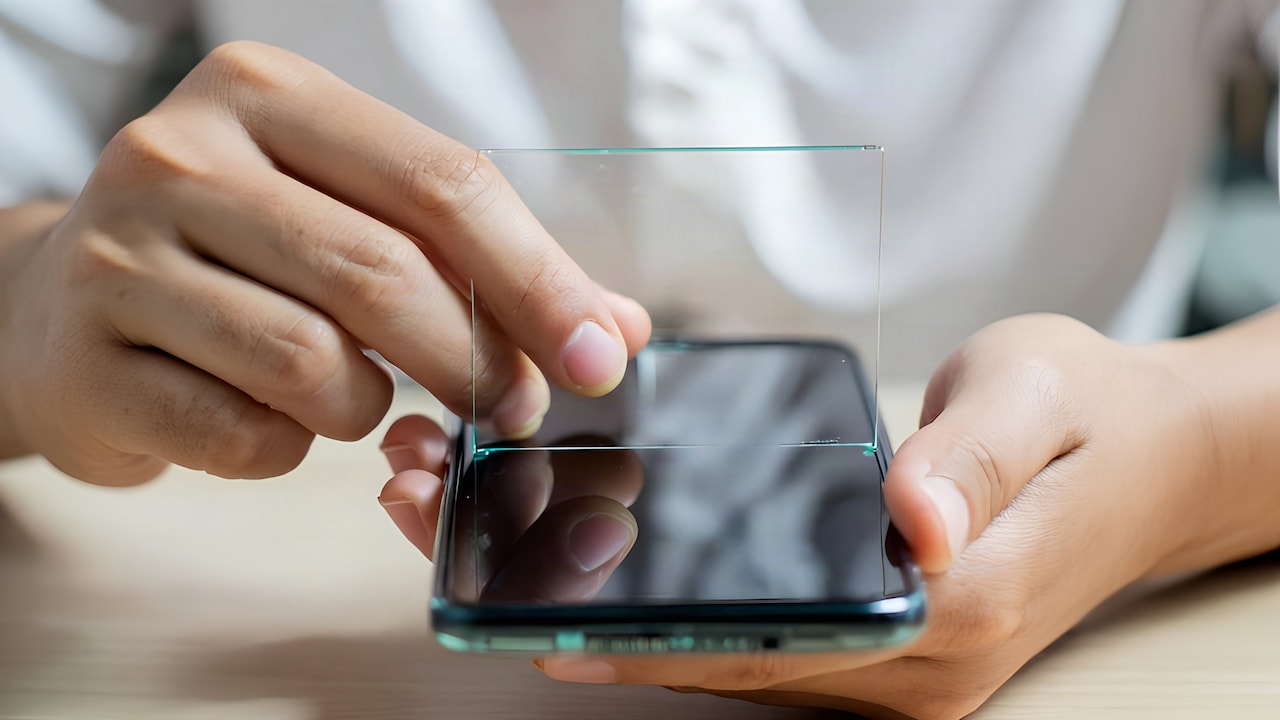
Every smartphone owner knows the feeling of panic when the phone slips from their hand. Whether it's a quick fumble while getting out of the car or an accidental drop from the home sofa, protecting your screen has become just as important as choosing the phone itself. That is why the debate between tempered glass and a screen guard continues. Both promise to keep your display safe, but they work differently and suit different needs. If you're wondering which one offers better protection for daily use, this guide breaks down the differences, pros, and limitations to help you make the right choice.
Tempered Glass Vs Screen Guard: Which Protects Better In Daily Use; Photo Credit: iStock
What Is The Difference Between Tempered Glass And A Screen Guard?
Although both things are basically there to protect your phone's display, they're made in different ways and in opposite ways too.
A screen guard is commonly made with plastic materials, such as PET or TPU. It mostly helps with scratches, fingerprints, and those little scuffs you get day to day. It stays thin and kind of flexible, which is what you usually want.
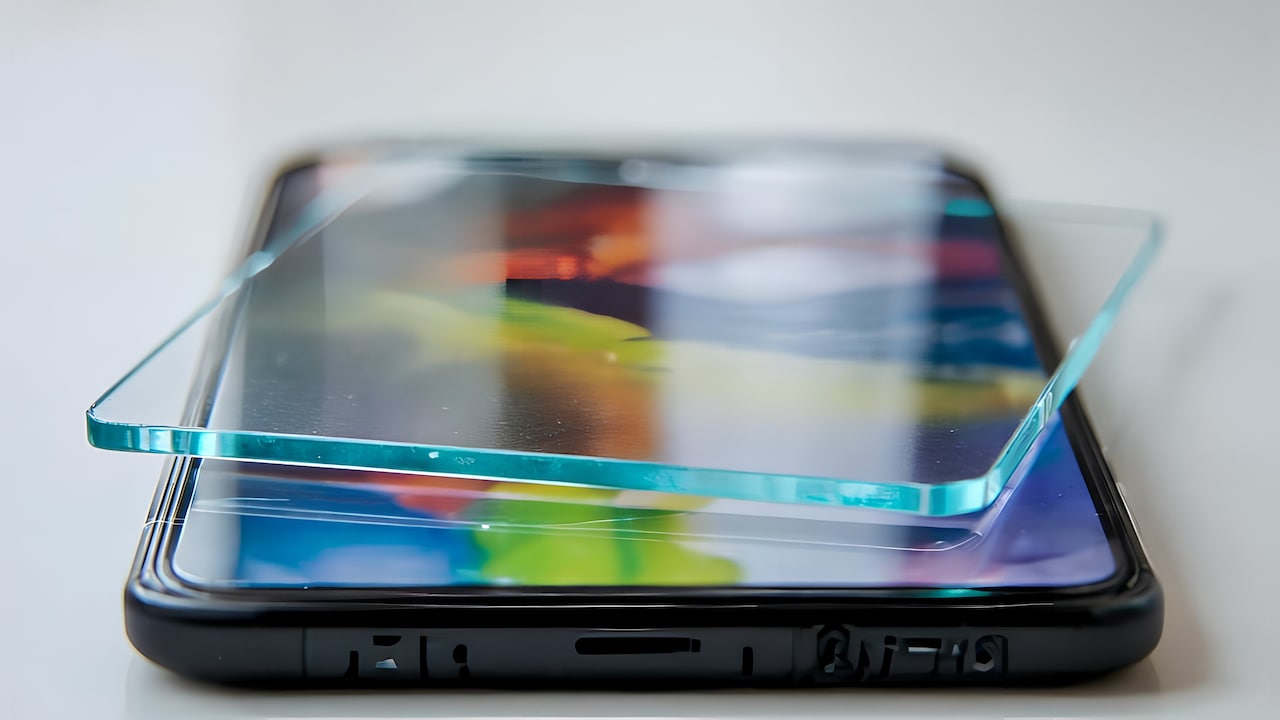
Tempered glass is different. It's made from treated glass, stronger than regular glass. So yes, it blocks scratches, but it also absorbs impact when you drop the phone by mistake. That can lower the odds of your display cracking.
Also Read: Top 5 Tempered Glass Guards To Keep Your Screen Protected under ₹300
Which One Protects Better Against Drops?
If your biggest concern is accidental drops, tempered glass is the clear winner.
It has a thicker build, more like a sacrificial layer, so it takes the impact first before it even reaches your phone display. In many cases, the tempered glass ends up cracking instead, while the actual screen stays good and intact.
Meanwhile, a normal plastic screen guard gives very little in terms of shock absorption. It can help stop scratches from keys or coins, but it doesn't really guard the display when you have a serious fall.
How Do They Compare In Everyday Use?
Daily usage involves much more than accidental drops. Finger swipes, outdoor visibility, gaming, and cleaning all play a role in choosing the right screen protector.
1. Consider Your Daily Routine
If you're constantly commuting, travelling around, or using your phone outdoors, well then there's a higher chance for accidental drops, especially if you're juggling keys, bags, and everything else.
Tempered glass gives more solid protection in those moments. And if you're the type who keeps your phone mostly on a desk, or you handle it pretty carefully inside, then a plastic screen guard can still be enough for basic scratch protection, just to keep things looking clean.
2. Think About Touch Sensitivity
Modern tempered glass protectors are designed to mimic the original display closely, delivering smooth scrolling and responsive touch performance.
Plastic screen guards can sometimes feel slightly rubbery, especially older PET versions, though premium TPU protectors have improved significantly.
3. Check Scratch Resistance
Over time, keys, coins, and rough surfaces can end up leaving little visible marks on your phone.
Tempered glass is pretty tough against scratches and usually stays clearer for longer. Plastic screen guards tend to pick up fine scuffs faster, so visibility gets worse after a while of everyday use.
4. Compare Installation Experience
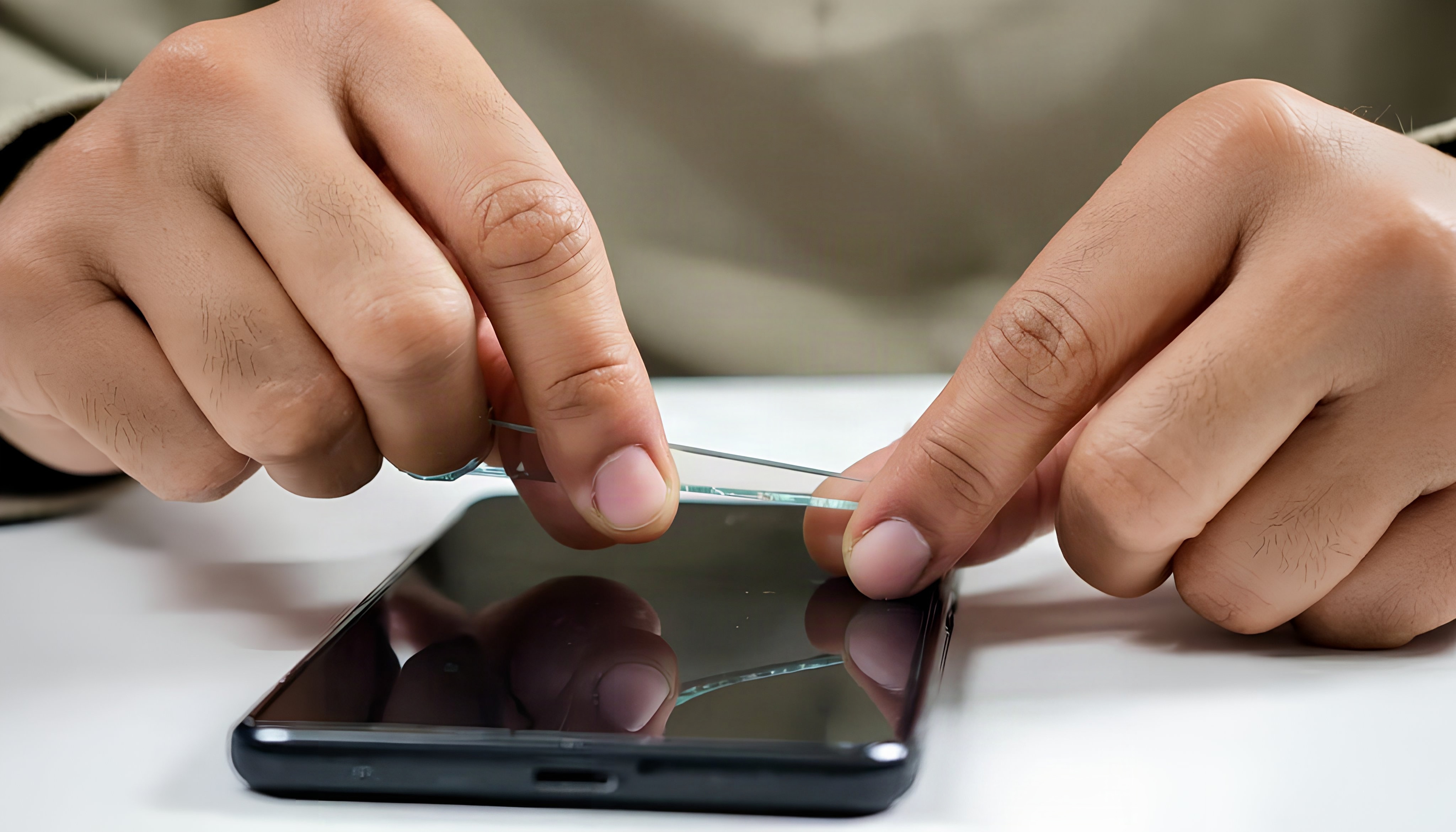
Installing tempered glass has become easier thanks to alignment frames included with many newer products.
Plastic screen guards require careful application and are more likely to trap air bubbles or develop lifting around the edges if not applied correctly.
Is Tempered Glass Always The Better Choice?
Not necessarily; it depends on what you care about most.
If your goal is top protection when it drops onto rugged surfaces, then tempered glass is usually worth paying a bit more for.
But if you like a super-thin skin that keeps the phone feeling more original, and you mostly care about scratch protection, then a solid TPU screen guard can still be a really reasonable choice.
Which Option Offers Better Value For Money?
The price difference between the two has become much smaller over the years.
Well, not necessarily; your choice depends on what you care about more. If you go for a quality tempered glass protector, it usually costs more, yet it tends to last longer and gives stronger safeguarding, so in the long run it feels like the smarter play for most users.
Whereas screen guards are the cheaper route, especially for people who swap them often or who prefer to block scuffs and scratches instead of dealing with impact damage.
1. Compare Replacement Costs
Replacing a tempered glass protector after it cracks is inexpensive compared to replacing an entire smartphone display.
A damaged screen guard also needs replacement, but it might not have stopped the costly screen damage during that big drop.
2. Consider Device Compatibility
Tempered glass is available for most smartphones, tablets, and even smartwatches; in fact, you can find it for almost any device that has a screen.
But phones that have really highly curved displays can have limited tempered glass options, so in that situation flexible TPU protectors are often the more reliable fit, not always, but usually.
3. Think About Long-Term Clarity
Tempered glass generally stays transparent for a longer period and resists yellowing.
Plastic screen guards can become slightly foggy or scratched over time, especially after months of daily use.
4. Match Protection To Your Lifestyle
Frequent travellers, students, gamers, and people with active lifestyles usually benefit more from tempered glass.
If your phone almost never leaves the desk or you're just hunting for some straightforward, scratch protection, a screen guard can still end up being a pretty reasonable option.
Which Should You Choose?
For most people, tempered glass offers better everyday protection. It combines excellent scratch resistance, better touch experience, improved clarity, and significantly stronger impact protection than a standard plastic screen guard.
A screen guard is still a good option if you prefer a thinner protector, have a curved-display phone, or primarily need protection against scuff marks. In the end, the right pick is mostly about how you handle your phone day to day, and what kind of protection, like impact or only scratches, you expect.
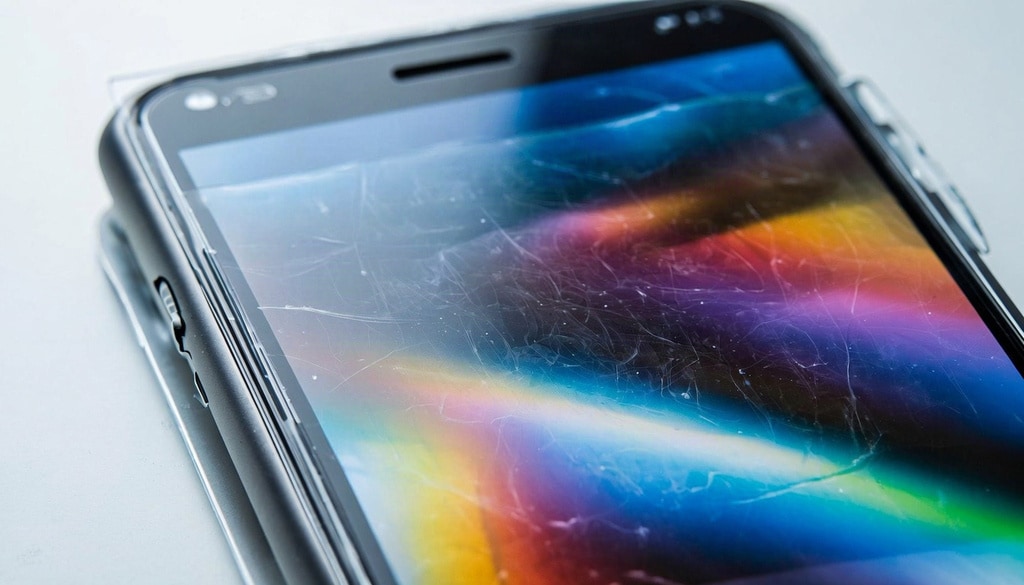
Tempered Glass Vs Screen Guard: Which Protects Better In Daily Use; Photo Credit: iStock
Top Screen Protector Options To Consider
1. Lensarmor Borderless Screen Protector
2. Mr. Shield Top-Notch True Privacy Tempered Glass Screen Protector
3. YMHML Premium Tempered Glass Screen Protector
4. Salvodor Borderless Tempered Screen Protector
5. POPIO Acrylic Screen Guard
6. Supershieldz NeoGuard HD+ Tempered Glass Screen Protector Guard
7. Affix 2 Pack Full Coverage Screen Protector Guard
8. Amazon Brand - Solimo Acrylic Screen Guard
Each guard here handles a different priority, whether that is hardness, clarity, or how easy it is to install. Screen repairs are never cheap, so spending a little now on the right guard tends to pay off later. Take a look at these on Amazon and see which one matches your phone and how you actually use it. Shop now on Amazon
Frequently Asked Questions (FAQs)
1. Which is better, tempered glass or a screen guard?
Tempered glass usually gives better protection because it resists scratches a lot more, and it soaks up the shock from accidental drops more effectively than a plastic screen guard does.
2. Does tempered glass affect touch sensitivity?
Most modern tempered glass protectors keep that crisp touch responsiveness going and generally feel pretty close, like almost the same as the original phone display. You still get that smooth, responsive movement, just with an extra layer of shield on top.
3. Is a screen guard enough for everyday use?
A screen guard is okay if your main worry is mostly stopping scratches. However, it provides only minimal protection against drops and impacts, so it may not be very effective in those situations.
4. How often should I replace a tempered glass protector?
Replace it if it develops cracks, chips, or deep scratches, or if it starts lifting from the edges, as these reduce its protective ability.
5. Can I use a phone without any screen protector?
Yes, but doing so leaves the display more vulnerable to scratches and accidental damage, especially during everyday use. Shop now on Amazon.
(Disclaimer: This article may include references to or features of products and services made available through affiliate marketing campaigns. NDTV Convergence Limited (“NDTV”) strives to maintain editorial independence while participating in such campaigns. NDTV does not assume responsibility for the performance or claims of any featured products or services.)