How To Stop Sofa Covers From Moving On Leather: 10 Fixes For Grip, Tucking And Sizing
Keep sofa covers from slipping on leather with 10 practical fixes. Learn how better grip, secure tucking, correct sizing, foam inserts and elastic straps can keep your cover neat and firmly in place.
10 Ways To Stop Sofa Covers Slipping On Leather Sofas
A freshly arranged sofa set can look wonderfully polished for about five minutes. Then somebody sits down with a cup of chai, gets up again, and suddenly half the fabric has migrated towards the floor. On a leather sofa, this little domestic drama happens far more often because the smooth surface offers hardly any friction. Leather also behaves differently from woven upholstery. Fabric covers cannot cling to it naturally, while deep seats, rounded arms and reclining sections can make matters worse. Loose covers tend to gather near the backrest, pull away from the arms, or form uncomfortable folds beneath the legs. Fortunately, constant straightening is not part of the deal. A few simple changes can keep the cover where it should be while preserving the sofa's comfort and appearance. Some solutions improve friction, others deal with excess fabric, and several work best when combined. Here are ten reliable ways to stop sofa covers from moving on leather.

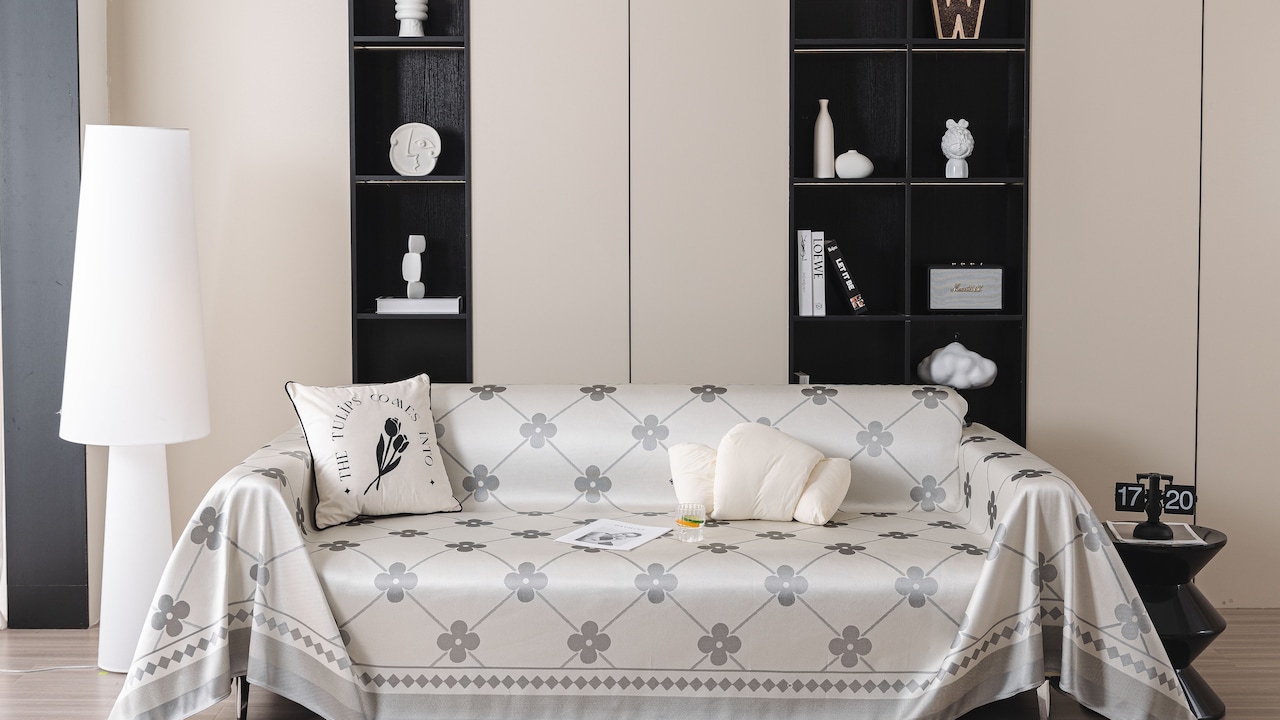
10 Ways To Stop Sofa Covers Slipping On Leather Sofas; Photo Credit: Pexels
10 Practical Ways To Keep Sofa Covers From Slipping On Leather
1. Place A Non-Slip Rug Pad Under The Cover
One of the simplest fixes starts with something normally found under carpets. A thin non-slip rug pad placed between the leather and the sofa cover creates extra friction, giving slippery fabric something to hold onto.
Choose a lightweight mesh or rubberised pad rather than a thick carpet underlay. Cut it slightly smaller than the seat area so that none of it shows around the edges. Once the cover goes back on, the extra grip can dramatically reduce forward sliding.
This approach works particularly well on smooth leather seats where the cover shifts every time someone stands up. It is also useful when children treat the sofa like unofficial playground equipment during the evening.
Avoid very sticky materials or products that could react with the leather finish. A breathable, removable grip layer is safer and easier to clean. Test a small hidden section first, especially on delicate or premium leather.
For many homes, this inexpensive adjustment solves most of the problem without changing the appearance of the sofa at all.
Also Read: Style Your Space Smartly: Sofa Covers Under ₹699 On Amazon
2. Use Foam Tuck Inserts In The Sofa Gaps
Sometimes the problem is not a lack of grip but a lack of anchoring. If the sofa has gaps between the seat cushions, backrest, and arms, use them to secure excess fabric.
Foam tuck inserts are long, narrow pieces that push the sofa cover deep into these crevices. They hold the material down and stop it from pulling out whenever somebody changes position.
Specialised inserts are available, but clean upholstery foam can also work. The trick is to push the fabric firmly into the gap first, then press the foam down on top of it. The insert should sit deep enough to stay hidden.
This solution suits stretch covers particularly well. Without anchoring, elastic fabric often tries to return to its original shape and gradually works its way out of the gaps.
Check the inserts every few weeks because repeated sitting can loosen them. If they keep popping out, slightly thicker foam may provide a better hold.
Think of these inserts as quiet little anchors. Nobody sees them, yet they can save several rounds of sofa straightening each day.
3. Choose A Cover That Matches The Sofa Size Properly
A cover can have excellent elastic and plenty of grip, yet still slide constantly if the size is wrong.
An oversized cover leaves too much fabric around the seat and arms. That extra material bunches together and moves whenever someone sits down. A cover that is too small creates the opposite problem. Constant tension pulls the fabric away from corners and encourages it to spring out of tucked areas.
Measure the sofa before buying. Record the full width, seat depth, back height and arm width. For sectional or L-shaped seating, measure each section rather than relying on an overall estimate.
Do not assume that labels such as "three-seater" guarantee a good fit. One three-seater may have slim arms and compact cushions while another has the proportions of a small railway platform.
Stretch covers offer some flexibility, but they still perform best within their recommended measurements.
If an existing cover slips constantly despite every clever trick, sizing may be the real culprit. Correcting the fit often does more than adding another layer of clips, straps or improvised fasteners.

10 Ways To Stop Sofa Covers Slipping On Leather Sofas; Photo Credit: Pexels
4. Add Anti-Slip Shelf Liner To High-Movement Areas
Non-slip shelf liner can provide another discreet layer of friction between leather and fabric. The textured material is commonly used inside drawers and kitchen cabinets, but small sections can work surprisingly well beneath sofa covers.
Focus on areas that move most. The centre of the seat, front edge and armrests usually experience the greatest pressure. There is no need to cover the entire sofa.
Cut the liner into manageable sections and place them flat on the leather before fitting the cover. Smooth out any folds because raised edges may become noticeable when sitting.
Choose a breathable liner without strong adhesive. Some sticky plastics may leave marks or affect certain leather finishes, particularly during hot weather. Testing an unseen area first remains sensible.
This method is especially handy for households that already have a reasonably well-fitting cover but need a little more resistance.
It also costs far less than replacing the cover. A modest roll may cost only a few hundred rupees, depending on size and quality, making it an appealing experiment before moving towards more elaborate solutions.
5. Secure The Cover With Elastic Straps
Elastic straps tackle sofa-cover movement from underneath rather than from above. They connect opposite edges of the cover below the sofa and maintain gentle tension across the fabric.
Many fitted covers already include straps. If yours does, check that they are attached correctly and tightened evenly. A loose strap on one side can create an annoying cycle where one corner stays perfect while another keeps escaping.
Aftermarket upholstery straps can also help. Attach them only to suitable fabric edges or loops, never directly to leather. The tension should feel secure without pulling the cover so tightly that seams begin to strain.
This method works particularly well for covers that ride upwards along the front of the sofa. The straps hold the lower edges in place, making the entire arrangement more stable.
Be careful around reclining mechanisms or sofa beds. Straps should never cross moving metal parts.
Once adjusted properly, elastic supports are almost invisible. That is part of their charm. The sofa looks neat, the cover stays put, and nobody needs to know about the small engineering project happening underneath.
6. Tuck Excess Fabric More Strategically
Tucking sounds obvious, yet random stuffing rarely works for long. The fabric needs to be distributed before it goes into the gaps.
Start by centring the cover across the sofa. Smooth the seat section first, then work towards the arms and backrest. Pulling everything tight from one corner usually shifts the problem somewhere else.
Next, gather excess fabric evenly and push it deep into the creases between the seat and back cushions. Do the same along the inner edges of the arms. A wooden spoon with a smooth handle can help reach narrow gaps, although anything sharp should stay well away from both leather and fabric.
Leave a small amount of ease in the seating area. If the surface feels stretched like a drum before anyone sits down, movement will pull the tucked fabric straight back out.
Strategic tucking works best when combined with foam inserts or a non-slip layer beneath the cover.
The goal is not to make the fabric impossibly tight. It is to give excess material a sensible place to sit rather than allowing it to travel around the sofa all evening.
7. Try A Stretch Sofa Cover With Better Elasticity
Loose throws can look relaxed and stylish, but they are naturally more likely to move on leather. If constant slipping has become irritating, a fitted stretch cover may offer a more dependable solution.
Stretch covers usually contain elastane or similar fibres that allow the fabric to wrap around the sofa's shape. Elasticated lower edges help hold the cover underneath, while separate pieces for cushions can reduce bunching.
Fabric quality matters, though. Very thin stretch material may lose tension after repeated washing. Look for a dense weave, reinforced seams and strong elastic around the base.
Texture also makes a difference. Ribbed, jacquard or slightly raised fabrics often grip better than silky, flat materials.
Choose the size carefully and pay attention to the sofa's design. A conventional fitted cover may suit a standard three-seater beautifully but struggle on wide recliner arms or unusually deep cushions.
A good stretch cover should feel fitted rather than strained. When the proportions are right, it moves with the sofa instead of fighting against it. That alone can make daily maintenance noticeably easier.
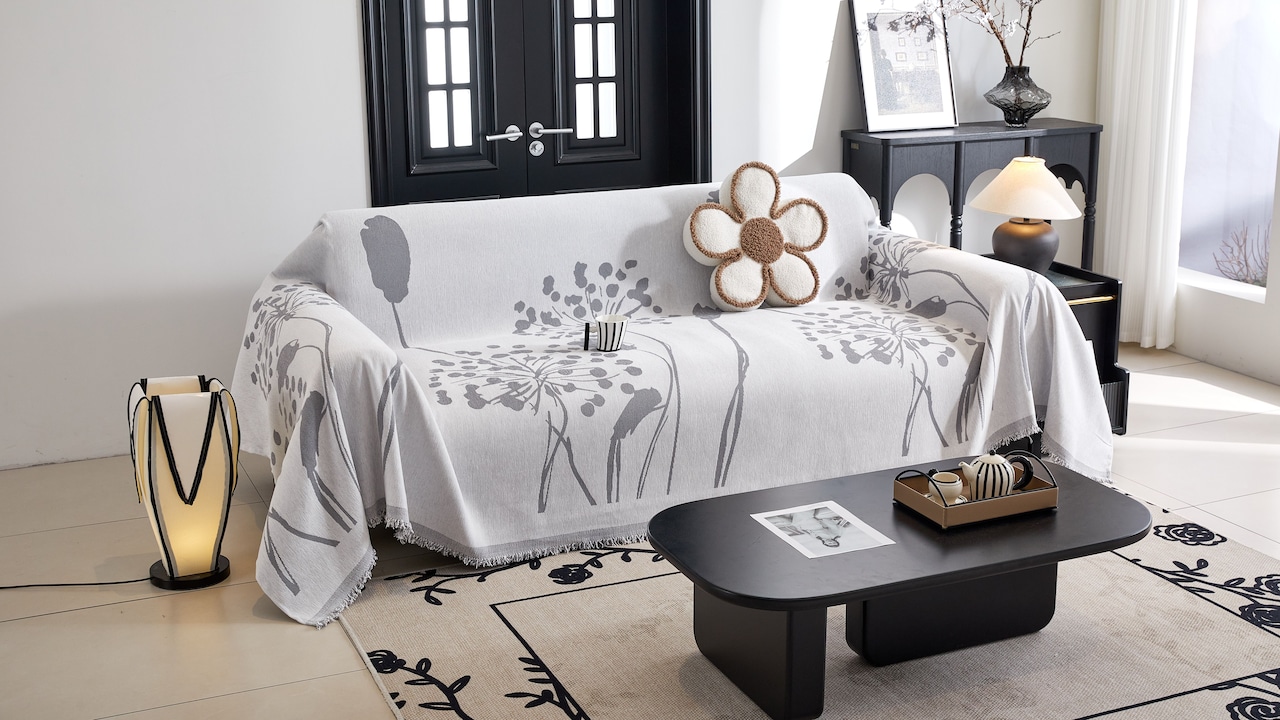
10 Ways To Stop Sofa Covers Slipping On Leather Sofas; Photo Credit: Pexels
8. Secure Loose Sections With Upholstery Twist Pins Carefully
Upholstery twist pins can tame troublesome fabric around certain sofas, but they require caution around leather.
These small spiral fasteners twist into suitable upholstered areas and hold loose cover edges in position. They can work well on fabric-covered undersides, hidden lining panels or removable upholstered sections.
Never screw them directly into visible leather. Doing so can permanently puncture or damage the surface, turning a slipping-cover problem into a much more expensive repair.
If the sofa has a fabric dust cover underneath, twist pins may help secure the lower edge of a loose cover where the fasteners remain out of sight. Use only as many as necessary and avoid areas close to electrical components, recliner mechanisms or structural parts.
This method suits covers that fit reasonably well but refuse to stay neat around the base.
For premium leather furniture, non-invasive methods should come first. Grip pads, straps and proper sizing usually provide safer solutions.
Twist pins are best treated as supporting actors rather than the hero of the story. Used thoughtfully, they help. Used enthusiastically in the wrong place, they create trouble.
9. Choose Heavier And More Textured Cover Fabric
Fabric weight influences how much a sofa cover moves. Very light materials can glide across leather almost as easily as a scarf slipping from a polished chair.
Heavier fabrics tend to stay more settled because their own weight reduces movement. Cotton blends, textured jacquard, quilted covers and thicker woven fabrics often behave better than satin-like polyester or lightweight sheets.
Texture provides another advantage. A slightly rough underside creates more friction against the leather, helping the cover resist sliding.
That does not mean choosing the heaviest material available. Extremely bulky covers can become difficult to tuck and may make the sofa uncomfortable during warmer months. Balance matters.
Consider how the sofa is actually used. A decorative cover for a formal sitting room has different requirements from one protecting the family sofa during cricket nights, snack attacks and enthusiastic weekend lounging.
Washability deserves attention too. A practical cover should survive regular cleaning without shrinking dramatically or losing its shape.
If two covers fit equally well, the one with a little more weight and surface texture will usually stay in place better on smooth leather.
10. Use A Combination Of Grip, Tucking And Correct Fit
The most reliable solution often involves more than one technique.
Start with fit. A correctly sized cover provides the foundation. Add a thin non-slip pad underneath the seat to improve friction. Then distribute and tuck excess fabric carefully into the gaps. Foam inserts can keep those tucked sections secure, while elastic straps underneath prevent the lower edges from creeping upwards.
This layered approach tackles movement from several directions rather than expecting one product to perform miracles.
It also allows small adjustments. If the cover remains stable everywhere except the centre seat, add grip only there. If the arms keep working loose, improve the tucking around those sections rather than rebuilding the entire arrangement.
Observe what happens after people actually use the sofa. A cover that looks perfect when nobody is sitting on it tells only half the story.
The best setup should survive ordinary life without needing constant attention. Guests should be able to sit down, children should be able to wriggle, and someone should be able to stretch out for an evening film without turning the sofa cover into modern art.
Products Related To This Article
1. HOMETHREADS Innovative European Premium Style Anti Slip Cotton Sofa Cover Mat
2. Story@Home Chenille Sofa Cover 2 Seater
3. Quilted Sofa Cover Set 5 Seater for Living Room - 3 Seater
4. GRATIFY 3 Seater Universal Elastic Sofa Cover
5. Gurnoor Sofa Cover One 3 Seater and Two 1 Seater Fully Covered Universal 5 Seater for Living Room
6. Story@Home Chenille Sofa Cover 2 Seater
7. House of Quirk Turkish Bubble Frill Five Seater 3 + 1 + 1 Sofa Slipcovers 280 GSM
Stopping a sofa cover from moving on leather comes down to three things: friction, anchoring and fit. Smooth leather needs extra grip, while loose fabric needs somewhere secure to tuck. A correctly sized cover ties everything together.
Start with the simplest fixes. A non-slip pad, better tucking, or a few foam inserts may solve the problem immediately. If slipping continues, check the cover size, fabric weight, and elastic support.
Most importantly, avoid fastening anything directly into visible leather or using aggressive adhesives that may damage the finish. The aim is to protect the sofa, not win an argument with it.
With the right combination of grip, sizing and secure tucking, a sofa cover can stay tidy through everyday lounging, visitors, tea breaks and the occasional living-room commotion. And that means far less time pulling fabric back into place every time somebody gets up.
(Disclaimer: This article may include references to or features of products and services made available through affiliate marketing campaigns. NDTV Convergence Limited (“NDTV”) strives to maintain editorial independence while participating in such campaigns. NDTV does not assume responsibility for the performance or claims of any featured products or services.)