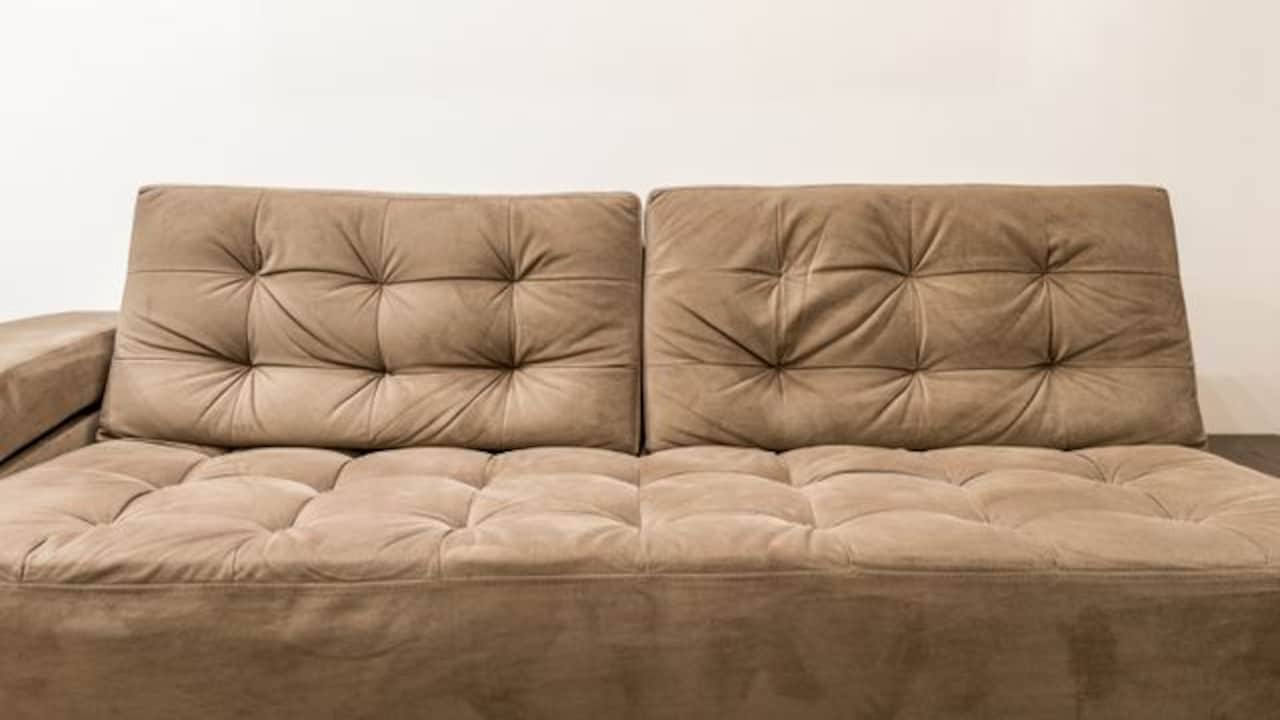
10 Reasons Vacuum Storage Bags Reinflate After A Few Days And How To Keep Them Sealed
Vacuum storage bags can mysteriously puff up days after being compressed. From tiny zip gaps to damaged valves and overpacking, here are 10 reasons air sneaks back in and practical ways to help clothes, blankets and bedding stay compact for longer.
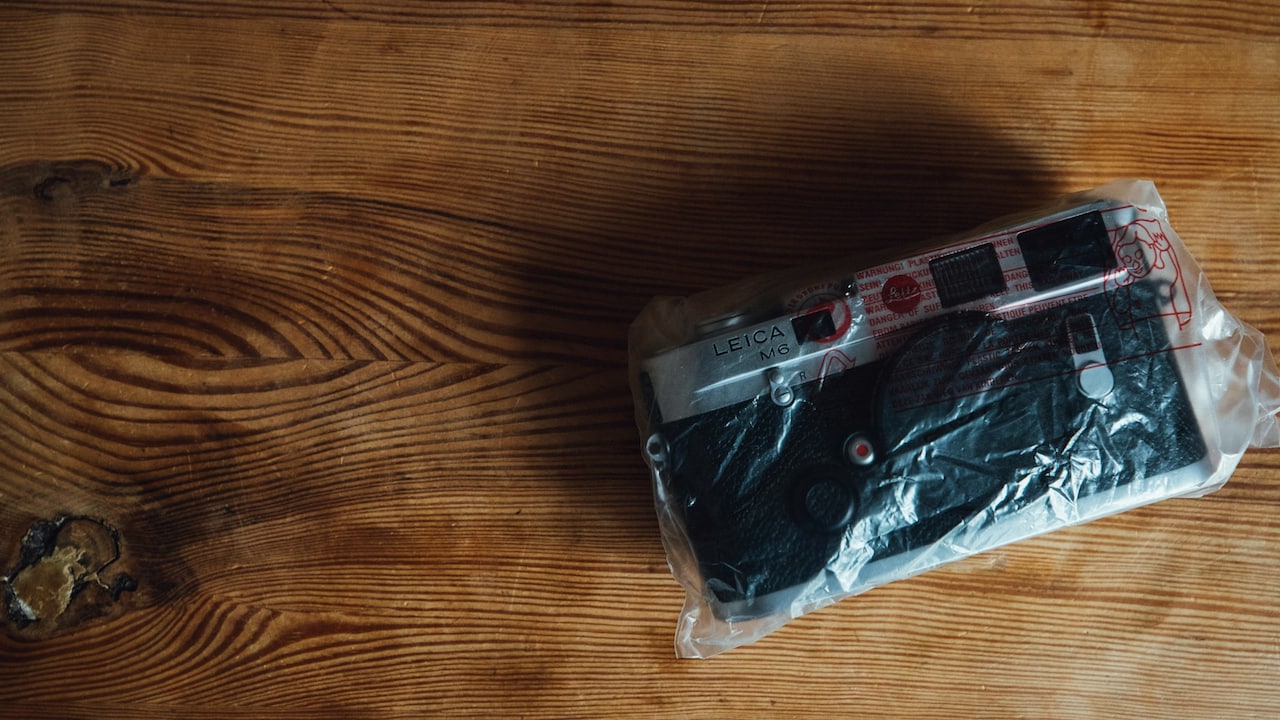
How to prevent vacuum storage bags from reinflating
Few storage tricks feel quite as satisfying as watching a mountain of winter quilts shrink into a neat, flat package. One minute, half the cupboard has disappeared beneath bulky blankets; the next, a vacuum bag has compressed everything enough to free an entire shelf. Then, three days later, the bag looks suspiciously plump again. Vacuum storage bags don't normally reinflate because the vacuum somehow “wears off”. Air has to find a way back inside. Sometimes the culprit is obvious, such as an open zipper. More often, it is a tiny sealing problem that escapes notice when the bag first looks perfectly compressed.
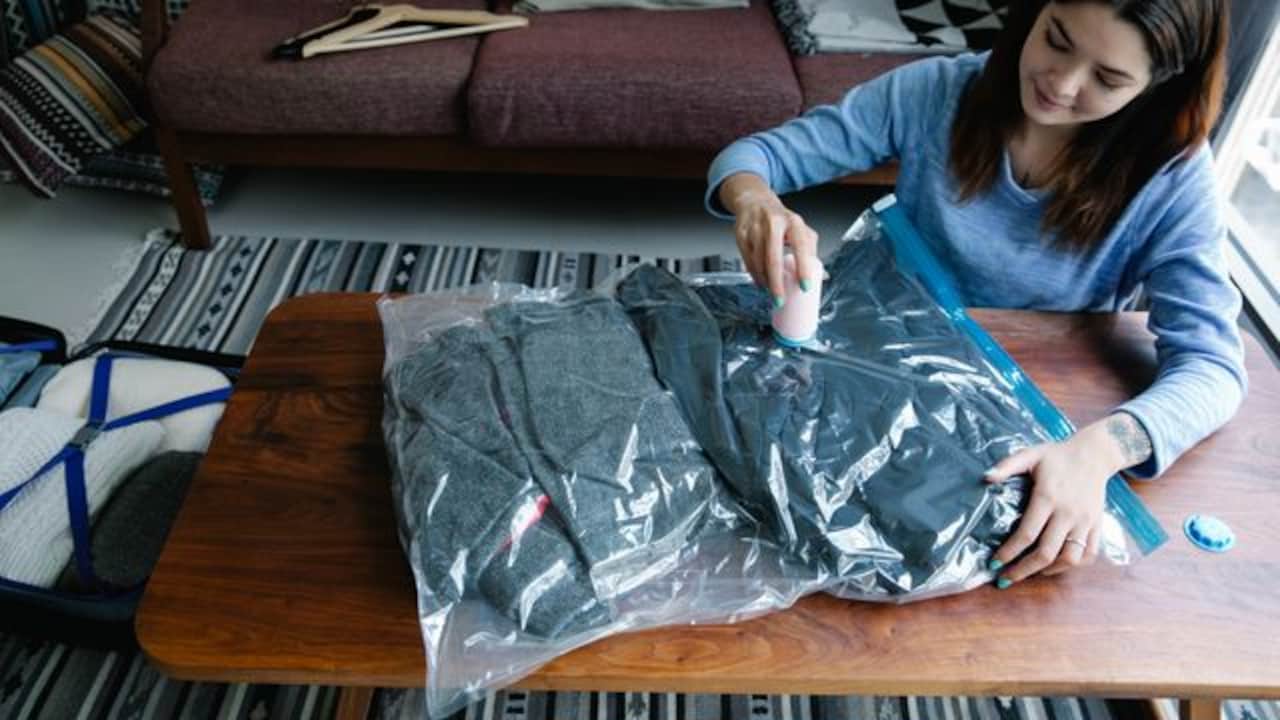
Why do vacuum sealed bags inflate after a while
Photo Credit: Pexels
The good news is that a reinflating bag doesn't automatically belong in the bin. Packing technique, fabric trapped in the seal, an improperly tightened valve or even the way the bag sits inside a cupboard can all make a difference. Before hauling out the vacuum cleaner for the third time this week, it helps to work out exactly where the leak begins.
Also Read: Best Vacuum Cleaners Under ₹5,000: The Smart Shoppers Guide
Why Vacuum Storage Bags Lose Their Seal And What To Do About It
1. The Zip Seal Has A Tiny Gap
A vacuum bag can look properly closed while still hiding a millimetre-sized opening along its zip seal. That tiny gap is more than enough for air to creep inside over several hours or days. The problem often happens when we close the bag quickly or assume that one run of the sealing clip has done the job.
Run your fingers firmly along the entire zipper after using the slider. You can often feel an uneven section that the plastic clip missed. Going over the seal twice also helps, particularly around the corners where the tracks can separate easily.
Avoid forcing a packed bag shut while clothing pushes against the zipper. Leave several centimetres of clear space between the contents and the seal so both tracks can meet evenly.
After vacuuming, press gently around the bag and listen. A faint hiss close to the zipper usually exposes the problem quickly. Catching it immediately saves the rather annoying experience of reopening a cupboard later to find your neatly flattened quilt has staged a comeback.
2. Fabric Or Hair Is Caught Inside The Closure
A single thread can cause surprisingly large trouble. Fibres from blankets, woollens, towels and fuzzy winter clothing can settle across the zipper while we pack the bag. Hair, lint or even a loose thread may also stop the two plastic tracks from joining completely.
The seal can still look closed from the outside, which makes this problem particularly easy to miss.
Before sealing the bag, wipe the zipper tracks with a clean, dry cloth. Push bulky fabrics down and away from the opening rather than trying to close the bag while they are pressing against it. Pay extra attention when packing fleece blankets, sweaters or anything with tassels and loose fibres.
If a bag keeps reinflating despite repeated sealing, open it completely and inspect the tracks under good light. Cleaning them may solve the problem without replacing anything.
It is a small step, but vacuum bags rely on surprisingly precise contact between the two sealing strips. One stray fibre sitting in the wrong place can effectively become an open window for air.
3. The Bag Has Been Filled Beyond Its Comfortable Capacity
Vacuum bags create extra cupboard space, but they cannot perform magic on an unlimited pile of bedding. Overpacking stretches the plastic and places continuous pressure on the zipper and valve.
The problem becomes especially noticeable once the air has been removed. Thick blankets and jackets want to expand again. If the bag contains too much, that outward pressure constantly pulls against the weakest areas of the seal.
Instead of filling every last centimetre, keep the contents below the recommended fill line when the bag has one. Otherwise, leave enough empty plastic around the edges for the bag to flatten naturally.
Dividing one enormous pile between two medium bags often works better than squeezing everything into one giant bag. The final packages also become easier to lift, stack and move.
If you find yourself kneeling on the bag, wrestling with the zipper and treating storage like a competitive sport, it probably contains too much. Reducing the load protects the seal and makes long-term compression far more reliable.
4. The Valve Cap Is Not Fully Tightened
We naturally pay attention to the zip because it stretches across the entire bag. The valve, however, can cause just as many leaks.
Many vacuum storage bags use a screw cap over the suction valve. After removing the air, that cap needs to sit straight and close securely. Cross-threading it or stopping half a turn too early can leave an invisible pathway for air.
Check the cap before putting the bag away. Unscrew it, position it carefully and tighten it evenly rather than forcing it at an angle. Some designs also contain a small internal rubber or silicone seal. Make sure that piece hasn't shifted, folded or collected dust.
When vacuuming, avoid pushing the vacuum nozzle so aggressively against the valve that the surrounding plastic becomes distorted.
A quick test can help after sealing. Press gently on the compressed bag near the valve and listen for escaping air. If you hear a faint hiss, reopen and reseat the cap.
Sometimes the grand mystery of the expanding storage bag turns out to be nothing more dramatic than a slightly crooked lid.
5. The Valve Has Collected Dust Or Fibres
Storage bags often spend months under beds, above wardrobes or deep inside cupboards. Those aren't exactly laboratory conditions. Dust, fabric lint and tiny fibres can settle around the valve, especially when bags get reused several times.
A dirty valve may fail to close properly even when its cap feels tight.
Inspect the valve whenever an otherwise undamaged bag repeatedly loses compression. Wipe its surface gently with a dry cloth and remove visible lint from the surrounding grooves. Avoid sharp objects that might scratch or puncture the valve.
The same maintenance helps before packing a bag for another season. Empty bags often get folded and tossed into cupboards where dust can settle inside them unnoticed.
Also check whether the valve sits flat against the plastic. If it appears warped, loose or partially detached, the bag may have reached the end of its useful life.
Vacuum bags are simple products, but they depend on just a few components working extremely well. Keeping those components clean gives the valve a much better chance of staying airtight.
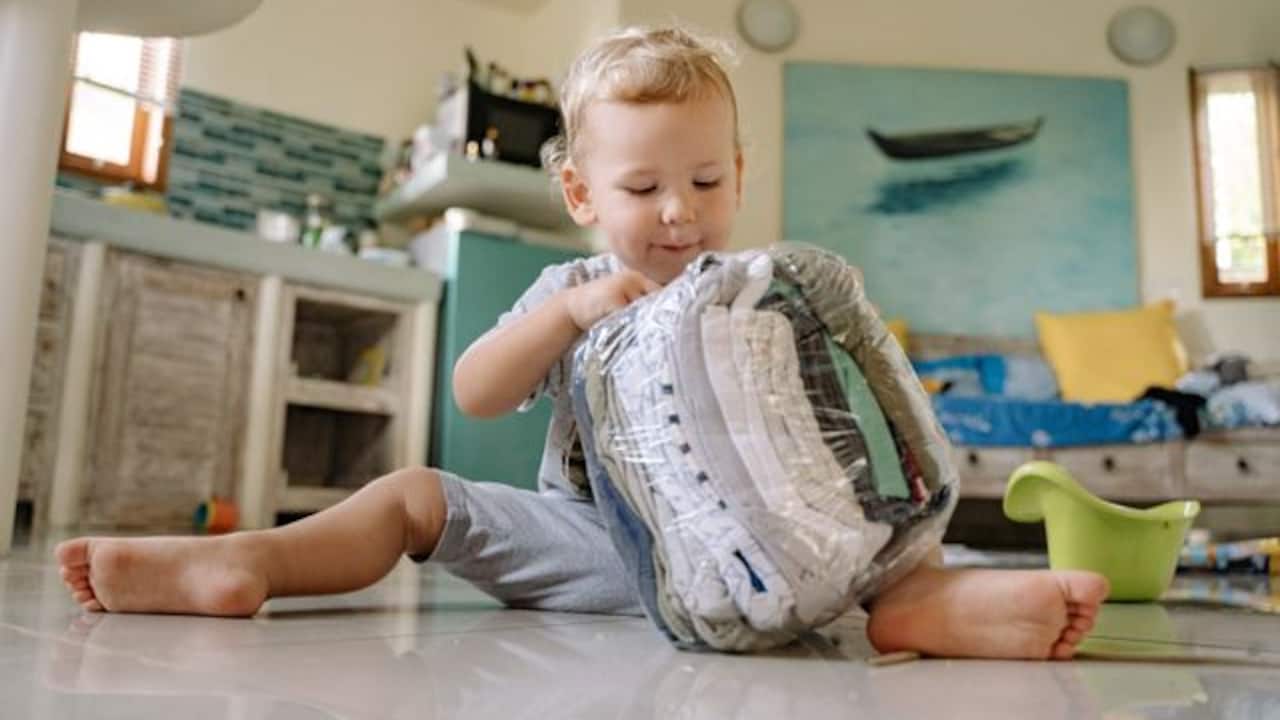
A dirty valve may also cause the problem
Photo Credit: Pexels
6. A Tiny Puncture Has Developed In The Plastic
Not every leak announces itself with a dramatic rip. A pinhole smaller than a grain of rice can slowly allow enough air into the bag to undo several minutes of careful vacuuming.
Sharp zips, buckles, decorative buttons and even the corners of folded items can puncture thin plastic. Rough cupboard surfaces may also damage a compressed bag if it gets dragged rather than lifted.
Finding a pinhole takes patience. Flatten the bag again and inspect it under bright light, paying particular attention to creases and areas surrounding hard objects. Gently pressing the compressed bag can sometimes produce a faint hiss at the damaged spot.
If the manufacturer allows repairs, a small piece of suitable airtight repair tape may help with a minor puncture. Larger tears usually make replacement more sensible.
Prevention works better. Turn clothing with metal zips or buckles inward before packing and avoid storing sharp-edged objects inside vacuum bags altogether. A bag designed for soft textiles shouldn't have to survive an unexpected encounter with a belt buckle.
7. Deep Creases Are Putting Stress On The Seams
Once compressed, vacuum bags become stiff, oddly shaped packages. Folding them sharply to squeeze them onto a shelf may save another few centimetres, but it can also stress the seams and plastic.
Repeated hard folds weaken the same section every time the bag moves. Eventually, microscopic damage can develop along a crease or welded edge, allowing air to seep inside.
Store compressed bags as flat as the available space allows. Gentle curves are less troublesome than sharply bending a tightly vacuumed bag in half. If the cupboard is narrow, choosing smaller bags may work better than repeatedly folding larger ones.
Pay particular attention to the edges because many bags use heat-sealed seams there. Avoid pulling or lifting a heavy bag by one corner, as that concentrates the entire weight around a small section.
Think of the compressed package as storage, not origami. Once the vacuum has done the hard work, the bag needs somewhere reasonably comfortable to sit. Giving seams less strain can noticeably improve how long the compression lasts.
8. The Contents Were Packed While Slightly Damp
Vacuum storage bags should only contain completely dry textiles. Clothes, blankets or towels that feel almost dry can still hold moisture deep between fibres, particularly during humid or rainy weather.
Moisture inside an airtight bag creates bigger concerns than reinflation. It can encourage musty odours, mildew and fabric damage during long-term storage.
Make sure everything feels thoroughly dry before packing. Heavy quilts, thick towels and padded jackets deserve extra drying time because their inner layers may retain moisture even when the outside feels fine.
Avoid vacuum-packing clothing immediately after steam ironing too. Let the fabric cool and dry completely first.
Moisture itself doesn't necessarily pour air into a bag, but damp contents and changing temperatures can affect the package while also making storage conditions unpleasant. If a bag looks swollen and its contents smell musty, open it rather than simply vacuuming it again.
The few minutes saved by packing slightly damp laundry aren't worth discovering months later that an entire stack of winter clothes now smells like a forgotten monsoon cupboard.
9. Heavy Objects Are Pressing Against The Bag
Compressed bags look sturdy, but their plastic still has limits. Sliding one beneath a pile of suitcases, boxes or heavy containers can put concentrated pressure on the valve, seams and corners.
The bag might remain flat initially. Over time, however, pressure from above can stretch a seam or disturb the valve enough to create a slow leak.
Stack vacuum bags thoughtfully. Keep heavy, rigid items underneath and softer compressed bags above them whenever possible. If bags must sit beneath other objects, distribute the weight evenly instead of placing a suitcase wheel or storage-box corner directly on top.
Under-bed storage needs similar care. Check that bed frames, drawer runners or protruding screws don't rub against the plastic whenever the bag moves.
It is also worth resisting the urge to cram an extra compressed bag into an already packed cupboard by pushing the door shut against it.
Vacuum storage saves space remarkably well, but the goal isn't to compress the bag from every possible direction. Once sealed, protecting it from unnecessary pressure helps that compact shape last.
10. The Bag Has Simply Worn Out
Vacuum storage bags don't last forever. Plastic repeatedly bends, stretches, compresses and expands every time we use it. Zipper tracks can weaken, valve seals can become less precise and old fold lines may develop tiny cracks.
A bag that performed perfectly for several seasons can therefore start reinflating without one obvious dramatic failure.
If the same bag loses its vacuum again and again despite careful cleaning, sensible packing and proper sealing, replacement may be the most practical answer. Continuing to vacuum it every few days only turns cupboard organisation into a strangely repetitive hobby.
When buying replacements, look for sturdy seams, secure double-zip closures and valves that feel firmly attached to the bag. Keep different sizes available too. Using the right size reduces stretching and overpacking.
Before discarding an older bag, check whether it can still serve as a normal dust-protection bag without vacuum compression.
Reliable storage comes from recognising when a seal needs adjusting and when the material itself has reached its limit. Sometimes the fix really is a better zipper technique. Sometimes retirement is overdue.
Products Related To This Article
1. 10 Pack Large (60×80 cm) Vacuum Compression Zipper Storage Bags With Electric Pump
2. amazon basics Vacuum Compression Storage Bags with Hand Pump
3. Vacuum Storage Bags with Electric Pump, 16 Pack
4. Vacuum Bags|Clothes Storage Bag with Hand Pump
5. FLYNGO Polypropylene Reusable Ziplock Vacuum Storage Space Saver Bags
6. ABOUT SPACE Polyamide Polyethylene Vacuum Compression Bags
7. ABOUT SPACE Polyamide Polyethylene Vacuum Compression Bags
A vacuum storage bag that slowly reinflates usually has a small leak somewhere, not a mysterious failure of vacuum technology. Check the zipper, valve, seams, packing level and plastic before giving up on it. With dry contents, gentle storage and careful sealing, blankets, seasonal clothes and bedding can stay compact far longer, leaving cupboard shelves pleasantly less chaotic.
(Disclaimer: This article may include references to or features of products and services made available through affiliate marketing campaigns. NDTV Convergence Limited (“NDTV”) strives to maintain editorial independence while participating in such campaigns. NDTV does not assume responsibility for the performance or claims of any featured products or services.)