Walking Pad Vs Treadmill: Which One Fits Work-From-Home Life Better?
Walking pads suit light movement during work, while treadmills support faster, structured workouts. The better choice depends on your space, budget, fitness goals and daily routine.
Walking Pad Vs Treadmill: Which One Fits Work-From-Home Life Better?
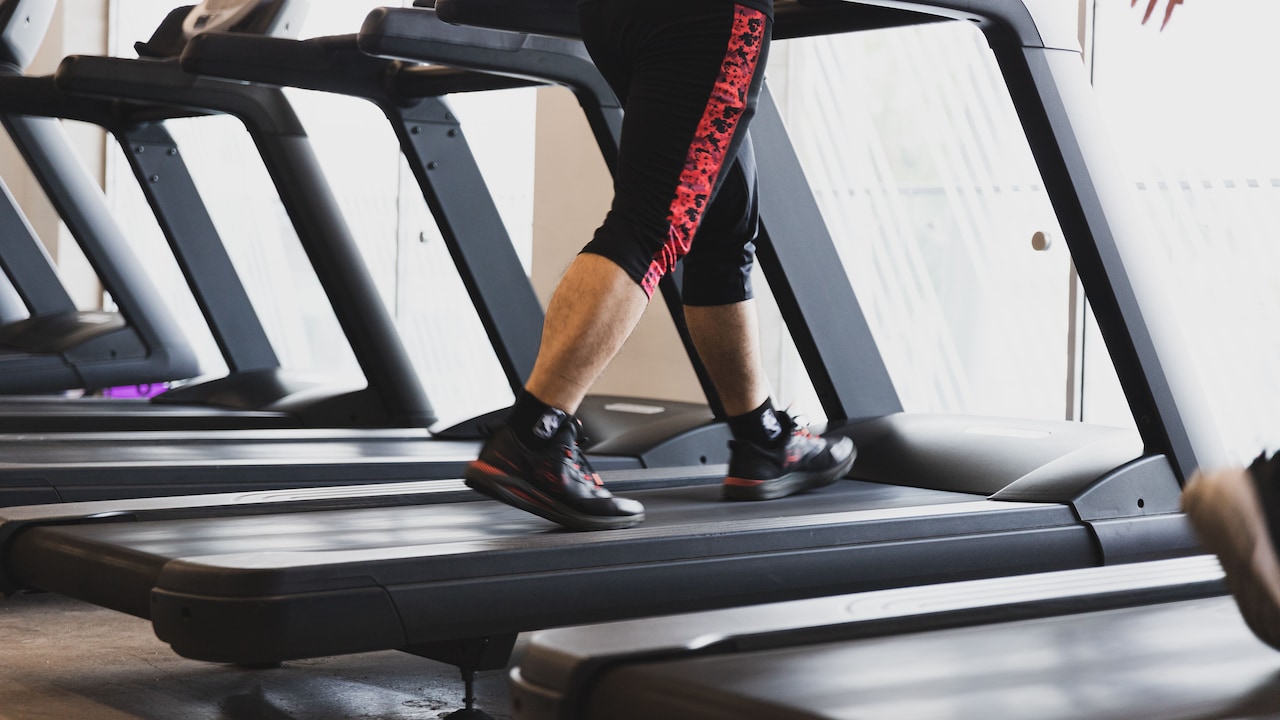
The work-from-home routine often begins with good intentions. A neat desk, a fresh notebook and perhaps a carefully arranged indoor plant create the illusion of balance. Then the day gathers speed. Breakfast slides into the first meeting, lunch happens beside the laptop and evening arrives before anyone notices that the step count has barely crossed 1,000. This is where home fitness equipment enters the picture. A walking pad can slip under a desk and keep the body moving during routine tasks. A treadmill, on the other hand, creates space for brisk walking, jogging and more structured exercise. Both sound useful. Both look promising in advertisements. Both can also end up gathering dust if they do not match the rhythm of the household.
Walking Pad Vs Treadmill: Which One Fits Work-From-Home Life Better?
Photo Credit: Pexels
Choosing between them requires more than comparing motors and speed settings. The better option depends on available space, working style, noise tolerance, fitness goals and the simple question of what feels realistic on a busy Tuesday afternoon. The following comparison breaks down the decision without turning it into a fitness lecture.
Walking Pad Vs Treadmill: Key Differences For Work-From-Home Life
1. Space Matters More Than Most Features
In many homes, floor space carries more value than an impressive list of technical specifications. A full-sized treadmill needs a permanent or semi-permanent corner. Even foldable models remain bulky, and moving one across tiled flooring can feel like relocating a small cupboard. A walking pad, by contrast, usually has a slimmer frame and lower height. Many models can slide under a bed, sofa or desk after use.
That difference matters when the same room functions as an office, guest room and evening yoga corner. A walking pad fits more easily into compact flats and shared spaces. It does not dominate the room or announce itself like a piece of gym machinery.
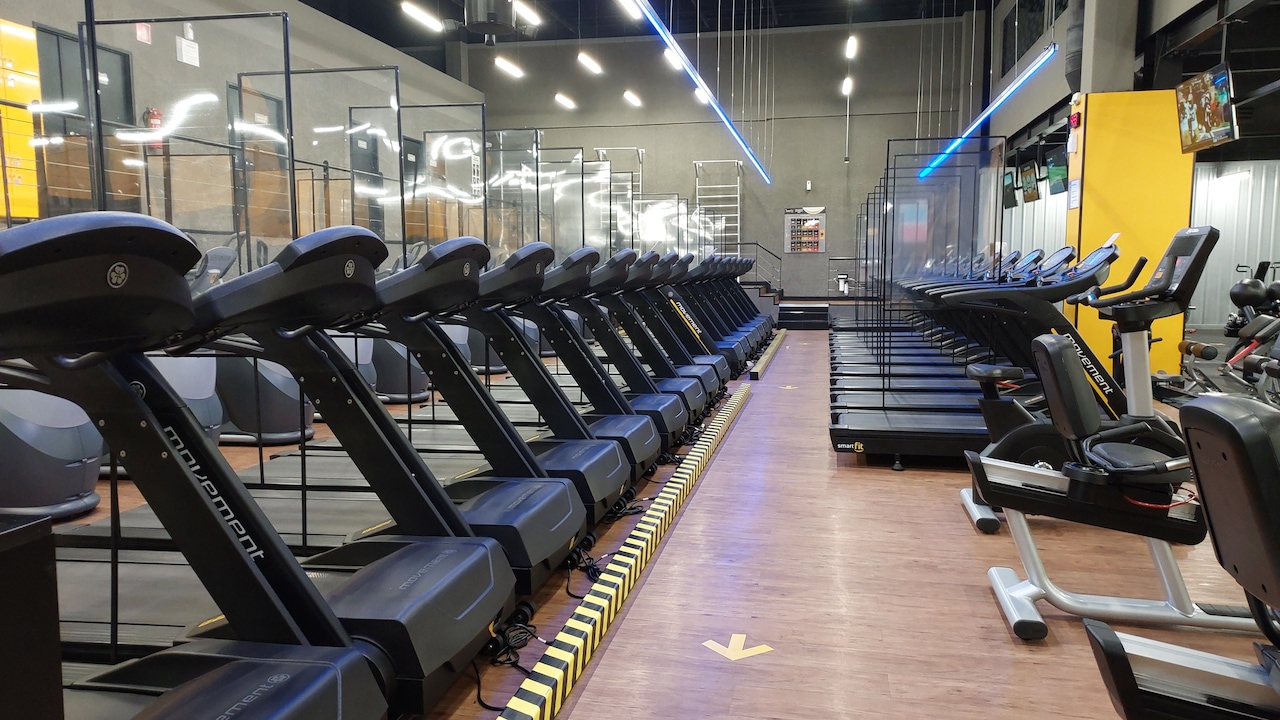
A treadmill still makes sense when a spare room, large balcony enclosure or dedicated fitness area exists. Its larger running surface also offers more comfort during faster movement. However, buying a treadmill for a cramped bedroom may create daily frustration.
Before choosing, mark the machine's dimensions on the floor with tape. This simple trick gives a far more honest picture than product photographs. Space that looks manageable on a screen can feel surprisingly crowded beside a bed, chair and drying rack.
2. Walking While Working Sounds Easier Than It Is
The biggest attraction of a walking pad lies in its promise of movement without interrupting work. In theory, users can answer emails, review documents and join routine calls while walking at a gentle pace. This can break long periods of sitting and make the working day feel less stagnant.
In practice, not every task pairs well with movement. Typing a detailed report while walking may lead to strange spelling, tense shoulders and a suspicious number of backspaces. Video calls may also become distracting if the camera bounces or the user appears to be slowly escaping the meeting.
Walking pads work best during low-focus tasks. Listening to webinars, reading documents, attending audio-only calls or clearing an inbox can suit a pace of around two to four kilometres per hour. Complex calculations and delicate design work usually need a stable chair.
The secret lies in treating the walking pad as a tool rather than a challenge. Nobody needs to walk through every working hour. Even two short sessions can add useful movement. A realistic routine always beats an ambitious plan that lasts three days and ends with the machine parked under a pile of courier boxes.
3. A Treadmill Supports More Serious Fitness Goals
A treadmill offers a wider range of exercise. It can support slow walking, fast walking, jogging and running, depending on the model. Many treadmills also include incline settings, workout programmes, heart-rate sensors and stronger shock absorption. These features make them more suitable for users who want structured cardio rather than light movement during work.
For someone training for a 5K, improving stamina or replacing outdoor runs during heavy rain, a treadmill provides a clear advantage. It allows pace control and consistent sessions without traffic, stray dogs or sudden road repairs entering the workout.
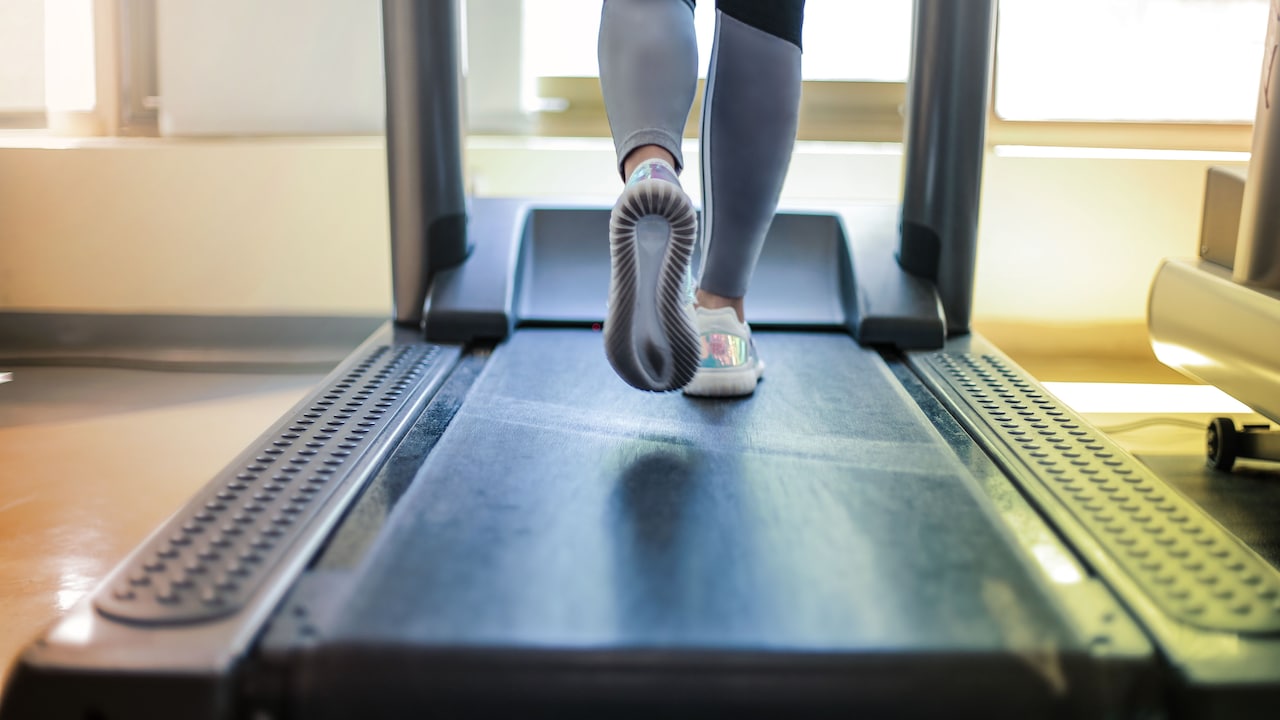
The larger belt also gives more room for a natural stride. Side rails and a front console add stability, especially during faster sessions. A walking pad usually has a shorter deck and lower speed limit, so it cannot safely replace a running treadmill.
However, more capability does not always lead to more use. A treadmill demands dedicated workout time. Users must change clothes, clear the schedule and mentally shift into exercise mode. Those who struggle to set aside thirty minutes may use a walking pad more regularly.
The better machine is not the one with the most features. It is the one that matches the user's actual level of motivation.
4. Noise Can Decide Whether The Machine Survives
Home fitness machines create more sound than product videos often suggest. The motor produces a steady hum, feet strike the belt and vibrations can travel through the floor. In a quiet home office, even moderate noise may become irritating during calls.
Walking pads usually run more quietly because they operate at lower speeds. Soft footwear and a good floor mat can reduce the sound further. This makes them more suitable for early mornings, apartment living and shared workspaces. Still, cheaper models may rattle or produce a high-pitched motor sound after regular use.
Treadmills tend to generate more noise, especially during jogging or running. The machine itself may sound manageable, but footfall adds a rhythmic thumping that neighbours below may not appreciate. A rubber mat can help, though it cannot perform miracles.
Before purchasing, consider the household routine. A parent working beside a sleeping baby may value silence more than incline settings. Someone living on the ground floor with a separate workout room may worry less.
Noise also affects concentration. A machine that makes every call sound like it is happening inside a railway coach will quickly lose favour. Quiet performance rarely appears exciting on a product page, yet it shapes everyday satisfaction.
Walking Pad Vs Treadmill: Which One Fits Work-From-Home Life Better?
Photo Credit: Pexels
5. Safety Depends On Speed, Focus And Setup
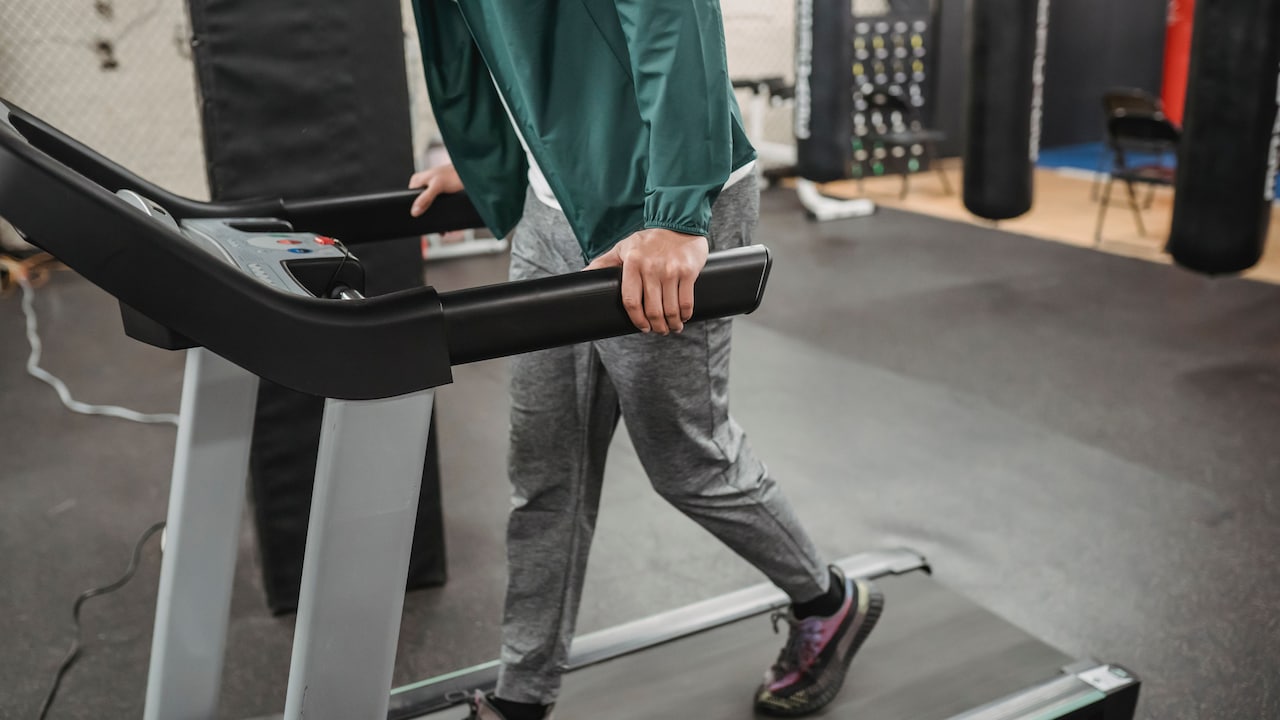
Both machines require attention, but the risks differ. A walking pad looks harmless because it moves slowly. That appearance can encourage careless use. Checking messages, reaching for tea or turning sideways during a call can affect balance. Without front handles, a sudden misstep may lead to an awkward tumble.
A treadmill usually offers side rails, an emergency stop key and a larger control panel. These features improve safety, particularly during brisk walking or running. At higher speeds, though, falls carry greater force. Loose clothing, dangling headphone cables and poorly tied shoelaces can create avoidable problems.
Desk height also matters with a walking pad. A low desk may cause users to hunch forward, while a high one can strain the shoulders. The walking surface should remain clear, and the machine should sit on a flat, stable floor.
Children and pets add another layer of concern. Neither machine should remain switched on or easily accessible without supervision. Curious fingers, paws and moving belts make a poor combination.
Safe use begins with modest speeds and short sessions. Trying to achieve a dramatic fitness transformation during the first week usually produces sore calves and regret rather than progress.
Also Read: Top 5 Folding Treadmills For Home Use In Monsoon Under ₹13,000
6. Cost Goes Beyond The Purchase Price
Walking pads generally cost less than full-sized treadmills, although premium models can still carry a substantial price tag. Entry-level walking pads may start around ₹12,000 to ₹20,000, while sturdier versions with better motors and folding designs can cost ₹25,000 to ₹45,000 or more.
Treadmill prices vary widely. Basic walking treadmills may fall within ₹25,000 to ₹40,000, while reliable running models can easily cost ₹50,000 to ₹1,00,000. Commercial-style machines climb much higher.
The purchase price tells only part of the story. Delivery charges, installation, floor mats, voltage stabilisers and maintenance may add to the total. Electricity use also increases with motor power and workout duration, although occasional home use rarely creates a shocking bill.
Warranty terms deserve close attention. A cheap machine with weak service support can become expensive after a motor fault. Checking whether technicians operate in the buyer's city can prevent future headaches.
Cost should also be measured against likely use. A ₹70,000 treadmill used five times a week may offer better value than a ₹15,000 walking pad ignored after a month. Price matters, but habit decides whether the purchase becomes an investment or an unusually heavy side table.
7. Storage And Portability Favour The Walking Pad
Walking pads win comfortably when portability matters. Their slim profile, transport wheels and lower weight make them easier to move. Some models fold in the middle, allowing storage against a wall or beneath furniture. This flexibility suits homes where every room changes purpose throughout the day.
A walking pad can appear beside the desk during working hours and disappear before dinner. That quality keeps the room from feeling like a permanent gym. It also helps users who prefer not to stare at exercise equipment while relaxing.
Treadmills often advertise folding frames, but folding does not always mean effortless storage. The machine may still remain tall, wide and heavy. Wheels help with movement, yet turning a large treadmill around narrow corners can test patience and furniture.
Frequent movement can also discourage use. If setting up the treadmill involves shifting a chair, rolling a rug and moving a table, the workout may lose before it begins. A machine should reduce friction, not create a domestic obstacle course.
Users should check both folded and unfolded dimensions. Product pages often highlight the most flattering measurement. Weight matters too. A walking pad weighing 25 kilograms may sound portable until it needs lifting over a door threshold.
8. Comfort Changes During Longer Sessions
A walking pad works well for gentle movement, but comfort may decrease during long sessions. The shorter belt limits stride length, while minimal cushioning can place more pressure on the feet and joints. Users may also feel mentally tired from balancing work and walking at the same time.
Treadmills usually provide stronger cushioning and a wider deck. This creates a more natural walking or running experience. Incline options can vary the effort without requiring extreme speed. For longer workouts, these features make a noticeable difference.
Footwear plays an important role on both machines. Walking barefoot may feel convenient, especially at home, but supportive trainers offer better grip and reduce strain. Slippers and loose sandals should stay far away from moving belts, no matter how tempting the shortcut feels.
Comfort also depends on body size and stride. A compact walking pad may suit a shorter user perfectly but feel restrictive for someone taller. Checking the belt length and width can prevent disappointment.
The ideal session should leave the body pleasantly active, not stiff and irritated. Gradual increases in duration allow muscles and joints to adapt. Ten comfortable minutes repeated regularly can do more good than one heroic hour followed by four days of limping around the kitchen.
9. Maintenance Can Make Or Break Long-Term Use
Fitness equipment needs regular care, even when it lives indoors. Dust, hair and small debris can collect beneath the belt and affect performance. Walking pads often sit close to the floor, so they may gather dust quickly. Regular cleaning and occasional belt lubrication help the motor run smoothly.
Treadmills also require belt alignment, lubrication and surface cleaning. Heavier use may lead to worn belts, loose bolts or motor issues. Models with electronic consoles can develop display faults, especially in humid rooms or areas with unstable power supply.
Service availability matters as much as brand reputation. A machine may have excellent reviews, yet poor local support can turn a minor fault into weeks of frustration. Buyers should check warranty coverage for the motor, frame, electronics and labour.
Users should also avoid placing these machines near damp walls or open balconies where moisture can reach the components. A cover can reduce dust, but the motor needs proper ventilation during use.
Maintenance rarely feels exciting when buying fitness equipment. Everyone imagines energetic workouts, not searching for silicone lubricant on a Sunday morning. Yet basic care extends the machine's life and reduces noise. A few minutes of attention each month can prevent a costly repair later.
10. The Best Choice Depends On Daily Behaviour
The final decision comes down to lifestyle rather than technology. A walking pad suits someone who spends long hours at a desk, enjoys gentle movement and struggles to schedule formal workouts. It works especially well for calls, reading and routine computer tasks. Compact storage and quieter operation strengthen its appeal.
A treadmill suits someone with clear fitness goals, enough space and the willingness to set aside workout time. It supports faster speeds, longer sessions and greater variety. For running, incline training or serious cardio improvement, it remains the stronger option.
Some users may dream of running every morning but know, deep down, that they prefer walking while watching a series. Others may find desk walking distracting and enjoy the clean separation of work and exercise. Honest self-awareness matters more than impressive specifications.
Consider the routine on a difficult day, not an ideal one. Which machine would still get used after a late meeting, a power cut and an unexpected family group call? That answer usually points towards the better purchase.
Fitness equipment should fit into life with minimal drama. The right choice feels accessible, practical and slightly inviting, even when motivation has gone out for chai.
Walking Pad Vs Treadmill: Which One Fits Work-From-Home Life Better?
Photo Credit: Pexels
Products Related To This Article
1. Fitkit by Cult FT200M BLDC 6.5HP Peak Treadmill
2. Sparnod STH-3004N 2 in 1 Walking Pad Treadmill for Home Use
3. Lifelong 6HP Motorized Treadmill| 25 Levels Auto Incline
4. Lifelong Fit Pro Treadmill 3 HP Peak Dc Brushless Motor 2 Level Manual Incline Walking Machine
5. PowerMax Fitness TDM-98 4HP Foldable Motorized Manual Incline Treadmill
6. Cockatoo SmartWalk 2AHG Walking Pad for Home 2HP-3.5HP Peak
7. Lifelong FitPro Motorized Treadmill for Home (4HP Peak)
A walking pad and a treadmill solve two different problems. The walking pad fights prolonged sitting by adding light movement to the working day. It suits compact homes, moderate budgets and people who prefer exercise in small, manageable doses. The treadmill creates a more complete cardio setup. It supports brisk walking, running, incline training and planned workouts with greater comfort and stability.
Neither machine guarantees better health on its own. Regular use matters more than motor power, display size or the number of built-in programmes. A simple walking pad used daily can outperform an advanced treadmill that spends most of the year holding clothes. At the same time, a committed runner may quickly outgrow the limitations of a compact pad.
Before buying, consider space, noise, working habits, fitness goals and local service support. Choose the machine that fits the household rather than forcing the household to fit around the machine.
For most work-from-home users seeking more movement without rebuilding their schedule, a walking pad offers the easier starting point. For those who want proper workouts and have room to spare, a treadmill delivers greater long-term versatility. The best option is the one that makes movement feel natural, not like another task waiting on the to-do list.
(Disclaimer: This article may include references to or features of products and services made available through affiliate marketing campaigns. NDTV Convergence Limited (“NDTV”) strives to maintain editorial independence while participating in such campaigns. NDTV does not assume responsibility for the performance or claims of any featured products or services.)