Posture Corrector Vs Lumbar Cushion: Which Helps More With Desk-Job Back Pain
Can’t decide between a posture corrector and a lumbar cushion for your desk-job back pain? Here’s how each one works, who they help, and how to pick the best fit.
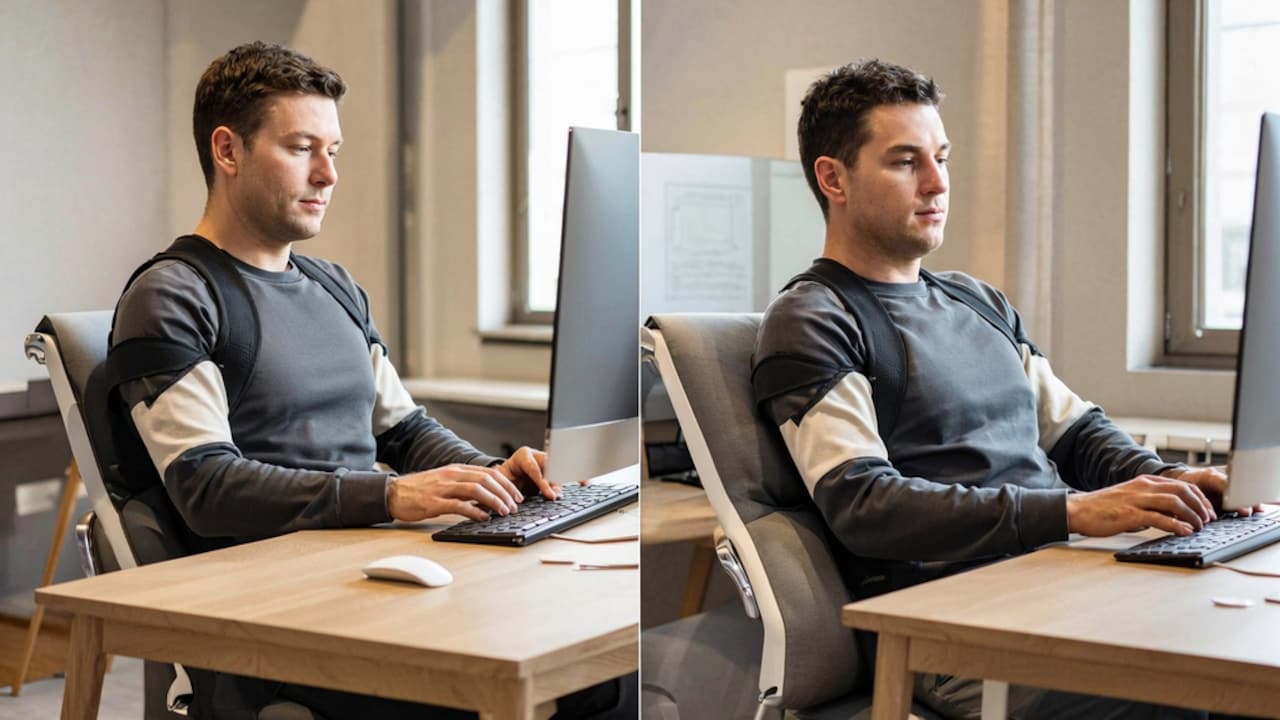
How to choose between posture corrector vs lumbar cushion
Sitting at a desk for long stretches has a funny way of wearing you down long before your shift is actually over. You might start off feeling completely fine at 9 AM, but by late afternoon, you are constantly shifting in your seat, rolling your shoulders, or leaning back to rub that dull ache in your lower spine. Sound familiar? Honestly, almost everyone who works a computer job goes through the exact same thing. Modern work habits keep us stuck in one spot for hours, and sitting with sloppy posture slowly stacks unnecessary stress onto our spines.
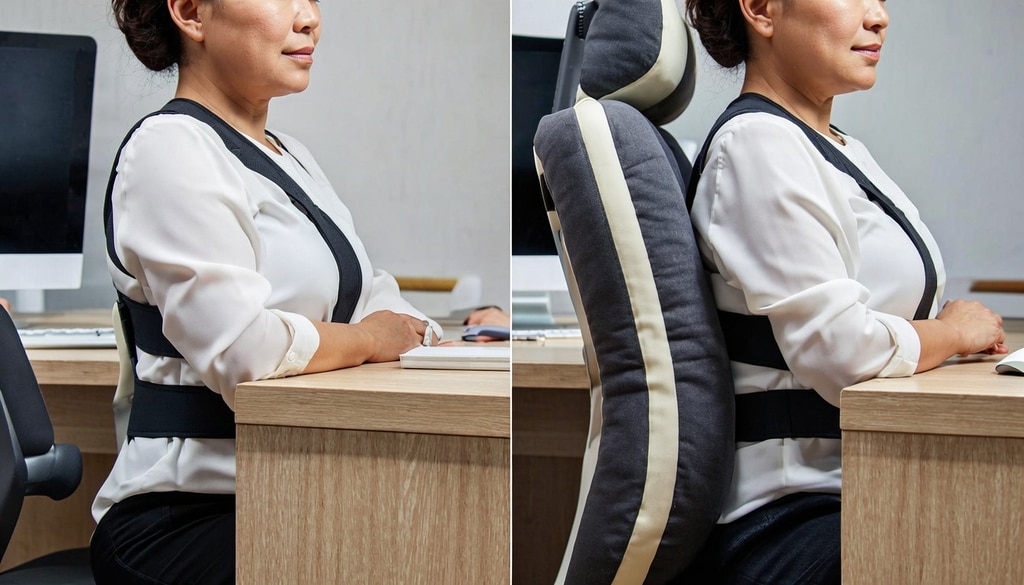
Learn how posture correctors and lumbar cushions work to alleviate painful office chair back strain.
Photo Credit: iStock
Because of this daily struggle, tonnes of people end up searching for quick, simple gear to make their office chairs a bit less painful. Two options that frequently come to mind are posture correctors and lumbar cushions. But do they actually do the same thing? Not even close, as it turns out. They address completely different problems, and choosing the appropriate one depends on your pain location, sitting posture, and daily workflow. Let's break down what you ought to consider before spending a dime.
Also Read: Top 5 Posture Correctors For Desk Workers Under ₹1000
Why Desk Jobs Are So Hard on Your Back
When you sit around for hours without moving much, your supporting muscles get lazy, circulation slows down, and your lower back ends up carrying way more weight than it should. On top of that, standard office chairs rarely offer decent lower-back contours, which basically forces you to slouch or hunch forward toward your screen. Give it a few weeks, and those sloppy sitting habits turn into constant muscle fatigue, tight knots, and sharp stiffness.
Both posture correctors and lumbar cushions try to fix these desk-job headaches, but they approach the issue from totally different angles. A posture brace acts like a physical reminder to keep your shoulders pulled back and your upper spine straight. On the flip side, a lumbar cushion provides support for the natural curve of your lower spine by filling the gap behind your back. Memory foam models with adjustable straps are super popular on Amazon right now for anyone trying to survive 8-hour sitfests.
How to Choose Between a Posture Corrector and a Lumbar Cushion?
Step 1: Track Down Where the Pain Actually Starts
Pay attention to your body tomorrow morning. Is the tension pooling around your neck, traps, and upper shoulders? Or is it a nagging ache right at the base of your spine? Shoulder and upper-body slouching usually respond well to posture awareness tools, whereas lower-back soreness almost always needs real lumbar support.
Step 2: Factor in How Long You Stay Seated
If your job keeps you glued to a swivel chair for six to eight hours a day, a continuous back support cushion is going to feel way better over time. Wearing a tight, restrictive posture strap for an entire workday isn't just uncomfortable, it can actually tire your muscles out even more.
Step 3: Inspect Your Office Chair First
A bad chair is usually the main culprit behind terrible posture. Adding a thick lumbar cushion made of memory foam can instantly transform a rigid, flat chair into a cosy setup, saving you from having to buy expensive new office furniture.
Step 4: Look for Breathable, Adjustable Fabrics
Always check the product specs before adding anything to your cart. Look for mesh or breathable fabric covers, sturdy adjustable straps, and ergonomic contours. These small features stop the cushion from sliding down or getting hot and sweaty while you work.
Step 5: Don't Expect a Miracle Cure
Neither of these gadgets is going to magically fix your spine overnight, nor do they replace real physical activity. Taking quick walk breaks, doing simple desk stretches, and setting up your monitor height properly are still essential if you want lasting relief.
Common Mistakes People Make When Buying Back Support
1. Going for the Absolute Cheapest Option
It is tempting to grab the cheapest gadget on the page, but bargain-bin back supports usually lose their shape within a few weeks or use scratchy, low-grade material. Prioritise high-density foam and solid build quality instead of saving a few bucks.
2. Wearing a Posture Corrector All Day Long
Posture braces are meant to retrain your brain and shoulder alignment in short bursts, not act as a permanent external skeleton. Overusing them can actually weaken your core muscles because your body starts relying on the straps instead of working itself.
3. Completely Ignoring the Rest of Your Desk Setup
Even the highest-rated lumbar pillow cannot save you if your monitor is sitting way too low or your feet are dangling off the floor. Your entire workstation layout matters just as much as the cushion behind your back.
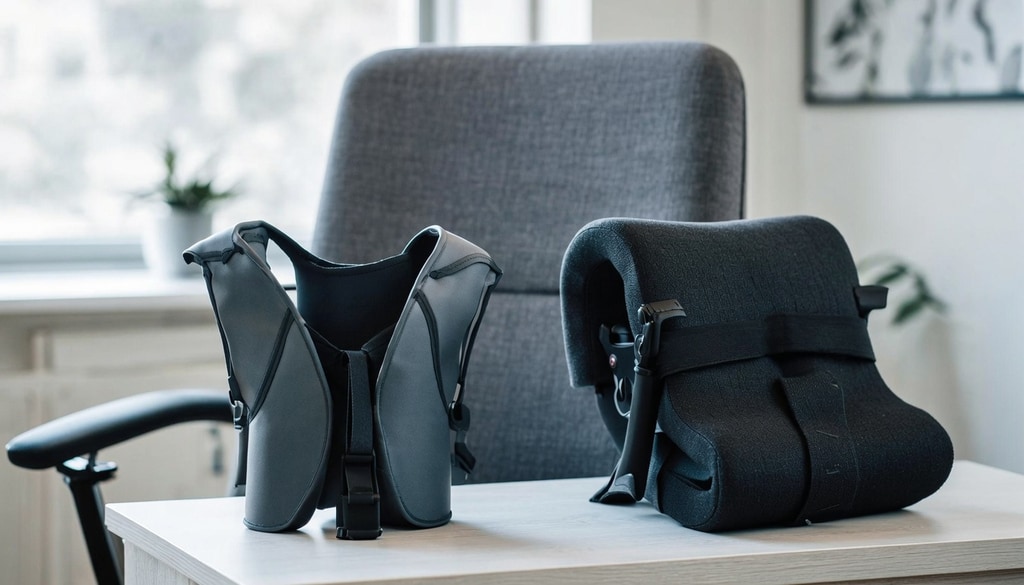
Discover whether a posture corrector or lumbar support cushion fits your specific office seating needs.
Photo Credit: iStock
Some Back Support Products You May Like
1. Boldfit Posture Corrector Back Support for Back Pain
2. Amazon Basics Posture Corrector Support Belt
3. TOVIKI Posture Corrector Belt for Men & Women
4. Futuro Futuro Posture Corrector, Adjustable
5. FOVERA Orthopedic Coccyx Seat Cushion for Tailbone Pain
6. Sleepsia Back Support for Office Chair, 1 Year Warranty
7. ComfyHug Lumbar Support Pillow for Office Chair & Car Seat
8. WELLGIVER Memory Foam Lumbar Support Pillow for Office Chair
Frequently Asked Questions (FAQs)
1. Is a posture corrector better than a lumbar cushion?
Not necessarily, it depends on where you hurt. A posture corrector works wonders for keeping your shoulders from rounding forward, while a lumbar cushion cradles your lower spine to take the pressure off while sitting.
2. Can I use both of them at the same time?
Definitely! Many desk workers use a lumbar cushion on their chair all day for constant comfort, then pop on a posture corrector for 20–30 minutes to remind themselves not to slouch.
3. How long should I wear a posture corrector each day?
Most physical therapists suggest wearing one for short periods (around 20 to 40 minutes at a time) rather than all day long. The goal is to train your body to hold itself up naturally.
4. Are memory foam lumbar cushions actually worth the hype?
Yes, absolutely. High-density memory foam moulds directly to the unique shape of your spine, giving you tailored support that regular chair padding just can't match.
5. Which option is best if I work an office job?
If your lower back aches after sitting for hours, go with a lumbar cushion first, it is much more practical for daily use. If your main issue is leaning forward and hunching over your keyboard, a posture corrector can help rebuild that awareness.
(Disclaimer: This article may include references to or features of products and services made available through affiliate marketing campaigns. NDTV Convergence Limited (“NDTV”) strives to maintain editorial independence while participating in such campaigns. NDTV does not assume responsibility for the performance or claims of any featured products or services.)