How To Choose The Right Yoga Mat Thickness For Joint Pain
Learn how to choose the right yoga mat thickness for joint pain, based on your body, practice style, and comfort needs for better support and stability.
How To Choose The Right Yoga Mat Thickness For Joint Pain
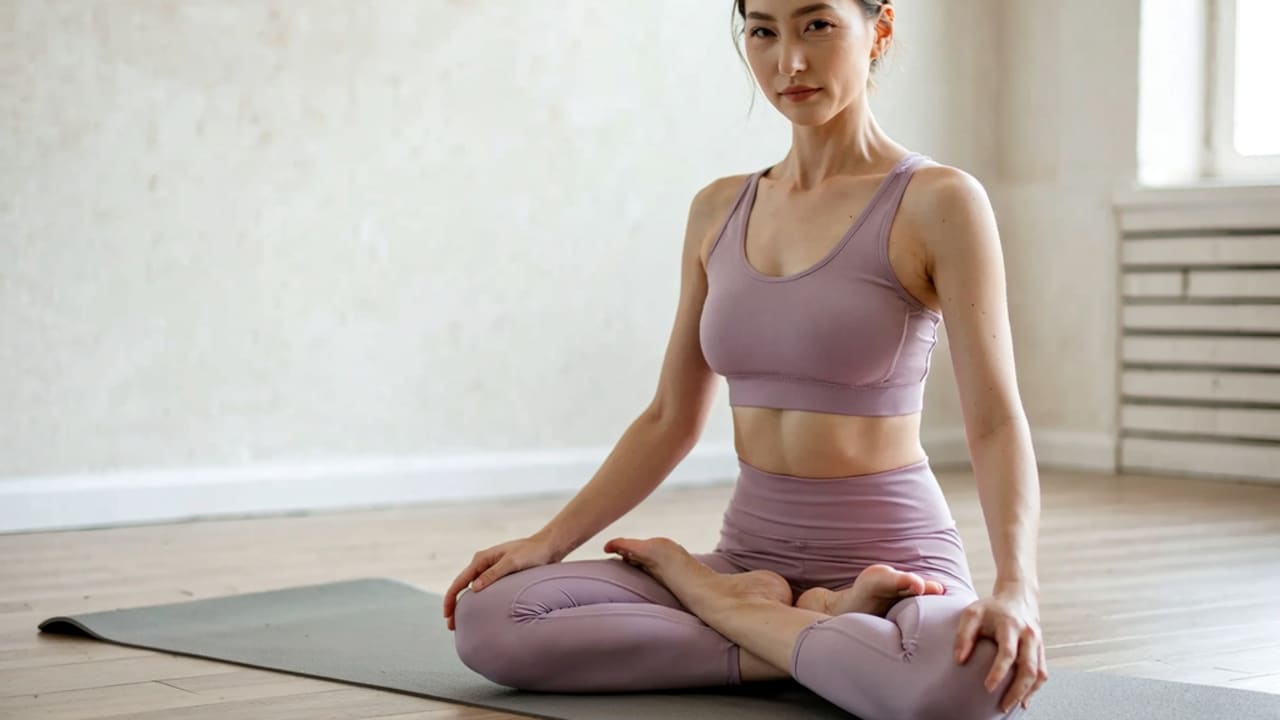
Yoga has slowly become a part of many people's day-to-day routine, whether it's an early morning stretch before work or a calm unwind after a long day. Many people do buy comfortable activewear, or they chase the newest yoga trends, but somehow the mat choice gets ignored. And still, the wrong yoga mat can make every pose feel more awkward than it should, especially if you deal with joint pain. Have you ever felt pressure in your knees during tabletop or felt sore wrists after a few rounds of sun salutations? If yes, your mat might not be giving the kind of cushioning and support your body is asking for. Also, the right thickness is not only a comfort thing, but it's also tied to stability and balance and basically how safe and smooth your whole practice feels. In the rest of this guide, we'll break down how to pick the right yoga mat thickness when you have joint discomfort, plus the other factors worth thinking about before you buy.
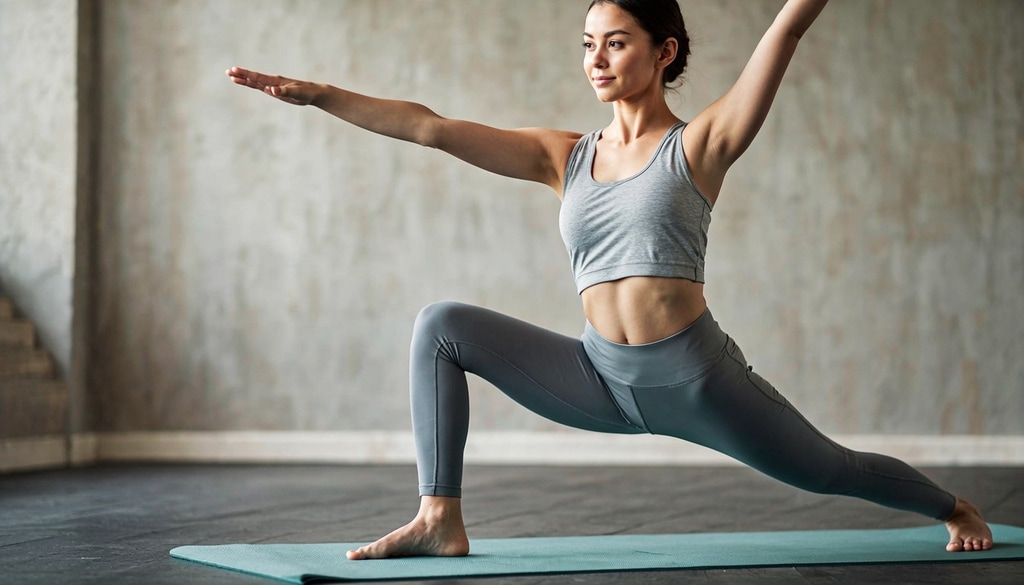
Choose the ideal yoga mat thickness for joint pain relief based on your specific comfort; Photo Credit: iStock
Why Does Yoga Mat Thickness Matter?
A yoga mat serves as the foundation of every practice, and its thickness plays a bigger role than many people realise. When the mat is too thin, your knees, elbows, wrists, and hips end up taking more pressure from the floor, and it can make even a pretty simple pose feel weirdly uncomfortable. At the same time, picking the thickest mat available isn't always the fix, though, because extra padding can lower stability when you're in standing or balancing positions.
An ideal yoga mat gives just enough cushioning for delicate joints yet lets you stay aware and connected with the floor.
Also Read: Top 5 Yoga Mats Under ₹1000 For Home Workouts
What Is The Ideal Yoga Mat Thickness For Joint Pain?
Most yoga mats are available in different thicknesses, and each serves a different purpose. Seasoned practitioners often prefer mats that are around 3 mm thick because they value steadiness and stability more than cushioning. Anything similar tends to provide stability and support, even if balance is the primary focus.
If you're referring to a thickness of 4 mm to 5 mm, that range represents a comfortable compromise that works well for most yoga styles and everyday practice. So it's a middle-road situation, really.
When you keep noticing discomfort in your knees, wrists, or hips, then a 6 mm yoga mat usually feels more forgiving and still doesn't seem overly soft. Mats thicker than 8 mm are typically chosen for restorative yoga or more therapeutic sessions where comfort is the priority, even if this may result in a slight loss of balance.
Ultimately, the ideal thickness varies for each individual. It depends on your body, your routine, and what your personal comfort is telling you.
Step 1: Identify Where Your Body Needs The Most Support
Before selecting a yoga mat, pay attention to the areas where you typically experience discomfort during practice. A few people end up with a sense of pressure in their knees during lunges or when they're in tabletop poses. Others might notice a bit of soreness in their wrists once they're holding their body weight in planks.
Step 2: Match The Mat To Your Yoga Style
The kind of yoga you practise should influence the thickness of your mat. Gentle yoga, restorative yoga, yin yoga, and beginner sessions often feel more comfortable on slightly thicker mats because these styles involve longer holds and more floor-based poses.
On the other hand, dynamic practices like Vinyasa, Power Yoga, or Ashtanga usually need stronger steadiness for smooth transitions and those balancing poses. In these kinds of situations, a mat with medium thickness tends to give the right balance between support and control.
Step 3: Pay Attention To Density Instead Of Thickness Alone
Many users assume that a thicker mat equals better support, but density is just as important. A high-density yoga mat keeps its shape even after lots of repeated use, and it doesn't collapse the same way.
On the other hand, a very soft mat can feel kind of comfy at first, yet it may compress under your body weight. That tends to lessen the backing it provides, sometimes rapidly, as you continue practice.
Step 4: Think About The Surface You Practise On
The flooring under your yoga mat also somehow changes how much padding you should use. If you usually practise on tiles, hardwood, or concrete, your joints often need extra cushioning. Hard surfaces put more pressure on the knees and wrists, so thicker mats become a practical option.
Step 5: Balance Comfort With Stability
Joint support should never come at the expense of stability. While those extra-thick mats feel kinda soft under the knees, they can also make balancing poses more difficult, because your feet sink a little into the surface.
A yoga mat with a textured non-slip finish and moderate cushioning tends to be the best blend of comfort plus secure footing.
Step 6: Consider How Often You Carry Your Mat
If you regularly travel to yoga classes or carry your mat to the gym, portability becomes an important factor. Thicker mats naturally weigh more and take up additional space, which may not be practical if you're commuting frequently.
Step 7: Choose According To Your Body Weight
Your body weight changes how the yoga mat feels while you practise. If someone has a heavier body weight, they usually end up compressing the mat thinner and faster, so an extra cushioned layer is often better because it helps cut down the pressure on the joints.
Step 8: Test The Mat Before Making A Decision
Whenever possible, spend a few minutes trying out a yoga mat before purchasing it. Kneel, stand, and shift your weight through different positions to understand how the mat responds under pressure.
What Mistakes Should You Avoid When Choosing A Yoga Mat?
One of the most common mistakes people make is assuming that the thickest yoga mat is automatically the best option for joint pain. Extra cushioning feels appealing at first, but too much softness can play with your balance, and it can also shift your posture during practice.
It's equally crucial to consider the grip, density, durability, and overall material quality. A yoga mat that mixes moderate thickness with strong stability usually works out better for long-term comfort than some overly squishy alternative.
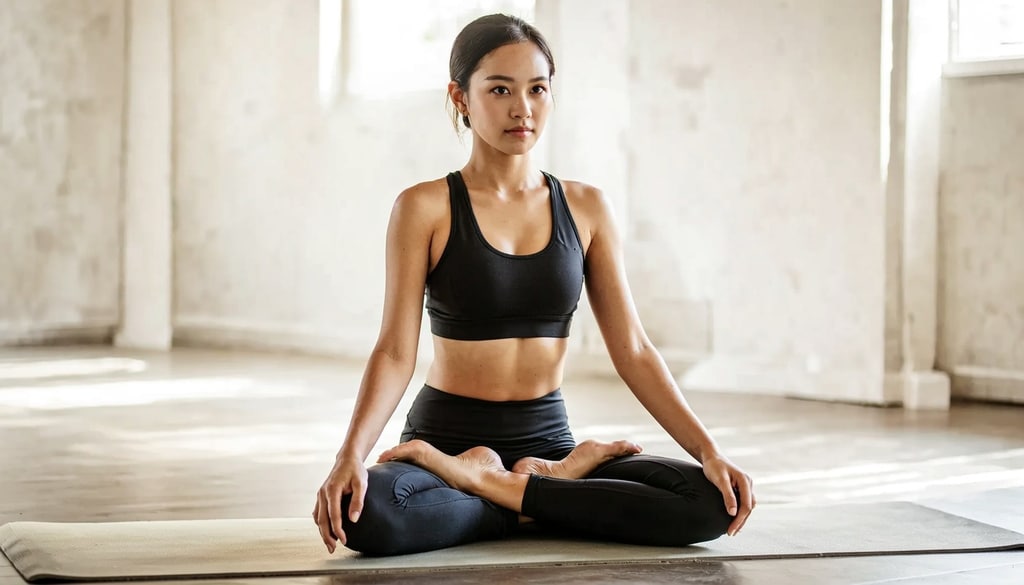
Find your perfect yoga mat thickness for better stability, joint protection, and overall workout comfort; Photo Credit: iStock
Some Yoga Mat Products You May Like
1. Halohop Yoga Mat
2. Cockatoo Premium Sweat Absorbent Yoga Mat
3. Orae Loom Cotton Yoga Mat
4. CULT TPE Yoga Mat
5. Lifelong Yoga Mat
6. Boldfit Yoga Mat
7. Amazon Basics NBR Yoga & Exercise Mat
8. FASHNEX TPE Yoga Mat
The yoga mats provide people who want to start their fitness journey and those who need to replace their old mats with a solution that delivers comfort, durability, and ease of use at an affordable cost. All these mats available at prices that fit within budget constraints. Choose the option that best matches your exercise plan to enhance the comfort and consistency of your daily fitness practices. Shop now on Amazon.
Frequently Asked Questions (FAQs)
1. What thickness of yoga mat is best for joint pain?
A yoga mat about 6 mm thick is often the most comfortable choice for users who deal with joint pain, because it gives that extra cushioning without really reducing too much stability.
2. Can a thicker yoga mat improve knee pain?
A thicker or higher-density yoga mat can help cut down on pressure for the knees when you're kneeling, so the whole yoga experience feels more comfortable for people who have mild joint discomfort, too.
3. Is a 3 mm yoga mat suitable for beginners with joint pain?
A 3 mm mat generally provides less cushioning and may not be the best option for beginners who experience discomfort in their knees, wrists, or hips.
4. Does yoga mat material matter as much as thickness?
Yes. High-quality materials with excellent density often provide better long-term support and durability than softer mats that lose their cushioning over time.
5. Should I choose a yoga mat based only on comfort?
No. Comfort is important, but the ideal yoga mat should also provide grip, stability, durability, and enough support for your preferred style of yoga.
(Disclaimer: This article may include references to or features of products and services made available through affiliate marketing campaigns. NDTV Convergence Limited (“NDTV”) strives to maintain editorial independence while participating in such campaigns. NDTV does not assume responsibility for the performance or claims of any featured products or services.)