What To Do If Your Dog Won't Walk On A New Leash
Is your dog refusing to walk on a new leash? Learn why it happens, how to help your dog adjust, how to prevent leash anxiety and discover the best dog leashes on Amazon.

Why do some dogs refuse to walk with a new leash
If you've switched to a new leash and your dog suddenly doesn't want to walk, you're definitely not the only one. Many dogs require some time to adjust to new walking equipment, whether it be a different leash material, a heavier clip, a new harness or a different style. Seeing your pet freeze, sit down or refuse to move can be upsetting but this is usually a temporary behaviour that can be put right with patience and the right approach. The trick is to figure out why your dog is uncomfortable with it and introduce the new leash slowly instead of just forcing the walk.
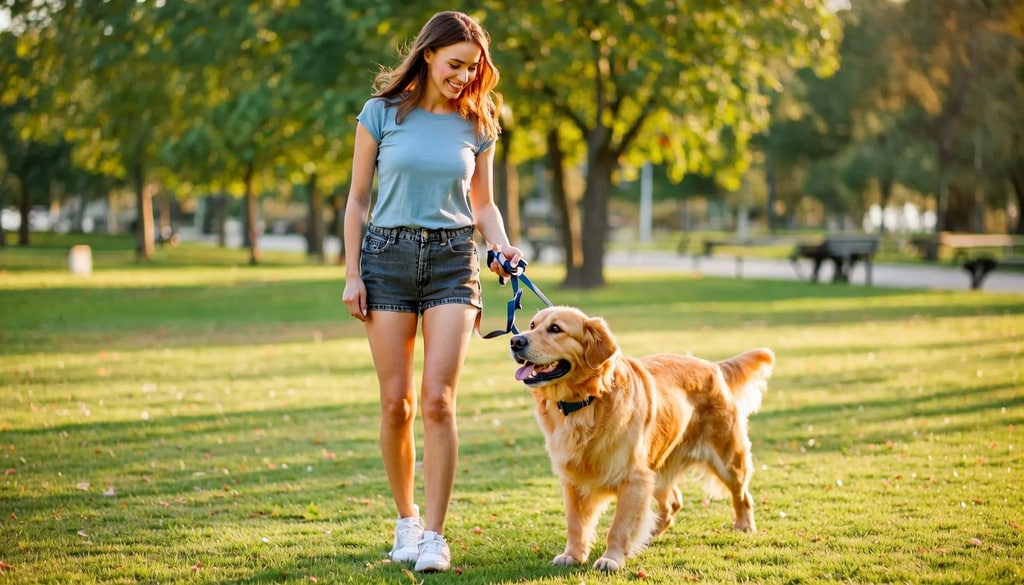
Discover why your dog refuses to walk and find the best comfortable leashes on Amazon.
Photo Credit: iStock
Before replacing the leash or deciding your dog has become stubborn, it's worth checking to see whether the leash is causing discomfort, fear or confusion. Some dogs are sensitive to slight changes in weight, texture or even the sound of the metal clip. This guide covers why your dog might be hesitant to use a new leash, how to build confidence, how to prevent future problems, and the best leashes and walking accessories on Amazon.
Also Read: Top 5 Dog Raincoats For Monsoon Walks
Why Won't My Dog Walk On A New Leash?
A dog refusing to walk with a new leash can be for a few reasons. The most common reason is not knowing about it. Dogs are creatures of habit and sometimes just a small change in their walking gear can make them reluctant.
Another is discomfort. A leash with a heavier clip or rough material could pull differently than the last one. If you have changed the collar or harness as well, your dog may feel restricted or uncomfortable.
Some dogs get anxious when new leashes produce unfamiliar sounds. The jangling of metal clips against tags or the clicking of a retractable leash as you move can cause nervous dogs to stop walking altogether.
There might be negative connotations as well. If your dog had a negative experience with the new leash, such as being scared by traffic or another dog, they may associate that fear with the leash.
Before you attempt to solve the problem, you need to know what makes your dog uncomfortable.
What To Do Before Assuming Your Dog Hates The New Leash
1. Let Your Dog Familiarise Itself With The Leash
Allow your dog time to sniff and acclimate to the leash in the house before attaching the leash. You can prevent your dog from being afraid of strange objects by letting your dog have time to get used to new objects. You can also put the leash at your dog's favourite sleeping place and it will become part of the environment.
2. Ensure That Everything Fits Properly
Ensure that the leash clip, collar or harness does not pinch, rub or press your dog's body in any way. Make sure everything fits your dog correctly. In this case your dog can move normally during the walk without any restrictions.
3. Practice Inside
Put the leash on your dog's collar and let him roam the house or garden. It will give your dog a feeling of security. Walks should be short and easy, as they should be a positive experience for your dog.
4. Use Positive Reinforcement
Give your dog a treat, a toy or a compliment each time he makes a beneficial move on the leash. Positive reinforcement is a very effective tool and it should be consistent. You should reward your dog for every positive
What To Do If Your Dog Won't Walk On A New Leash
Tip 1: Introduce The Leash Gradually
Instead of heading straight outside, let your dog wear the leash for a few minutes indoors each day. Slowly increase the duration over several sessions until they appear relaxed. This gradual introduction helps create positive associations without overwhelming your pet.
Tip 2: Have High-Value Treats
Training treats can be one of the best tools for training a dog. After a few steps, reward your dog and have him walk behind you. Short fun training sessions will make the dog associate walking with positive experiences.
Tip 3: Stay Calm and Don't Pull
Never drag or pull your dog ahead of you. Your pulling on the lead can make the dog feel scared and can damage the bond of trust. Use an encouraging voice instead, and reward each step your dog takes.
Tip 4: Keep Walking Sessions Short
During the first training sessions, the walks should not last more than five or ten minutes. Finish the walk on a positive note before the dog becomes overwhelmed.
Ways To Prevent Leash Problems In Future
Tip 1: Introduce New Equipment Slowly
When you buy a new leash or harness, let your pet get used to it for a few days before walking.
Tip 2: Use the Right Leash
The leash must be appropriate to your pet's size, breed and strength. Lightweight leads are suitable for smaller dogs, while heavier padded leads are suitable for bigger dogs.
Tip 3: Practice Frequently
Leash training teaches your dog how to walk correctly. It is better to take regular walks than long walks.
Tip 4: Reward Calm Behavior
Even after he/she is used to the leash, always praise your dog for calm behaviour. Positive reinforcement strengthens desirable behaviours over time.
Common Leash Mistakes To Avoid
1. Changing Too Many Things at Once
Introducing a new harness, leash and trail to your dog all at once is probably going to confuse and overwhelm him. Make one change at a time so your pet has enough time to get used to it.
2. Application of Physical Pressure
The least effective way to deal with this problem is to drag or pull your dog by force when he tries not to move on the trail.
3. Choosing the Wrong Leash Length
A leash that's too long or too short may confuse your dog. Select the correct leash length for daily walks for the comfort of your dog.

Prevent leash anxiety entirely by learning how to introduce a new lead to your dog.
Photo Credit: iStock
Best Dog Leashes To Buy On Amazon
Retractable Dog Leash with Flashlight & Poop Bag Dispenser
Foodie Puppies Dog Training Walking Leash Rope
Zigly Lifestyle Classic Dog Collar & Leash Set for Large Dogs
No-Pull/No-Choke Comfortable Dog Vest Harness
Double Dog Lead, Leash for Dogs with Tangle-Free Design
KIKA Pets Personalized Dog Harness Belt
Amazon Basics, Heavy Duty Reflective Dog Leash
Luminous Retractable Dog Leash with Front Safety Led Light
Frequently Asked Questions (FAQs)
1. Why won't my dog walk with a new leash?
Dogs may object to the new feel, weight, sound or fit of the lead. Most dogs will adjust to the new addition with slow introduction and positive reinforcement.
2. Should I force my dog to walk?
No. Forcing your dog can increase anxiety and create negative associations with the leash. Reward movement with treats and praise, but do it in a patient manner.
3. How long does it take a dog to get used to a new lead?
Some dogs will acclimatise in one walk; others, more cautious, may take several days or even a few weeks.
4. Does a leash cause stress?
Yes. Some dogs get anxious on walks because of an unfamiliar leash, uncomfortable clip or poorly fitting harness.
5. When to replace the leash?
If the leash is broken, uncomfortable, or has weak clips, or your dog is still stressed after slow training, then get a lighter or a better-suited design for your dog's size and breed.
(Disclaimer: This article may include references to or features of products and services made available through affiliate marketing campaigns. NDTV Convergence Limited (“NDTV”) strives to maintain editorial independence while participating in such campaigns. NDTV does not assume responsibility for the performance or claims of any featured products or services.)