How To Choose The Right Pet Carrier Size For Air Travel
Wrong carrier size at the airport and your pet flies in cargo. Here is how to measure correctly, what airlines actually check, and which carriers are worth buying.
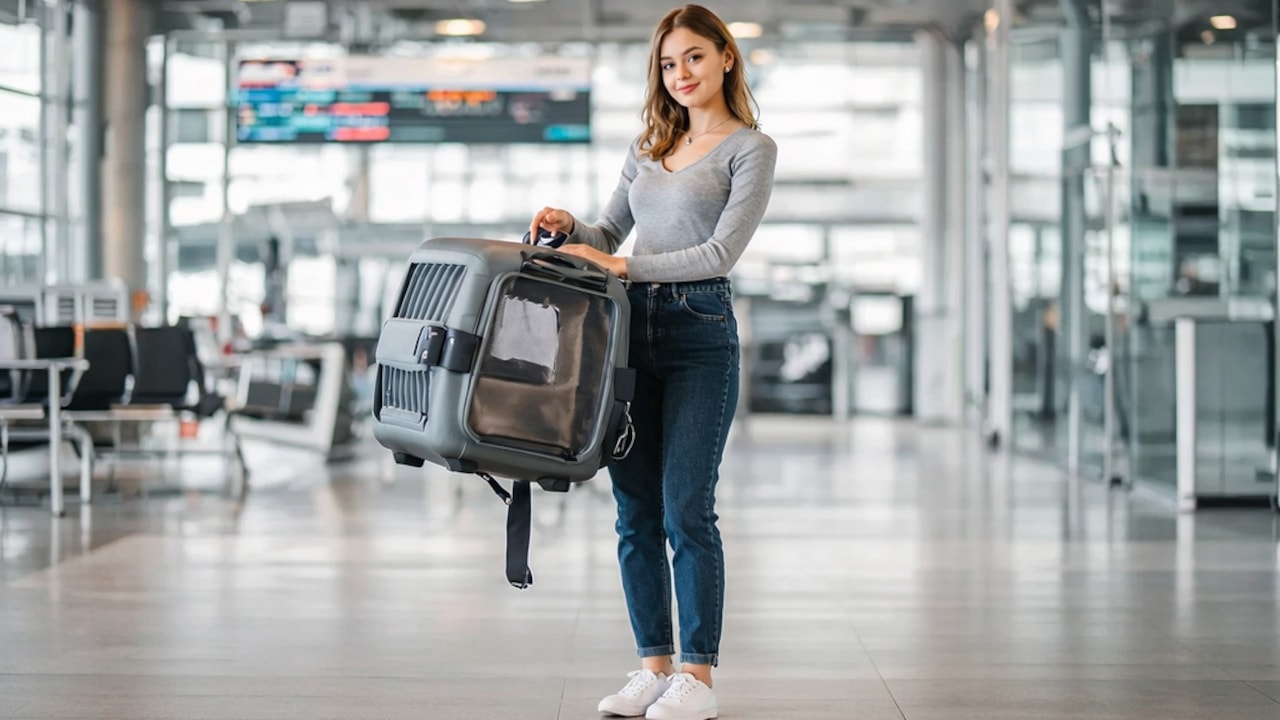
Try these tips to find the best pet carrier for your furry friend
Until you stand at a check-in counter and hear that the bag doesn't fit, no one informs you about the specific airline pet policies. The carrier has to go under the seat in front, the dimensions have to match what that airline allows, and the animal has to fit inside it with room to move. Miss any one of those and the options get bad fast. Below is a practical breakdown of how to measure your pet, what airline size limits actually mean in practice, how to choose between soft and durable carriers, and which products are worth looking at right now. Read this guide before you buy anything.
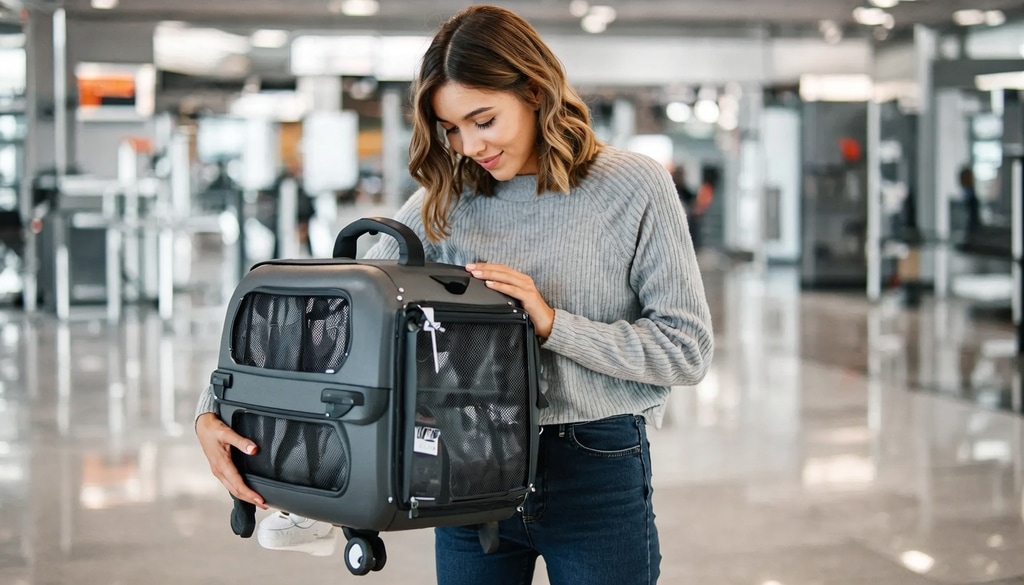
What airlines inspect: exact carrier dimensions, ventilation, locks, and pet comfort checks before boarding.
Photo Credit: iStock
Why The Carrier Size Is The Thing Airlines Actually Check
On most domestic Indian flights, a pet travels in the cabin only if the carrier fits under the seat in front. That space is roughly 45 x 35 x 20 cm on most aircraft, though it shifts depending on the airline and the plane type. A carrier that's a few centimetres over in any direction won't fit. It goes to cargo.
Also Read: Best Pet Travel Bowls For Road Trips
Size also matters from the animal's side. The pet has to be able to stand up, turn around and lie down in a natural position. If the carrier is too small, it will cause distress for the entire flight. Too large and the carrier may not be airline-approved even if it technically fits under the seat, since airlines set maximum dimensions, not just minimums. Both ends of the size range matter.
The Mistakes That Get People Turned Away At The Gate
Buying a carrier based on the product description rather than the actual internal measurements is the most common one. 'Suitable for small pets' tells you nothing. You need the internal dimensions of the carrier and your pet's actual height and length before you can know whether it works.
The second mistake is assuming that all airlines have the same rules. IndiGo, Air India and SpiceJet each have slightly different policies on dimensions, combined weight limits, and which animals they allow in the cabin. Check your specific airline's pet policy before you buy anything, not after.
Skipping ventilation is a third factor that people often underestimate. Under-seat airflow is limited, and a carrier with mesh panels on only one side gets warm fast over a two-hour flight. Three-sided mesh is worth looking for specifically.
How To Measure Your Pet And Choose The Right Carrier Size
Takes about two minutes and saves a much longer problem at the airport.
Step 1: Measure your pet's height
Get your pet to stand naturally and measure from the floor to the top of its head or the tips of its ears if those stand upright. Add five centimetres. That number is the minimum internal height the carrier needs to have.
Step 2: Measure your pet's length
Nose to the base of the tail, not the tip. Add five centimetres. Most pets curl up anyway, so the adjustment is more about not cramping them than about fitting exactly. It still matters.
Step 3: Look up your airline's actual size limit
Go to the airline's website, find the pet policy, and write down the maximum external dimensions for in-cabin carriers. Do not rely on information from others or your memories of past trips. Policies change.
Step 4: Match internal carrier dimensions to your measurements
Most product listings show external measurements. Subtract two to three centimetres from each side to estimate internal space. If the listing doesn't give internal dimensions at all, contact the seller before buying.
Step 5: Check the combined weight
Weigh your pet and add the carrier's empty weight. Most airlines allow five to eight kilograms combined for in-cabin travel. If you're nearing the limit, weigh everything before choosing a carrier.
Step 6: Don't rely only on 'airline-approved' labelling
Carriers marketed as airline-approved are built to typical under-seat dimensions, which is a useful starting point. But it doesn't mean every airline will accept them. It means they were designed with the standard in mind. Verify against your specific route and airline.
Step 7: Introduce the carrier before travel day
Put it out at home a week before the flight with something familiar inside. Let your pet go in and out at their own pace. An animal that already knows the carrier as a normal object handles the actual flight considerably better.
Step 8: Put a worn item inside on the day
A t-shirt you've slept in or a small blanket from home reduces anxiety when placed inside the carrier on the travel day. Don't wash it first. The point is the smell.
Soft-sided vs Hard-sided For flights
Soft-sided carriers are the standard for cabin travel and there are good reasons for that. They compress slightly when pushed under the seat, which saves you when the fit is tight. The mesh sides let air through. They're lighter, which helps with the combined weight limit. If you're flying with a pet in the cabin, soft-sided is almost always the right answer.
Hard carriers belong in cargo. The rigid structure protects the animal and the carrier sits in the hold rather than under a seat, so the size constraints are different. If your pet is flying as checked baggage or cargo, a sturdy carrier with IATA-compliant locks and live animal labelling is what you need. For the cabin, it's soft-sided.
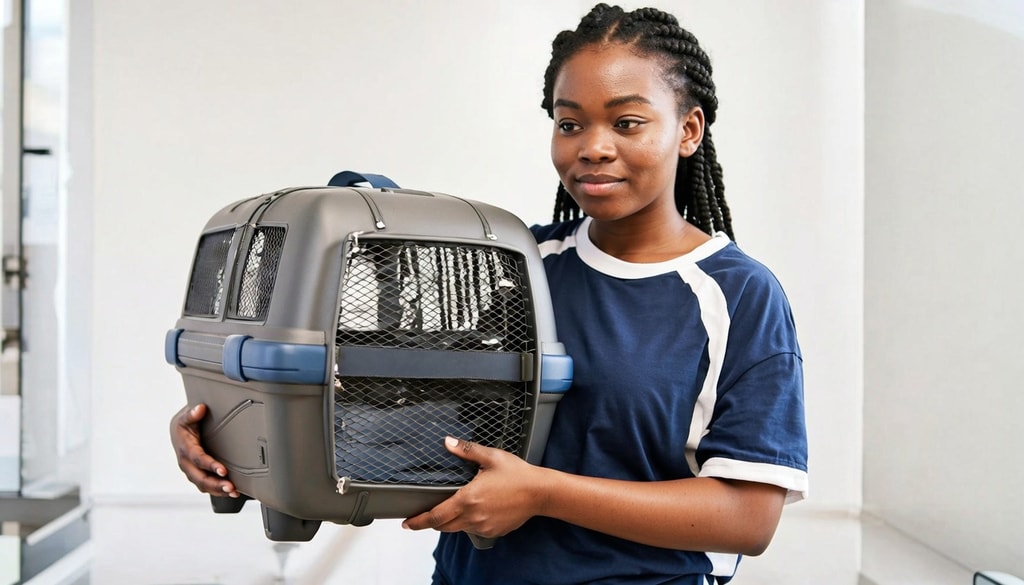
Top-rated carriers worth buying: sturdy, airline-approved options that balance safety, comfort, and easy measuring.
Photo Credit: iStock
Some Pet Carrier Options You May Like
1. KIKA Goldfinch Pet Carrier
2. PETARCHI Design Studio Airline Compliant Pet Carrier
3. Husky Purr Expandable Soft-Sided Anti-Scratch Pet Carrier
4. KUTKUT Airline Approved Collapsible Pet Carrier
5. PetVogue Medium Pet Carrier
6. Lollimeow Pet Backpack Carrier
7. Lekebobor Expandable Foldable Pet Backpack Carrier
8. PETANGEL Airline Approved Collapsible Pet Carrier
Frequently Asked Questions (FAQs)
1. What size pet carrier fits under an airplane seat?
Most domestic Indian airlines allow roughly 45 x 35 x 20 cm pet carrier, but the limit varies by airline and aircraft type. Check your specific airline's pet policy page before buying. What works on IndiGo may not work on Air India.
2. How do I know if my pet is too big for cabin travel?
Most airlines set a combined limit of five to eight kilograms for the pet and carrier together. Weigh your pet, add the carrier's empty weight, and check that number against your airline's limit before you book the ticket.
3. Can I use any soft bag as a pet carrier on a flight?
No. The bag needs mesh ventilation on multiple sides, enough structure to hold its shape with the animal inside, and dimensions within the airline's limits. A regular tote or duffel doesn't pass the check.
4. Should I sedate my pet before a flight?
Most vets say no. Sedatives affect balance and breathing differently at altitude, and the risks usually outweigh the benefits. A familiar carrier and a worn item from home do more for most animals than medication.
5. Do I need to declare my pet when booking?
Yes, and do it when you buy the ticket, not at the airport. Most airlines require advance notice, charge a separate fee for in-cabin pets, and have limits on how many animals they allow per flight. Avoid waiting until the last minute to make arrangements.
(Disclaimer: This article may include references to or features of products and services made available through affiliate marketing campaigns. NDTV Convergence Limited (“NDTV”) strives to maintain editorial independence while participating in such campaigns. NDTV does not assume responsibility for the performance or claims of any featured products or services.)