10 Reasons Wedge Heels Feel Unstable Despite Having A Wide Sole
Wide soles may look stable, but wedge heels can still wobble. From rigid platforms and poor grip to loose straps and uneven weight distribution, several design factors can make every step feel less secure.
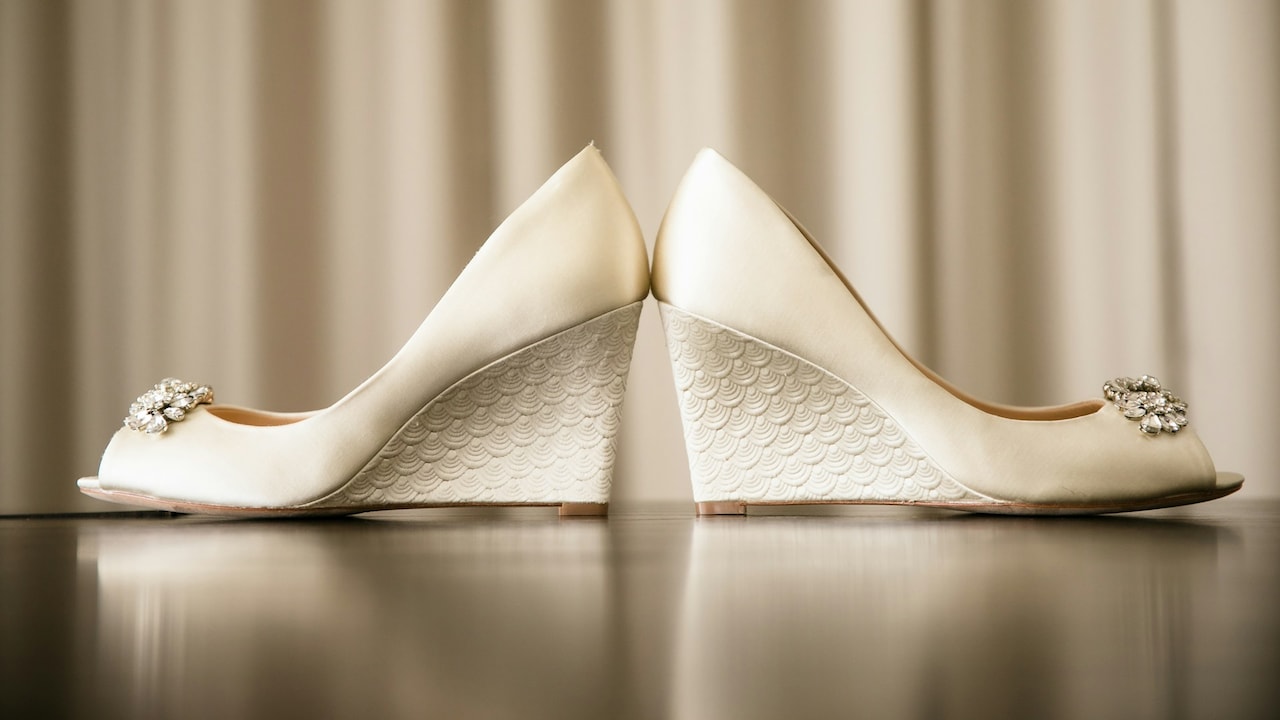
How to choose the best pair of wedge heels
At first glance, wedge heels seem like the sensible cousin of stilettos. Instead of balancing on a narrow heel, the foot rests above a solid-looking platform that stretches from the back of the shoe towards the front. Surely that should mean better balance. Yet anyone who has hurried across an uneven footpath in wedges knows appearances can be deceptive. One slightly raised paving stone and suddenly the ankle is negotiating terms with gravity. A wide sole does provide more surface area, but stability depends on how the entire shoe interacts with the foot and the ground. Heel height, platform thickness, sole flexibility and even the shape of the upper can change how secure a wedge feels.
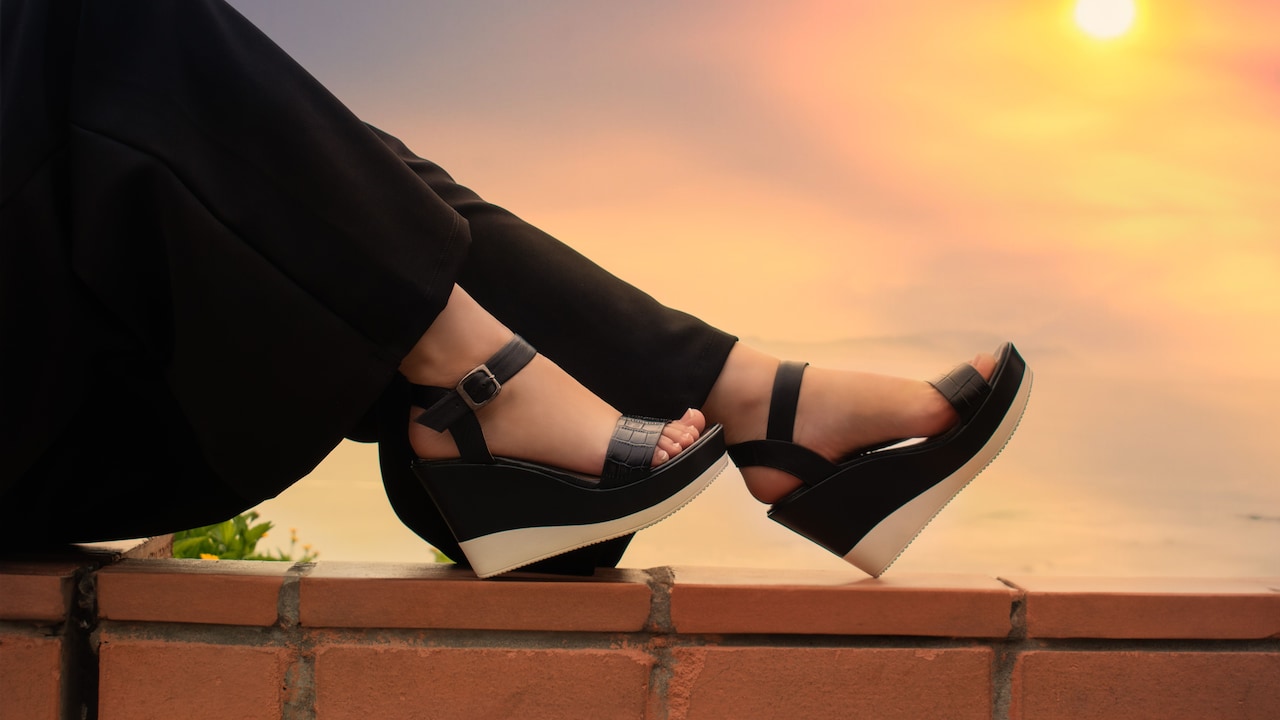
Why do some wedge heels feel uncomfortable for daily use
Photo Credit: Pexels
Some designs work beautifully for long lunches, office gatherings and festive evenings. Others feel uncertain within ten minutes of walking from the cab to the venue. Here are ten reasons wedge heels can feel surprisingly unstable despite their broad base.
Also Read: Festive Footwear Edit: Discover Styles That Pair Perfectly With Sarees, Suits And More
Why Wide Soles Don't Always Mean Better Balance
1. The Heel Height Still Shifts Your Centre Of Gravity
A wedge may have a wide sole, but height still matters. Raising the heel changes the body's natural centre of gravity and pushes more weight towards the front of the foot. The higher the wedge, the more noticeable this shift becomes.
That change can make walking feel less natural, particularly when the platform beneath the toes is much lower than the heel. The foot sits at a steeper angle, which places greater pressure on the ball of the foot and demands more work from the ankles.
Picture stepping out for a wedding reception in a pair of glamorous wedges. They feel perfectly comfortable while standing near the buffet table. The trouble begins when the evening involves several trips across marble flooring.
A broad heel cannot completely cancel the effect of elevation. Stability improves when the difference between heel height and forefoot height remains moderate.
That is why a chunky-looking six-inch wedge can sometimes feel less secure than a much slimmer three-inch heel. Width helps, but geometry still wins.
2. A Thick Platform Can Reduce Your Sense Of The Ground
Feet constantly receive tiny signals from the ground while walking. Those signals help the body adjust balance without much conscious thought.
Very thick wedge soles can interrupt that feedback.
When several centimetres of cork, foam, rubber or synthetic material sit between the foot and the pavement, it becomes harder to sense subtle changes in the surface. A slight slope, small stone or uneven tile may register later than it would in flatter footwear.
This delayed response can create that strange floating sensation some wedges produce.
It becomes especially noticeable on older footpaths, garden venues or outdoor cafés where the ground refuses to behave like a perfectly level shopping-mall floor.
A thick platform can certainly make high heels more comfortable by reducing the angle of the foot. However, excessive thickness may also make each step feel less connected to the ground.
Good wedge design finds a balance. The platform should provide cushioning without making the wearer feel as though each foot has been placed on a small, fashionable brick.
3. Rigid Soles Make Natural Foot Movement Difficult
A healthy walking motion involves the foot rolling from heel to toe. Flexible footwear allows this movement to happen smoothly.
Some wedge heels barely bend at all.
The continuous sole may contain stiff wood, dense cork, hard plastic or reinforced synthetic material. Instead of flexing naturally with the foot, the entire shoe moves almost like one solid unit.
That can make the stride feel awkward and slightly mechanical.
The effect becomes more obvious while climbing stairs or walking quickly. The foot wants to bend at the toes, but the shoe refuses to cooperate. The wearer then compensates by lifting the leg differently or taking shorter steps.
That altered movement can reduce balance.
It also explains why certain wedges feel perfectly manageable while standing but unexpectedly clumsy once walking begins.
Before buying a pair, gently test whether the front section bends at least a little. Nobody needs a wedge to fold like a ballet slipper, but some controlled flexibility usually makes movement feel smoother, more natural and considerably less precarious.
4. Poor Arch Support Can Leave The Foot Sliding Around
A wide outsole does not automatically mean the foot itself sits securely inside the shoe.
If the arch support is weak or badly positioned, the foot may slide forwards or sideways with every step. That movement reduces control even though the shoe has a broad base.
The problem appears often in wedges with steep slopes.
Gravity naturally encourages the foot to move towards the toe area. Without proper arch support, a secure strap or a well-shaped footbed, the toes may end up gripping the shoe simply to keep it in place.
That is hardly a relaxing way to spend an evening.
Foot shape also matters. Someone with a high arch may find a flat footbed uncomfortable, while another person may find aggressive arch support equally troublesome.
The best wedge should feel supportive through the middle of the foot rather than relying entirely on toe straps.
A ₹3,000 pair with thoughtful internal shaping can feel far steadier than a more expensive design that looks beautiful but treats the footbed as an afterthought.
5. Loose Straps Can Cancel Out The Benefit Of A Wide Sole
Straps play a much bigger role in stability than they receive credit for.
A wedge can have a wonderfully broad sole, but if the upper fails to hold the foot securely, balance becomes harder. Loose ankle straps, stretchy materials and wide toe openings can allow the foot to move independently from the shoe.
That tiny delay between the foot moving and the shoe following creates instability.
Backless wedge sandals can be particularly tricky. Without support around the heel, the wearer may subconsciously grip with the toes to stop the shoe from slipping away.
That changes the natural walking pattern and can become tiring surprisingly quickly.
Secure does not mean painfully tight, of course. Straps should hold the foot without digging into the skin.
Adjustable ankle straps often work well because they allow the fit to change slightly during the day. Feet can swell in hot weather, especially after several hours outdoors.
When the foot and shoe move together as one unit, even a higher wedge can feel far more controlled.
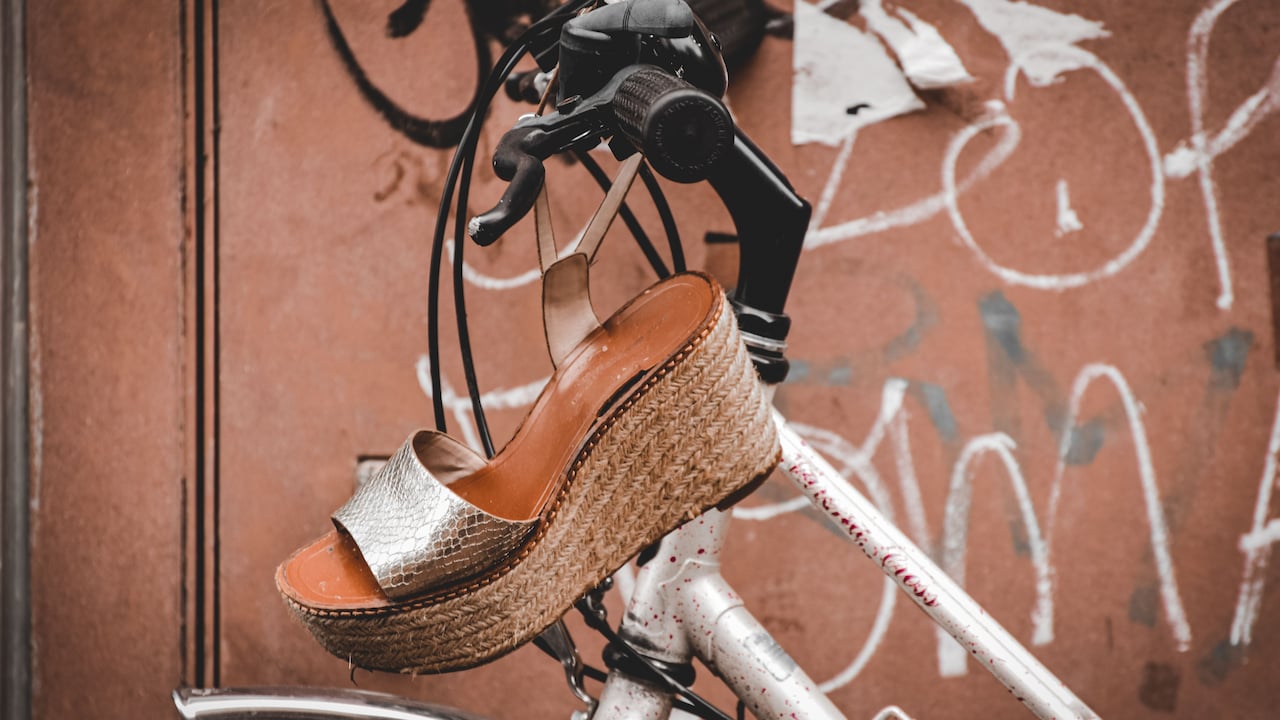
Wedge heels with loose strap can make them feel wobbly
Photo Credit: Pexels
6. The Sole May Be Wide But Narrow Where It Matters
Not every wedge has the same width from heel to toe.
Some designs look broad from the side yet taper dramatically underneath the heel or midfoot. Others curve inward for a sleeker silhouette.
That narrowing can reduce the actual contact area with the ground.
The result often appears during sideways movement. Walking straight may feel perfectly comfortable, but turning suddenly or stepping around someone in a crowded room can make the shoe feel less predictable.
This becomes more noticeable when the outer edge of the sole does not sit directly beneath the foot.
A genuinely stable wedge usually provides good support around the heel and forefoot, not merely visual thickness.
Looking at the shoe from underneath can reveal more than admiring it from the side.
If the outsole resembles a narrow hourglass shape, the broad appearance may be slightly misleading.
Fashion designers understandably want wedges to look elegant rather than bulky. However, shaving too much width from crucial areas can turn a seemingly dependable shoe into one that demands constant attention.
7. Smooth Outsoles Can Struggle On Polished Floors
A stable shape means little if the sole cannot grip the surface underneath it.
Some wedge heels come with beautifully finished but extremely smooth outsoles. They may look pristine in the box and behave very differently on marble, glossy tiles or recently cleaned floors.
The problem becomes familiar at banquet halls, offices, malls and restaurants where polished flooring is common.
Even a slight loss of traction can make the foot slide forwards or sideways. Because wedges often have a larger rigid sole, recovering from that movement may feel harder than in flexible flat shoes.
Rubberised outsoles or textured tread patterns usually offer better grip.
New footwear can sometimes feel particularly slippery because the outsole has not developed any surface texture through wear.
It is worth checking traction before wearing fresh wedges to an important event. A glamorous entrance loses some charm when every step resembles a cautious experiment in physics.
Good grip rarely attracts attention in the showroom, but it becomes one of the most valuable features once the evening begins.
8. Heavy Wedges Can Make Each Step Harder To Control
Wedge heels can be surprisingly heavy.
Wooden platforms, thick rubber soles and dense synthetic materials may add considerable weight to each shoe. While that weight can make the wedge feel substantial, it can also affect walking control.
Heavy footwear requires more effort to lift and place accurately.
After several hours, tired legs may start dragging slightly. The foot can land less precisely, especially while climbing stairs or walking quickly.
This is when a seemingly stable shoe begins feeling cumbersome.
The difference becomes obvious when comparing two visually similar pairs. One may feel almost weightless because the platform uses lightweight foam or cork. Another may feel as though each foot has been assigned a small dumbbell.
Weight does not automatically make a wedge unsafe. A little substance can actually feel reassuring.
Problems arise when the shoe feels noticeably tiring after only a short walk.
Picking up the pair before trying it on can offer an early clue. If the shoes feel unusually heavy in the hands, the legs will certainly notice too.
9. Uneven Ground Challenges The Entire Platform
Wedges perform best when most of the sole can meet a reasonably flat surface.
Uneven ground changes that equation.
On cobblestones, broken pavements, grass or gravel, only part of the platform may touch the ground at any moment. Because the sole often behaves as one rigid piece, it cannot adapt to irregular surfaces as easily as flexible footwear.
Imagine walking across a lawn during an outdoor celebration. One side of the wedge may rest on firmer ground while the other sinks slightly into softer soil.
The shoe suddenly tilts.
A wide platform then becomes less helpful because the entire base moves together.
This is one reason wedges can feel secure indoors and surprisingly challenging outdoors.
Lower wedges with flexible rubber soles usually manage uneven terrain more comfortably than tall, rigid platforms.
For events that involve garden paths, heritage venues or long walks from parking areas, terrain deserves as much attention as outfit coordination.
The prettiest footwear choice rarely feels worthwhile when every patch of gravel becomes a minor obstacle course.
10. The Shoe Shape May Not Match Your Foot Shape
Perhaps the most overlooked reason for unstable wedges is simple: the shoe may not suit the wearer's foot.
Feet vary enormously in width, arch height, toe shape and heel size. A wedge designed around one type of foot may feel awkward on another, even when the labelled size seems correct.
Someone with narrow heels may experience slipping at the back. A wider forefoot may feel squeezed into a tapered toe box. High arches may struggle with flat footbeds, while flatter feet can feel uncomfortable in aggressively sculpted designs.
These small fit problems affect balance because the foot keeps adjusting inside the shoe.
Trying a larger size does not always solve the issue either. Extra length can introduce new movement and make the wedge feel even less secure.
The best test involves more than standing in front of a mirror.
Walk around. Turn sharply. Try a few steps at a normal pace. Notice whether the heel lifts, the toes grip or the foot slides forwards.
A properly fitted wedge should feel controlled without demanding constant concentration.
Products Related To This Article
1. House of Pataudi Embellished Floral Wedge Heels
2. Bata Women Wedge Heel Sandals
3. Monrow Vulan Textured Round Toe Wedge Mules
4. House of Pataudi Embellished Ethnic Wedge Heels
5. Max PU Heels
6. Denill Wedge Heels Sandals
7. Mochi Womens Pink Wedge Heel Sandals
Wedge heels deserve their reputation for offering more support than many traditional high heels, but a wide sole does not guarantee effortless stability.
Height changes weight distribution. Thick platforms reduce ground feedback. Rigid soles restrict natural movement, while poor straps and weak arch support allow the foot to shift inside the shoe. Add slippery flooring or an uneven pavement, and that reassuring block beneath the foot can suddenly feel less dependable.
The good news is that comfortable wedges do exist.
Look beyond appearance and pay attention to fit, flexibility, grip, weight and platform height. Walk around before buying rather than judging comfort while standing still.
Most importantly, choose the pair that suits both the foot and the occasion. A towering platform may look perfect for photographs, while a lower, flexible wedge could prove far more enjoyable once the celebration stretches into several hours.
Fashion should occasionally create butterflies, but footwear should not make every step feel like one.
(Disclaimer: This article may include references to or features of products and services made available through affiliate marketing campaigns. NDTV Convergence Limited (“NDTV”) strives to maintain editorial independence while participating in such campaigns. NDTV does not assume responsibility for the performance or claims of any featured products or services.)