Does A Wrap Dress Always Adjust To Your Body? 10 Fit Myths Explained
A wrap dress may adjust at the waist, but that does not guarantee a perfect fit. From bust gaping to skirt overlap, these 10 common myths reveal what really determines comfort, shape and fit.
Does A Wrap Dress Always Adjust To Your Body? 10 Fit Myths Explained
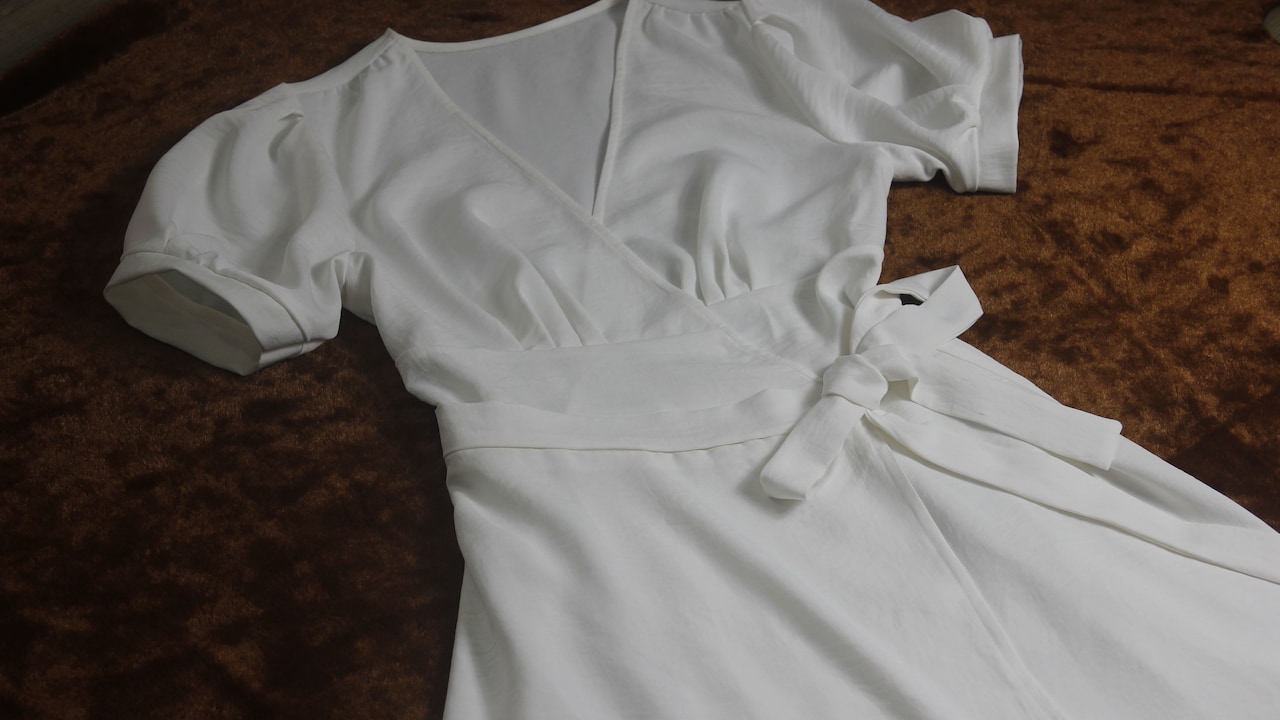
Few dresses have built such a loyal fan club as the wrap dress. It looks effortless, feels forgiving and often saves the day when getting dressed becomes a small morning crisis. Tie it at the waist, add flats or heels, and the outfit appears sorted. That convenience, however, has created a slightly exaggerated reputation. A wrap dress may be adjustable, but it is not infinitely adaptable. The tie can change the waist fit, yet it cannot fix narrow shoulders, awkward armholes, a neckline that keeps shifting or fabric that clings in all the wrong places.
Does A Wrap Dress Always Adjust To Your Body? 10 Fit Myths Explained
Photo Credit: Pexels
Anyone who has stood inside a trial room pulling one side tighter while wondering why the neckline suddenly resembles a geometry experiment already knows this.
The real secret lies in understanding what a wrap dress can adjust and what it cannot. Once those details become clear, shopping gets easier, tailoring becomes more sensible and that much-promised “universally flattering” fit starts feeling far less mysterious.
Before You Trust The Wrap: What Really Determines The Fit
1. Myth: A Wrap Dress Automatically Fits Every Body Shape
The phrase “universally flattering” follows wrap dresses around like a catchy advertising jingle. It sounds reassuring, but bodies are far too varied for one dress construction to flatter everyone in exactly the same way.
A wrap dress creates definition through the waist and diagonal neckline. That combination can balance proportions beautifully. Yet the effect depends on where the waist seam sits, how much fabric crosses the torso and how freely the skirt falls.
Someone with a shorter torso may find the waist sitting too low. A longer torso can make the same dress feel oddly high-waisted. Fuller hips may need more fabric through the skirt, while straighter body shapes might prefer a wrap with sharper waist shaping.
The adjustable tie certainly helps, but it mainly controls circumference around the waist. It cannot completely reshape the shoulder, bust or hip area.
Think of a wrap dress as flexible rather than magical. A well-cut version can feel wonderfully accommodating. The wrong cut can still bunch, gape or pull, no matter how enthusiastically the tie gets tightened.
The best fit comes from choosing the right proportions first and relying on the wrap feature second.
2. Myth: The Waist Tie Can Fix Any Fit Problem
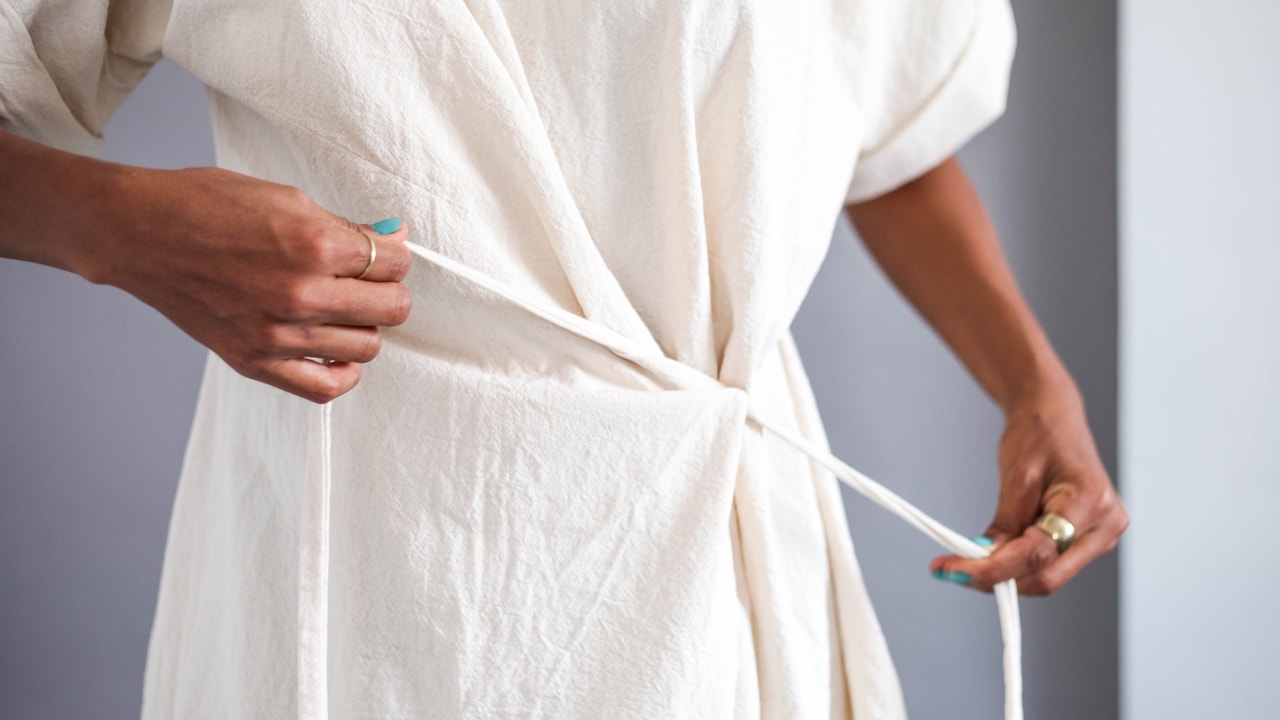
A waist tie looks powerful. Pull it tighter and the dress becomes smaller. Loosen it and suddenly there is breathing room after a generous Sunday lunch. That flexibility is useful, but the tie has limits.
Most wrap ties mainly adjust the waist. They cannot repair shoulders that slide down, sleeves that pinch or a bodice that feels too short. Tightening the tie excessively can actually create new problems.
For example, someone may tighten the waist to stop the neckline from gaping. The neckline might improve slightly, but the skirt can start pulling across the hips. The waist may also bunch into folds that look less like elegant draping and more like hurried gift wrapping.
A good wrap dress should already sit comfortably across the upper body before the tie does its work.
Check the shoulders first. Then look at bust coverage and arm movement. Finally, adjust the waist.
If everything above the waist needs constant tugging, the problem probably lies in the cut rather than the knot.
The tie should refine the fit, not rescue it. When one little fabric belt is doing the work of an entire tailoring department, the dress is asking too much of it.
3. Myth: Wrap Dresses Never Gape At The Bust
This may be the most famous wrap dress surprise.
The V-neckline looks graceful on the hanger. Then comes sitting, bending, reaching for a handbag or leaning across a café table, and suddenly the neckline begins negotiating its own terms.
Gaping happens because the two front panels need enough overlap to stay secure while the body moves. Bust shape, torso length and fabric stretch all affect that overlap.
A fuller bust may push the panels apart. A smaller bust can also experience gaping if the bodice has too much fabric. Slippery satin-like materials may shift more than stable cotton or jersey.
The solution is not always buying a smaller size. A smaller dress can become tight across the back or shoulders while the neckline still refuses to cooperate.
Instead, check how much the front panels overlap before buying. Move around in the trial room. Sit down. Bend slightly. Raise both arms.
Small alterations can also help. A discreet snap button, tiny hook or modesty panel often costs very little at a neighbourhood tailor and can make the dress far more practical.
A wrap neckline should feel relaxed, not like something requiring constant surveillance.
4. Myth: Tighter Always Means More Flattering
Fashion advice often treats a defined waist as though tighter automatically means better. With wrap dresses, that idea can quickly become uncomfortable.
The beauty of the silhouette comes from gentle shaping. The waist should feel secure without creating deep pulling lines across the stomach, back or hips.
When the tie is pulled too tightly, the front panels may stretch apart. The neckline can become lower, the skirt can open more while walking and the fabric may gather unevenly around the waist.
Comfort matters visually too. Clothing usually looks better when the wearer can move naturally rather than spending the evening adjusting knots and checking whether the skirt has shifted.
A useful test involves taking a full breath after tying the dress. Sit down as well. If the waist suddenly feels restrictive, loosen it slightly.
Many fabrics also behave differently after a few hours. Jersey can stretch, while woven materials may feel firmer after a meal or long period of sitting.
A flattering wrap dress follows the body without fighting it.
The goal is definition, not compression. If breathing comfortably feels like an optional feature, the knot has gone too far.
Also Read: Everyday Dresses You Can Actually Move Freely In: 10 Fabrics, Fits and Lengths That Feel Easy
5. Myth: Your Usual Size Will Always Work
Sizing in fashion can sometimes feel like a practical joke with excellent lighting.
A medium in one brand can resemble a small elsewhere. Another label may cut generously through the waist but narrowly through the shoulders. Wrap dresses add another complication because their adjustability can disguise sizing problems at first.
Someone who usually wears one size may find that the smaller option technically closes but provides too little front overlap. The larger size might sit better across the bust yet feel loose at the shoulder.
This is why the size printed on the label should act as a starting point rather than a verdict.
Look at the actual fit instead. The shoulder seam should sit near the shoulder edge. The neckline should stay secure. The waist should land close to the natural waist unless the design intentionally sits higher or lower.
Also check the skirt overlap. It needs enough coverage for walking, climbing stairs and getting into a cab without turning every movement into a modesty calculation.
When shopping online, measurements are more useful than assumptions. Compare the garment chart with bust, waist and hip measurements.
The best-fitting size wins, even if the number on the tag feels unexpected.
6. Myth: Stretchy Fabric Guarantees A Better Fit
Stretch sounds like the perfect solution to fit problems. Jersey stretches, moves and often feels comfortable in humid weather. Yet flexibility does not automatically create good structure.
A very stretchy wrap dress may mould beautifully to the body, but it can also cling around areas where a softer fall would feel more comfortable. Thin jersey may show underwear lines or pull around the tie point.
On the other hand, woven fabrics such as cotton blends, crepe or linen blends can offer a cleaner silhouette. They may have less stretch, but good cutting can provide excellent shape.
Fabric weight matters as much as elasticity.
A slightly heavier jersey often drapes more smoothly than an extremely thin one. Crepe can skim the body without sticking. Cotton may feel crisp and fresh but needs enough ease around the bust and hips.
Climate matters too. A thick synthetic wrap dress can become unpleasant during a warm commute, regardless of how well it stretches.
Before buying, pinch a little fabric and let it fall. Check whether it springs back, wrinkles heavily or turns transparent when stretched.
The best fabric supports the design. Stretch is useful, but thoughtful drape often matters more.

Does A Wrap Dress Always Adjust To Your Body? 10 Fit Myths Explained
Photo Credit: Pexels
7. Myth: The Wrap Skirt Will Always Stay Closed
A wrap skirt can look perfectly secure while standing in front of a mirror. Walking outdoors may tell a different story.
Because the front of a true wrap dress consists of overlapping panels, movement can separate them. Long strides, stairs, windy weather and getting on or off a two-wheeler can all test that overlap.
The amount of coverage varies dramatically between designs.
Some dresses have generous panels that overlap almost to the opposite side seam. Others provide only a narrow crossing near the front. Those slimmer overlaps may look elegant in photographs but require more attention during everyday wear.
Before buying, take several wide steps in the trial room. Sit down and cross the legs. Check how far the lower panel moves.
A hidden inner tie can also improve security. Some designs include one side tie inside the dress and another outer belt, creating a stronger double fastening.
If the dress is lovely but the skirt feels risky, a tailor may be able to add a discreet snap or extend the inner fastening. A slip can offer extra confidence too.
A wrap skirt should move attractively in the breeze, not turn every gust into an unexpected action sequence.
8. Myth: The Waist Should Sit In The Same Place On Everyone
The phrase “natural waist” sounds wonderfully straightforward until different torso lengths enter the conversation.
Most wrap dresses are designed with a particular waist position in mind. Yet the same seam or tie can fall very differently from person to person.
On a shorter torso, the waist may sit near the hips and make the bodice look loose. On a longer torso, it can creep upwards towards the ribs and leave the skirt starting higher than intended.
Neither situation means the body is wrong for wrap dresses. It simply means the garment proportions need adjustment.
Petite, tall and regular sizing can make a noticeable difference when available. Even a few centimetres in bodice length can change how the entire dress hangs.
The waist position also affects the neckline. If the bodice is too long, the front may gape. If it is too short, the neckline can pull and the tie may ride upwards.
When trying a wrap dress, pay attention to where the waist naturally settles rather than forcing the tie into place.
A good waistline feels as though it belongs there. It should not require repeated pulling every time the wearer stands up.
9. Myth: Tailoring A Wrap Dress Defeats The Purpose
Some shoppers avoid altering wrap dresses because adjustability is supposed to be the whole point. Yet minor tailoring can turn an almost-right dress into a wardrobe favourite.
The adjustable waist handles only one part of the garment. Other areas can still benefit from refinement.
A tailor can shorten sleeves, raise a low neckline slightly, secure an inner panel or adjust shoulder seams. The hem can also be balanced if the front hangs lower because of body shape or fabric movement.
These changes do not remove the flexibility of the wrap design. They simply help the dress sit correctly before the tie is fastened.
Simple alterations are often affordable too. Depending on the city, fabric and complexity, a small adjustment may cost a few hundred rupees rather than requiring an entirely new outfit.
That can be worthwhile for a dress destined for regular office wear, dinners, festive gatherings or holidays.
The key is knowing when alteration makes sense. Minor fit corrections are usually manageable. Major reconstruction around the shoulders or armholes may cost more than the dress deserves.
A wrap dress does not need to fit perfectly straight from the rack. Sometimes the most flattering clothes are the ones that have met a good tailor.
10. Myth: If It Looks Good Standing Still, The Fit Is Perfect
Trial-room mirrors are useful, but they can encourage one major mistake: judging clothes while standing perfectly still.
Real life involves sitting through meetings, reaching for metro handles, climbing stairs, carrying tote bags and occasionally attempting graceful exits from auto-rickshaws. A wrap dress needs to survive all of it.
Movement reveals problems that a mirror pose may hide.
Sit down and check the neckline. Walk quickly and watch the skirt overlap. Lift the arms to see whether the waist rises. Twist slightly to check whether the back pulls.
Pay attention to the tie as well. Some smooth fabrics loosen gradually during the day. Others form bulky knots that become uncomfortable when sitting against a chair.
Footwear can change the impression too. A midi wrap dress that looks balanced with heels may feel longer with flats. Trying the dress with shoes similar to those usually worn can help.
Fit is not simply about appearance. It is about how clothing behaves around a moving body.
If a dress looks lovely but demands constant adjusting, it is not truly fitting well. The best wrap dress lets the wearer forget about the dress and get on with the day.

Does A Wrap Dress Always Adjust To Your Body? 10 Fit Myths Explained
Photo Credit: Pexels
Products Related To This Article
1. Aayu Georgette Maxi Wrap Dress
2. ZWERLON Print Flutter Sleeve Maxi Dress
3. Tokyo Talkies Blue Self Design Shoulder Straps Wrap Dress
4. Stylecast X Slyck Women Puff Sleeve Wrap Dress
5. Mast & Harbour Floral Printed Wrap Dress
6. Styli Floral Printed V-Neck Maxi Wrap Dress
7. Styli Accordion Pleated Wrap Maxi Dress
A wrap dress deserves much of its popularity. Few styles combine softness, waist definition and everyday versatility quite so easily. Yet its famous adjustability has limits.
The tie can accommodate changes around the waist, but it cannot solve every issue involving shoulders, bust coverage, torso length, fabric or skirt overlap. Good fit still depends on thoughtful proportions and sensible construction.
That does not make wrap dresses difficult. It simply makes shopping for them more realistic.
Check the shoulders before tightening the waist. Test the neckline while moving. Look for generous skirt overlap and pay attention to fabric weight. Most importantly, judge the dress by comfort rather than the size printed on the label.
Sometimes the perfect wrap dress fits straight from the rack. Sometimes a ₹300 tailoring tweak turns a nearly perfect one into something worn for years.
Either way, the goal is not to force the body to suit the dress. It is to find a dress whose wrap, drape and proportions work comfortably with the body wearing it.
(Disclaimer: This article may include references to or features of products and services made available through affiliate marketing campaigns. NDTV Convergence Limited (“NDTV”) strives to maintain editorial independence while participating in such campaigns. NDTV does not assume responsibility for the performance or claims of any featured products or services.)