10 Reasons Shirt Dresses Gap Between Buttons Even When The Size Is Right
Shirt dresses can gap between buttons even when the size fits perfectly. From fabric tension and button placement to bust shape and dress construction, here are 10 common reasons behind the problem and what they reveal about fit.

Shirt Dress Button Gaping: 10 Causes and Easy Fixes
Few wardrobe moments are more irritating than trying on a regular dress that appears to fit perfectly, only to notice a stubborn gap between two buttons. The shoulders sit neatly. The waist feels comfortable. The hem falls exactly where it should. Then one glance in the mirror reveals a small opening across the chest or stomach that seems determined to steal the show. It is easy to blame the size label. Sometimes sizing does cause the problem, but not nearly as often as people assume. Shirt dresses rely on several moving parts working together: the fabric must fall well, the button placket must stay flat, and the garment must accommodate the body in motion. A dress can technically be the correct size while failing at one of those details. This explains why simply buying the next size up does not always solve the issue. In fact, it may leave the shoulders droopy and the waist shapeless while the troublesome gap remains. Understanding what causes button gaping makes shopping less frustrating and alterations far more effective. From fabric stretch to bust placement, here are ten reasons a shirt dress can gap even when the size seems completely right.

Shirt Dress Button Gaping: 10 Causes and Easy Fixes; Photo Credit: Pexels
Why Shirt Dresses Gap Even When They Fit Properly
1. The Fabric Has Too Little Give
A shirt dress made from rigid fabric can look sharp on a hanger and behave very differently once worn. Cotton poplin, crisp linen blends and structured polyester often have little stretch. When the body expands naturally through breathing, sitting or reaching, the fabric cannot move with it. Instead, tension travels towards the weakest points in the front opening: the spaces between buttons.
That is why a dress may look perfectly fine while standing still and suddenly gap when you sit down for lunch or reach for a bag on the top shelf.
The problem becomes especially noticeable around the bust, where the garment needs extra depth rather than simply extra width. A stiff fabric may fit the body measurements on paper yet struggle to follow curves comfortably.
A little elastane can make a surprising difference. Softer viscose, stretch cotton and fluid blends usually mould more easily around the body.
This does not mean structured shirt dresses should be avoided. They simply need better shaping. Darts, princess seams or slightly closer button spacing can help rigid fabrics behave themselves instead of turning every movement into a tiny wardrobe malfunction.
Also Read: Top 5 Oversized Shirts Under ₹2000 That Double As Dresses
2. The Buttons Are Spaced Too Far Apart
Sometimes the culprit is not the dress size at all. It is basic garment construction.
Buttons placed too far apart leave large sections of the placket unsupported. When any tension develops across the front, those unsupported sections can bow outward. The effect often looks like a small diamond-shaped opening between buttons, particularly across the fullest part of the bust.
Manufacturers often use standard button spacing across several sizes because it simplifies production. Unfortunately, bodies do not come with standardised curves. A spacing that works beautifully on one frame may become troublesome on another.
This explains why two shirt dresses in the same size can behave completely differently.
A well-designed dress often places buttons strategically around areas that experience more tension. Some brands even add a hidden button or concealed snap at bust level. It is a small detail, but one that can prevent endless mirror-checking throughout the day.
For an existing dress, a tailor can often add an extra button without dramatically changing the look. A tiny concealed press stud also works well when the gap appears in one specific spot.
Sometimes the most frustrating fashion problem really does have the simplest solution: one more button.
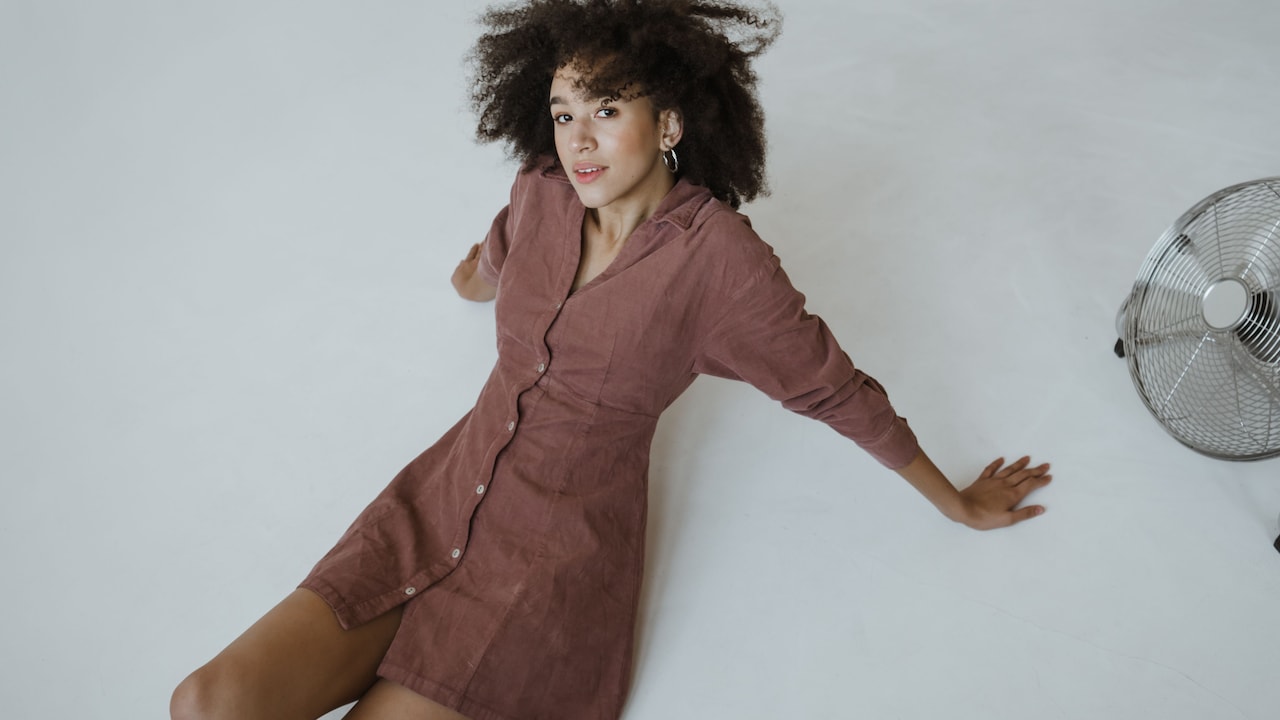
Shirt Dress Button Gaping: 10 Causes and Easy Fixes; Photo Credit: Pexels
3. Your Bust Shape Does Not Match The Dress Pattern
Clothing sizes usually work from a set of standard measurements, but bust shape varies far more than most size charts suggest.
Two people can have the same bust circumference and still need completely different amounts of fabric across the front of a shirt dress. One may carry more fullness towards the centre, another towards the sides. Some bodies need extra projection at the front, while others need more room across the upper chest.
Most mass-produced dresses cannot account for all these differences.
When the pattern does not match the wearer's shape, fabric gets pulled towards the fullest area. That creates horizontal tension, which often shows up as gaping between buttons.
This is why sizing up can feel strangely ineffective. The larger dress may add width everywhere, including the shoulders and waist, while still failing to provide the right shape across the bust.
Tailoring can solve the problem more neatly. Adding or adjusting bust darts allows the fabric to follow the body instead of stretching across it like gift wrap pulled too tightly around a box.
Fit is not just about centimetres. Shape matters just as much, and shirt dresses make that fact especially obvious.
4. The Dress Lacks Proper Bust Darts
Bust darts may not be the most glamorous feature in fashion, but they quietly perform an important job. They create three-dimensional shape in fabric that would otherwise lie flat.
Without enough dart shaping, a shirt dress has to stretch or pull around the bust. The excess tension often concentrates along the button placket, causing those familiar gaps.
Loose or oversized shirt dresses can sometimes get away without obvious darts because they contain plenty of extra ease. More fitted styles cannot. If the dress follows the waist closely but offers very little shaping around the bust, gaping becomes far more likely.
Fast-fashion designs sometimes rely on a simplified pattern to keep manufacturing efficient. The result may look sleek in photographs but feel less cooperative on a real body.
A tailor can occasionally deepen an existing dart or introduce subtle shaping through the side seam. The alteration depends on how much spare fabric the garment contains.
When shopping, look at the side of the dress rather than focusing only on the front. A neatly positioned dart pointing towards the bust can be a reassuring sign that the designer has thought about shape.
Good tailoring rarely shouts for attention. It simply allows the dress to sit where it should.
5. The Button Placket Is Too Soft
The front strip that holds the buttons and buttonholes is called the placket. Ideally, it needs enough structure to stay flat when the dress is worn.
If the placket is too soft, thin or poorly reinforced, it may twist and curl under tension. Even a small amount of pulling across the body can then create visible gaps.
This issue appears frequently in lightweight rayon, viscose and thin cotton dresses. These fabrics can feel wonderfully breezy in warm weather, but a flimsy front opening may struggle to hold its shape.
Good-quality shirt dresses often contain interfacing inside the placket. This hidden layer adds stability without making the garment feel noticeably thicker.
You can sometimes spot inadequate reinforcement by looking at the dress while it hangs freely. If the button area already looks wavy or slightly twisted before anyone wears it, the problem may become worse on the body.
A tailor may be able to strengthen the placket, although the alteration can require careful work.
For minor gaps, fashion tape or a discreet snap can offer a practical temporary fix. However, if the whole front ripples from top to bottom, the issue lies more with construction than with your measurements.
6. The Dress Fits While Standing, But Not While Moving
Fitting-room mirrors can be deceptive because most people assess clothing while standing upright and fairly still.
Real life involves sitting in a cab, leaning over a desk, reaching for a phone, climbing stairs and occasionally squeezing into a crowded café table. Every one of those movements changes the body's measurements slightly.
When you sit, the torso shortens and the waist expands. The ribcage moves during breathing. The shoulders rotate when the arms reach forward. A shirt dress with very little ease may cope beautifully while you stand and start pulling apart as soon as you move.
That does not necessarily mean the garment is too small. It may simply have been cut with insufficient wearing ease.
When trying on a shirt dress, give it a small real-world test. Sit down. Fold your arms. Reach forward. Raise your hands briefly. If the buttons immediately strain, the dress may become annoying after half an hour of wear.
Clothes should accommodate ordinary movement without demanding constant adjustments.
A dress that fits only when you stand perfectly still belongs more comfortably on a mannequin than in a busy wardrobe.
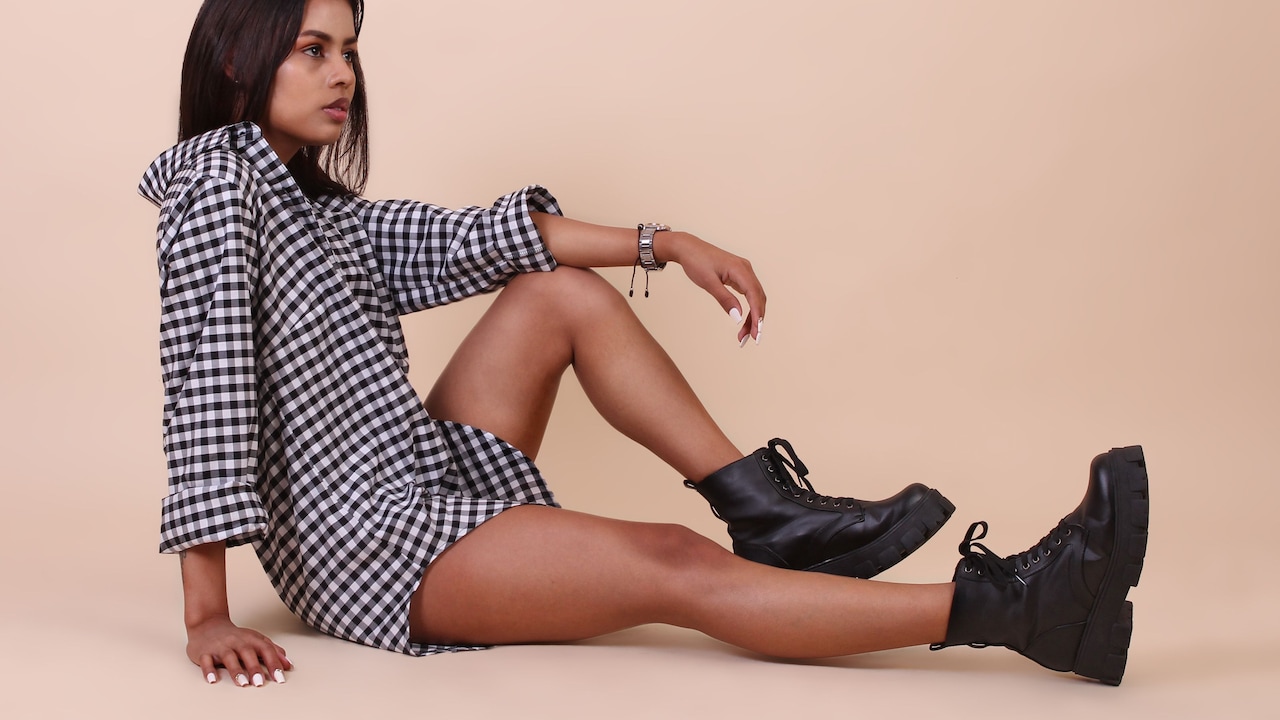
Shirt Dress Button Gaping: 10 Causes and Easy Fixes; Photo Credit: Pexels
7. Your Bra Changes The Way The Dress Fits
The bra worn underneath a shirt dress can change the fit more than expected.
Different bras alter bust height, projection and width. A heavily padded style may push the bust forward, while a minimiser redistributes volume across a wider area. A balcony bra can create a very different silhouette from a soft, unlined everyday bra.
That means a dress that lies smoothly over one bra may gap noticeably over another.
This often confuses when a shirt dress fits perfectly in the shop but behaves differently at home. The dress has not mysteriously changed overnight; the foundation underneath it may simply create another shape.
Before deciding that the garment needs alteration, try it with two or three bras already in your wardrobe. Look at where the tension appears. If the gaps disappear with a different style, the issue may not require any tailoring at all.
Of course, nobody should have to rebuild an entire lingerie drawer for one dress. The aim is simply to understand the relationship between layers.
Fashion advice often focuses on what everyone can see. Sometimes the invisible layer underneath quietly determines whether the visible one behaves.
8. The Waist Or Hips Are Pulling The Dress Down
Button gaping does not always originate exactly where the gap appears.
A shirt dress may fit comfortably across the bust but sit too snugly around the waist or hips. As the lower half pulls downward, the fabric above can shift and create tension along the button placket.
This is especially common in straight-cut shirt dresses worn on curvier frames. The upper body may have enough room, while the hip area uses every millimetre of available fabric.
Walking can make the problem more obvious. Each step pulls slightly at the lower section, and the tension travels upwards.
One clue is the direction of the wrinkles. If diagonal lines run from the buttons towards the waist or hips, the lower part of the dress may be responsible.
Sizing up could solve the issue, but only if the overall proportions remain flattering. Another option is choosing an A-line shirt dress, which gives the hips more room while keeping the upper body relatively fitted.
A tailor may also be able to release side seams if enough seam allowance exists.
The gap you see near the chest may simply be where the fabric finally gives up after being tugged from somewhere else.
9. The Dress Has Shrunk Slightly After Washing
A shirt dress can begin life as the perfect fit and develop button gaps after several washes.
Natural fibres such as cotton, linen and viscose may shrink when exposed to heat, aggressive washing cycles or tumble drying. The change can be small enough to escape immediate notice. Even a reduction of a centimetre or two across the garment, however, may affect a fitted button-front design.
The shoulders might still look right. The waist may still close comfortably. Yet the reduced fabric allowance across the bust can create extra tension between buttons.
This is why checking the care label matters, particularly with dresses that already fit closely.
Cooler washes, gentle cycles and air drying can help preserve the original dimensions. Viscose deserves particular care because it can become more vulnerable when wet and may change shape if handled roughly.
If a favourite dress suddenly starts gaping, compare its current measurements with the brand's original size chart if that information is still available.
A tiny amount of shrinkage can create a surprisingly dramatic effect.
The washing machine may look innocent, but when a once-perfect dress starts pulling at every button, it deserves at least a brief investigation.
10. The Overall Cut Simply Does Not Suit Your Proportions
Sometimes nothing is technically wrong with the dress. The size is correct, the stitching is neat and the fabric is perfectly respectable. The cut simply does not match your proportions.
Shirt dresses vary enormously. Some have straight torsos, some taper sharply at the waist, and others allow more room through the bust or hips. Even within the same size, the pattern may suit one body shape beautifully and fight another from breakfast until bedtime.
This is where shoppers can waste time blaming themselves or chasing different sizes.
If a medium pulls at the bust but a large hangs awkwardly from the shoulders, the answer may not be hidden somewhere between those two sizes. Another cut may work better.
Look for features that accommodate shape naturally. Princess seams can provide extra contouring. A-line skirts help when the hips need more room. Stretch fabrics offer flexibility, while relaxed silhouettes reduce pressure across the placket.
Alterations remain an option for a special dress, particularly one bought for a wedding, office event or festive gathering. For an everyday piece, though, comfort deserves priority.
The best shirt dress is not the one whose label matches expectations. It is the one that allows you to sit, walk, laugh and eat a plate of chaat without checking the buttons every five minutes.
Products Related To This Article
1. Cottinfab Striped Shirt Midi Dress
2. Chemistry Women Denim Shirt Midi Dress
3. Vishudh Floral Printed Shirt Midi Dress
4. SOFTEN Puff Sleeve Shirt Midi Dress
5. French Connection Printed Shirt Midi Dress
6. Sztori Plus Size Floral Printed Spread Collar Midi Shirt Dress with Side Slits
7. Skien Shirt Midi Dress
Button gaping can make a perfectly good shirt dress feel badly fitted, but the size label tells only part of the story. Fabric stiffness, button spacing, bust shape, weak plackets, limited movement room and even washing habits can influence how the front of the dress behaves.
Before reaching automatically for a larger size, look at where the tension begins. Check whether the fabric pulls horizontally, whether the hips feel restrictive or whether one particular button needs extra support. Try the dress while sitting and moving, not just while standing in front of the mirror.
Small solutions can sometimes rescue an otherwise excellent piece. An extra hidden snap may cost only a modest tailoring fee, perhaps around ₹100 to ₹300 depending on the work and location. More involved adjustments, such as reshaping darts or side seams, can also turn an almost-right dress into a dependable favourite.
Most importantly, treat fit as a question of proportion rather than a judgement about body size. Clothes are made from patterns, and patterns have limitations.
When a shirt dress gaps between the buttons, the problem may simply be asking for better construction, smarter tailoring or a different cut. Once that becomes clear, shopping gets considerably less frustrating — and button-down dresses become much easier to enjoy.
(Disclaimer: This article may include references to or features of products and services made available through affiliate marketing campaigns. NDTV Convergence Limited (“NDTV”) strives to maintain editorial independence while participating in such campaigns. NDTV does not assume responsibility for the performance or claims of any featured products or services.)