Does A Heavier Dupatta Always Drape Better? 10 Styling Myths That Can Distort Kurta Fit
Discover 10 common styling myths that can distort kurta fit, from heavy dupattas and tight bottoms to wrong lengths, belts and jewellery, and learn what actually creates a balanced silhouette.
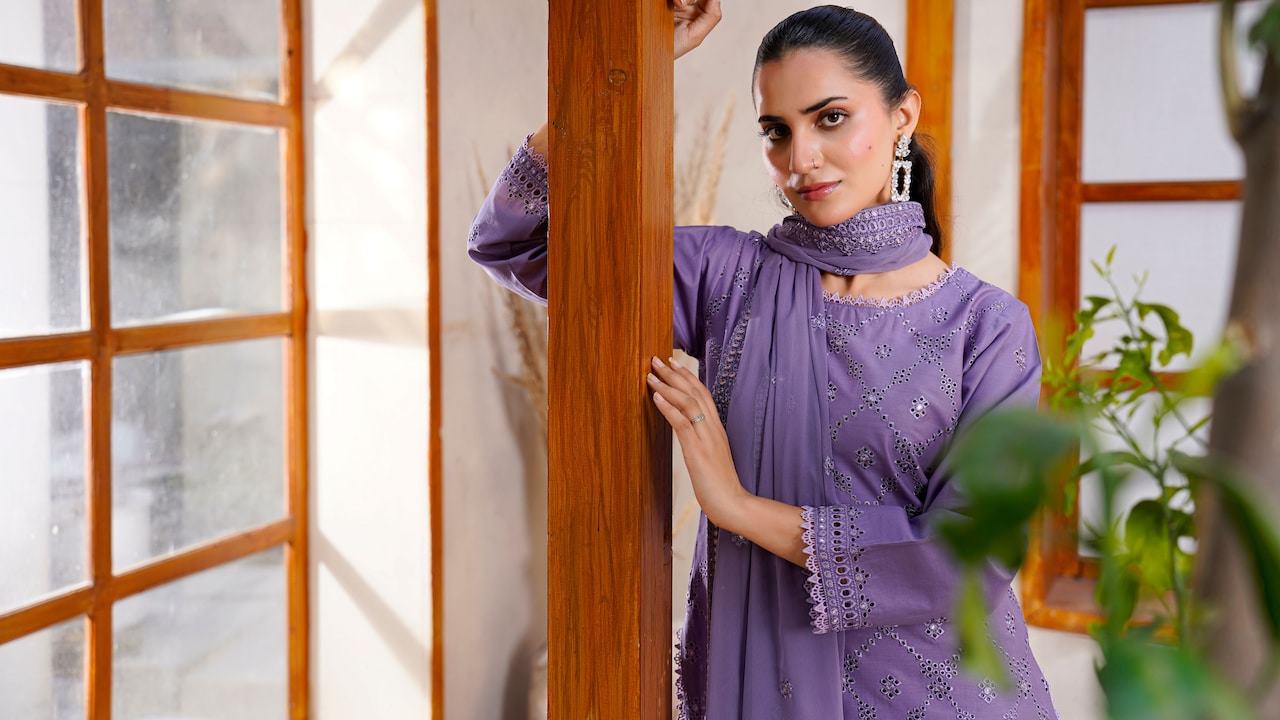
Common styling mistakes to avoid for a better kurta fit
There is a particular kind of wardrobe confusion that happens five minutes before leaving home. The kurta seemed perfect during the trial. The mirror at the boutique approved. The sleeves sat well, the shoulders behaved, and the length felt just right. Then come the earrings, footwear, bottoms and dupatta, and suddenly the same kurta appears wider, shorter or strangely stiff.
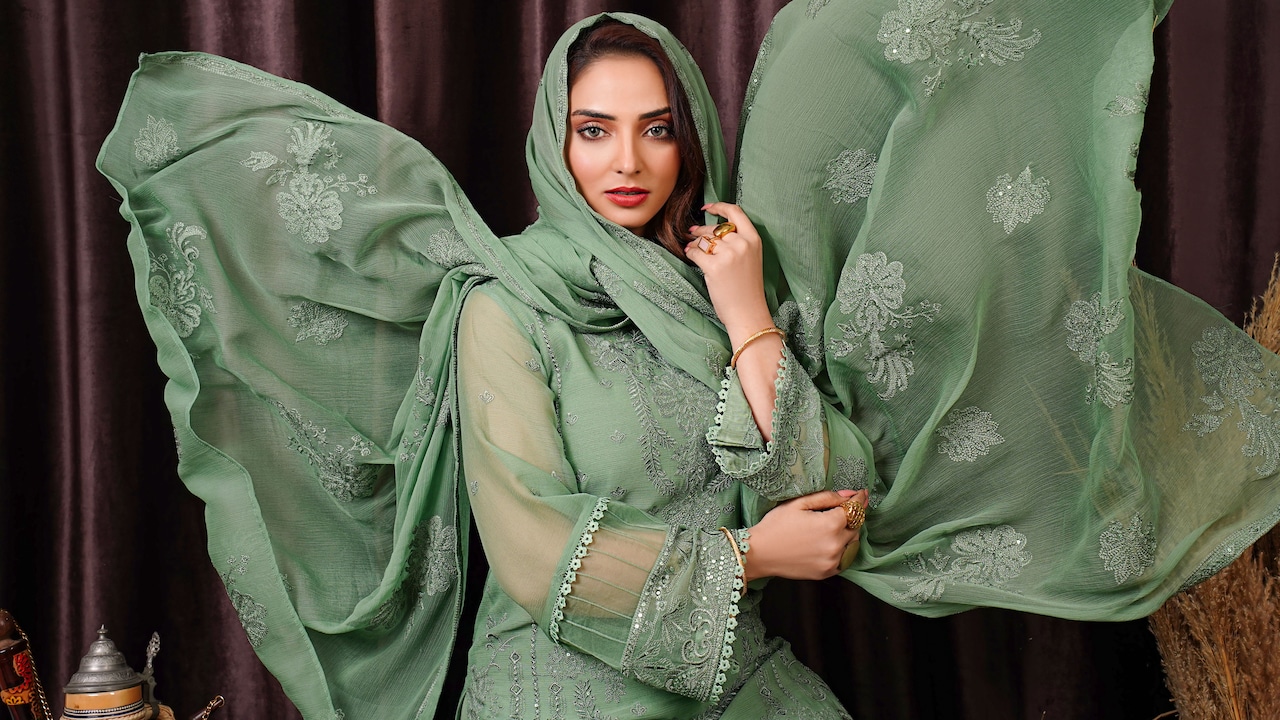
How to make your everyday kurtas fit better
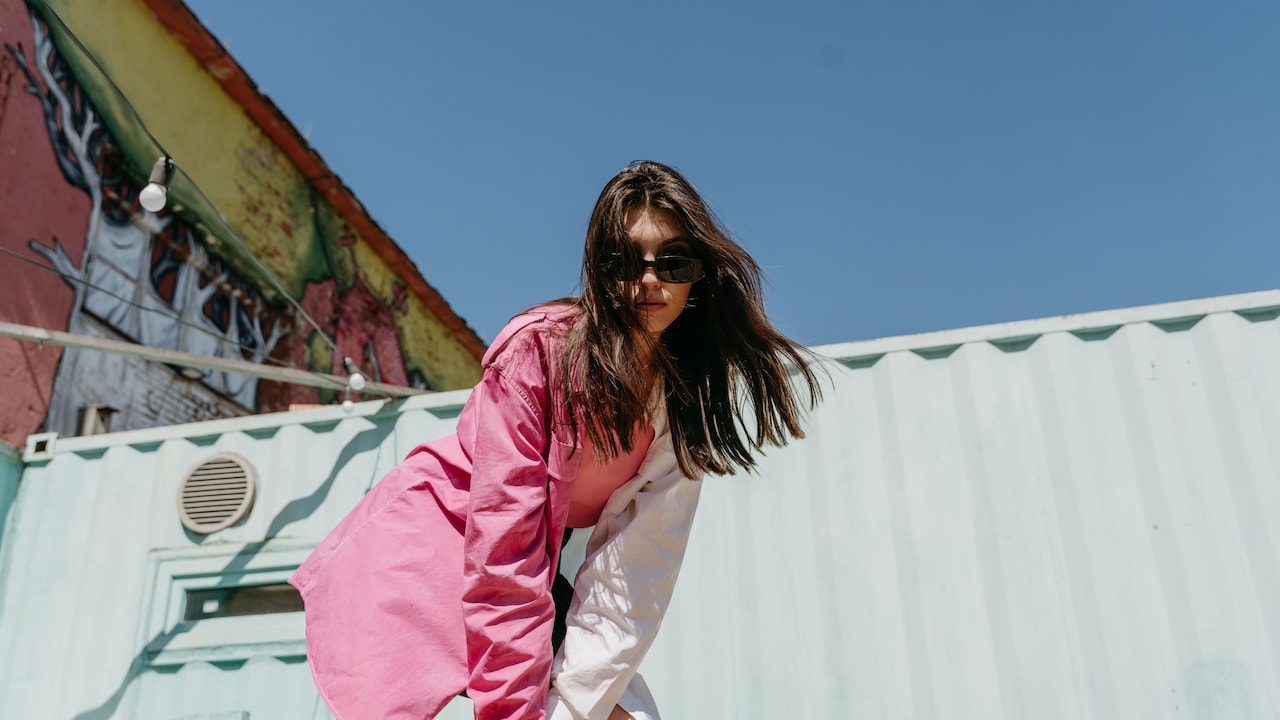
Photo Credit: Pexels
That is because fit does not stop at stitching. Every element around a kurta changes how the eye reads its proportions. Fabric weight can pull at the shoulders. Bottomwear can alter the visible line of the hem. Jewellery can crowd a neckline. Even the way a dupatta gets pinned may decide whether the kurta falls naturally or spends the evening fighting gravity.
Also Read: The Post-Baraat Outfit Switch: 5 Fancy Suits You Can Wear For Late-Night Pheras
Many familiar styling rules sound sensible because they have been repeated for years. Yet some of them create the very fit problems they claim to solve. These ten myths deserve a closer look.
Styling Myths That Could Be Ruining Your Kurta Fit
1. A Heavier Dupatta Always Drapes Better
A weighty dupatta can look magnificent, especially when zari, embroidery or rich borders enter the picture. Yet extra weight does not automatically mean a better drape.
A heavy dupatta can tug at one shoulder, pull the kurta neckline sideways or flatten delicate gathers around the chest. Pinning it firmly may solve the slipping problem but create another one: the fabric underneath starts bunching. By the time the second safety pin enters the scene, the kurta may look less graceful than it did before the dupatta arrived.
Fabric behaviour matters more than sheer weight. A soft chiffon dupatta can fall elegantly without dragging the outfit down. Organza brings structure but may stand away from the body. Silk blends can provide richness without feeling like ceremonial upholstery.
For a wedding or festive dinner, the grandest dupatta need not sit on the shoulders throughout the evening. Draping it over one arm or keeping one end lighter around the neck can preserve the kurta's natural shape. Sometimes the best drape comes from knowing when not to force one.
2. A Loose Kurta Automatically Looks More Flattering
Comfort deserves applause, but simply buying a kurta one or two sizes larger rarely guarantees an elegant silhouette.
Extra fabric can create folds around the bust, shoulders and underarms. Instead of skimming the body, the kurta may begin to look bulky, particularly in stiff cotton, brocade or heavily embroidered fabrics. Shoulder seams dropping too far down the arm are usually the first clue that relaxed has quietly become oversized.
A flattering loose kurta still needs structure. The shoulders should sit reasonably close to the natural shoulder line, while the body can remain roomy. Side slits, sleeve shape and fabric movement then create ease without making the garment appear shapeless.
Consider the classic summer cotton kurta. A little breathing space feels heavenly during a humid afternoon. Too much, however, can turn the outfit into something resembling a stylish tent caught in a mild breeze.
The smarter approach is to choose ease deliberately. Look for room where movement matters, especially around the bust and hips, while keeping the neckline and shoulders neat. Comfort and polish can happily share the same hanger.
3. Tight Bottoms Make Every Kurta Look Slimmer
The slim-bottom formula has become so familiar that leggings often get paired with kurtas almost automatically. Yet very tight bottoms do not always create a leaner overall line.
A fitted churidar or legging can exaggerate the difference between a loose kurta and the legs beneath it. With a short or flared kurta, that contrast may make the upper half look broader rather than narrower. Fabric pulling around the knees and ankles can also disrupt the clean vertical line that many people hope to achieve.
Straight trousers, cigarette pants and softly tailored salwars often balance a kurta more effectively. Their structure continues the line of the garment instead of abruptly narrowing below the hem.
The kurta length matters too. A knee-length straight kurta may pair beautifully with narrow trousers, while a shorter A-line version might benefit from slightly wider bottoms.
There is no universal equation in which tighter equals slimmer. Proportion does most of the visual work. A bottom that echoes the kurta's shape usually creates a calmer silhouette and saves everyone from the familiar routine of tugging leggings back into place before every photograph.
4. Side Slits Should Always Start At The Same Point
Side slits may look like a small tailoring detail, but they have enormous influence over how a kurta moves and falls.
Many shoppers assume there is one ideal slit height. In reality, the right position depends on the kurta length, hip shape, fabric and bottomwear. A slit that begins too low can make a long kurta feel restrictive while walking. One that starts too high may cause the front and back panels to spread apart, making the garment look tighter around the hips than it actually is.
Structured fabrics usually need enough slit space to move freely. Softer materials can tolerate slightly lower openings because they bend and flow more easily.
Bottomwear changes the equation again. High side slits with sharply contrasting trousers can visually divide the body into several blocks. A closer colour match creates continuity.
If a kurta fits beautifully above the hips but seems to flare awkwardly below them, the problem may not require a larger size. Sometimes adjusting the slit by an inch or two transforms the entire fall. Tiny tailoring changes often perform the wardrobe equivalent of surprisingly good magic.
5. A Belt Always Gives A Kurta Better Shape
Belting a kurta can look modern, festive and wonderfully put together. It can also turn an otherwise comfortable outfit into an evening-long negotiation with one's waist.
A belt creates a clear horizontal line. On some kurtas, particularly long straight or gently flared styles, that definition works beautifully. On others, it interrupts embroidery, pushes fabric upwards or creates bunching around the stomach and back.
The fabric matters enormously. Lightweight materials gather easily under a belt, while thicker cotton, velvet or brocade may form stubborn folds. A heavily embellished kurta may already have enough structure without another element squeezing its middle.
Placement also counts. Wearing the belt exactly at the natural waist can suit some proportions, while positioning it slightly higher may create a longer lower half. Cinching too tightly, however, rarely improves the fit.
Think of a belt as an accessory rather than emergency tailoring. It should enhance an existing silhouette, not rescue a garment that is fundamentally too large. If removing the belt causes the kurta to collapse completely, the real issue probably belongs with the fit, not the styling.
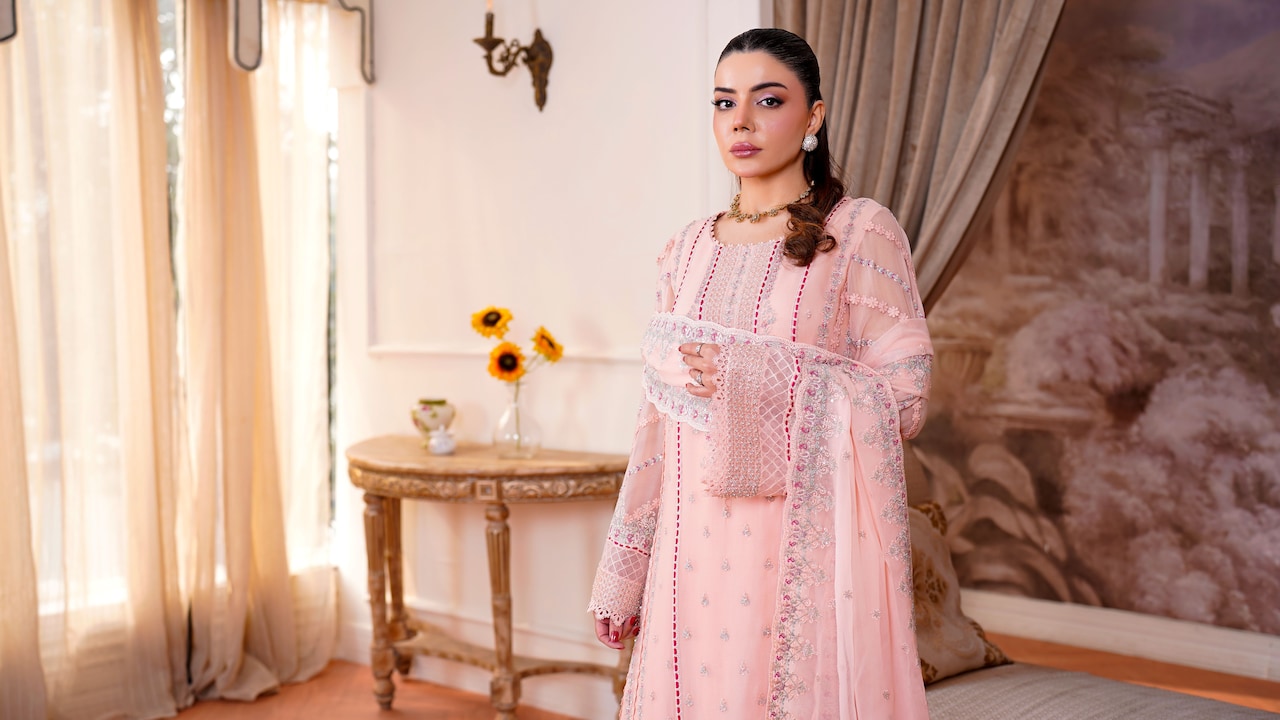
Using a belt can add more structure to your ensemble
Photo Credit: Pexels
6. Longer Kurtas Always Make The Body Look Taller
Long vertical lines can certainly create an elongated effect, but kurta length alone cannot guarantee it.
An ankle-skimming kurta may look regal on the hanger yet overwhelm the wearer if the proportions are not balanced. Excess length can visually shorten the legs, especially when the hem sits close to the footwear and leaves little separation between garment and ground.
The cut plays an equally important role. A clean straight kurta with uninterrupted vertical details can lengthen the frame. A very long kurta with broad borders, heavy embroidery near the hem or dramatic flare may have the opposite effect.
Footwear and bottoms influence the result too. Straight trousers in a similar colour can extend the vertical line. Strong colour contrasts may break it.
Length should also serve movement. Climbing stairs at a family function while discreetly lifting an overly long kurta is rarely the sophisticated styling moment anyone had planned.
The most flattering hem usually sits where it complements the body's proportions rather than following a universal rule. Sometimes mid-calf creates more height than ankle length simply because more of the lower leg remains visually defined.
7. Matching Everything Makes The Outfit Look More Polished
Matching kurta, bottoms, dupatta, jewellery, handbag and footwear can sound like the safest path to elegance. Sometimes it produces harmony. Sometimes it makes the outfit look flatter than expected.
Perfectly matched pieces can blur the boundaries that give clothing shape. If every element carries the same colour, texture and level of embellishment, the kurta may lose its visual structure. Details around the neckline, waist or hem can disappear into one uninterrupted block.
Contrast does not have to mean bright clashes. Even subtle differences can help. An ivory kurta with slightly warmer beige trousers creates gentle separation. A deep green set can gain definition from antique-gold jewellery rather than accessories in identical green tones.
Texture offers another route. A plain silk dupatta with an embroidered kurta may provide more balance than a heavily worked matching dupatta.
Co-ordination works best when the eye has somewhere to rest. Think ensemble, not photocopy. A polished outfit usually feels connected without appearing as though every piece received instructions to report for duty in exactly the same shade.
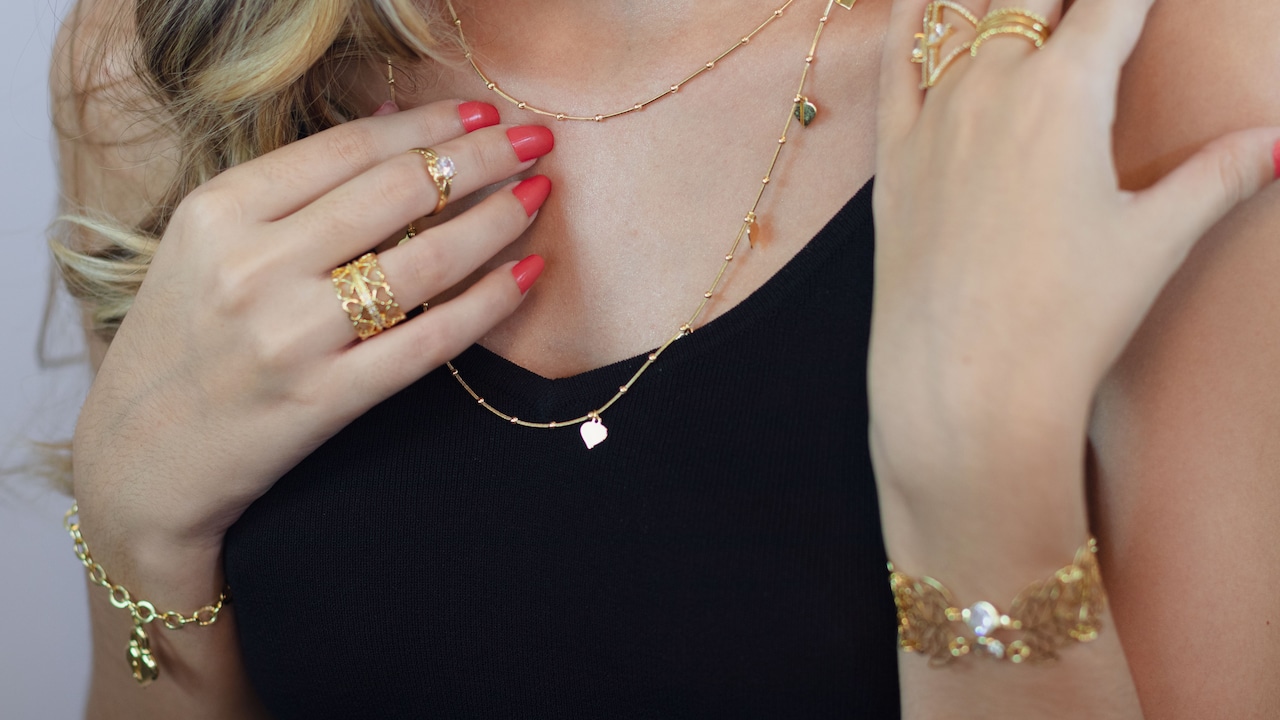
8. Bigger Jewellery Can Fix A Plain Neckline
A simple kurta often tempts people to reach for the largest necklace in the jewellery box. More sparkle, more impact, problem solved. Except the neckline may have other plans.
Heavy necklaces can visually shorten the upper body, especially when they sit directly against a high round or boat neckline. They can also push fabric downwards and cause delicate necklines to gape. A kurta that fitted perfectly ten minutes earlier may suddenly appear stretched.
The shape of the neckline should guide the jewellery. A V-neck often works well with a pendant that follows the same downward line. A high neckline may need statement earrings instead of a necklace. An open round neck can handle a shorter piece without becoming crowded.
Embroidery matters too. If the kurta already has detailed work around the neck, adding a large necklace can make that area feel dense and visually heavy.
Plain does not always mean incomplete. Sometimes a clean neckline, bold jhumkas and neatly tied hair create more presence than several layers of jewellery. The kurta gets space to do its job, and the jewellery gets noticed rather than becoming part of a decorative traffic jam.
9. Dupattas Should Always Be Pinned Securely
Safety pins have rescued countless festive outfits, but enthusiastic pinning can change the fit of a kurta more than people realise.
A pin placed through the dupatta and shoulder seam can pull both fabrics backwards. Another near the neckline may tighten the front. Add one at the waist, and the kurta can begin twisting slightly to one side. The outfit stays firmly in place, but the original drape disappears.
Pins become particularly noticeable with lightweight fabrics. Chiffon, georgette and fine cotton respond to tiny points of tension, creating small folds that travel across the garment.
Secure draping does not require turning the outfit into a construction project. One discreet pin at the shoulder may be enough. Brooches and fabric-friendly clips can also work when appropriate, though their weight deserves attention.
For occasions involving plenty of movement, practicality matters. Nobody wants a dupatta sliding into the dinner plate halfway through the evening. The trick is to secure the dupatta while allowing the kurta beneath it to move independently. Stability should support the outfit, not hold it hostage.
10. If The Kurta Pulls, A Larger Size Is Always The Answer
When fabric pulls across the bust, shoulders or hips, the obvious response is to size up. Sometimes that works. Often, the issue comes from proportion rather than overall size.
A larger kurta may solve tightness around one area while creating excess fabric everywhere else. The shoulders become too wide, the neckline gapes and the sleeves lose their shape. Suddenly one problem has been exchanged for three new ones.
Different kurta cuts suit different body proportions. A straight cut may feel restrictive around the hips even when the shoulders fit perfectly. An A-line shape can offer more room without requiring a larger overall size. Princess seams, darts and panelled construction can also provide targeted shaping.
Tailoring deserves more credit here. Letting out a side seam slightly or adjusting the bust can produce a cleaner result than jumping an entire size.
Ready-made clothing follows standard measurements; real bodies rarely do. That mismatch is normal. When one area feels tight, examine where the tension begins before blaming the size label. The best-fitting kurta is not necessarily the one with the biggest number. It is the one whose shape works with the wearer rather than against them.
Products Related To This Article
1. Dupatta Bazaar Maroon & White Batik Printed Dupatta
2. Taavi Woven Design Dupatta
3. Komurr Embroidered Organza Dupatta with Thread Work
4. Sangria Embroidered Dupatta with Sequinned Detail
5. PK HUB Printed Art Silk Tie and Dye Dupatta with Beads and Stones
6. KALINI Women Banarasi Woven Dupatta
A kurta rarely exists alone. The dupatta resting on one shoulder, trousers appearing beneath the hem, jewellery around the neckline and even a carefully placed safety pin can change the way the garment looks and feels.
That is why styling rules deserve flexibility. Heavy does not automatically mean graceful. Tight does not always mean slimming. Long does not guarantee height, and perfectly matched pieces do not necessarily create polish.
The strongest outfits usually come from observing proportion, movement and comfort rather than following familiar formulas. Before replacing a kurta that seems to fit strangely, remove the accessories, change the drape or try different bottoms. The garment may not be the problem at all.
Fashion becomes far more enjoyable once every so-called rule stops behaving like law. A well-dressed kurta needs balance, not obedience.
(Disclaimer: This article may include references to or features of products and services made available through affiliate marketing campaigns. NDTV Convergence Limited (“NDTV”) strives to maintain editorial independence while participating in such campaigns. NDTV does not assume responsibility for the performance or claims of any featured products or services.)