10 Reasons Dark Clothes Fade Faster Around Seams And Pockets And How To Slow It Down
Dark clothes often fade first around seams, pockets and hems due to friction, washing and repeated wear. This is why these areas lose colour faster and what you can do to slow down uneven fading.
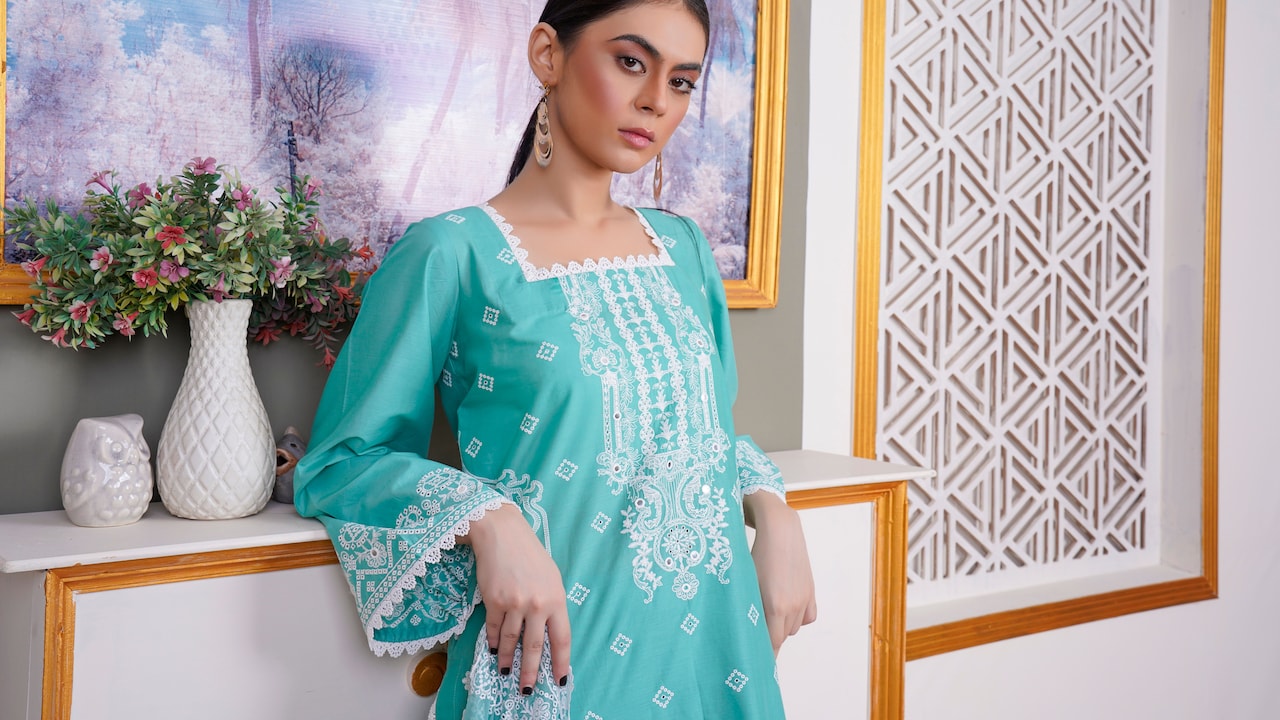
Why Dark Clothes Fade Around Seams And Pockets: 10 Causes And Easy Fixes
A black T-shirt can stay impressively dark across the chest while its neckline turns charcoal. Navy trousers may look almost new until pale outlines begin appearing around the pockets. And dark jeans? They seem particularly fond of announcing every seam, crease and phone-shaped pocket mark after a few months. Uneven fading can look puzzling because the garment goes through the same washing machine, detergent and drying routine. But different parts of clothing don't experience the same amount of stress. Seams contain several layers of fabric. Pockets rub against hands, phones and furniture. Hems fold, collars bend and stitching creates raised surfaces that receive more abrasion than flatter areas. Dark dyes simply make these changes easier to notice. A tiny loss of colour on black, navy, bottle green or deep maroon creates far more contrast than it would on beige or pale grey. Before blaming the washing machine or assuming an expensive garment has failed, it helps to understand what happens at these high-contact areas. A few small laundry and wearing habits can make the fading much less obvious.

Why Dark Clothes Fade Around Seams And Pockets: 10 Causes And Easy Fixes; Photo Credit: Pexels
Why High-Contact Areas Lose Their Colour First
1. Raised Seams Take More Friction During Washing
Run a finger over the side seam of a pair of trousers and you'll notice that it sits slightly above the surrounding fabric. That tiny difference matters inside a washing machine.
As clothes tumble, seams repeatedly rub against the drum and other garments. The flat centre of a shirt may glide past another fabric surface, while a thicker stitched edge receives more direct contact. Over dozens of washes, that abrasion gradually disturbs fibres at the surface and makes dyed material appear lighter.
This explains why side seams, shoulder joins, cuffs and trouser hems can develop faded-looking lines even when the rest of the garment retains its colour.
Turning dark clothing inside out before washing helps considerably. It places much of the visible outer surface away from direct friction. A gentle wash cycle can also reduce unnecessary agitation. Avoid stuffing the machine until garments can barely move. Overloading creates constant fabric-on-fabric rubbing rather than giving clothes enough water and space to circulate. Think of seams as the speed bumps of a garment. Anything raised tends to take the knocks first.
Also Read: Top Indo-Western Kurtas with Modern Cuts for Fusion Style Under ₹4000
2. Pockets Face Constant Rubbing Throughout The Day
Pockets work harder than we give them credit for. Hands slide in and out. Phones press against the fabric. Wallets, keys, earbud cases and coins scrape the inside. When we sit down, pocket areas also rub against chairs, car seats and sofas.
All that movement creates abrasion long before laundry enters the picture.
Dark jeans frequently show this effect around the pocket opening, where fingers repeatedly brush the same edge. Back pockets may fade along their corners because those points press against seating surfaces. A phone can even leave a recognisable rectangular outline after months of regular use.
There's no need to stop using pockets altogether. Instead, avoid squeezing bulky or rough-edged objects into tight pockets every day. Rotate where practical and remove heavy items before sitting for long periods.
Also resist rubbing stains aggressively around pocket openings. Vigorous scrubbing may lift the mark but leave a permanent pale patch behind.
Sometimes that mysterious faded area isn't a laundry problem at all. It's simply a record of how the garment gets used.
3. Multiple Fabric Layers Hold And Release Dye Differently
A seam isn't simply one piece of fabric with a line of thread through it. Manufacturers often fold the material before stitching, which can leave two, three or even more layers sitting together.
Those layers behave differently during dyeing, washing and drying.
Folded areas can hold water and detergent for longer. They may also take longer to dry. Meanwhile, exposed ridges along the fold experience stronger rubbing. The combination can make colour changes develop differently around stitched areas compared with the flatter sections nearby.
Pocket construction adds another complication. Pocket bags, reinforcement panels and stitching can change the thickness and movement of the outer fabric. That is one reason fading sometimes creates surprisingly neat outlines.
There's little we can change about the garment's construction after buying it, but gentler laundering helps prevent those structural differences from becoming obvious too quickly. Use the amount of detergent recommended for the load instead of adding an extra splash "for cleanliness".
More detergent doesn't necessarily protect dark clothes. If rinsing struggles to remove the excess, residue can collect around folds and layered sections, making dark fabric appear dull or uneven.

Why Dark Clothes Fade Around Seams And Pockets: 10 Causes And Easy Fixes; Photo Credit: Pexels
4. Detergent Can Concentrate Around Folds And Stitching
Detergent needs enough water and movement to dissolve properly and rinse away. When either falls short, small amounts can remain trapped in cuffs, pocket corners, waistbands and thick seams.
On dark clothing, residue becomes especially noticeable. What looks like faded dye may sometimes be a greyish or chalky film sitting on the fabric.
Powder detergents can cause visible marks if they don't dissolve fully, particularly during short or cool wash cycles. Liquid detergent can also create problems when we use far more than the machine needs.
Start with the correct dose for the load size and water conditions. If clothes regularly emerge with pale streaks, reducing detergent slightly or using an additional rinse may help.
Never pour concentrated detergent directly onto a dark garment unless the product instructions specifically recommend doing so. A concentrated patch can interact with that section before the detergent disperses through the water.
And before writing off a pale seam as permanent fading, rinse the area thoroughly. Sometimes the supposedly "ruined" black trousers simply have a laundry-product hangover.
5. Hot Water Speeds Up Colour Loss
Heat helps loosen oils and certain stains, which makes warm or hot washes useful for some laundry. Dark everyday clothing, however, often doesn't need that level of heat.
Repeated hot washes can encourage dyes to leave fibres more quickly. Once fading begins, high-friction areas such as seams and pockets reveal the change first.
Check the care label before choosing a temperature. When the fabric and hygiene requirements allow it, a cooler wash generally treats dark colour more gently. Everyday shirts, casual trousers and many dark cotton garments don't automatically need an intensely hot cycle simply because they've been worn.
Temperature matters during drying too. Repeated exposure to strong heat can stress some fibres and contribute to a tired surface appearance. Follow the care label and avoid routinely choosing the hottest tumble-dryer setting.
This doesn't mean cold water acts like a magical colour-preservation spell. Dye quality, fabric type and friction still matter. But controlling unnecessary heat removes one source of stress.
For dark clothes, laundry often works better as a gentle clean than a full-scale interrogation.
6. Strong Sunlight Makes Exposed Areas Fade Faster
Sunlight can fade fabric surprisingly effectively. Anyone who has left a dark cushion near a sunny window has probably seen the evidence.
Clothing experiences the same process.
Ultraviolet exposure can gradually alter dyes, although the speed varies with the dye and fabric. Parts that receive the most light may fade faster. When clothes hang outside, raised seams, shoulders, collars and pocket flaps can face the sun more directly than recessed areas.
How garments hang also matters. A dark shirt left for hours in fierce afternoon sunlight may develop more noticeable colour loss over time than one dried in a shaded, well-ventilated space.
When possible, dry dark clothes inside out or away from prolonged, intense direct sunlight. There's no need to panic over a few minutes outdoors; repeated exposure creates the bigger concern.
The same logic applies when storing clothes. A dark jacket hanging beside a bright window for months may gradually change colour on the exposed side.
Sunlight gives laundry that lovely fresh-air feeling. Dark dyes, unfortunately, aren't always equally enthusiastic about the arrangement.
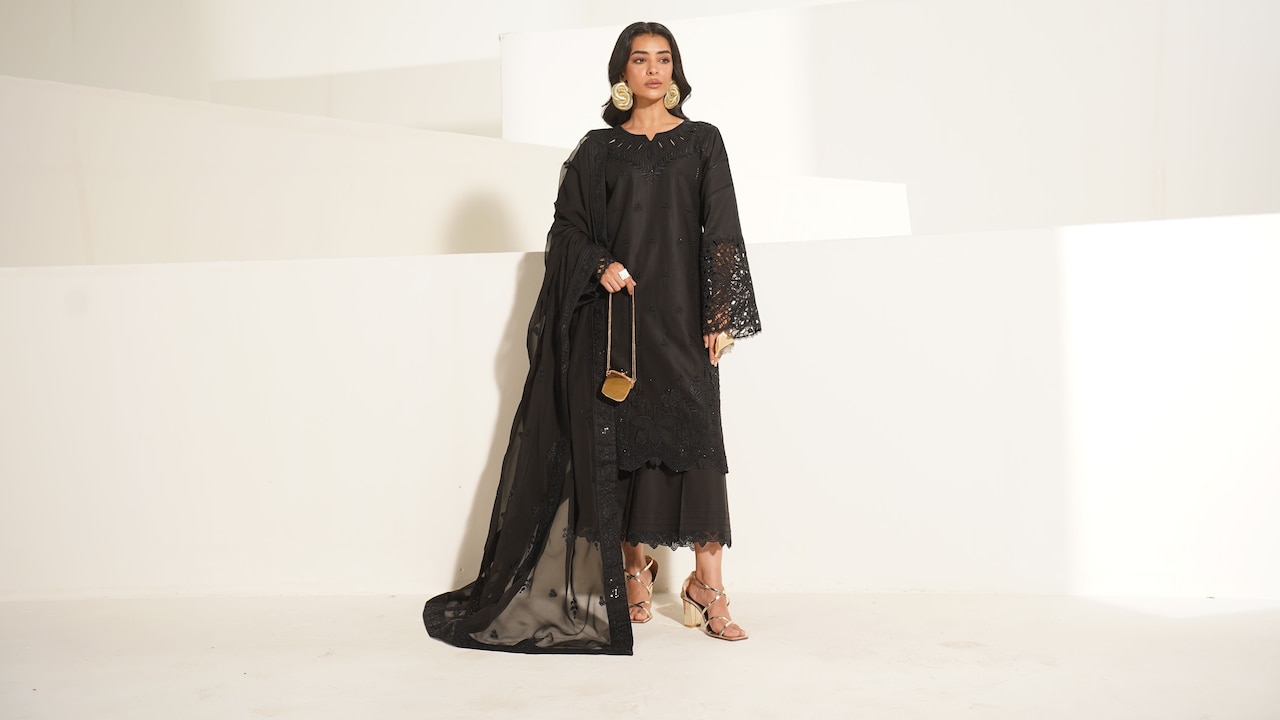
Why Dark Clothes Fade Around Seams And Pockets: 10 Causes And Easy Fixes; Photo Credit: Pexels
7. Heavy Stain Scrubbing Removes More Than The Stain
A splash of chutney lands beside a pocket, and the instinct can be immediate: detergent, brush and enthusiastic scrubbing.
The stain may disappear. Unfortunately, some colour can disappear with it.
Dark fabric makes localised abrasion painfully obvious. A scrubbed section may look lighter not because bleach touched it, but because repeated rubbing disturbed or wore down the coloured fibres at the surface.
Seams and pocket openings face extra risk because stains often collect there. Food, sweat, dust and makeup can settle into folds, encouraging more aggressive cleaning.
Treat marks quickly, but gently. Blot liquids instead of grinding them into the cloth. Apply a suitable stain treatment according to the garment's care instructions and give it time to work. Test unfamiliar products on an inconspicuous area first.
Also check household cleaners before leaning against freshly cleaned kitchen counters or bathroom surfaces. Products containing bleaching agents can leave permanent light marks on dark clothing.
A stubborn stain deserves attention, certainly. It doesn't need the laundry equivalent of sanding a wall.
8. Fabric Creases Create Their Own Wear Lines
Clothing rarely stays perfectly flat while we wear it. Elbows bend. Waistbands fold. Trouser fronts crease while sitting. Pocket openings stretch every time a hand goes inside.
These repeated folds create predictable wear zones.
At the top of a pocket, for instance, the fabric may bend along almost exactly the same line hundreds of times. The fibres sitting on the outer edge of that fold experience greater tension and rubbing. With dark denim and other dyed fabrics, that can create distinctive pale lines.
You may notice similar fading around elbows, knees, cuffs and the front creases that form near the hips when sitting.
Choosing the correct size can help. Clothes that fit extremely tightly place greater tension around pockets, seams and joints. On the other hand, very loose garments may bunch and rub excessively in certain areas.
Giving frequently worn dark clothes an occasional rest also helps. Wearing the same black trousers five days a week subjects identical creases and contact points to repeated stress.
Fabric remembers our habits rather well. Sometimes it remembers them in light grey.
9. Rough Laundry Loads Increase Surface Wear
Washing a soft black T-shirt alongside heavy jeans, garments with exposed zips and rough-textured towels creates a rather uneven fight.
During the cycle, heavier fabrics and hardware repeatedly strike softer surfaces. Raised areas such as seams, collars and pocket edges tend to receive plenty of that contact.
Separating laundry by colour alone therefore isn't always enough. Fabric weight matters too. Washing lightweight dark tops together rather than mixing them with bulky towels or heavily constructed trousers can reduce abrasion.
Fasten zips before washing so their teeth don't scrape nearby garments. Secure hooks where the care label permits, and check pockets for forgotten objects. One unnoticed key or metal hair clip can spend an entire wash cycle travelling around the drum and rubbing against fabric.
Garment laundry bags can give delicate dark pieces another layer of protection when appropriate.
Nobody needs seventeen highly specialised laundry loads each week. A little sensible grouping goes a long way. If one item feels noticeably heavier, rougher or more heavily embellished than another, they probably don't make ideal washing-machine companions.
10. Some Dark Fabrics Naturally Show Wear More Clearly
Not every fading pattern signals poor washing habits. Some garments simply reveal surface wear more dramatically because of how manufacturers apply colour.
Certain fabrics receive dye throughout the fibre, while others rely more heavily on colour near the surface. Denim provides an obvious example: its construction allows abrasion to create the characteristic lighter areas many people actually want.
With very dark cotton garments, even modest fibre wear creates strong visual contrast. Black becoming slightly grey catches the eye far sooner than pale blue becoming marginally paler.
This also explains why two seemingly similar black T-shirts can age differently despite receiving identical care. Fibre type, dye chemistry, finishing treatments, fabric density and manufacturing methods all influence colour retention.
When buying dark basics that you plan to wear heavily, inspect the fabric rather than judging colour depth alone. Check the care label and consider whether the item already shows whitening along folds while new.
Once you own it, aim for preservation rather than perfection. Wash only when the garment actually needs cleaning, follow the label, minimise friction and rotate frequently worn pieces.
Dark clothes will eventually change. The goal is simply to make that change gradual rather than startling.
Products Related To This Article
https://www.myntra.com/men-formal-shirtshttps://www.myntra.com/women-kurtas-kurtis-suits?f=Color%3ABlack_36454f%2CBrown_8b4513%2CCharcoal_36454f%2CCoffee%20Brown_4b302f%2CMaroon_b03060%2CNavy%20Blue_3c4477%2CPurple_800080%2CRust_b7410e
1. HIGHLANDER Men Satin Burgundy Slim Fit Shirt
2. Colorkosh Floral Embroidered Notch Neck Thread Work Straight Kurta With Palazzos Set
3. Raymond Pure Cotton Slim Fit Formal Shirt
4. Sangria Navy Blue Ethnic Motifs Embroidered Thread Work Straight Kurta
5. Van Heusen Slim Fit Checked Pure Cotton Formal Shirt
6. Anouk Women Ethnic Motifs Embroidered Thread Work Kurta
7. MISCHIEF MONKEY Men Solid Spread Collar Cotton Formal Shirt
Fading around seams and pockets usually comes down to one simple fact: those areas work harder than the rest of the garment. They rub, fold, stretch, trap detergent, and face repeated contact throughout the day.
Gentler washing, sensible detergent use, cooler temperatures where suitable, careful drying and less aggressive stain treatment can slow that process considerably. Turning garments of any kind, whether ethnic wear or formal, inside out and separating rough items from softer ones also helps.
Dark clothes won't remain factory-fresh forever, and a little fading can even add character. But when a favourite black shirt starts developing grey outlines far sooner than expected, small changes in how we wear and wash it can keep that rich colour around for much longer.
(Disclaimer: This article may include references to or features of products and services made available through affiliate marketing campaigns. NDTV Convergence Limited (“NDTV”) strives to maintain editorial independence while participating in such campaigns. NDTV does not assume responsibility for the performance or claims of any featured products or services.)