How To Stop Scrunchies From Going Loose: 10 Checks For Elastic Quality, Washing And Storage
Scrunchies shouldn’t turn floppy after a few weeks. From weak elastic and overstretching to hot washes and poor storage, these 10 checks explain why scrunchies lose their grip and how to help them stay stretchy for longer.
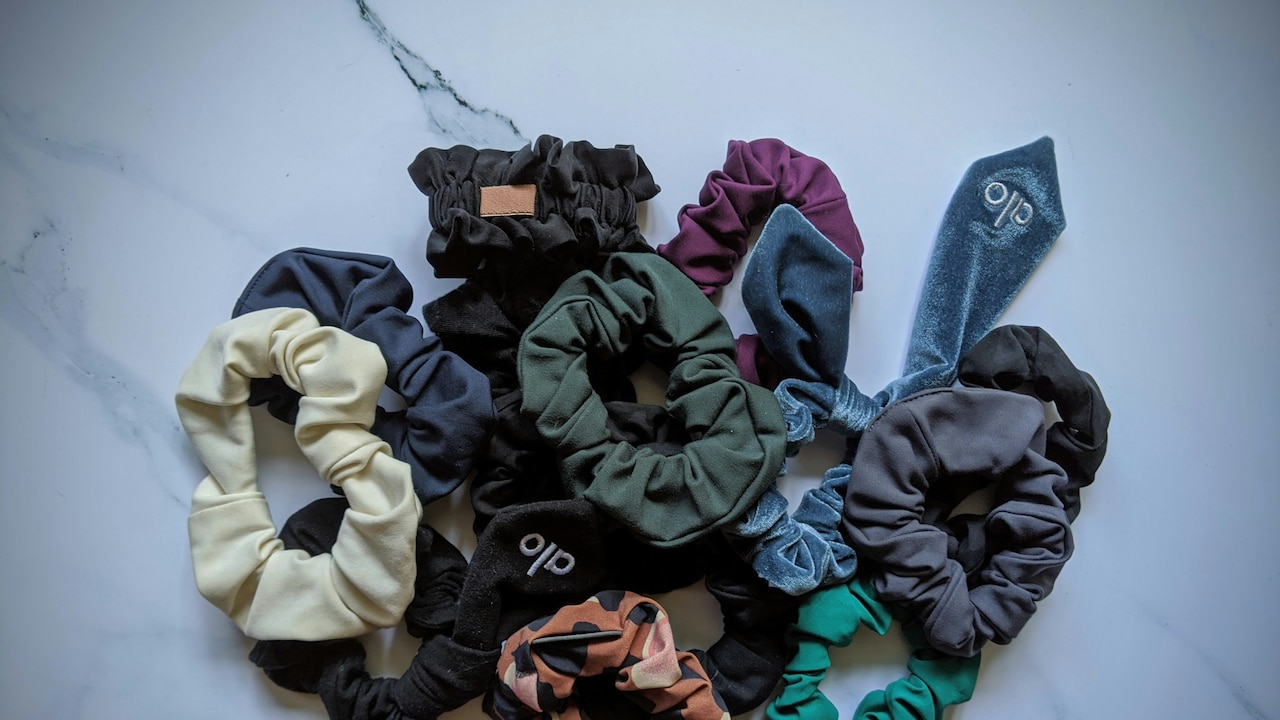
10 Reasons Scrunchies Lose Their Stretch And How To Keep Them Tight
There's a strangely specific disappointment in finding a favourite scrunchie wrapped three times around a ponytail and realising it still won't stay put. A piece that once held a bun through an entire workday suddenly behaves more like a decorative fabric ring. Tug it tighter and it slides. Add another loop and it feels awkward. Eventually, it joins that mysterious collection of stretched hair ties nobody wants to throw away. Scrunchies don't stay springy forever because the elastic hidden inside them does most of the hard work. Every stretch, twist, wash and afternoon spent inside a hot casual handbag places stress on that elastic. Fabric choice matters too. A silky outer layer may remain perfectly presentable while the elastic inside quietly loses its ability to retract. The good news? A scrunchie going loose unusually quickly isn't always inevitable. How we choose, wear, wash, dry and store it can make a noticeable difference. Before replacing another perfectly good-looking scrunchie, run through these ten checks.

10 Reasons Scrunchies Lose Their Stretch And How To Keep Them Tight; Photo Credit: Pexels
What Makes A Scrunchie Lose Its Stretch So Quickly?
1. Check Whether The Elastic Snaps Back Quickly
A new scrunchie may look lovely without containing particularly good elastic. The simplest quality check takes only a few seconds. Stretch the scrunchie gently, release it and watch how quickly it returns to its original shape.
Good elastic should contract promptly rather than slowly shrinking back like a sleepy rubber band. If the scrunchie remains visibly elongated after a moderate stretch, its elastic may already lack resilience.
Thickness doesn't automatically indicate quality either. A chunky scrunchie can hide thin or loosely tensioned elastic beneath several folds of fabric. Meanwhile, a slimmer style may contain dense elastic that holds its shape for months.
The amount of resistance also matters. You shouldn't need a miniature arm workout to stretch it, but it shouldn't open with almost no resistance either.
Try the same check after several uses. If its resting circumference keeps increasing, the elastic fibres are struggling to recover. Catching that change early can also encourage gentler use. Instead of endlessly adding another twist around the ponytail, switch to a smaller scrunchie or one with firmer elastic.
Also Read: How To Pick The Best Scrunchies For Hair If You Want Less Breakage And More Volume
2. Check How Far You Stretch It Each Time
A scrunchie can stretch only so far before repeated tension starts changing its structure. That makes everyday usage one of the biggest factors in how quickly it loosens.
Consider the classic high ponytail routine. The scrunchie goes around once, twice, then gets pulled to its absolute limit for the final twist. It feels wonderfully secure, but the elastic spends hours sitting near maximum extension. Repeat that every day and it gets little opportunity to recover.
The problem can become more noticeable with thick, curly or very dense hair because the scrunchie must expand further. That doesn't mean these hair types need loose hairstyles. A larger scrunchie with stronger elastic simply gives the material more room to work without constantly reaching its limit.
Avoid testing stretch by pulling a scrunchie between both hands as far as possible, too. It's oddly satisfying, admittedly, but it's also unnecessary strain.
The goal isn't to baby every hair accessory. Just choose a scrunchie whose natural size matches the amount of hair it needs to hold. Less extreme stretching generally means longer-lasting elasticity.
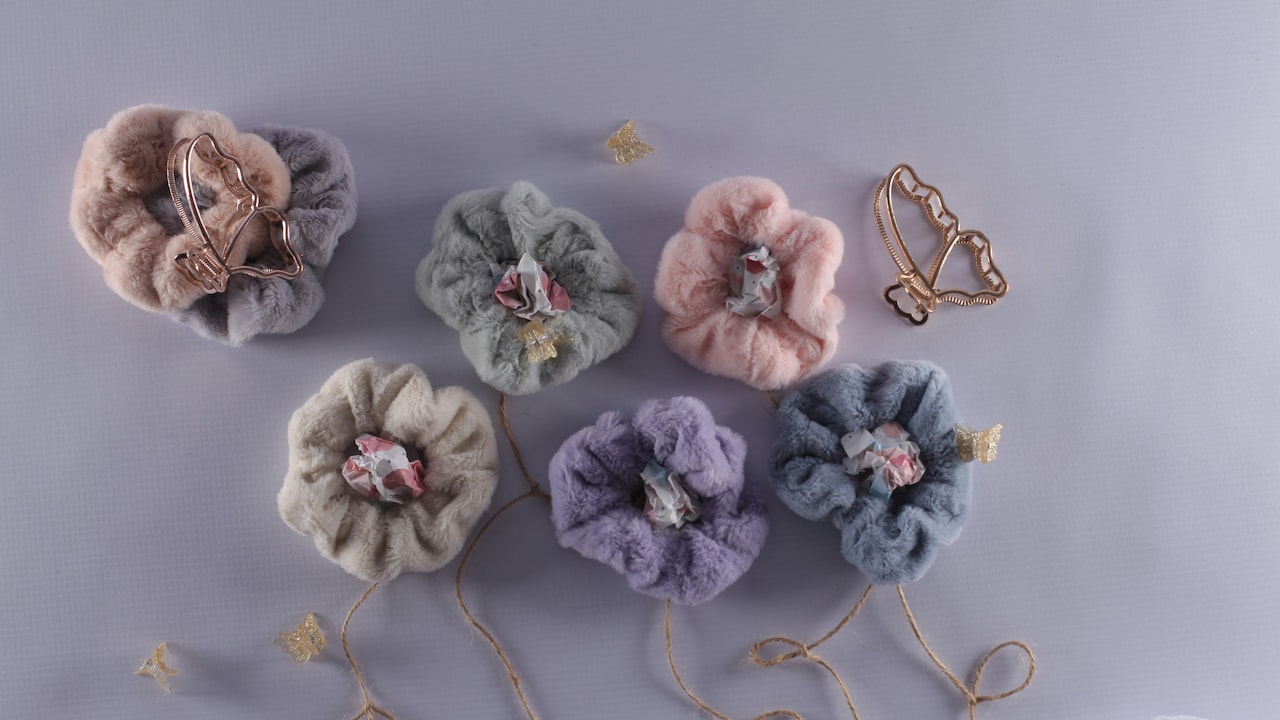
3. Check Whether The Scrunchie Is Too Small For Your Hair
Sometimes the scrunchie isn't poor quality at all. It's simply doing a job it wasn't designed to handle.
A small scrunchie around a thick ponytail has to expand dramatically on every wear. Even if it contains decent elastic, constant overextension can gradually reduce its ability to spring back. What begins as a neat, snug fit turns into that familiar loose loop surprisingly quickly.
Pay attention to how hard you need to pull before completing the final wrap. If the scrunchie feels stretched to its limit before the hairstyle even feels secure, try a larger diameter instead.
The opposite problem matters as well. An oversized scrunchie around fine or short hair may require four or five wraps. Repeated twisting can strain the elastic while creating unnecessary bulk around the ponytail.
Think of size as part of fit rather than just appearance. Small scrunchies can work beautifully for half-up styles, plaits and finer ponytails. Larger versions tend to suit thick ponytails, loose buns and dense curls better.
Matching the accessory to the hairstyle reduces stress on both the elastic and the hair.
10 Reasons Scrunchies Lose Their Stretch And How To Keep Them Tight; Photo Credit: Pexels
4. Check Whether You Are Wearing The Same Scrunchie Every Day
Everyone has that one dependable scrunchie. It sits on the wrist, beside the laptop, next to the bed and somehow accompanies every rushed morning. Unfortunately, loyalty has consequences.
Elastic benefits from recovery time. Wearing the same scrunchie for long stretches every day keeps its inner band under repeated tension. Sweat, scalp oils and hair products can also accumulate in the fabric and reach the elastic over time.
Rotating between several scrunchies spreads the workload. One can rest while another handles the day's ponytail, gym session or household chores. It sounds almost comically serious for a hair accessory, but the principle is similar to rotating footwear instead of wearing the same pair constantly.
Rotation also helps you notice which scrunchies perform better. Perhaps one cotton style remains firm after months while another begins stretching within weeks. That tells you something useful about construction and elastic quality for future purchases.
And take the scrunchie off your wrist when you don't need it there. Keeping it stretched around the wrist for hours still places tension on the elastic, even when it isn't holding any hair.
5. Check How You Wash Your Scrunchies
Washing keeps scrunchies free from oil, sweat and styling residue, but aggressive washing can shorten the elastic's life.
A hot machine wash presents the obvious problem. Heat, vigorous movement and strong detergent can all challenge elastic fibres. Add a high-speed spin cycle and your small scrunchie gets quite an adventure for something that only needed a gentle clean.
Hand washing usually gives you more control. Use cool or lukewarm water with a small amount of mild detergent. Gently squeeze the fabric rather than stretching, twisting or scrubbing it hard. Concentrate on areas that feel oily or contain visible product residue.
Fabric matters here. Cotton and polyester scrunchies often tolerate cleaning more easily, while satin, silk or decorated styles may require extra care. Always consider the outer fabric as well as the hidden elastic.
Don't leave scrunchies soaking for hours simply because you forgot about the bowl beside the sink. Prolonged exposure to water and detergent isn't particularly helpful.
A quick, gentle wash usually does the job without turning routine cleaning into another source of elastic fatigue.
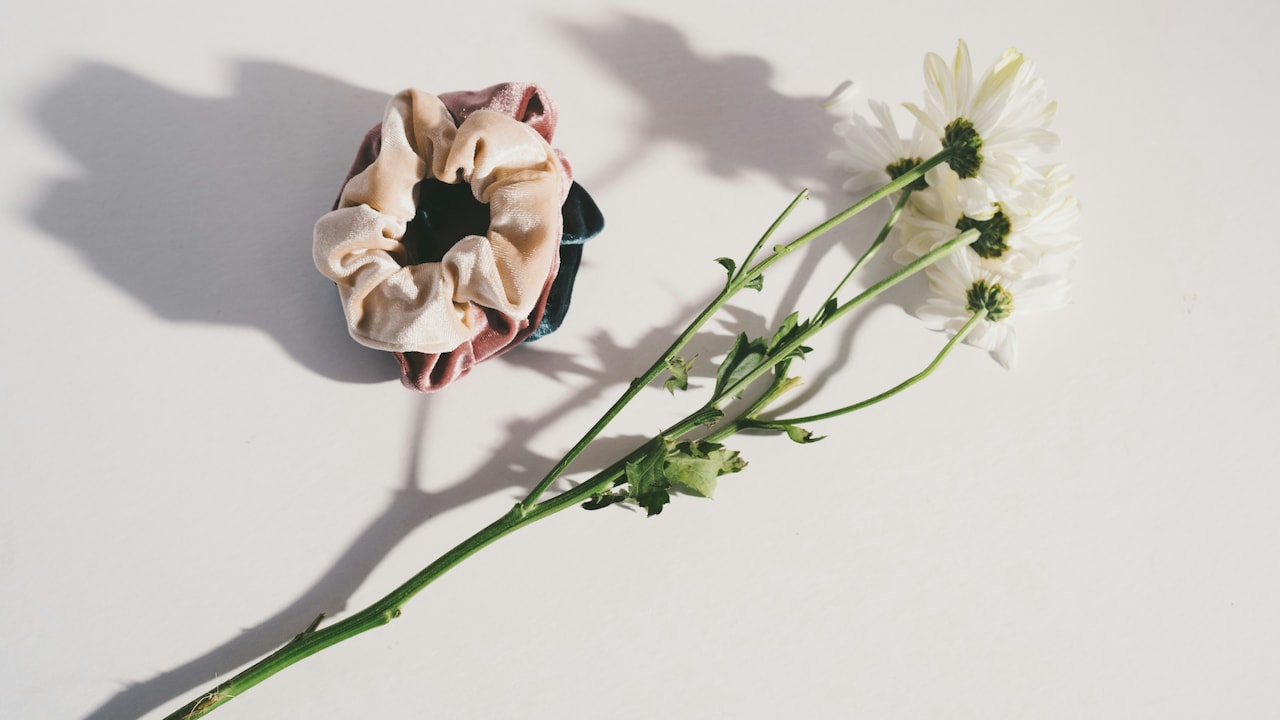
6. Check The Water Temperature Before Washing
Hot water feels like the obvious answer when something needs a thorough clean. Scrunchies rarely benefit from that enthusiasm.
Elastic materials can deteriorate faster when repeatedly exposed to excessive heat. High temperatures may weaken their ability to return to their original dimensions, particularly when the band already experiences frequent stretching.
That makes cool or lukewarm water a safer everyday choice. It can remove ordinary sweat, oil and light product residue without unnecessarily exposing the scrunchie to high temperatures.
There's another reason to avoid very hot water: the outer material. Bright colours may fade faster, certain synthetic fabrics may change texture and delicate fibres can lose their smooth finish. A scrunchie that remains elastic but looks tired isn't exactly a victory either.
For heavily soiled pieces, use gentle detergent and a little more washing time rather than turning up the temperature dramatically.
Pay particular attention after sweaty workouts or humid days. Washing becomes useful, but harsh cleaning isn't necessary simply because the scrunchie feels damp.
Clean enough to remove residue, then stop. Hair accessories don't need the laundry equivalent of a pressure wash every time they pick up a little scalp oil.
10 Reasons Scrunchies Lose Their Stretch And How To Keep Them Tight; Photo Credit: Pexels
7. Check How You Dry Them
A freshly washed scrunchie can survive the washing stage perfectly and still suffer during drying.
High heat from tumble dryers, hair dryers or heaters can put additional stress on elastic. Even leaving scrunchies for long periods on extremely hot surfaces isn't ideal. Gentle air drying offers a simpler option.
After washing, press the scrunchie between a clean towel to remove excess water. Don't wring it like a tiny dishcloth. Twisting stretches the elastic while the fabric is wet and can also distort the gathered shape.
Then allow it to dry naturally in a ventilated area. Give the folds enough space for air to circulate, especially with thick velvet or heavily gathered cotton scrunchies. Otherwise, the outside can feel dry while moisture remains trapped inside.
Try not to immediately use a damp scrunchie either. Wet fabric can feel heavier, while repeated pulling on a wet accessory adds unnecessary strain.
Drying may sound like a minor detail, but elastic care usually comes down to avoiding repeated extremes. Less heat, less twisting and less impatient tugging give the hidden band a much easier life.
8. Check For Hair Products And Oil Build-Up
Sometimes a scrunchie feels softer and looser even though its elastic hasn't completely failed. Product build-up can change how the entire accessory behaves.
Hair oils, serums, leave-in conditioners, creams and styling products gradually transfer onto fabric. Sweat and natural scalp oils join them. Satin and smooth synthetic fabrics may then become especially slippery, causing the scrunchie to slide even when the elastic still has reasonable tension.
That distinction matters. A sliding scrunchie doesn't automatically need replacing.
Feel the fabric. If it seems unusually slick, heavy or coated, give it a gentle wash before judging its elasticity. Regular cleaning becomes particularly useful if you oil your hair frequently or use styling products before tying it up.
You can also reduce direct exposure. Allow serums or leave-in products a little time to settle before making a tight ponytail. If you've applied a generous oil treatment before washing your hair, use an older scrunchie rather than your favourite satin one.
Keeping residue under control improves grip and prevents the fabric from becoming permanently grimy. Sometimes the supposed “stretched scrunchie” simply needs a bath.
9. Check Where You Store Your Scrunchies
Scrunchie storage doesn't require an elaborate organiser worthy of a beauty showroom. It does, however, help to avoid conditions that constantly stretch, crush or heat the elastic.
The worst habit may be leaving scrunchies stretched around large bottles, thick drawer handles or bulky objects because it looks tidy. Attractive? Perhaps. Helpful for elasticity? Not particularly. The band stays expanded even while nobody uses it.
Instead, keep scrunchies relaxed in a drawer, small box, pouch or open container. They should sit close to their natural shape rather than remain under tension.
Avoid storing them permanently in places that become very hot, such as inside a closed bag left in strong heat. Moisture deserves attention too. Damp scrunchies tossed into a dark pouch after a workout won't benefit from sitting there for hours.
Loose storage also makes rotation easier. When all your scrunchies remain visible and accessible, the same trusty black one doesn't end up doing every shift.
The guiding rule couldn't be simpler: when a scrunchie isn't in your hair, let the elastic relax.
10. Check Whether The Elastic Has Actually Reached The End
Eventually, even carefully treated scrunchies wear out. Elastic contains materials that lose resilience through repeated stretching, friction, heat and time. No washing technique can make tired elastic behave indefinitely like new elastic.
Look for obvious signs. The scrunchie may stay elongated after removal, require an extra wrap that it never needed before or feel uneven when stretched. You might also notice one section offering resistance while another feels strangely slack. That can indicate damaged or deteriorating elastic inside the fabric casing.
Before throwing the whole scrunchie away, check whether you can repair it. Many fabric scrunchies use straightforward construction, and someone comfortable with basic sewing can open a seam, replace the elastic and stitch it closed again. That can save a favourite print or fabric from the bin.
For inexpensive everyday pieces, replacement may make more sense once the elastic becomes unreliable.
The important part is recognising genuine elastic failure instead of endlessly tightening a worn-out scrunchie. At some point, another twist won't solve the problem. The poor thing has completed its service.
Products Related To This Article
1. Silvr Bear Luxury Satin Scrunchies Set for Women
2. Classic Satin Silk Scrunchies For Women And Girls Set
3. Starvis Soft Luxury Satin Scrunchies for women girls, Scrunchies for wrist
4. SILVR BEAR Luxury Satin Scrunchies SAME 6 COLORS AS PIC
5. Satin Silk Scrunchies for Women and Girls – Large Fluffy Scrunchy Hair Bands
6. 14 Color Chiffon Flower Hair Scrunchies & Bows
7. Luxury Satin Scrunchies for Women,Pack of 20 Deluxe Scrunchies Set
Hair Scrunchies last longer when their elastic doesn't spend its entire life stretched, overheated, soaked or twisted beyond reason. Choose the right size, rotate favourites, wash gently, air dry thoroughly and store them relaxed. When one starts slipping, check build-up and fit before blaming the elastic. Small habits can keep that satisfying springiness around for far longer.
(Disclaimer: This article may include references to or features of products and services made available through affiliate marketing campaigns. NDTV Convergence Limited (“NDTV”) strives to maintain editorial independence while participating in such campaigns. NDTV does not assume responsibility for the performance or claims of any featured products or services.)