10 Fit And Construction Problems That Make Pencil Skirts Shift Out Of Place
Pencil skirts often shift, twist or ride up because of poor fit and construction. From loose waistbands to tight hips and faulty lining, these 10 common problems explain why a pencil skirt refuses to stay in place.
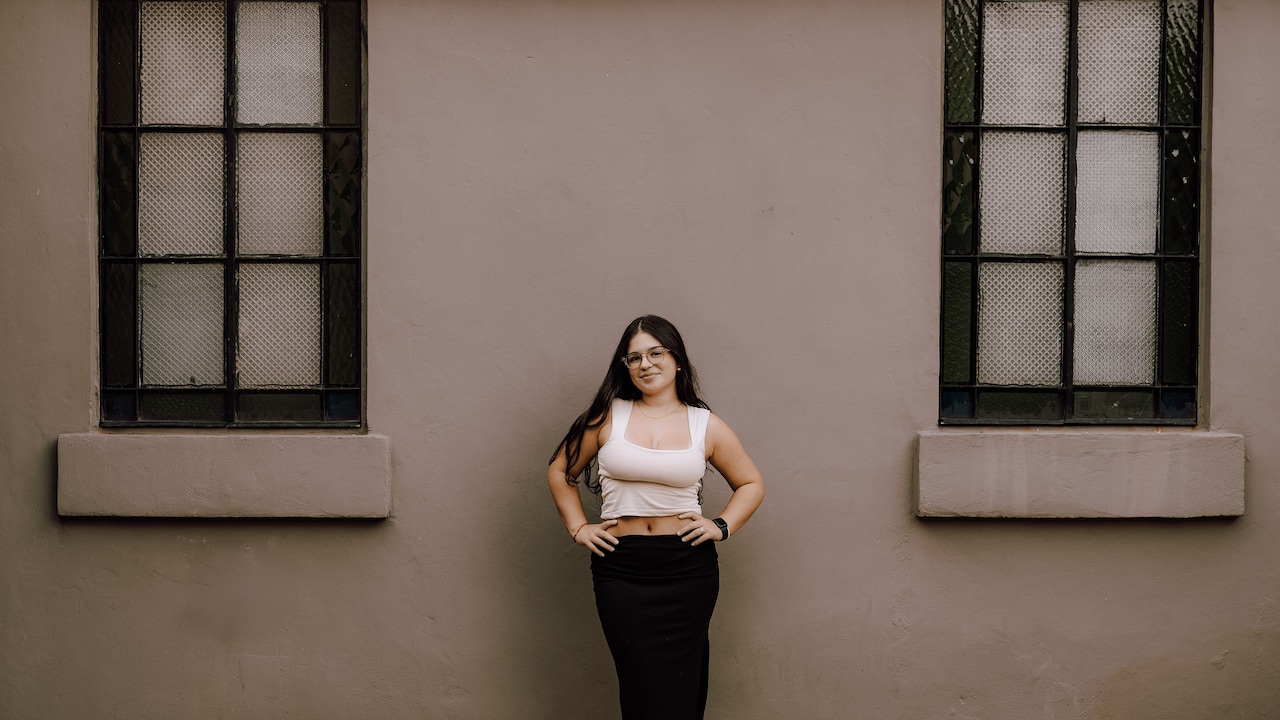
Why Pencil Skirts Shift Out Of Place: 10 Fit And Construction Issues
Few garments create such a neat silhouette with so little fuss as a well-cut pencil skirt. It follows the natural line of the body, sharpens an office outfit, and works just as easily with a crisp shirt as it does with a festive blouse. Yet that sleek shape comes with one condition: the fit has to work. When something goes wrong, the skirt usually tells on itself. The waistband rotates. The back rides higher than the front. One side seam begins travelling towards the thigh. Sitting down becomes a calculation worthy of exam season. The temptation is to blame the fabric or simply accept the shifting as part of wearing a fitted skirt. Often, though, the real problem lies in construction. A few centimetres in the wrong place can change how the entire garment behaves. Here are ten common fit and construction issues that make pencil skirts shift out of place, along with the clues that reveal what is really happening.

Why Pencil Skirts Shift Out Of Place: 10 Fit And Construction Issues; Photo Credit: Pexels
Why Pencil Skirts Shift Out Of Place
1. The Waistband Is Too Loose
A pencil skirt depends heavily on its waistband for stability. When the waistband fits too loosely, the skirt loses its anchor and begins moving with every step. It may rotate around the waist, slide down slightly or pull unevenly towards one hip.
This problem often appears when the waist measurement and hip measurement belong to different standard clothing sizes. A skirt may fit perfectly across the hips yet leave a noticeable gap at the waist. Once movement begins, gravity takes over.
The problem becomes even more obvious with smooth fabrics. Satin blends, fine suiting materials and polished cottons offer little resistance, so a loose waistband can travel surprisingly far during a metro commute or a busy office day.
A correctly fitted waistband should sit comfortably without cutting into the skin. Tailoring the waist through darts, centre-back adjustments or side seams can improve stability without making the skirt feel restrictive. The goal is secure, not suffocating. If lunch requires undoing a hook, the alteration has probably gone too far.
Also Read: Top 5 Mini Skirts To Style Three Different Ways Under ₹750
2. The Hips Are Cut Too Tight
A skirt that feels wonderfully fitted while standing may reveal its true personality the moment someone walks. If the hip area is too tight, the fabric searches for extra room. Since it cannot stretch sideways, it often moves upwards.
That upward movement creates the familiar pencil-skirt creep. After a few minutes of walking, the hem rises, horizontal wrinkles appear and the waistband may sit higher than intended.
The issue usually shows up through tension lines across the fullest part of the hips. These wrinkles act like little warning arrows, pointing towards an area that needs more space.
Sizing up does not always solve the problem because the waist may then become too loose. A better solution often involves adding room specifically around the hips through alteration or choosing a cut designed for a greater waist-to-hip difference.
Even one or two centimetres of extra ease can make a noticeable difference. A pencil skirt should skim the body rather than behave like gift wrapping. Close-fitting looks elegant; fabric fighting for survival rarely does.
3. The Skirt Has Insufficient Walking Ease
Pencil skirts narrow towards the hem, which creates their distinctive shape. However, that elegant taper can become troublesome when the lower section has too little room for normal movement.
Every stride pushes against the fabric. If the skirt cannot accommodate the movement horizontally, it begins climbing upwards. The wearer then spends half the day pulling the hem back down.
A back vent, slit or kick pleat exists for more than decoration. It gives the legs enough space to walk naturally without forcing the entire skirt to shift. When the vent is too short, poorly positioned or stitched closed, mobility suffers.
This becomes especially noticeable when climbing stairs, getting into an auto-rickshaw or walking briskly through a railway station.
The ideal amount of ease depends on skirt length, fabric stretch and how sharply the garment tapers. Longer pencil skirts generally need more freedom around the knees. Before buying one, taking a few proper steps in the trial room can reveal far more than standing in front of the mirror ever will.
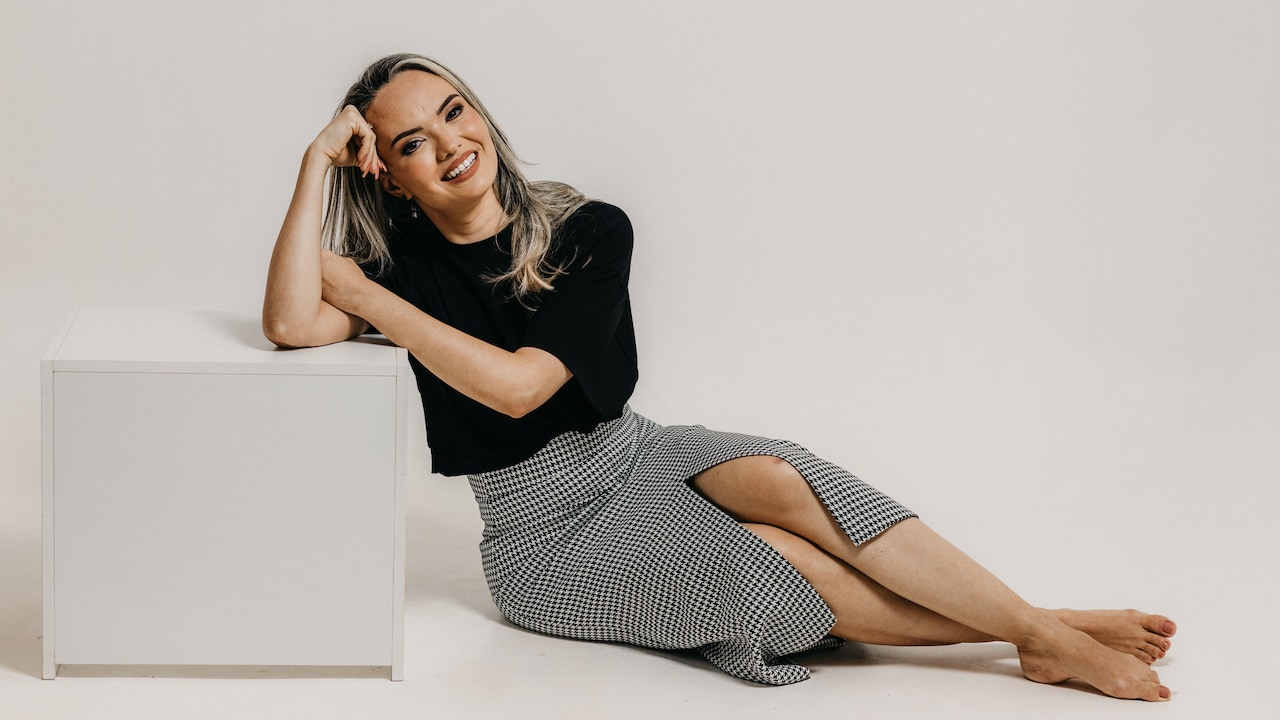
Why Pencil Skirts Shift Out Of Place: 10 Fit And Construction Issues; Photo Credit: Pexels
4. Uneven Side Seams Make The Skirt Twist
When a pencil skirt slowly rotates until one side seam sits somewhere near the front of the thigh, the problem may lie in its construction rather than the wearer's body.
Side seams should hang vertically and balance the front and back sections of the garment. If one panel has been cut slightly off-grain, stretched during stitching or shaped differently from the other, the skirt can twist as it moves.
The effect may start subtly. One seam inches forward during the day while the other drifts backwards. Eventually, pockets, vents or decorative details no longer sit where they belong.
Mass-produced garments can sometimes develop this problem when fabric layers shift during cutting. Home-stitched skirts may show similar behaviour if the pattern pieces were not aligned carefully with the fabric grain.
A simple fitting check helps. Stand naturally and observe whether both side seams fall straight from waist to hem. If they already tilt before walking begins, the skirt may never sit correctly without alteration. Straight seams are not merely tidy workmanship; they help keep the whole garment balanced.
5. The Fabric Grain Is Misaligned
Fabric has direction, even when the print or colour makes that direction difficult to see. Pencil skirts rely on that grain to hang straight.
When pattern pieces are cut off-grain, the fabric may naturally pull towards one side. The skirt then twists, wrinkles or develops a stubborn diagonal drag that ironing cannot fix.
This problem can be particularly frustrating because the waistband may fit properly and the measurements may look correct. Yet the garment still seems determined to turn itself sideways.
Woven fabrics usually behave best when the centre front and centre back follow the straight grain. Stretch fabrics require similar attention because the direction of greatest stretch must match the pattern design.
Checking grain alignment becomes especially important with checks, stripes and textured weaves, where even a small error becomes visible.
Unfortunately, severe grain problems are difficult to correct after construction. Altering the seams may improve the fit, but the fabric itself still wants to move in its original direction. In such cases, avoiding the faulty garment may save more frustration than paying ₹500 for alterations that cannot fully solve the issue.
6. Poor Dart Placement Distorts The Fit
Darts give a pencil skirt its shape around the waist, stomach, hips and lower back. When those darts sit in the wrong place, they can pull the fabric away from its natural position.
A dart that is too long may point directly towards the fullest part of the hip and create an awkward bump. A dart that is too short may leave excess fabric near the waistband. Uneven darts can also make one side of the skirt sit differently from the other.
The result often looks like unexplained bunching rather than an obvious fit problem.
Good darts should smooth the transition from waist to hip without creating sharp points. Their position needs to match the wearer's proportions rather than simply follow a standard template.
This is why two skirts labelled with the same size can fit completely differently.
If wrinkles radiate from the dart ends or the waistband seems to pull towards them, a tailor may need to shorten, lengthen or reposition the darts. Tiny changes here can transform the balance of the entire skirt without altering its overall size.
7. The Lining Is Too Tight Or Too Short
A lining should support a pencil skirt quietly. When it starts controlling the outer fabric, trouble follows.
If the lining is tighter than the skirt itself, it can restrict movement and drag the outer layer upwards. A lining that is too short may also catch around the thighs and create bunching underneath.
The strange part is that the outer fabric may appear generously cut. The hidden lining becomes the real culprit.
Static can make matters worse, particularly with synthetic fabrics. The lining clings to hosiery, shapewear or the skin, and the skirt begins creeping upwards with every step.
A well-constructed lining should have enough ease to move independently. It should also end high enough above the hem to remain invisible while still providing sufficient coverage.
Before buying a lined pencil skirt, walking and sitting in it is essential. If the outer fabric immediately starts gathering despite fitting well at the hips, check what is happening underneath. Sometimes the most troublesome part of the garment is the part nobody can see.
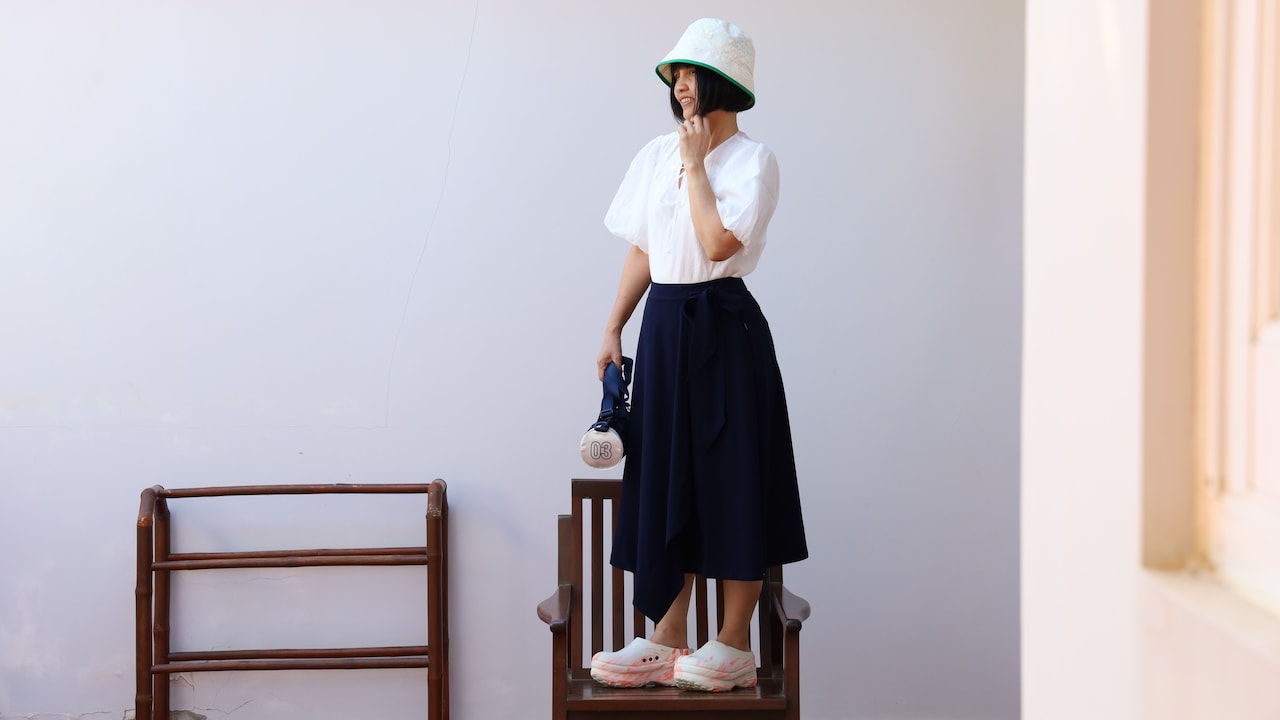
Why Pencil Skirts Shift Out Of Place: 10 Fit And Construction Issues; Photo Credit: Pexels
8. The Centre Back Length Is Incorrect
Bodies are rarely identical from front to back. Curves around the seat can require additional fabric length, particularly in fitted skirts.
When the centre back lacks enough length, the skirt may rise at the back and tilt forward at the waist. The hem can also look uneven, appearing shorter behind even though it was cut straight.
This problem becomes clearer from the side. The waistband may dip towards the front while the back seems to climb.
Standard patterns do not always account for every body shape, so someone with a fuller seat may need extra length through the back panel rather than simply a larger overall size.
Adding that length through pattern adjustment or skilled alteration allows the skirt to hang more evenly.
The reverse can happen too. Excess back length can create folds beneath the waistband and encourage the skirt to shift downward.
A good pencil skirt should look level when viewed from every direction. Mirrors in trial rooms rarely make this easy, so checking the side and back fit matters just as much as admiring the front.
9. Stretch Fabric Has Poor Recovery
Stretch makes pencil skirts comfortable, but not all stretch fabrics behave equally well.
Some materials expand nicely when sitting or walking yet fail to return to their original shape. After a few hours, the skirt may become looser around the waist, baggy at the hips or uneven near the knees.
That loss of recovery can make the garment slide, twist or sag.
A good stretch fabric should contain fibres that help it snap back after movement. When recovery is poor, the skirt may fit beautifully in the morning and look noticeably different by evening.
This is one reason extremely inexpensive stretch skirts can sometimes disappoint after repeated wear. The initial fit feels forgiving, but the fabric gradually loses structure.
Before buying, gently stretch a small section of the fabric and release it. It should return smoothly rather than remain rippled or distorted.
Care also matters. Excessive heat from washing or ironing can damage elastic fibres. Even a perfectly constructed skirt cannot stay stable if the fabric itself stops remembering its original shape.
10. The Waist-To-Hip Proportion Does Not Match The Wearer
Perhaps the most common reason pencil skirts shift is also the simplest: the garment was designed for different proportions.
Ready-made sizing works from averages. Real bodies do not.
Someone may need a smaller waist and a larger hip measurement than one standard size provides. Another person may carry more fullness at the front than the pattern allows. In both cases, the skirt tries to settle where it finds the least resistance.
That can mean riding upwards, rotating around the waist or dropping below its intended position.
Buying purely by the number printed on the label often makes the situation worse. Size labels vary widely between brands, while proportions can vary even within the same collection.
The more useful approach is to judge where the skirt fits correctly and where it needs adjustment. A tailor can often refine the waist, reshape darts or redistribute seam allowance for a relatively modest cost.
A pencil skirt feels effortless when its proportions work with the body. When they do not, no amount of discreet tugging beneath the office desk will persuade it to behave.
Products Related To This Article
1. SASSAFRAS BASICS Pencil Midi Skirt
2. STREET 9 Blue Denim Pencil Midi Skirts
3. Glitchez Women Floral Side Slit Midi Pencil Skirt
4. STREET 9 Brown Satin Pencil Midi Skirt
5. JINJIN FASHION Women High-Waist Maxi-Length Pencil Skirts
6. MANGO Mid-Rise Pencil Midi Skirt with Back Slit
7. Martini Embellished Mini Pencil Skirt
A pencil skirt should move with the wearer, not spend the day migrating around the body. When it rides up, twists, sags or bunches, the cause usually lies in fit, fabric behaviour or construction.
Loose waistbands, tight hips, poor grain alignment, misplaced darts and restrictive linings can all disturb the balance of an otherwise stylish garment. Even small details such as vent length or fabric recovery can change how securely a skirt stays in place.
The best test is movement. Walk, sit, climb a few steps and turn around before deciding that a skirt fits. A mirror can show the silhouette, but movement reveals the engineering.
Once the construction works, the pencil skirt earns its reputation as a wardrobe classic. It stays neat, feels comfortable and lets its wearer focus on the day rather than wondering why the side seam has somehow reached the front again.
(Disclaimer: This article may include references to or features of products and services made available through affiliate marketing campaigns. NDTV Convergence Limited (“NDTV”) strives to maintain editorial independence while participating in such campaigns. NDTV does not assume responsibility for the performance or claims of any featured products or services.)