10 Reasons Ballet Flats Cramp Your Toes And How To Choose A Better-Fitting Pair
Ballet flats can pinch, squeeze and leave toes aching. Here are 10 common fit problems behind the discomfort, plus simple ways to choose a roomier, more supportive pair.
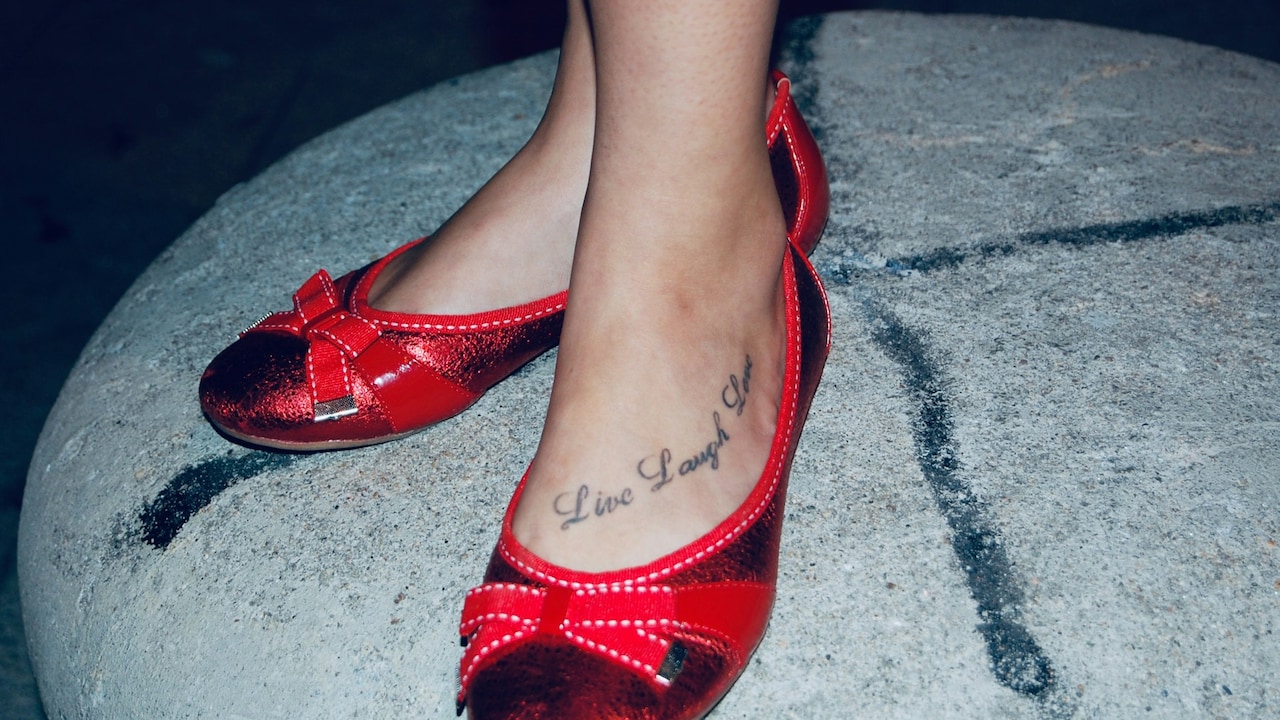
How to find the right fit of ballet flats
Ballet flats have a certain effortless charm. They slip neatly under trousers, work beautifully with kurtas and dresses, and save anyone from negotiating pavements in towering heels. On rushed mornings, they seem like the sensible choice: easy, polished and uncomplicated. Then, somewhere between the metro platform, office corridor and evening chai stop, the toes start protesting. That familiar squeezing sensation is not always a sign that feet are unusually wide or difficult to fit. Ballet flats present a particular footwear challenge. Their shallow construction, low-cut sides and sleek toe shapes often leave very little room for natural foot movement. Some pairs may feel acceptable during a quick trial in a shop yet become uncomfortable after several hours of walking.
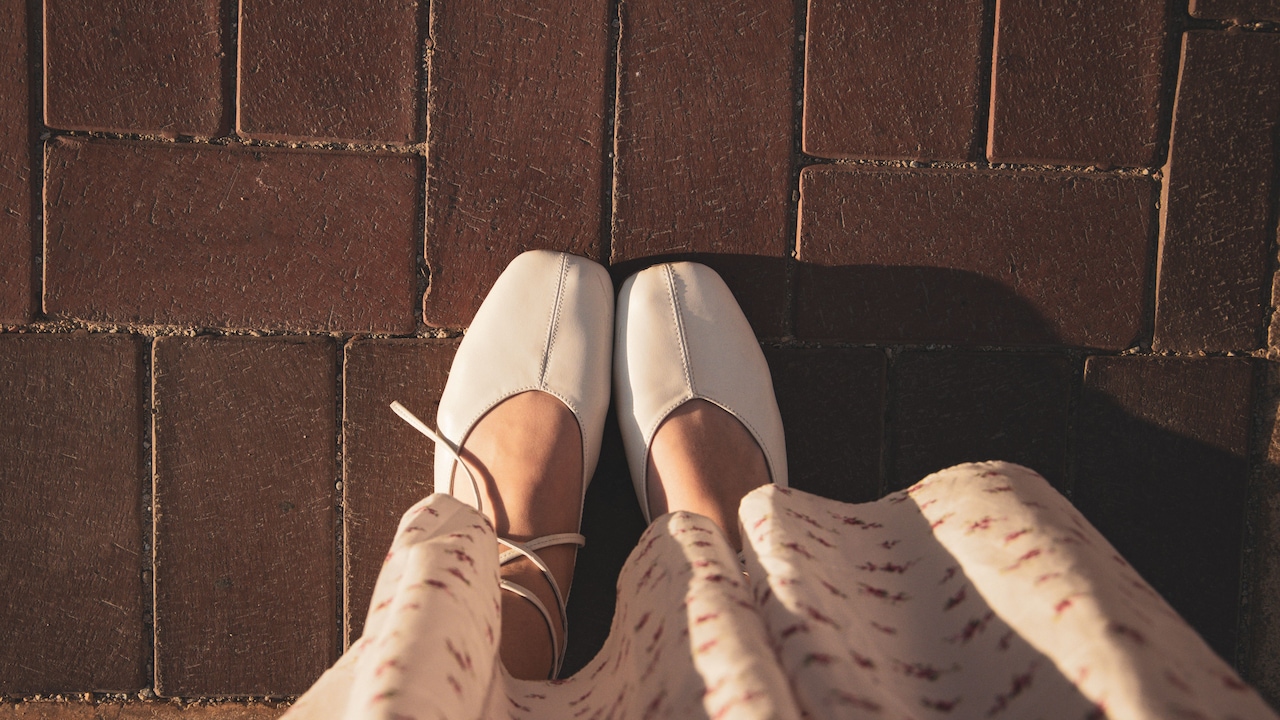
Why ballet flats can pain your toes and how to find the right fit; Photo Credit: Pexels
The good news is that comfortable ballet flats do exist. The trick lies in knowing what causes the cramping in the first place. A closer look at shape, width, material and construction can make the difference between shoes that gather dust and a pair that earns a permanent place by the front door.
Why Ballet Flats Can Feel So Uncomfortable
1. The Toe Box Is Too Narrow
The most obvious culprit is often hiding in plain sight: the front of the shoe simply does not give the toes enough room.
Many ballet flats taper sharply towards the front because a narrow silhouette looks elegant. Unfortunately, feet do not naturally taper into a tidy triangle. Toes need enough horizontal space to sit comfortably without overlapping, curling or pressing against one another.
A pointed or aggressively almond-shaped flat can therefore create pressure long before the shoe technically feels “too small”. After a few hours, that pressure may turn into soreness around the little toe, burning near the big toe joint or tenderness across the front of the foot.
A better-fitting pair should follow the general outline of the foot rather than forcing the foot to follow the outline of the shoe. Rounded, soft-square and generously almond-shaped toe boxes often provide more breathing room.
Try standing and wiggling every toe before buying. If the toes feel trapped while standing still, a crowded commute will not magically improve matters.
2. You Are Buying By Length Alone
Shoe shopping often revolves around one familiar number: size. Yet that number usually says far more about length than width.
Two people wearing the same shoe size can have completely different foot shapes. One may have a slim forefoot, while another needs extra width across the toes. Ballet flats expose this difference quickly because they lack adjustable laces or straps that can compensate for a slightly awkward fit.
Buying a larger size is not always the answer either. A longer shoe may create heel slippage while leaving the front almost as narrow as before. The result feels strangely loose and painfully tight at the same time.
Pay attention to width options whenever brands offer them. Even without formal width sizing, compare different designs within the same size. Some lasts, which are the moulds used to shape shoes, naturally provide more forefoot space.
A pair should feel secure around the heel without squeezing the widest part of the foot. Think comfortable handshake, not enthusiastic auntie at a wedding.
3. The Material Has Almost No Give
That glossy pair may look wonderfully polished under store lighting, but rigid material can become surprisingly unforgiving once the feet begin to swell.
Feet often expand slightly during the day, especially in warm weather or after long periods of walking and standing. A ballet flat made from stiff synthetic material may not adapt to that change. Instead, the shoe continues pressing against the same areas, particularly around the toes and sides of the forefoot.
Softer leather, suede and flexible textile uppers often mould more naturally around the foot. Modern knitted uppers can also offer useful stretch, provided they still have enough structure to keep the foot stable.
This does not mean every soft shoe guarantees comfort. Flimsy material can create other problems. The goal is controlled flexibility rather than a shoe that behaves like a cloth pouch.
Press the upper gently before buying. If it feels rigid enough to double as stationery, think twice. A ballet flat should bend with the foot rather than treating every step like an argument.
4. The Shoe Is Too Shallow
Width gets plenty of attention, but depth matters too.
Some feet need more vertical room around the toes and forefoot. A shallow ballet flat can press down from above even when the shoe appears wide enough from side to side. This can make toenails feel tender and create rubbing across the tops of the toes.
The problem becomes particularly noticeable for anyone with prominent toe joints, higher-volume feet or slightly raised toes. Decorative stitching, toe caps and stiff overlays can reduce usable space even further.
When trying on ballet flats, look beyond the gap in front of the longest toe. Notice whether the upper fabric rests gently over the toes or presses firmly onto them. The surface should not visibly strain across the forefoot.
Shoes with a slightly deeper vamp or softer upper often feel far more accommodating. A flattering shape does not need to squash the foot flat.
If the toes look as though they have been vacuum-packed into the shoe, the fit is sending a fairly clear message.
5. Your Feet Swell During The Day
A pair that feels dreamy at 10 am can feel two sizes smaller by 6 pm.
Daily swelling is perfectly common. Walking, heat, long commutes and hours spent standing can all cause feet to become slightly larger as the day progresses. During warmer months, the difference may become even more noticeable.
Ballet flats offer little adjustment when this happens. Unlike trainers with laces or sandals with buckles, most flats have a fixed opening and fixed forefoot space. Once feet expand, pressure builds quickly around the toes.
Shopping for shoes later in the afternoon or evening can therefore give a more realistic idea of fit. Wear the kind of hosiery, foot covers or liners normally paired with the shoes too.
A small amount of extra room can be useful, but avoid excessive looseness. If the heel lifts dramatically with every step, the shoe is too large.
The ideal pair should accommodate normal daily changes without starting the morning like a slipper and ending the evening like a medieval punishment device.
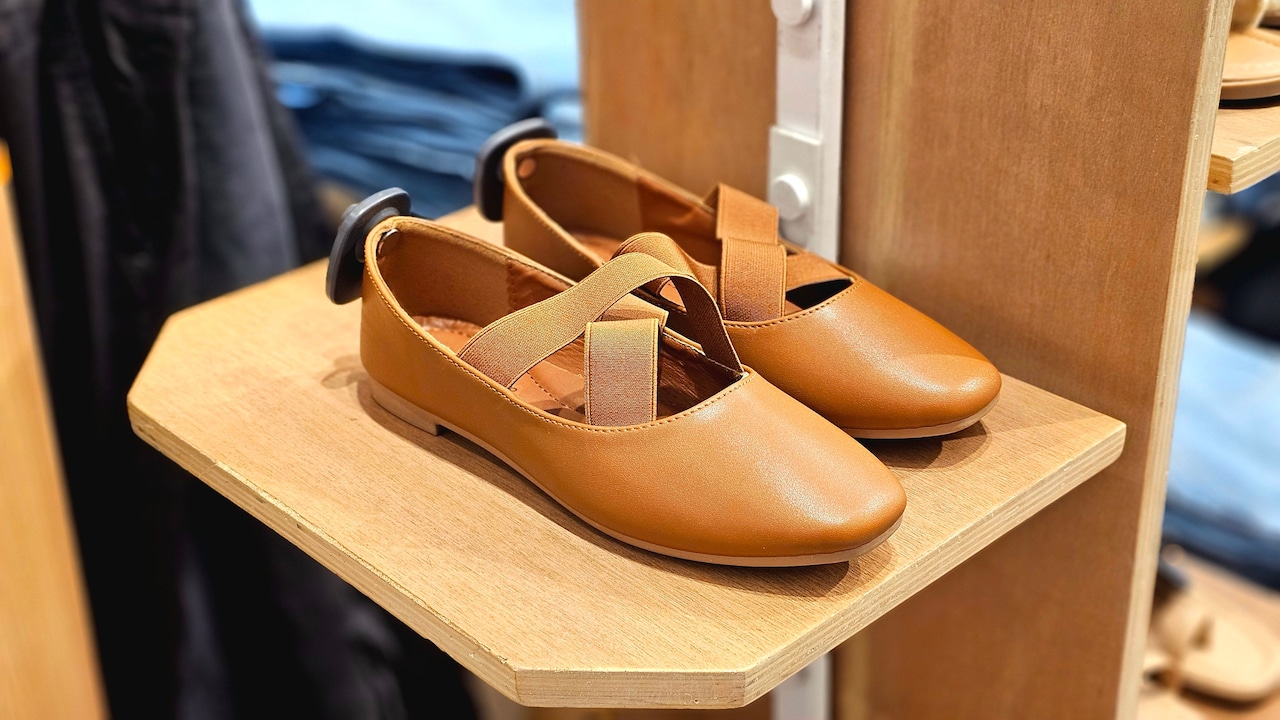
Wearing footwear throughout the day can also swell your feet and change size; Photo Credit: Pexels
6. The Edges Press Into The Foot
Sometimes the toes are not cramped because of the toe box itself. The trouble comes from the edges surrounding the foot.
Ballet flats usually have low-cut openings. To stop the shoe from slipping off, manufacturers may use firm binding, elasticated trims or tightly structured sides. These features can dig into the foot and subtly push it forwards, leaving the toes crowded against the front.
Elasticated flats are particularly deceptive. They often feel secure during the first few minutes, but strong elastic can create constant compression. By lunchtime, the foot may feel as though it has spent hours inside an unusually stylish rubber band.
Run a finger around the inside edge of the shoe. Check for rough seams, stiff piping and elastic that feels aggressively tight. Comfort should continue around the entire opening, not just under the sole.
A gently structured edge usually works better than one that grips fiercely.
Security matters, of course. Nobody wants a shoe flying across a conference room. The answer, however, is proper fit rather than excessive squeezing.
7. The Sole Is Too Thin And Flat
Ballet flats are famous for their barely-there soles. That minimal look may suit the design, but feet often appreciate a little more support.
A very thin sole can leave the forefoot absorbing much of the impact from pavements, tiled floors and long walking distances. When the arch receives little support, the foot may spread and shift inside the shoe. The toes then work harder to stabilise each step, sometimes gripping the insole unconsciously.
That gripping can create fatigue and make the front of the shoe feel increasingly cramped.
Look for flats with modest cushioning under the ball of the foot and some contour through the arch. A slightly thicker sole can also provide better protection from hard surfaces without making the shoe look chunky.
Flexibility still matters. The shoe should bend near the ball of the foot rather than folding limply through the middle.
A ₹700 pair that hurts after twenty minutes is not necessarily better value than a ₹2,000 pair worn several times a week comfortably. Cost-per-wear has a way of exposing false bargains.
8. Your Toes Are Gripping To Keep The Shoes On
Ever noticed the toes curling slightly while walking in loose flats? That is often the foot trying to stop the shoe from escaping.
When ballet flats are too loose around the heel or too low-cut at the sides, the toes may instinctively grip with every step. This constant muscular effort can lead to cramping, fatigue and soreness even when the toe box itself seems roomy.
Heel slippage commonly happens when shoppers size up to solve a width problem. The extra length creates movement at the back, while the foot still struggles at the front. It becomes a fitting merry-go-round.
A better solution may be a wider shoe in the correct length or a design with a slightly higher vamp. Some ballet-inspired flats also include discreet straps, which can help hold the foot securely without requiring the toes to do all the work.
Walk briskly around the shop rather than taking three polite steps beside the mirror.
Good flats should travel with the foot. The foot should not spend the entire journey chasing the shoe.
9. You Are Expecting Painful Shoes To “Break In”
The phrase “they'll loosen up” has probably sold more uncomfortable shoes than any advertising campaign.
Some materials do soften with wear, particularly natural leather. However, there is an important difference between mild snugness and genuine compression. A shoe that painfully pinches the toes, causes numbness or leaves deep marks is not simply waiting for a charming break-in period.
Ballet flats should feel reasonably comfortable from the start. Minor stiffness around new material may improve, but the basic dimensions of the shoe will not undergo a dramatic personality transformation.
When trying a pair, wear both shoes and walk for several minutes. Feet are rarely identical, so judge the fit according to the larger or more sensitive foot. Check the pressure around the big toe joint, little toe and toenails.
Online shoppers should also check return policies before removing labels or wearing shoes outdoors.
Hope is useful in many areas of life. Footwear sizing is not one of them. If the toes are begging for release in the trial room, believe them.
10. The Shape Simply Does Not Suit Your Feet
Sometimes a beautiful shoe is well made, correctly sized and completely wrong for a particular foot.
Feet come in different shapes. Some are widest across the toes. Others taper noticeably. Some have a longer second toe, while others have a prominent big toe. Ballet flats built on one specific shape may feel wonderful on one person and painfully restrictive on another.
This is why copying a friend's favourite brand can produce disappointing results. Even highly rated shoes cannot override anatomy.
Pay attention to where discomfort consistently appears. Pressure on the little toe may suggest insufficient width. Contact at the longest toe may indicate inadequate length or an unsuitable toe shape. Gapping at the sides could point towards a mismatch in foot volume.
Trying different silhouettes is often more productive than repeatedly changing sizes in the same design.
Comfortable footwear should accommodate the foot that actually exists, not the foot a fashion sketch appears to expect.
The right pair usually feels wonderfully uneventful. No pinching, no gripping, no strategic bandages tucked into the handbag.
Products Related To This Article
1. El Paso Women One Toe Flats with Buckles
2. Kenneth Cole Women Textured Mules Flats
3. Commander Shoes Women Open Toe Flats
4. DROP BOLD Women Textured Buckles Flats
5. Lavie Women Mojaris with Buckles Flats
6. CAI Women Knot Me Slides
7. El Paso Women Open Toe Slip On Flats with Buckles
Ballet flats deserve their reputation as versatile wardrobe favourites, but only when they fit properly. A sleek shape means very little if every outing ends with sore toes and an urgent desire to walk barefoot.
The biggest comfort problems usually come from narrow toe boxes, insufficient width, rigid materials, shallow uppers, thin soles or a shoe shape that simply does not match the foot. Daily swelling and heel slippage can make matters worse.
Instead of focusing only on the size printed inside the shoe, pay attention to how the entire foot sits and moves. The toes should have space to spread naturally, the heel should remain secure and the upper should flex without digging into the skin.
Most importantly, do not treat pain as part of the bargain. A good ballet flat should disappear from attention once it is on the foot.
After all, the best shoes are rarely the ones receiving compliments from their owner every ten minutes. They are the ones comfortable enough to forget about completely.
(Disclaimer: This article may include references to or features of products and services made available through affiliate marketing campaigns. NDTV Convergence Limited (“NDTV”) strives to maintain editorial independence while participating in such campaigns. NDTV does not assume responsibility for the performance or claims of any featured products or services.)