How To Choose A Bodycon Dress Without Pulling Across The Hips: 10 Checks For Stretch, Seams And Sizing
Choose a bodycon dress that fits smoothly across the hips. Check stretch, seams, fabric, sizing and fit to avoid pulling, bunching, riding up or uncomfortable tightness.
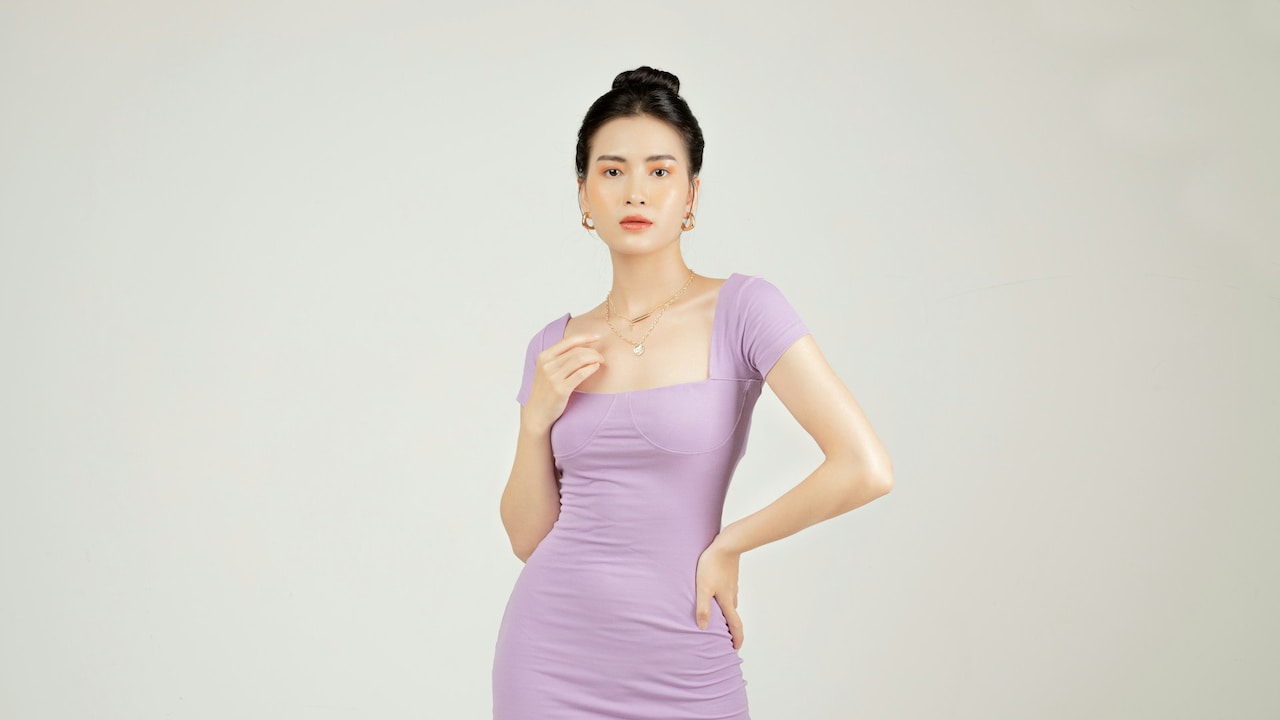
Essential tips you need to find a bodycon dress that doesn't pull across the hips
Bodycon dresses have a reputation for being unforgiving, but the dress itself is rarely the problem. Most fit issues come from choosing the wrong fabric, stretch level, seam construction or size for the shape it needs to follow. The hips often reveal those problems first. A dress may look perfect while standing still in a trial room, then pull into horizontal lines after three steps. It may fit beautifully at the waist but feel as though the lower half has entered into tense negotiations with the fabric. Add sitting, climbing stairs or getting into a cab, and suddenly that stylish fitted dress needs constant adjusting. A well-chosen bodycon dress should feel close to the body without restricting normal movement. It should recover after stretching, sit smoothly over curves and keep its shape throughout the day. That requires more than simply picking the size printed on the label. Here are ten checks that make finding the right fit much easier.
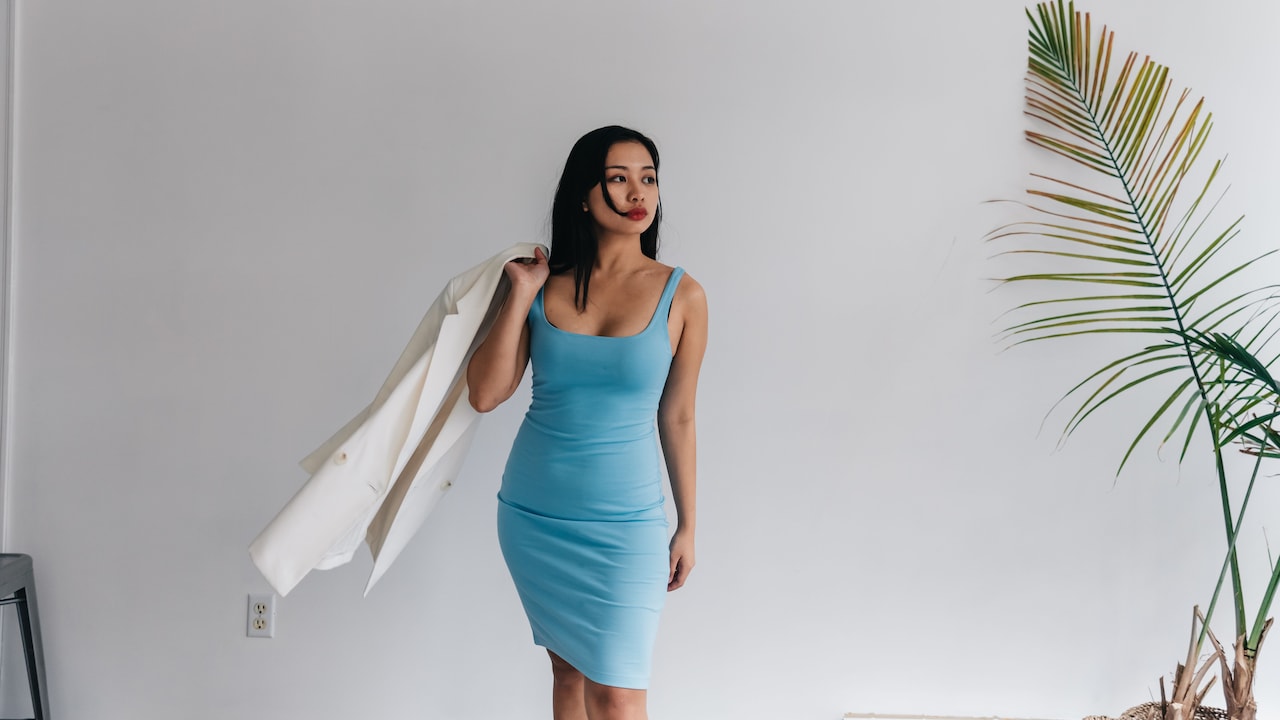
Best tips to choose the right bodycon dress for your body type
Photo Credit: Pexels
Also Read: Best Full-Length Bodycon Dresses Under ₹1000 That Flatter Without Feeling Restrictive
10 Fit Checks Before You Choose A Bodycon Dress
1. Check The Fabric Stretch Before Anything Else
Stretch can make or break a bodycon dress, particularly around the hips. Two dresses in the same labelled size can fit completely differently because their fabrics behave differently.
Start by gently stretching the material sideways. A good bodycon fabric should give enough to accommodate movement without becoming thin or distorted. Fabrics blended with elastane or spandex usually offer more flexibility than rigid polyester, cotton or woven materials.
Stretch direction also matters. Four-way stretch gives both horizontally and vertically, which often feels more comfortable when walking, sitting or bending. Two-way stretch may only expand across the body, so the dress can feel restrictive when moving.
Do not assume that extremely stretchy fabric automatically means a better fit. Material that stretches endlessly but lacks recovery may sag after a few hours. Think of the ideal fabric as supportive rather than clingy. It should adapt to the hips without feeling like an elastic band pulled close to its limit.
That first stretch test can save a surprising amount of dressing-room disappointment.
2. Look For Horizontal Pull Lines Across The Hips
Horizontal wrinkles are one of the clearest signs that a fitted dress needs more room around the hips.
Stand naturally rather than sucking in the stomach or holding a perfectly posed posture. If lines radiate across the front of the hips or pull from the side seams, the fabric is under tension. The dress may technically zip or slip on, but that does not mean it fits properly.
A little natural draping can happen with softer fabrics, especially when moving. Deep, repeated horizontal lines are different. They often indicate that the material stretches too far across the widest point.
This problem becomes even more noticeable while walking. The dress may creep upwards because the fabric searches for a narrower place to settle. That familiar two-minute ritual of tugging the hem back down usually begins here.
Try the next size or another cut rather than hoping the material will somehow loosen permanently. A bodycon dress should follow the hips smoothly. It should not look as though every seam has received urgent instructions to hold everything together.
3. Inspect Where The Side Seams Sit
Side seams reveal a great deal about fit, even when the front of the dress looks convincing.
Ideally, both seams should run in a reasonably straight line from the underarm towards the hem. If they twist towards the front around the hips, the back may need more room. If they drag backwards, the front could feel too tight.
This twisting effect often appears on curvier shapes because the dress stretches unevenly over different areas. The result may look subtle in a mirror, yet become obvious in photographs or after a few hours of wear.
Pay particular attention to dresses with contrast stitching, piping or visible seam details. Any distortion becomes much easier to spot when the seam forms part of the design.
Walk around the trial room and turn from side to side. A seam that stays close to its intended position usually suggests that the dress distributes tension more evenly.
Good seam placement does more than improve appearance. It also reduces the constant sensation that the dress is slowly rotating around the body during the day.
4. Choose Fabric Weight That Offers Enough Structure
Very thin bodycon fabric may feel wonderfully soft on the hanger, yet become less charming once stretched across the hips.
Lightweight material can reveal underwear lines, pockets, seams and every tiny fold underneath. It may also lose opacity across areas where the fabric stretches most. What looked like a deep black dress under shop lighting can suddenly look rather more adventurous in daylight.
Medium-weight fabrics often work better because they combine flexibility with structure. Ponte, ribbed knits and dense jersey blends can sit close to the body without behaving like a second layer of skin.
Try placing a hand beneath the fabric and stretching it slightly. If the colour changes dramatically or the fabric becomes transparent, expect the same effect across the hips.
Structure also helps the dress fall back into place after sitting. Flimsy materials can bunch or cling, while a fabric with a little substance tends to smooth itself out more easily.
A bodycon dress should highlight shape, not broadcast every construction detail underneath it.
5. Compare Your Hip Measurement With The Size Chart
The number or letter on a clothing label offers only a starting point. Your actual hip measurement provides much more useful information.
Measure around the fullest part of the hips while standing naturally with your feet reasonably close together. Keep the measuring tape level and comfortably snug rather than pulling it tight.
Then compare that number with the brand's own size chart whenever one exists. Sizing can vary dramatically between labels. A medium from one brand may resemble a small or large elsewhere, so loyalty to a particular size rarely helps.
If your waist falls into one size and your hips fall into the next, prioritise the hips for a fitted dress. A slightly roomier waist often looks far better than stretched fabric across the lower body. Tailoring can also adjust excess room more easily than it can create missing fabric.
Treat sizing as information rather than a verdict. Nobody at dinner knows what number sits inside the neckline. They will notice, however, when a dress fits beautifully and lets you move without constant adjustments.

Always compare your hip measurement to the size chart to find the right fit; Photo Credit: Pexels
6. Test The Dress While Sitting Down
A fitting-room mirror tells only part of the story. The chair provides the real interview.
Sit naturally for a minute and notice what happens around the hips, thighs and waist. Does the dress suddenly feel restrictive? Does the hem shoot upwards? Do the side seams strain? Does the fabric bunch dramatically at the stomach?
A dress that feels comfortable only while standing still may become exhausting at a wedding, dinner or office event where sitting forms half the evening.
Try leaning slightly forward and crossing your legs if the dress length allows it. These everyday movements reveal whether the fabric has enough stretch and whether the cut accommodates the hips properly.
Pay attention to the moment you stand again. A good dress should settle back with minimal fuss. If it remains gathered around the hips until you pull it down, expect to repeat that gesture throughout the day.
There is nothing glamorous about spending every ten minutes secretly rearranging your outfit under a restaurant table. Comfort deserves a proper trial before checkout.
7. Check Whether The Back Rises Higher Than The Front
Curves can change the way a bodycon dress sits from front to back.
Stand sideways in front of a mirror and compare the hemline. If the back rises noticeably higher than the front, the dress may need more fabric through the hips or seat.
Some difference can happen naturally, particularly with very fitted cuts. A dramatic slope, however, often means the garment stretches vertically to cover curves that the pattern did not fully accommodate.
This can create another familiar problem: the dress keeps climbing upwards while walking. Every step encourages the stretched fabric to move towards a narrower part of the body.
A longer hem does not always solve the issue. The underlying shape and stretch matter more. Look for styles designed with enough room through the lower body, or choose a slightly larger size if the rest of the fit remains balanced.
When the hem sits evenly, the whole dress tends to look more expensive. Nothing needs adjusting, nothing appears strained, and the silhouette looks deliberate rather than accidental.
8. Pay Attention To Seam And Zip Tension
Zips and seams should close neatly without looking as though they deserve overtime pay.
If a back zip bends into a wave, exposes the teeth or creates puckering around the hips, the dress may feel too tight. Likewise, seams that flatten dramatically or show tiny gaps between stitches often sit under excessive tension.
This matters for more than appearance. Constant stress can weaken stitching, especially in inexpensive stretch garments where the thread may not flex as much as the fabric.
Check concealed zips carefully. They should lie relatively flat rather than pulling away from the body. If fastening the zip requires holding the fabric together with one hand while negotiating with the slider using the other, consider another size.
Also inspect any centre-back or princess seams. Smooth seams usually indicate that the dress follows the body's shape effectively.
Clothes naturally experience some tension during movement. The goal is not absolute looseness. The goal is balanced tension, where the fabric stretches comfortably without forcing every stitched line to announce that it is working extremely hard.
9. Notice How The Dress Recovers After Stretching
Stretch matters, but recovery matters just as much.
Gently pull the fabric for a few seconds and release it. Good bodycon material should return close to its original shape quickly. If it remains wavy, baggy or distorted, the dress may lose its clean silhouette during wear.
The same principle applies during a trial. Sit for several minutes, walk around, then check the hip and seat area again. Look for sagging or loose patches where the fabric stretched.
Poor recovery often creates a strange combination: the dress feels tight at first, then becomes baggy in certain places later. Knees, hips and the seat can develop visible bulges by the end of an evening.
Elastane content can improve recovery, although fabric quality and construction matter too. Dense knits often bounce back better than very soft, loose jerseys.
A bodycon dress earns its place in the wardrobe when it can handle real movement and still look sharp afterwards. The outfit should remember its shape, even after a long lunch.
10. Choose The Fit That Lets You Forget About The Dress
The final check sounds simple: can you wear the dress without thinking about it every few minutes?
Walk quickly. Sit. Stand. Turn around. Reach for something. Take a normal stride. If each movement makes you tug, smooth, pull or readjust the dress, the fit needs reconsideration.
People sometimes choose an extremely tight bodycon dress because they expect fitted clothing to feel restrictive. It does not have to. Close-fitting and uncomfortable are not the same thing.
A good bodycon dress stays close to the body while allowing enough room for natural movement. It should feel secure rather than precarious. You should not worry about seams splitting when sitting down or the hem migrating several centimetres north while walking.
Consider where you plan to wear it too. A dress for a short evening event may need different comfort levels from one worn through a full workday or a long celebration.
The best fit eventually becomes almost forgettable. Once the dress is on, attention should move to the occasion rather than the outfit's engineering.
Products Related To This Article
1. SAKSHI TRADER Bodycon Maxi Dress
2. StyleCast Red Solid Sleeveless Midi Bodycon Dress
3. SAKSHI TRADER Bodycon Midi Dress
4. Turtle bay clothing One Shoulder Bodycon Dress
5. French Connection Textured Bodycon Dress
6. French Connection Textured Bodycon Dress
7. Phosphorus Boat Neck Bodycon Dress
Choosing a bodycon dress that fits smoothly across the hips comes down to more than squeezing into the smallest possible size. Fabric stretch, recovery, seam position, garment structure and accurate measurements all influence how the dress sits and moves.
Watch for horizontal pull lines, twisting seams, strained zips and uneven hems. Then put the dress through a proper movement test rather than judging it from one flattering mirror angle. Sitting, walking and turning often reveal more than standing perfectly still ever could.
Most importantly, remember that bodycon should describe the silhouette rather than fight against it. The right dress follows curves without looking stretched, keeps its shape after movement and allows enough freedom to enjoy the day.
When the fabric sits smoothly across the hips and the seams remain where they belong, the difference shows immediately. The dress looks cleaner, feels easier and requires far less attention. That is the real sign of a good fit: once you leave the mirror, you can get on with everything else.
(Disclaimer: This article may include references to or features of products and services made available through affiliate marketing campaigns. NDTV Convergence Limited (“NDTV”) strives to maintain editorial independence while participating in such campaigns. NDTV does not assume responsibility for the performance or claims of any featured products or services.)