Does A Tighter Bracelet Always Stay In Place Better? 10 Jewellery Fit Myths Explained
Does tighter jewellery always fit better? Not quite. From bracelets and rings to anklets and earrings, these 10 common fit myths reveal what actually makes jewellery feel secure, comfortable and easy to wear.
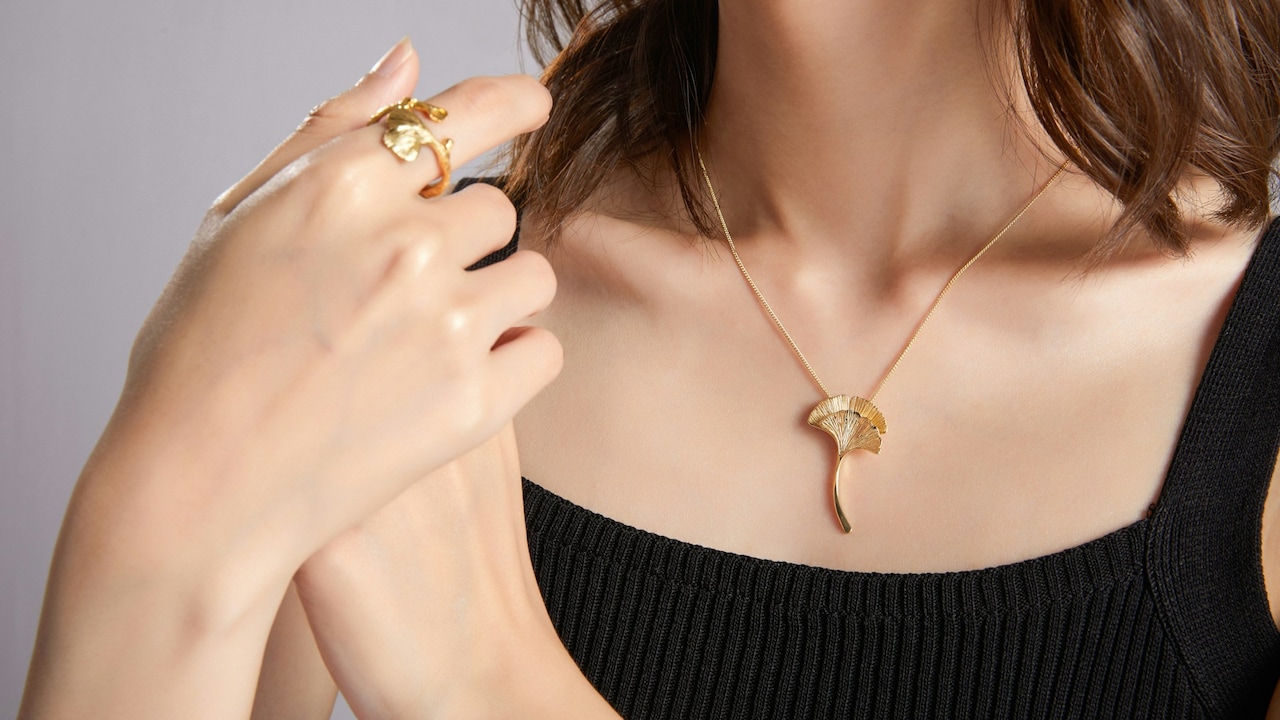
Myths about jewellery fitting and how to find the best one
Jewellery has a funny relationship with comfort. A piece can look absolutely perfect in the mirror, yet become a tiny source of irritation halfway through the day. A bangle starts clinking against a desk. A ring feels snug after lunch. A necklace clasp somehow migrates to the front just before a photograph. Suddenly, that beautiful accessory seems to have developed a personality.
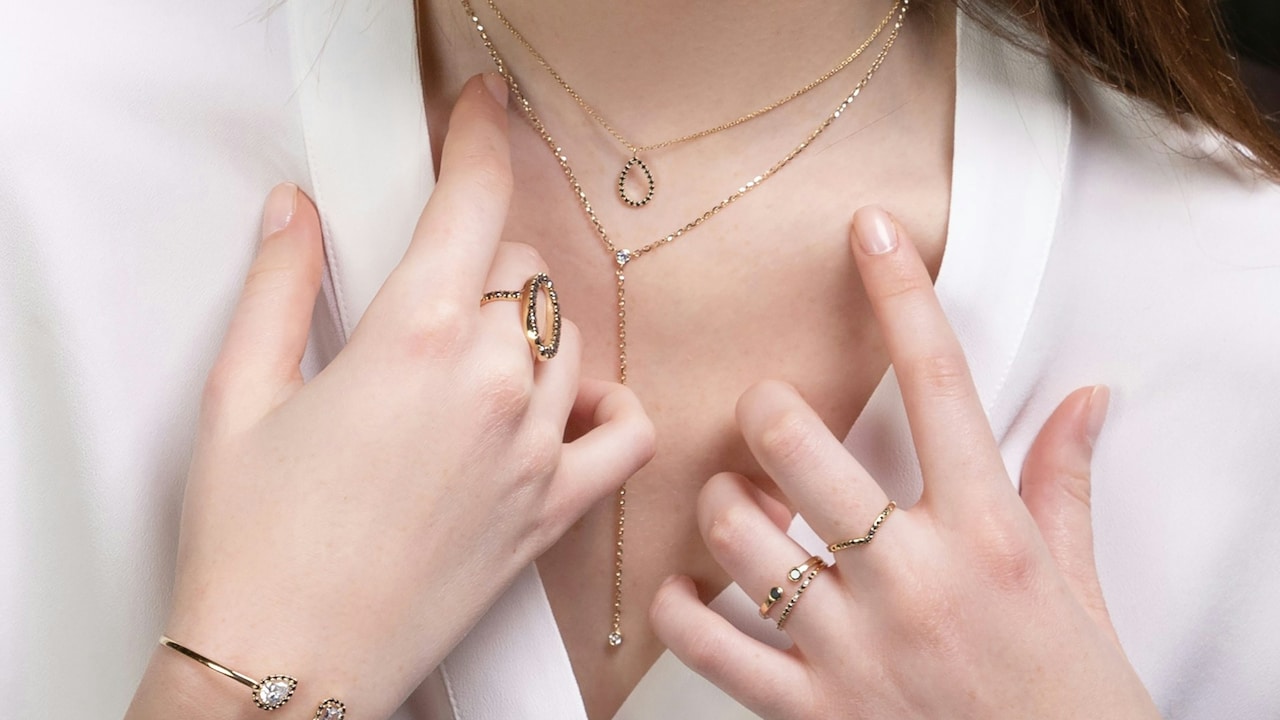
Which type of jewellery fits the best for daily use
Photo Credit: Unsplash
This is where fitting myths usually enter the conversation. A tighter bracelet must stay put. A ring should never move. Heavy earrings are supposed to hurt a little. Anklets should hug the ankle closely. These ideas often sound logical because they contain a grain of truth. The problem begins when that grain becomes a universal rule.
Also Read: Statement Kashmiri Bracelet Watches To Grab From Myntra Big Brands Bash
Good jewellery fit is not about keeping every piece perfectly frozen against the body. Bodies move, fingers swell, wrists change slightly through the day, and jewellery designs behave differently depending on their weight and construction. Comfort matters just as much as appearance.
Before squeezing another bangle over the hand or choosing a ring one size smaller “just to be safe”, it helps to separate sensible fitting advice from jewellery folklore.
10 Jewellery Fit Myths You Should Stop Believing
1. A Tighter Bracelet Always Stays In Place Better
A bracelet should not travel halfway to the elbow every time the arm moves, but making it extremely tight is not the solution. Bracelets need a small amount of room so the wrist can bend naturally. A piece that presses firmly into the skin may look secure while standing still, yet feel uncomfortable while typing, driving or carrying shopping bags.
The ideal fit also depends on the style. A delicate chain bracelet can sit relatively close to the wrist, while a chunky bracelet usually needs slightly more movement. Cuffs follow another set of rules because their opening and structure influence how they sit.
Weather matters too. On a humid afternoon, wrists can feel slightly fuller than they did while getting ready in the morning. A bracelet that already fits tightly may suddenly feel like an unwanted handcuff.
A secure bracelet should move a little without constantly slipping over the hand. Think comfortable control, not jewellery under house arrest.
2. Rings Should Leave A Mark If They Fit Properly
A faint temporary impression after wearing a ring for several hours does not automatically signal trouble. A deep groove, persistent redness or throbbing finger is another matter entirely.
A well-fitted ring should slide over the knuckle with mild resistance and sit comfortably at the base of the finger. It should not spin endlessly, but neither should removing it feel like an Olympic event involving soap, cold water and three anxious relatives.
Finger size can also change during the day. Heat, exercise, salty meals and hydration can affect how snug a ring feels. Someone buying a ring on a cool morning might notice a different fit during a warm evening celebration.
Wide bands often feel tighter than thin ones because they cover more skin. That means two rings marked with the same size may not feel identical.
A ring should feel reassuringly secure, not aggressively attached. Jewellery can make a statement without leaving one carved into the skin.
3. Bangles Should Be Difficult To Push Over The Hand
Many shoppers assume that the more dramatic the struggle involved in putting on a bangle, the better it will fit once it reaches the wrist. That can turn jewellery shopping into an unnecessary wrestling match.
Traditional closed bangles do need to pass over the widest part of the hand without being so loose that they fall off. However, forcing a bangle over tightly compressed fingers can damage both the jewellery and the wearer. Thin bangles may bend, decorative settings can loosen and skin can become sore.
Hand shape matters as much as wrist size. Two people with similar wrists can need different bangle sizes because the width across their knuckles differs.
The right bangle usually requires a little technique rather than brute force. Bringing the thumb towards the palm reduces the hand's width and helps the bangle slide over more naturally.
If half the household needs to assist with removal, the fit is probably not charmingly snug. It is simply too small.
4. A Loose Necklace Is Always More Comfortable
Extra necklace length can certainly create a relaxed look, but longer does not automatically mean more comfortable. In fact, an overly loose chain can introduce a fresh collection of irritations.
A long pendant may swing while walking, knock against a desk when sitting down or disappear beneath clothing at the least convenient moment. Fine chains can also twist more easily when they have excessive movement.
The neckline of an outfit changes the equation as well. A shorter necklace might sit beautifully above a kurta neckline, while another outfit could call for a longer chain. Pendant weight matters too. A heavier pendant often needs a chain length and thickness that distributes its weight comfortably instead of dragging at one point.
Neck circumference also differs from person to person, so a length described as “standard” cannot promise the same result for everyone.
Comfort comes from proportion. The necklace should work with the neck, clothing and pendant instead of simply hanging as low as possible and hoping for the best.
5. Earrings Only Hurt Because Your Ears Need To Get Used To Them
There is a difference between noticing an earring and spending an entire evening wondering when it can politely be removed.
Heavy earrings place downward pressure on the earlobe, particularly when worn for hours. That discomfort is not necessarily something the ears will magically learn to ignore. Repeated strain can stretch piercing holes over time, especially with large statement earrings.
Balance also matters. An earring can feel heavier when its design pulls forward rather than distributing weight close to the ear. Secure backs may help stabilise certain styles, but they cannot transform a genuinely heavy pair into weightless jewellery.
For weddings and festive occasions, swapping between statement earrings and lighter pairs can make a surprisingly big difference. Those elaborate ₹8,000 chandbalis may look magnificent, but beauty does not require spending six straight hours negotiating with the earlobes.
If earrings regularly cause soreness, tugging or noticeable stretching, treating pain as part of the fashion experience is unnecessary. Comfortable jewellery still gets to be glamorous.

Heavy and statement earrings can cause more pain than regular ones; Photo Credit: Pexels
6. Anklets Should Fit Closely Around The Ankle
A very close-fitting anklet can look neat while standing, yet become irritating as soon as walking begins. The ankle is constantly moving, flexing and changing angle, so a little breathing space matters.
Chain anklets usually look and feel better when they drape gently rather than grip the skin. Too much looseness brings its own problems, of course. A long anklet may catch on sandals, brush against the heel or twist repeatedly.
Footwear deserves attention when checking fit. An anklet that feels perfectly comfortable when barefoot might rub against the strap of a sandal. Add a day involving commuting, stairs and plenty of walking, and that tiny friction point can become difficult to ignore.
Rigid anklets need even more careful sizing because they cannot adapt to movement like flexible chains.
The goal is graceful movement without interference. An anklet should accompany each step rather than announce its presence through pinching, catching or constant adjustment.
7. Chain Length Is The Only Thing That Determines Necklace Fit
Two necklaces with identical measurements can sit surprisingly differently. Length is important, but it tells only part of the story.
Chain thickness affects how a necklace falls. So does pendant size. A large pendant may pull the centre lower, while a lightweight charm barely changes the chain's natural position. Neck shape, shoulder width and clothing can alter the final look as well.
Even the clasp can influence balance. A heavier clasp may gradually work its way towards the front when the necklace is very light. Anyone who has spotted a clasp sitting proudly beside a pendant in a photograph knows this particular jewellery betrayal.
Layering makes fit more complicated again. Two chains with only a small difference in length may overlap and tangle instead of creating the neat layered effect seen in a display case.
Rather than choosing purely by centimetres, consider the entire design. Necklace fit is geometry with a little fashion drama thrown in. Length matters, but proportion and weight decide how those numbers actually behave.
8. Adjustable Jewellery Fits Everyone Perfectly
The word “adjustable” sounds wonderfully reassuring. It suggests one clever piece can suit almost anybody without further thought. Reality is less tidy.
Adjustable rings, bracelets and necklaces offer useful flexibility, but every design still has practical limits. Repeatedly bending an adjustable ring far beyond its intended range may weaken the metal. Sliding bracelets can also become uncomfortable if excess chain hangs too far or the mechanism sits awkwardly against the wrist.
There is also a difference between technically fitting and fitting well. An adjustable ring may close around a finger but still appear unbalanced if its decorative centre is too wide. A bracelet might tighten enough for a small wrist while leaving a long extension chain dangling beside the hand.
Adjustability works best for small variations in size rather than dramatic ones.
It is a useful feature, not magic tailoring. Jewellery still needs suitable proportions, sensible construction and a comfortable range of movement. “One size fits many” is usually a more realistic promise than “one size fits all”.
9. Jewellery Size Never Changes Once You Know It
Knowing a ring, bangle or bracelet size is helpful, but those measurements should not be treated like permanent identity documents.
Bodies change. Weight fluctuations can alter finger and wrist measurements. Pregnancy, ageing, exercise routines and everyday swelling may also affect fit. Even without major physical changes, temperature alone can make jewellery feel different from one season to another.
Design creates another complication. A slim ring in a familiar size may fit comfortably, while a broad band in that same size feels noticeably tighter. A rigid bracelet and a flexible chain bracelet can also require different measurements.
This matters particularly when buying jewellery online or choosing gifts. Depending on a size recorded several years ago can lead to an expensive surprise when a ₹25,000 ring arrives and refuses to travel beyond the knuckle.
Measurements are best treated as current information rather than permanent facts. Checking again takes only a moment and can prevent awkward resizing, exchanges and the familiar family debate over whether “it definitely fitted last Diwali”.
10. Perfectly Fitted Jewellery Should Never Move
Jewellery is worn on a moving body, not displayed on a mannequin. Expecting every piece to remain completely stationary sets an impossible standard.
A bracelet may shift slightly when the wrist turns. A ring can rotate occasionally, particularly when the setting is top-heavy. Necklaces naturally move as shoulders and neck muscles change position. Even well-fitted earrings can sway during conversation or dancing.
Some movement is part of the design. Charm bracelets are meant to move. Jhumkas lose much of their personality if they sit completely rigid. Flexible chains look elegant precisely because they respond to the body.
The key distinction is between normal movement and disruptive movement. A ring that turns once in a while is very different from one that constantly spins underneath the finger. A necklace shifting gently is fine; a pendant repeatedly travelling towards the shoulder suggests the balance needs attention.
Good fit allows jewellery to move with the wearer without becoming a distraction. Sometimes a little freedom is exactly what makes a piece look natural.
Products Related To This Article
1. ARYTRA Women Gold-Plated Bangle-Style Bracelet
2. Jewels Galaxy Women Crystals Gold-Plated Link Bracelet
3. Zaveri Pearls Rose Gold-Plated Cubic Zirconia Kada Bracelet
4. Jewels Galaxy Women Gold-plated Set Of 4 Wraparound Bracelet
5. Accessorize London Women Gold-Plated & White Crystals Dragonfly Clasp Charm Bracelet
6. Zaveri Pearls Women Rose Gold Brass Cubic Zirconia Rose Gold-Plated Kada Bracelet
7. Voylla Sparkling Elegance Interlinked Hearts CZ Bracelet
Jewellery fit sounds as though it should be simple: find the correct measurement, fasten the piece and carry on with the day. In practice, comfort depends on far more than a number on a size chart.
Design, weight, body shape, temperature, clothing and daily movement all affect how jewellery behaves. That is why making a bracelet tighter does not automatically make it better, and a ring that never moves is not necessarily perfectly fitted.
The most useful rule is also the simplest. Jewellery should feel secure without demanding constant attention. It should not pinch, pull, rub or require heroic effort to remove. A little movement is often perfectly normal.
After all, jewellery usually enters the wardrobe to add pleasure, personality and polish. If wearing it feels like an endurance challenge, the problem may not be the wrist, finger or ankle. It may simply be the fit.
(Disclaimer: This article may include references to or features of products and services made available through affiliate marketing campaigns. NDTV Convergence Limited (“NDTV”) strives to maintain editorial independence while participating in such campaigns. NDTV does not assume responsibility for the performance or claims of any featured products or services.)