Does A Higher Waist Always Make A Fit-And-Flare Dress More Flattering? 10 Fit Myths Explained
A higher waist can change the look of a fit-and-flare dress, but it is not always more flattering. From skirt volume to hem length, these 10 fit myths reveal what really makes the silhouette work.
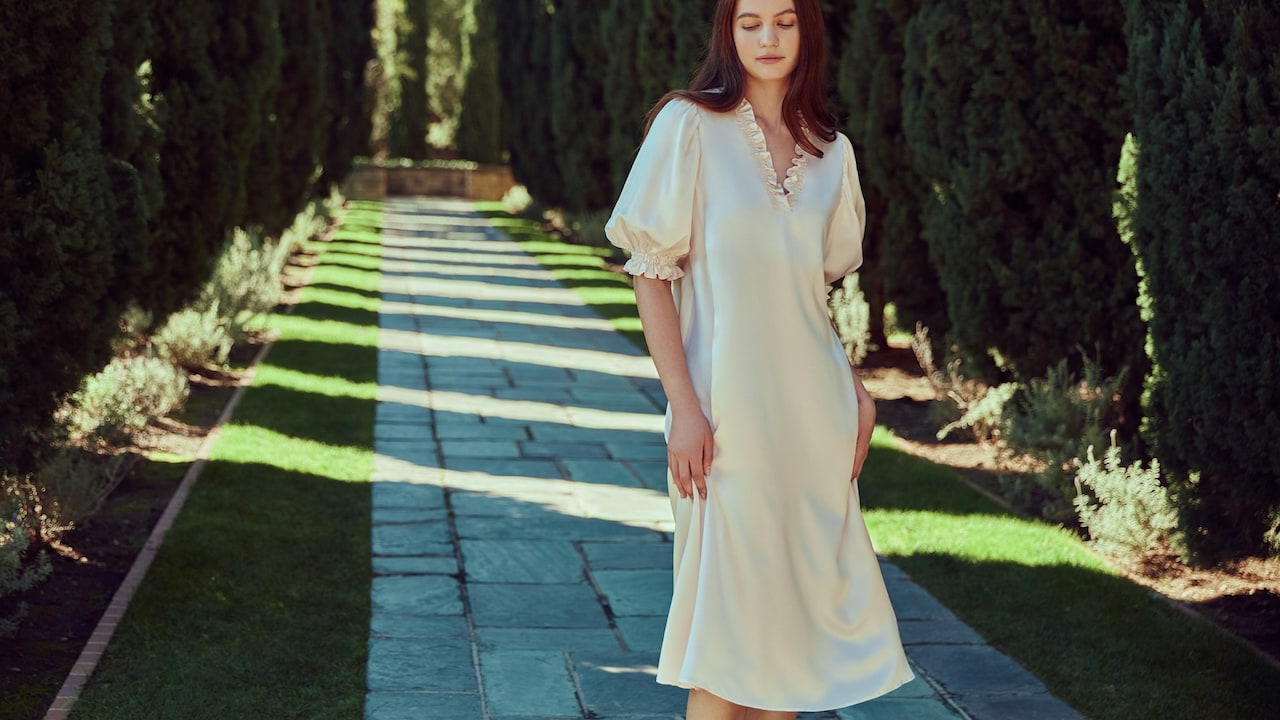
Common myths about fit and flare dress and what to know instead
Few silhouettes sound as reassuring as “fit-and-flare”. The name itself seems to promise a neat little fashion equation: fitted on top, flared below, flattering everywhere. Then comes the advice. Raise the waist. Hide the hips. Choose a certain hem. Avoid this neckline. Add that belt. Suddenly, buying one cheerful dress feels suspiciously like preparing for an entrance exam.
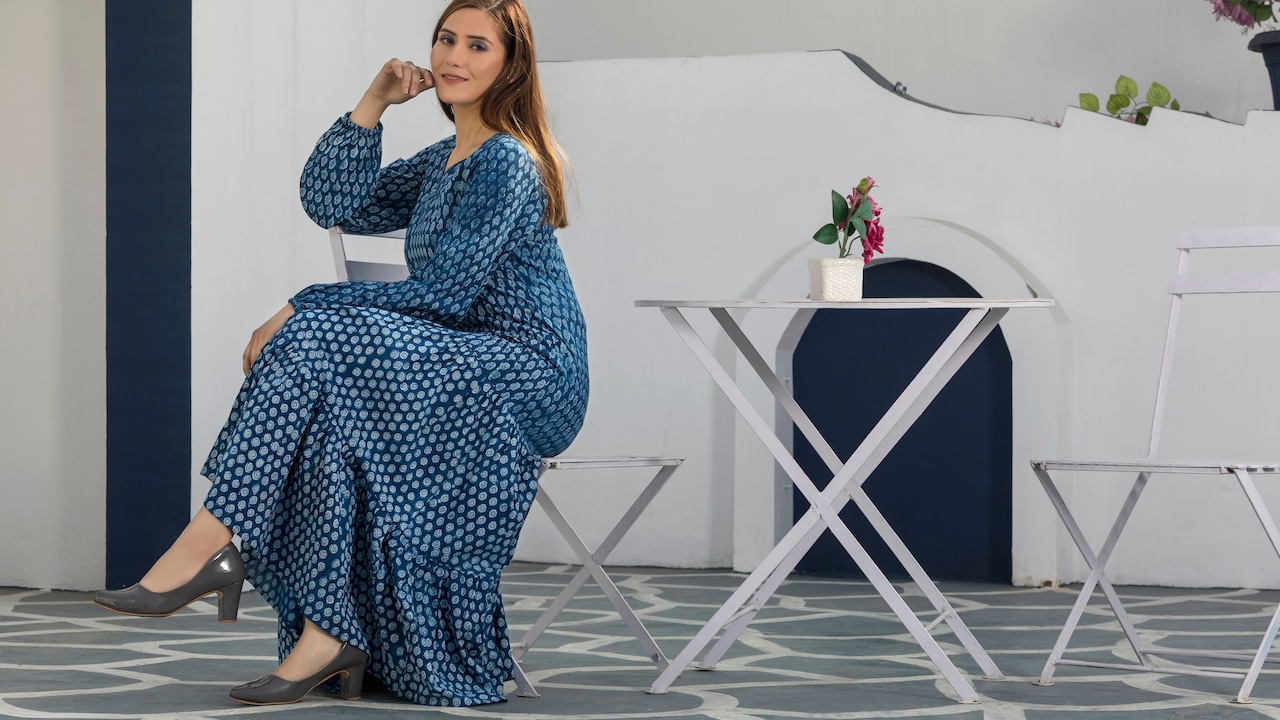
What makes a fit and flare dress look flattering
Photo Credit: Pexels
The problem is not the fit-and-flare silhouette. It is the assumption that everybody responds to the same proportions. A dress can sit beautifully at the natural waist on one person and look awkward when raised by three centimetres. Another can feel fabulous in a dramatic circular skirt but strangely overwhelmed by a softer A-line cut. Even fabric, seam placement and shoulder fit can change the entire effect.
Also Read: Plaid Perfection: 5 Check Print Tops That Serve Soft-Girl Energy
So, does a higher waist always make a fit-and-flare dress more flattering? Not quite. A flattering fit comes from balance rather than a single magic measurement. These ten myths explain why.
The Fit-And-Flare Myths That Deserve A Second Look
1. A Higher Waistline Always Makes The Body Look Slimmer
A raised waistline can create the impression of longer legs, but “higher” does not automatically mean “better”. When the waist seam climbs too far above the natural waist, the bodice may appear shortened. The dress can also start resembling an empire-line silhouette rather than a classic fit-and-flare.
The effect depends heavily on torso length. Someone with a longer torso may enjoy a slightly raised waist because it shifts the visual balance upwards. On a shorter torso, the same adjustment could make the upper body look compressed.
Comfort matters too. A seam that lands directly across the lower ribs can feel restrictive during a long wedding function, office event or dinner where sitting comfortably matters more than posing for photographs.
Instead of chasing the highest possible waist, notice where the body naturally narrows. A seam placed near that point often creates cleaner proportions. Sometimes the most flattering waistline is only marginally above the natural waist. Sometimes it sits directly on it. Fashion mathematics rarely has just one correct answer.
2. Fit-And-Flare Dresses Automatically Hide Wide Hips
The flare certainly creates room around the hips, but that does not mean every flared skirt disguises them in the same way. Where the skirt begins to expand makes a major difference.
A dress that fits tightly across the upper hip before suddenly flaring may actually emphasise that area. Meanwhile, a skirt that begins opening gently from the waist tends to skim rather than cling. Pleats can change things again. Deep box pleats create noticeable volume, while softer gathers produce a more relaxed shape.
Fabric has its own agenda as well. Crisp taffeta may stand away from the body dramatically, while rayon or crepe falls closer to the hips. Neither is inherently more flattering. The result depends on the look someone wants.
There is also no requirement to “hide” hips in the first place. Good fit should make clothing sit comfortably rather than turn the body into a problem requiring camouflage. If the waist lies flat, the side seams fall cleanly and the skirt moves without pulling, the dress is doing its job rather nicely.
3. A Tight Bodice Gives The Best Shape
There is fitted, and then there is negotiating with a zip while holding your breath. They are not the same thing.
A fit-and-flare dress needs some definition through the bodice, but excessive tightness can distort the silhouette. Fabric may pull horizontally across the bust, armholes can dig into the skin and the waist seam may creep upwards with movement. None of these effects creates the polished shape that a snug fit promises.
The better test is movement. Can the arms lift comfortably? Can the wearer sit without the waistband becoming an endurance challenge? Does the bust area lie smoothly without gaping or stretching?
A little breathing room often makes the entire dress look more expensive. Tailoring should follow the body rather than fight it.
This becomes especially important when shopping online. Choosing the smaller size simply because the product photograph looks closely fitted can backfire. A dress costing ₹3,000 will not look luxurious if every seam appears under strain. The right size with a small alteration at the waist can produce a far sharper result.
4. A Full Skirt Is Always More Flattering Than A Gentle Flare
More flare creates more drama, not necessarily more balance.
A sweeping circle skirt can look fantastic while walking into a celebration, especially when the fabric has enough structure to hold its shape. Yet enormous volume can overwhelm a smaller frame or make the dress feel unnecessarily formal for everyday wear.
A gentler A-line flare often provides an easier silhouette. It gives movement around the hips without creating the full “twirl test” effect associated with larger skirts. For brunch, work or a casual family gathering, that restraint can feel surprisingly chic.
Height alone should not dictate the choice either. The relationship between the bodice, skirt length and fabric volume matters more. A petite wearer may look brilliant in a full skirt if the bodice fits precisely and the hem ends at a thoughtful point.
Rather than asking which flare is universally flattering, consider the mood. Soft flare feels relaxed. Circular volume feels playful. Structured pleats feel polished. Clothing works better when chosen for personality and occasion, not because an old styling rule declared one skirt shape superior.
5. The Natural Waist Is Always The Perfect Waistline
The natural waist is a useful reference point, but it is not sacred territory.
Dress patterns are designed around standard proportions, while actual bodies tend to ignore standardisation with remarkable confidence. Some people have longer rises, shorter torsos or naturally high waists. Others may simply prefer how a slightly dropped or raised seam changes their proportions.
That is why the technically “correct” waist position can still look wrong.
Imagine trying two nearly identical dresses in a trial room. One seam falls exactly at the natural waist but makes the torso appear unusually long. The other sits two centimetres higher and suddenly everything looks balanced. No rule has been broken. The second garment simply works better with that particular body.
Alterations can help enormously here. Moving an entire waist seam may be complicated, but adjusting shoulder straps, bodice length or waistband depth can sometimes shift the visual balance.
The best waistline is the one that makes the bodice and skirt look connected rather than awkwardly divided. Anatomy offers a starting point. The mirror gets the final vote.
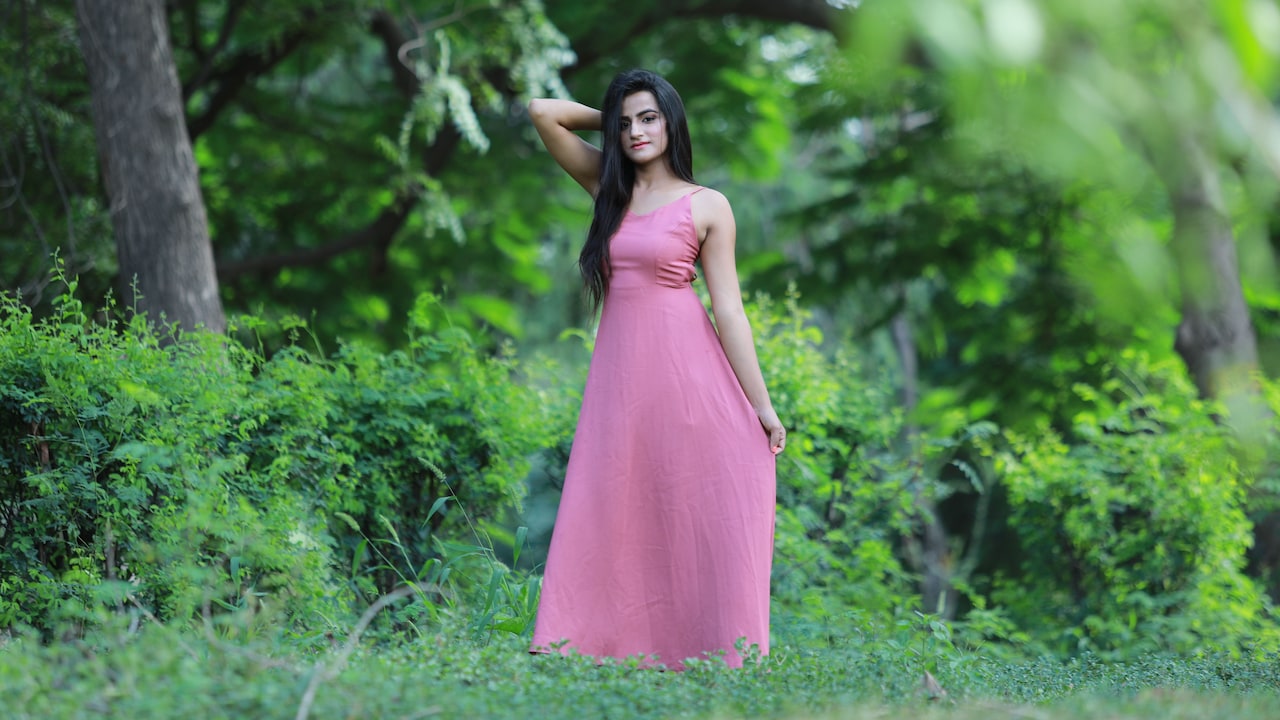
The natural waistline of a fit and flare dress may not always give the best look
Photo Credit: Pexels
6. Belts Always Improve A Fit-And-Flare Dress
Belts have become the styling equivalent of coriander: added almost automatically, whether the dish needs it or not.
A belt can sharpen waist definition, introduce contrast and rescue a dress whose middle feels visually plain. Yet a fit-and-flare dress already has a strong waist seam in many cases. Adding another horizontal line may interrupt the silhouette rather than improve it.
Width matters too. A broad belt can shorten the appearance of the torso, while a narrow belt creates a lighter division. Highly contrasting shades attract even more attention to the waist. Sometimes that is exactly the intention. Sometimes it turns an elegant dress into three separate visual sections.
The fabric also deserves consideration. Cinching a soft dress with a stiff belt may cause bunching around the waist. A belt over thick pleats can create unwanted bulk.
Before adding one, look at the dress without accessories. If the waist already appears defined and the proportions feel balanced, nothing needs fixing. Jewellery, earrings or a textured bag might bring more personality without disturbing the silhouette. Not every waist needs punctuation.
7. Midi Length Flatters Everyone In The Same Way
Midi dresses may dominate shop displays, but “midi” covers a surprisingly broad territory. A hem ending just below the knee creates a different effect from one stopping at the widest part of the calf.
That small shift can transform a fit-and-flare dress.
When the hem cuts across a fuller part of the calf, the legs may appear visually shorter. Move it slightly higher or lower and the proportions can suddenly feel cleaner. Footwear also changes the equation. A midi worn with flat sandals gives a different visual line from the same dress paired with pointed heels or sleek boots.
There is no need to treat any of these effects as flaws. They are simply proportion choices.
For tailoring, wearing the shoes intended for the dress before deciding the final hem length can save disappointment. That ₹800 alteration feels far more worthwhile when the finished dress works with several pairs already sitting in the wardrobe.
The best midi length is personal. Sometimes three centimetres can do more for a silhouette than an entirely different dress.
8. Prints Make Fit Less Important
A lively floral print can distract the eye, but it cannot negotiate with poor tailoring.
Patterns may disguise minor creases or make seam lines less obvious, yet pulling across the bust, gaping armholes and a twisting waist remain fit problems. In fact, geometric patterns can expose them even more clearly because distorted lines reveal exactly where the fabric is straining.
Print scale also affects the overall look. Large motifs can make a voluminous fit-and-flare skirt feel even more dramatic. Tiny repetitive prints often create a quieter surface, particularly on dresses with plenty of gathers or pleats.
Then there is print placement. A bold flower landing directly across the waist seam may draw attention there, while vertical pattern movement can visually lengthen the bodice.
The smartest approach is to judge fit before getting seduced by colour. That mango-yellow floral dress might have everyone emotionally committed within twelve seconds, but check the shoulders and waist before heading to the billing counter.
A beautiful print can elevate good construction. It cannot substitute for it.
9. Sleeveless Styles Create The Cleanest Fit-And-Flare Shape
Sleeveless dresses often appear sleek because there is less fabric around the upper body, but sleeves do not automatically ruin a fit-and-flare silhouette.
In fact, the right sleeve can improve proportion. A short structured sleeve may balance a fuller skirt, while a soft elbow-length sleeve can create an elegant line for more formal occasions. Flutter sleeves bring movement. Three-quarter sleeves can make a dress feel polished without becoming severe.
The real issue is shoulder fit.
If the shoulder seam sits too far out, the entire bodice can look larger than intended. If the armhole cuts too deeply, the dress may feel uncomfortable even when the waist fits perfectly. Sleeve fabric that fights with a structured bodice can also create strange bunching.
For hot weather, breathable fabric matters more than simply removing sleeves. Lightweight cotton, linen blends and fluid viscose can feel far more comfortable than a sleeveless dress made from thick synthetic material.
A clean silhouette comes from coherent proportions. Bare arms are an option, not a compulsory ingredient in the fit-and-flare recipe.
10. The Most Flattering Dress Makes You Look Smaller
This may be the biggest fit myth of all.
“Flattering” has spent years being treated as a polite synonym for “slimming”. Yet clothes can flatter by creating balance, highlighting movement, showing off colour, defining shoulders or simply making someone look wonderfully put together. Shrinking the appearance of the body does not need to be the goal.
A fit-and-flare dress with a bold skirt may actually create more volume. That volume can also create beautiful movement and a strong silhouette. A bright red dress might attract attention rather than visually minimise anything. It can still look spectacular.
Comfort changes appearance too. When a dress allows natural movement, posture tends to relax. There is less tugging at the hem, adjusting the waist or wondering whether the zip is planning a rebellion.
The most successful dress usually feels like clothing rather than a correction device. It works with the wearer's proportions and matches their sense of style.
Sometimes flattering means streamlined. Sometimes it means dramatic. Sometimes it simply means catching the mirror on the way out and thinking, yes, this one works.
Products Related To This Article
1. Anayna Printed Cotton Fit And Flared Maxi Ethnic Dresses
2. Claura Women Floral Printed Silk Puff Sleeve Fit And Flare Midi Dress
3. Rain & Rainbow Shoulder Strapped Floral Printed Fit and Flared Pure Cotton Midi Dress
4. Outzidr Women Fit And Flare Midi Dress
5. Henal Tie And Dye V-Neck Maternity Ethnic Dress
6. MURLI KURTI Floral Printed Round Neck Fit And Flare Maternity Ethnic Dress
7. OCTICS Women Ethnic Motifs Embroidered Fit And Flare Midi Dress
So, does a higher waist always make a fit-and-flare dress more flattering? No. It can lengthen the appearance of the legs and sharpen proportions, but only when the rest of the dress works with it.
Fit depends on far more than waist height. Bodice length, shoulder placement, skirt volume, fabric, sleeves, hemline and even footwear all contribute to the final silhouette. A fashion rule that works brilliantly for one body may produce an entirely different result on another. That is why trying, adjusting and occasionally ignoring conventional wisdom usually leads to better outfits than following a checklist of “flattering” rules.
The best fit-and-flare dress does not need to make the wearer look taller, narrower or smaller. It needs to sit well, move comfortably and create the proportions they enjoy seeing. If that happens with a raised waist, wonderful. If it happens with a natural waist, a dramatic skirt and absolutely no belt in sight, the fashion police can cope.
(Disclaimer: This article may include references to or features of products and services made available through affiliate marketing campaigns. NDTV Convergence Limited (“NDTV”) strives to maintain editorial independence while participating in such campaigns. NDTV does not assume responsibility for the performance or claims of any featured products or services.)