Top 10 Reasons Washing Machines Leave Detergent Residue Around Collars And Cuffs
Detergent residue on collars and cuffs often comes from excess soap, hard water, poor rinsing or overloaded drums. Here are 10 common causes and practical fixes to keep shirts looking properly clean.
Detergent Residue On Collars And Cuffs? 10 Washing Machine Mistakes
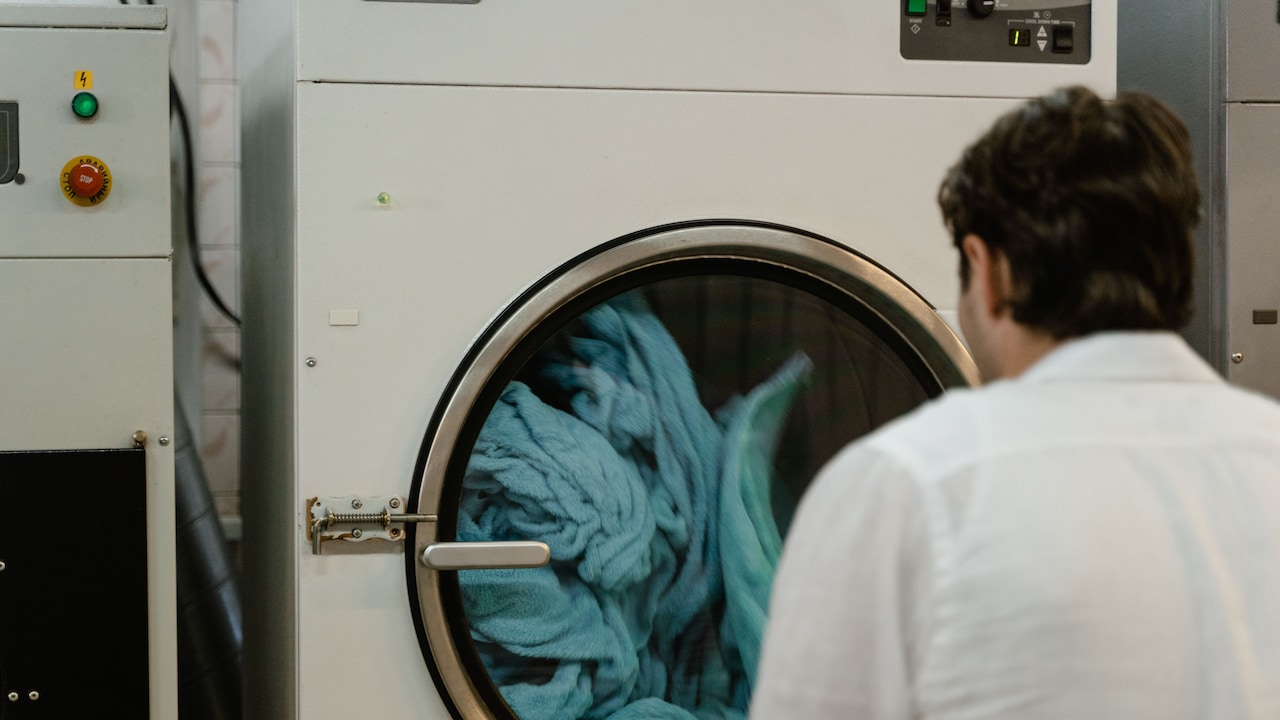
Few laundry moments feel as disappointing as pulling out a favourite shirt and spotting a pale, powdery line around the collar. The rest of the garment may look spotless, yet the cuffs feel stiff enough to make anyone wonder whether the washing machine quietly gave up halfway through the cycle. Collars and cuffs create a particular challenge because they collect sweat, body oils, dust, skincare products and everyday grime. These areas also contain extra layers of fabric, stitching and folds that can trap detergent more easily than a flat section of cloth.
10 Reasons Washing Machines Leave Detergent Residue Around Collars And Cuffs
Photo Credit: Pexels
The problem often has less to do with a faulty appliance and more to do with how detergent, water, fabric and wash settings interact. A small adjustment can sometimes make a surprisingly big difference.
Also Read: Front Load vs Top Load Washing Machines: Pros, Cons And How To Pick The Right One For Your Home
Before calling a technician or sending another shirt through an emergency rinse, consider these ten reasons detergent residue may keep appearing around collars and cuffs.
Why Detergent Residue Builds Up Around Collars And Cuffs
1. Using Too Much Detergent
More detergent does not automatically mean cleaner clothes. In fact, pouring in an extra scoop can create exactly the opposite result.
Every washing machine uses a limited amount of water during a cycle. When too much detergent enters the drum, the water may struggle to dissolve and rinse it completely. The excess then settles into fabric folds, seams and thicker areas such as collars and cuffs. Powder detergent makes the problem particularly noticeable because undissolved particles can leave pale, dusty patches behind.
It is an easy mistake to make after a sweaty day, a dusty commute or a particularly enthusiastic round of outdoor play. A heavily soiled load seems to demand more soap. Yet doubling the detergent rarely doubles the cleaning power.
Follow the detergent maker's recommended quantity and adjust it according to the load size and soil level. Modern concentrated detergents often need far less than people expect. With front-loading machines, especially, a modest amount usually works better.
If clothes regularly emerge feeling slippery, stiff or strongly scented, reducing the detergent quantity may solve the mystery before the next wash.
2. Overloading The Washing Machine
A washing machine packed like a suitcase before a long family holiday has little room to do its job properly.
Clothes need space to move through the water and detergent solution. That movement helps loosen grime and allows clean water to reach every part of the garment during rinsing. When the drum becomes overcrowded, shirts press against one another and collars may stay folded inward. Cuffs can twist into sleeves or get trapped underneath heavier garments.
Detergent then collects in these cramped areas instead of washing away.
Overloading also reduces the mechanical action that helps clean fabric. A shirt squeezed between jeans, towels and bedsheets cannot tumble freely, no matter how powerful the machine sounds.
Leave enough room at the top of the drum for clothes to move comfortably. As a general habit, avoid pressing garments down simply to fit one more item. That extra pair of trousers may save one wash today but create another rinse cycle later.
Smaller, properly balanced loads usually clean collars and cuffs more effectively while helping the machine rinse detergent away instead of leaving it behind.
3. Hard Water Is Interfering With The Wash
Hard water can turn a perfectly sensible laundry routine into a stubborn chemistry experiment.
Water in many cities and towns contains significant amounts of calcium and magnesium. These minerals can react with detergent and reduce its ability to dissolve and rinse cleanly. Instead of disappearing with the rinse water, detergent and mineral deposits may cling to fabric.
Collars and cuffs often show the residue first because their layers, seams and textured surfaces give deposits plenty of places to settle.
Hard water may also encourage people to add more detergent because clothes seem less clean after washing. Unfortunately, this can create an awkward cycle: hard water reduces detergent efficiency, extra detergent gets added, and more residue remains behind.
A detergent formulated for hard water can help. Some households also use a suitable water-softening product according to the washing machine and detergent manufacturer's guidance.
If taps, showerheads or buckets frequently develop white mineral deposits, hard water could also explain those mysterious marks on shirts. The washing machine may simply be dealing with the same minerals elsewhere in the home.
10 Reasons Washing Machines Leave Detergent Residue Around Collars And Cuffs
Photo Credit: Pexels
4. Powder Detergent Is Not Dissolving Properly
Powder detergent remains popular because it stores well, handles everyday stains effectively and often offers good value. However, it needs enough water and the right conditions to dissolve.
A cool wash can sometimes leave powder struggling to break down completely. The problem becomes more noticeable when the detergent contains larger granules or when someone pours it directly onto tightly packed clothes.
Undissolved powder can become lodged inside a folded collar or gather around cuff seams. Once the wash ends and the fabric dries, those hidden granules appear as chalky white marks.
Check the detergent packaging for the recommended water temperature and machine type. If the product consistently leaves residue during cooler cycles, switching to a liquid detergent may help.
When the machine has a detergent drawer, keep it clean and use the correct compartment. Damp, clogged drawers can turn powder into a paste before the cycle even begins.
Nobody wants a crisp white shirt to look as though someone sprinkled atta along the collar. Giving detergent the conditions it needs to dissolve can prevent that rather unhelpful finishing touch.
5. The Wash Cycle Is Too Short
Quick-wash programmes sound wonderfully convenient, particularly on mornings when school uniforms, office shirts or a favourite kurta need rescuing at short notice.
The catch is that shorter cycles have less time for detergent to dissolve, circulate and rinse away.
A quick programme usually works best with a small, lightly soiled load. It may struggle with shirts that have absorbed sweat, body oils or grime around the neckline and wrists. Thick collars and cuffs need enough movement and rinsing to release both dirt and detergent.
Using a generous detergent dose during a short cycle makes matters worse. The machine receives more cleaning product but gets less time and water to remove it.
Choose a normal or appropriate cotton cycle for heavily worn shirts. Reserve the quick wash for smaller loads that genuinely need only a light refresh.
That 15-minute button may look heroic when the laundry basket threatens to take over the bathroom, but speed always involves a compromise. Giving heavily soiled garments more time often produces cleaner fabric and far less detergent residue.
6. Collars And Cuffs Are Going In Folded
Sometimes the cause has nothing to do with detergent brands, water quality or complicated machine settings. The shirt simply enters the drum in the wrong shape.
A collar folded tightly against the neckline creates a small pocket where detergent solution can collect. Buttoned cuffs behave similarly, particularly when sleeves twist around themselves during the wash.
Once detergent gets trapped between layers of fabric, rinse water may not reach the area effectively.
Before loading shirts, unfold collars, unbutton cuffs and shake out the sleeves. Undoing a few buttons takes seconds but allows water to circulate much more freely.
This also helps the machine clean the very places that usually need the most attention. Collars collect sweat and skin oils throughout the day, while cuffs regularly brush against desks, bags, public transport rails and other surfaces.
Treating them like flat, accessible pieces of fabric improves both washing and rinsing.
Laundry often rewards tiny habits rather than heroic effort. A shirt that enters the drum with its collar open and cuffs loose has a much better chance of coming out clean without those irritating detergent lines.
7. The Rinse Setting Is Not Strong Enough
Washing gets most of the attention, but rinsing deserves equal credit.
After detergent lifts dirt from fabric, the machine needs enough clean water to carry both the detergent and loosened grime away. If the rinse stage falls short, some of that mixture stays behind.
Collars and cuffs make obvious hiding places. Their seams, extra fabric and reinforced sections hold moisture longer than thinner parts of a shirt.
Modern washing machines often focus on reducing water consumption, which makes them more efficient. However, a heavily loaded drum, a large detergent dose or thick garments may sometimes benefit from an additional rinse.
Many machines offer an extra-rinse option. Using it can help when clothes repeatedly emerge with visible detergent marks, especially after washing school uniforms, formal shirts or other garments with structured collars.
Do not treat extra rinsing as a substitute for correct detergent dosing, though. Pouring in too much soap and then using more water to remove it wastes both products.
Start with the correct detergent quantity. If residue continues despite sensible loading and dosing, an extra rinse may provide the finishing touch the cycle needs.
8. The Detergent Drawer Needs Cleaning
The detergent drawer quietly handles every wash, yet it often gets less attention than the lint filter, drum or machine exterior.
Over time, detergent can build up inside the drawer and its channels. Fabric conditioner may add a sticky layer, while moisture encourages a gummy mixture to form in corners. Instead of flowing smoothly into the machine, fresh detergent can mix with this old residue and enter the drum unevenly.
Some of it may arrive late in the cycle, leaving less time for proper dilution and rinsing.
Remove and clean the detergent drawer according to the appliance manufacturer's instructions. Warm water and a soft brush can usually loosen accumulated detergent. Check the cavity behind the drawer too, since residue often hides where it cannot easily be seen.
A musty smell or crusty deposit provides a good clue that cleaning has become overdue.
Think of it like a masala dabba with powder stuck around the edges: adding fresh ingredients does not magically remove yesterday's leftovers. A clean dispenser gives detergent a clearer route into the wash and reduces the chance of concentrated soap reaching collars and cuffs.
9. The Water Pressure Is Too Low
A washing machine depends on a steady water supply. If water enters too slowly, detergent may not dissolve, disperse or flush from the dispenser effectively.
Low pressure can come from several sources. A partially closed inlet tap, kinked hose, clogged inlet filter or temporary supply issue may restrict water flow. The machine may still complete its cycle, so the problem does not always look dramatic.
Instead, clothes begin showing subtle warning signs. Detergent residue around collars, powder left inside the drawer or unusually concentrated fragrance on washed garments can all point towards poor water flow.
Check whether the inlet tap opens fully and make sure the hose does not bend sharply behind the appliance. Cleaning the inlet filter may also help, provided the machine manual explains how to do it safely.
Persistent pressure problems may require attention from a technician or plumber.
Washing machines perform best when detergent meets enough water at the right moment. Without that flow, even a carefully measured dose can behave badly and cling to fabric long after the final spin.
10. Collar Grime Is Mixing With Detergent
Not every pale or waxy mark around a collar consists of detergent alone.
Collars collect an impressive mixture of sweat, skin oil, talcum powder, sunscreen, moisturiser, hair products and everyday dust. When these substances build up, detergent can mix with them and form a stubborn film that survives an ordinary wash.
The result may look like leftover soap even when the machine rinsed reasonably well.
Pre-treating heavily soiled collars can make a major difference. Apply a small amount of suitable laundry detergent or stain treatment to the affected area according to the garment care label and product directions. Gently work it into the fabric rather than scrubbing aggressively, which can damage fibres or fade colour.
Then wash the shirt using an appropriate programme.
Regular treatment matters more than occasional battles with a badly stained collar. Allowing oil and grime to accumulate over several wears makes them harder to remove.
That familiar ring around a frequently worn office shirt may therefore signal a cleaning challenge rather than a machine fault. Deal with the grime before it meets the main wash, and detergent has far less residue to leave behind.

10 Reasons Washing Machines Leave Detergent Residue Around Collars And Cuffs
Photo Credit: Pexels
Products Related To This Article
1. IFB 8 Kg 5 Star, DeepClean® Technology
2. Bosch 8 kg 5 Star Fully Automatic Top Load Washing Machine
3. Haier 6 kg 5 Star Oceanus Wave Drum Washing Machine Fully Automatic Top Load
4. Godrej Smart Choice 7 Kg 5 Star, 5 Years Comprehensive Warranty
5. Samsung 8 Kg, 5 Star, AI Wash, AI Energy Mode
6. Whirlpool 7 kg Magic Clean 5 Star Fully Automatic Top Load Washing Machine Grey
7. VW 7.5 kg 5 Star Aqua Spin Semi Automatic Top Load Washing Machine
Detergent residue around collars and cuffs can make freshly washed clothes feel anything but fresh. Fortunately, the problem often has a straightforward cause.
Too much detergent, an overcrowded drum, hard water, short cycles or poorly dissolved powder can all leave visible traces. Folded collars, buttoned cuffs and insufficient rinsing give those traces even more opportunities to settle. Sometimes the machine needs basic maintenance; sometimes the shirt simply needs a little attention before going into the drum.
Start with the simplest changes. Measure detergent carefully, leave room inside the drum, unfold collars, open cuffs and choose a cycle that suits the load. Keep the detergent drawer clean and investigate water flow if residue keeps returning.
A washing machine should remove the evidence of a long, humid commute or an exhausting day, not replace it with a white line of soap. A few thoughtful laundry habits can help collars and cuffs come out as clean as the rest of the shirt.
(Disclaimer: This article may include references to or features of products and services made available through affiliate marketing campaigns. NDTV Convergence Limited (“NDTV”) strives to maintain editorial independence while participating in such campaigns. NDTV does not assume responsibility for the performance or claims of any featured products or services.)