What Is Foundation Oxidation? Common Causes And Ways To Prevent For Skin-Like Finish
Using a foundation should enhance and not ruin your skin-like makeup finish. Explore what foundation oxidation truly is, why it happens, and how to prevent it for a natural-looking base..
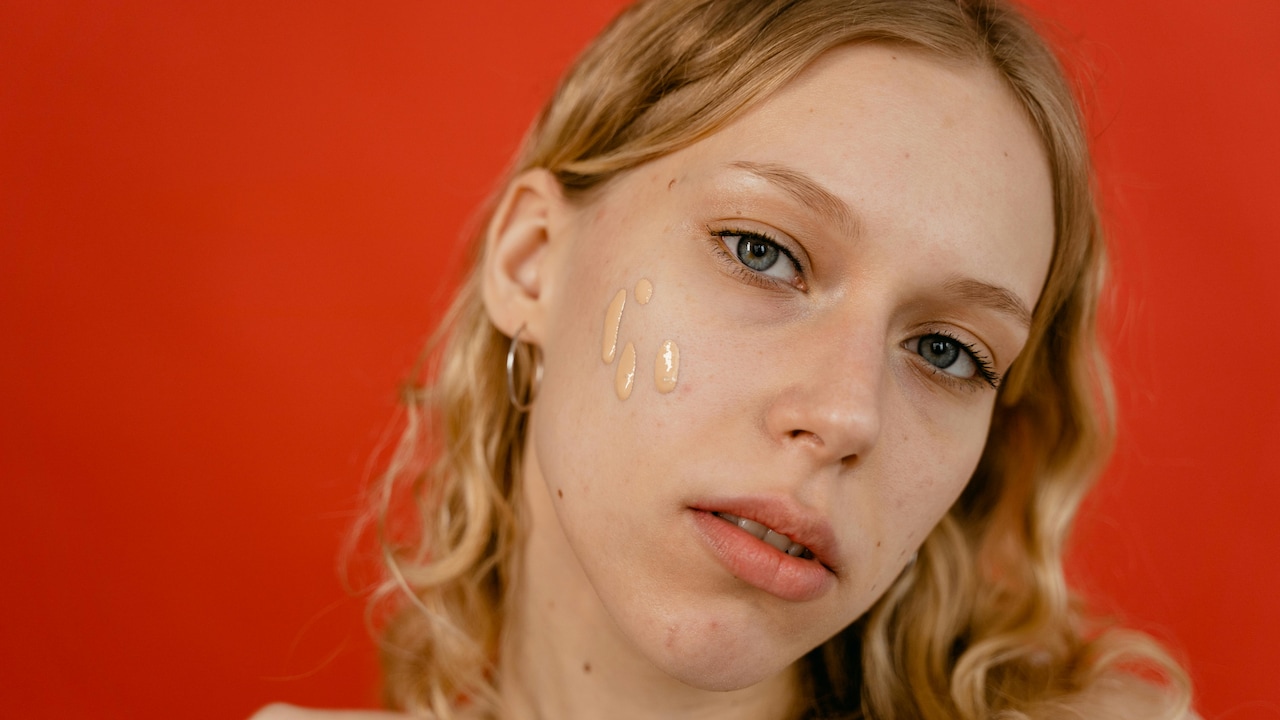
Everything about foundation oxidation, what causes it, and ways to prevent it
Whether it's wedding glam or everyday effortless look, a flawless base remains the cornerstone of skin-like makeup. Yet amidst the many nuances, foundation oxidation remains one of the most frustrating concerns. What begins as a perfectly matched shade in the morning deepens and darkens by mid afternoon. Unlike eyeshadow fallout and smudged liner, you cannot fix it last-minute. Instead, it alters the entire complexion, leaving a darker, orang-ish, look. This subtle shift not only ruins the base but can also affect the confidence significantly.
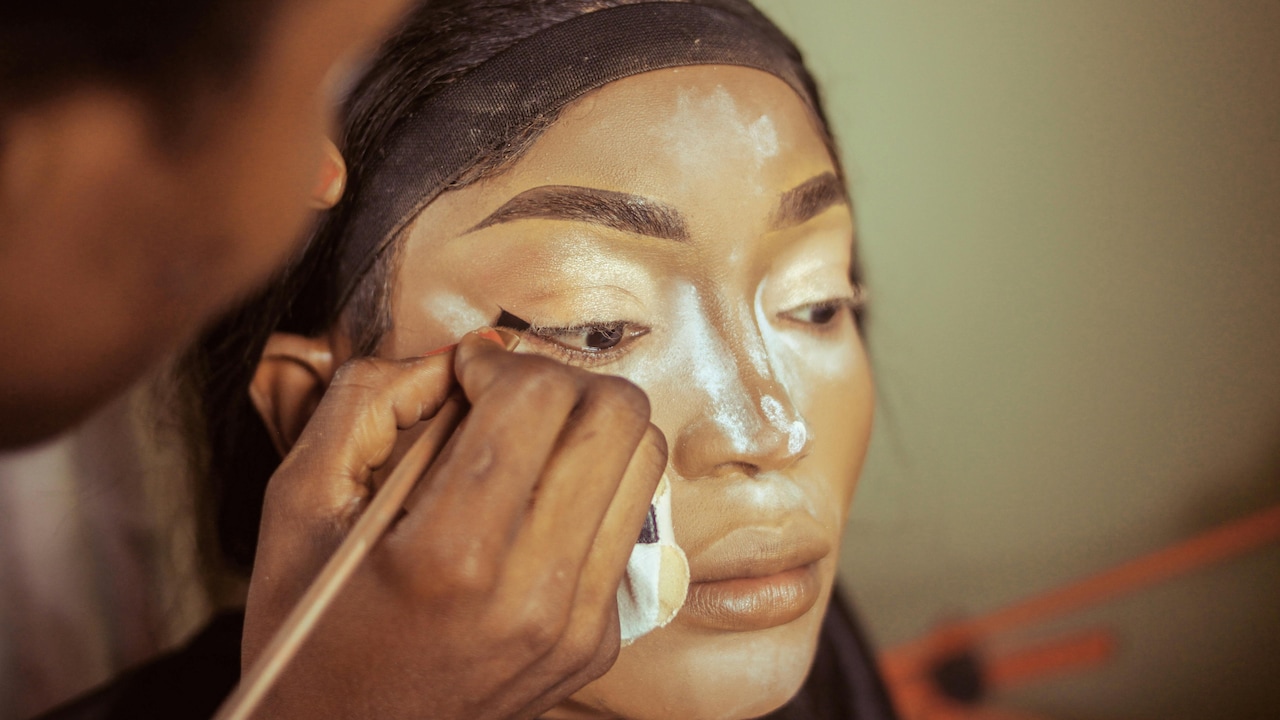
While your foundation turns darker a few hours after application and how to prevent it; Photo Credit: Pexels
Dealing with foundation oxidation begins with understanding what it is, why it occurs, and how to prevent it. Often mistaken for a shade mismatch, oxidation is more accurately a result of interactions between your skin, the product, and the environment. So, instead of relying on quick fixes, let's breakdown foundation oxidation layer by layer.
Also Read: Rosemary Oil For Hair Growth? Here Is What Science Really Says
What Is Meant By Foundation Oxidation?
At its core, foundation oxidation refers to a process in which your foundation changes colour post application. In most cases, oxidation results in an orange-toned, slightly muddy, and darker looking foundation than original. Although it is a checmical reaction, foundation oxidation can occur due to several factors. It is a very common problem in the beauty industry and can be prevented with just a small tweaks.
The saddest part about foundation oxidation is that it doesn't happen instantly. Instead, it unfolds gradually throughout the day, making your face look darker and dull. This is why a foundation that looks luminous at first may look bad after just a few hours.
Why Does Foundation Oxidise
1. Sebum
Sebum or the natural oils on your skin are often the most common causes of foundation oxidation. Despite using a foaming face wash and oil-free moisturiser, your skin can still produce oil throughout the day. When mixed with layers of foundation, sebum can cause it to break down and turn darker than usual. This is why people with oily and combination skin are more prone to this makeup mishap.
2. Ingredient Composition
Certain ingredients in the foundation can make it less or more likely to oxidise after application. For instance, a study found that liquid foundations with oil-absorbing powders and titanium dioxide were less affected by sebum. Similarly, iron oxides, used as pigmentes in your foundations, can also react with air and oil to cause oxidation.
3. Skin pH Levels
Your skin's natural pH levels play a significant role in how good the foundation will turn out. It can range from slightly acidic to neutral depending on factors like genes and diet. However, certain pigments in foundation can react differently with the pH levels and cause a visible change.
For instance, low pH levels can accelerate foundation oxidation and cause it to turn dark and orange. While it's not possible to change the pH level, using the right skincare underneath makeup can regulate it for a flawless look.
4. External Factors
Apart from your body, external environmental factors can also cause your favourtie foundation to oxidise easily. This includes heat and humidity that boost the production of sweat and oil on your face. This in turn melts down your makeup faster and make it look dull and dark.
5. Using Incompatible Products
Sometimes, the products you layer underneath makeup can also cause foundation to oxidise. This includes using heavy, greasy, or oily primers, sunscreens, oils, and creams. Although they create a smooth base, these products can add more oil to your skin and break down layers of makeup. Similarly, using active serums right before makeup can also affect how it will show up.
How To Identify An Oxidising Foundation
Sometimes, a foundation looking darker may just be a shade mistmatch than oxidation. Here are a few tips that can help identify oxidation before committing to a product:
- Apply a strip of foundation on your jawline and leave it for a few minutes
- Next, blend using your fingers, makeup brush, or a damp beauty blender
- Give it a few minutes and watch how it interacts with your skin
- If the shade looks more orange, dully, or darker, it is a sign of an oxidising foundation
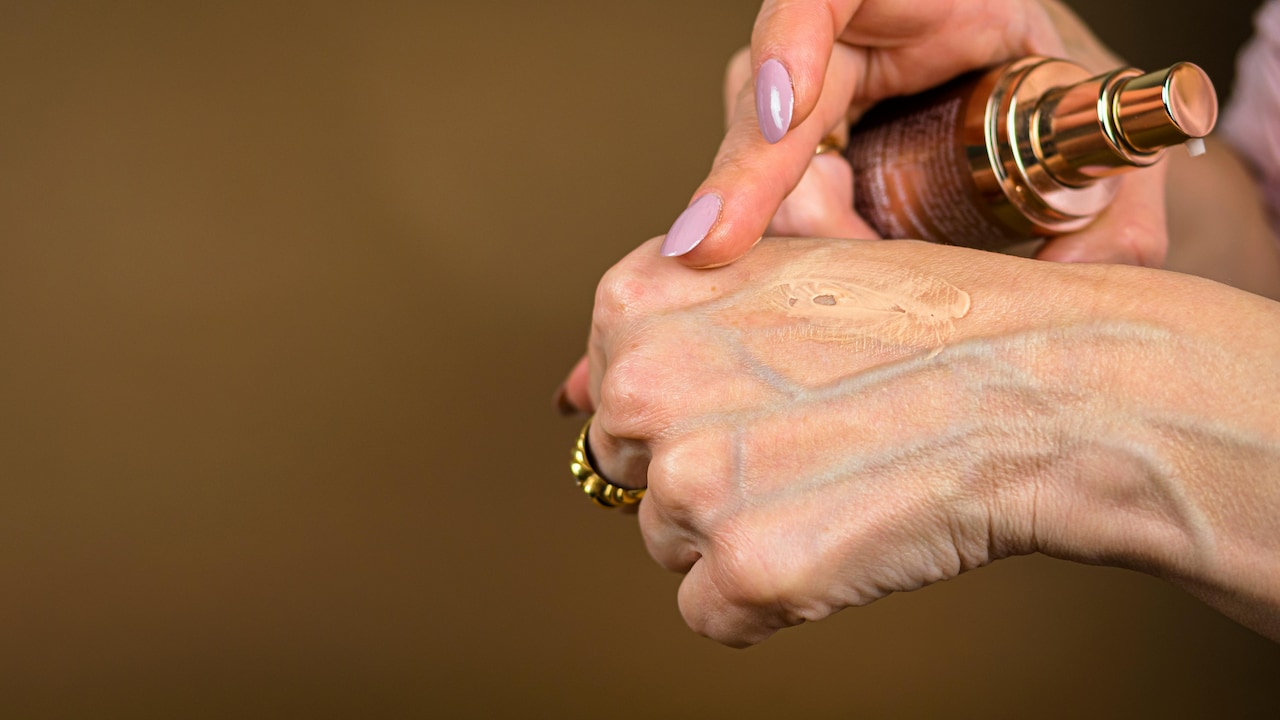
Patch test the foundation before buying to ensure that it does not oxidise upon application; Photo Credit: Pexels
How To Prevent Foundation Oxidation
Achieving a flawless, skin-like finish despite wearing foundation can be a difficult task. It involves more than picking the right shade. Here are a few easy tips that can help prevent foundation oxidation:
1. Prep Your Skin Well
Be it a sheer tint or a high coverage foundation, every makeup product needs the right base. Start by cleaning your face with a genlte product to remove excess oil and dirt. Next, use a lightweight moisturiser and wait for it to get absorbed. Follow it up with an oil-free sunscreen and let the products settle down for about 10 to 15 minutes.
2. Use Mattifying Primers
Primers are essential in makeup and give a smooth base. They also fill pores, blur lines, and make your makeup long-lasting. For oily skin, mattifying primers are best choice. They blur pores and prevent oil builup. Similarly, hydrating primers suit dry skin type and don't feel heavy. Avoid mixing water based products with silicone products to prevent chemical reactions.
3. Get The Right Shade
Always patch test a foundation on your jawline or behind the ear to test its compatibility. Apply a strip and leave it for a few hours before blending. Look for any visible changes in colour and texture. If a foundation oxidises on you, consider a shade lighter to get the best results.
4. Opt For Non-Oxisizing Formulas
Always read labels before buying and look for terms like long-wear, oxidation-resistant, and oil-free. These fomulas are designed to resist the effects of heat, humidity, and other factors on your face.
5. Set Your Base
Always use a loose powder to set your base in place and lock all the layers well. It can also reduce shine and grease to give a comfortable matte look. Focus more on problematic areas like the T-zone. However, it's equally imoprtant to avoid over powdering as it can make your skin look dry. At last, spritz a setting spray to create a protective layer over your makeup.
6. Blot Away
Use blotting sheets to remove excess oil and shine without dirsupting your makeup. This will keep the layers intact and give a refreshing look without adding more foundation, thereby reducing the risk of foundation oxidation.
Foundation oxidation may seem insignigicant at first, but can change the way your makeup looks by afternoon. Instead of surface-level fixes, foundation oxidation requires thoughtful skincare, product selection, and stable formulations. It needs more care in warmer months when sweat and oil production can accelerate the matter. So, instead of fighting it, work with it using the right methods.
Products Related To This Article
1. Huda Beauty Easy Blur Natural Airbrush Foundation
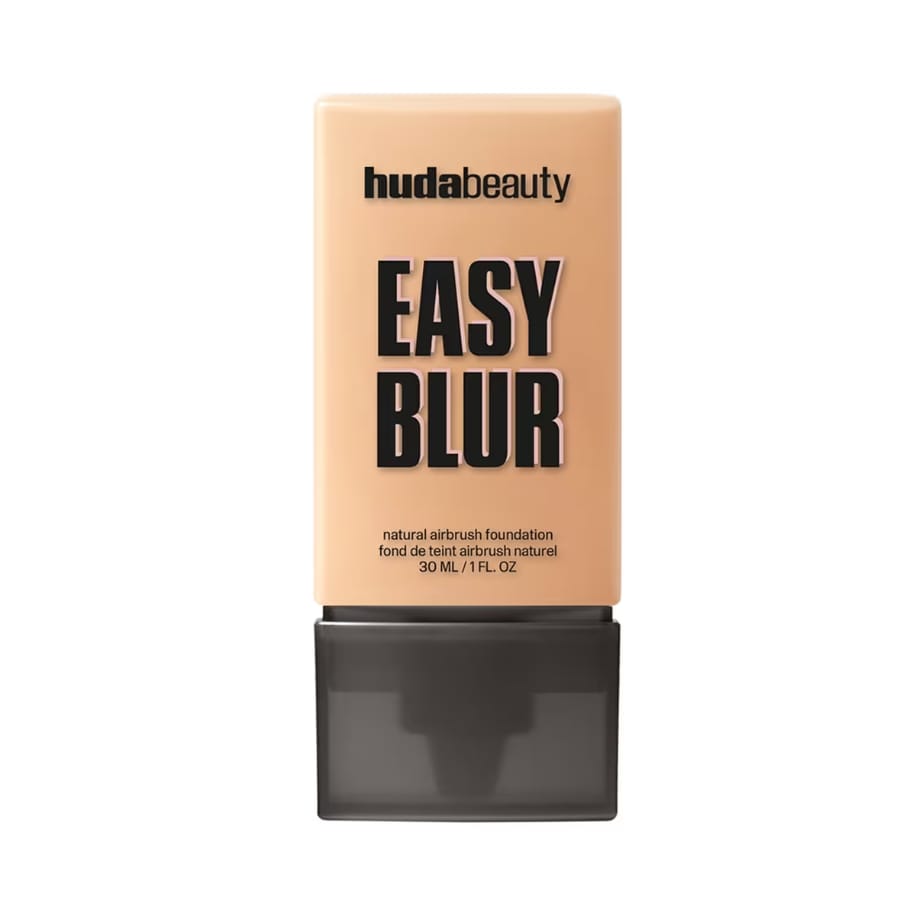
Click To Buy Huda Beauty Easy Blur Natural Airbrush Foundation
Photo Credit: Tira
2. Armani Luminous Silk Perfect Natural Glow Foundation
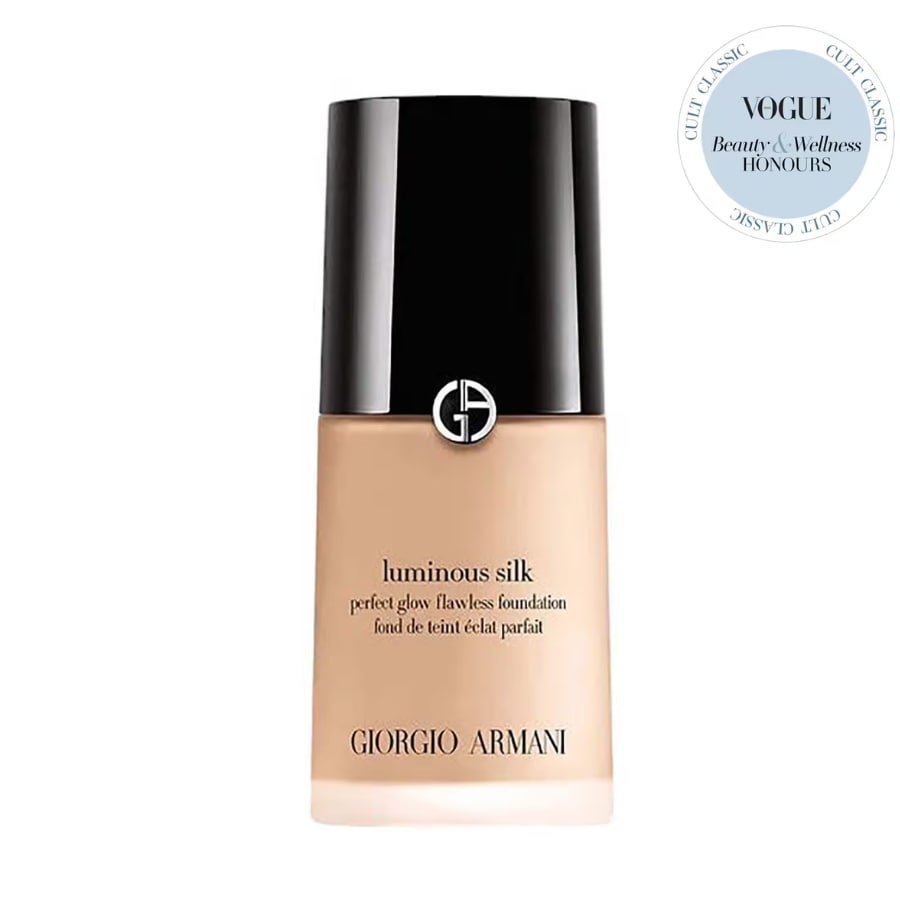
Click To Buy Armani Luminous Silk Perfect Natural Glow Foundation
Photo Credit: Tira
3. L.A. Girl Pro Matte Foundation
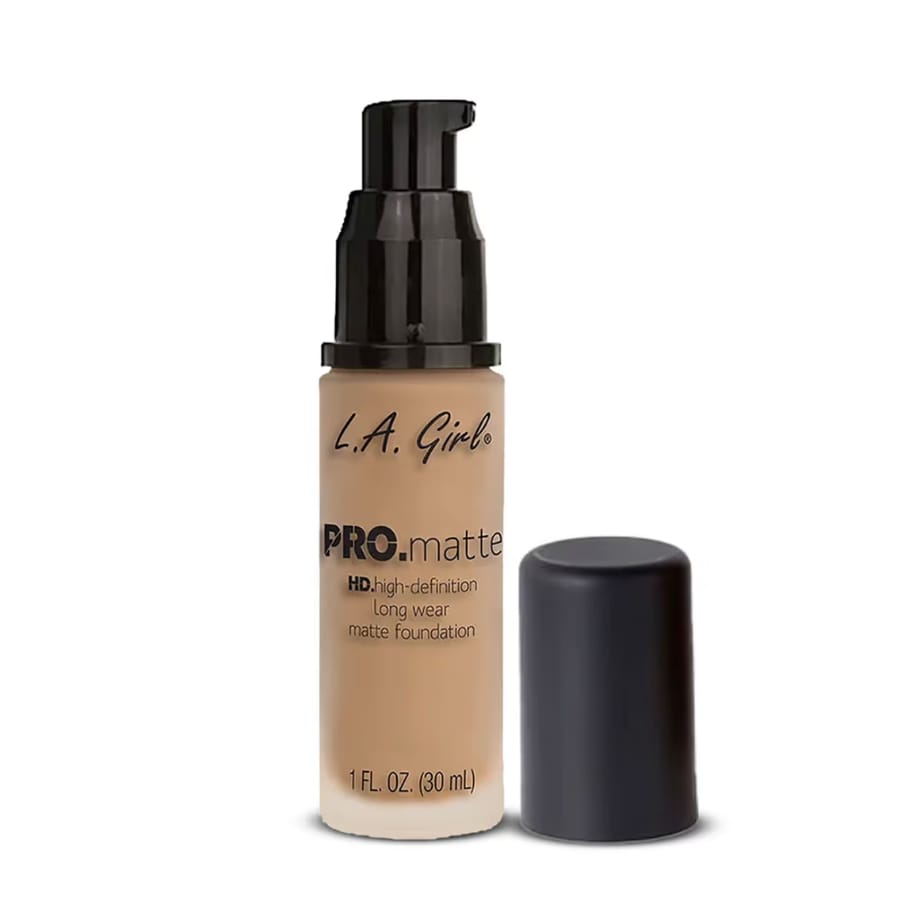
Click To Buy L.A. Girl Pro Matte Foundation
Photo Credit: Tira
4. L'Oreal Paris Infallible 24H Tinted Serum Foundation
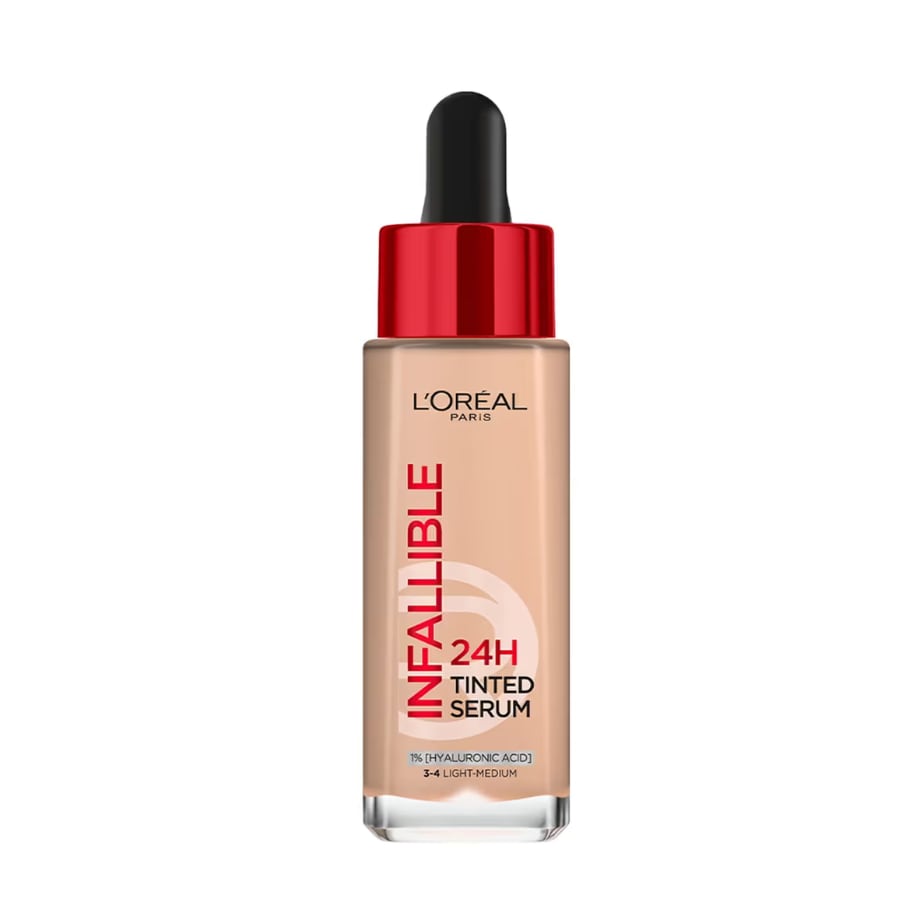
Click To Buy L'Oreal Paris Infallible 24H Tinted Serum Foundation
Photo Credit: Tira
5. Too Faced Born This Way Foundation
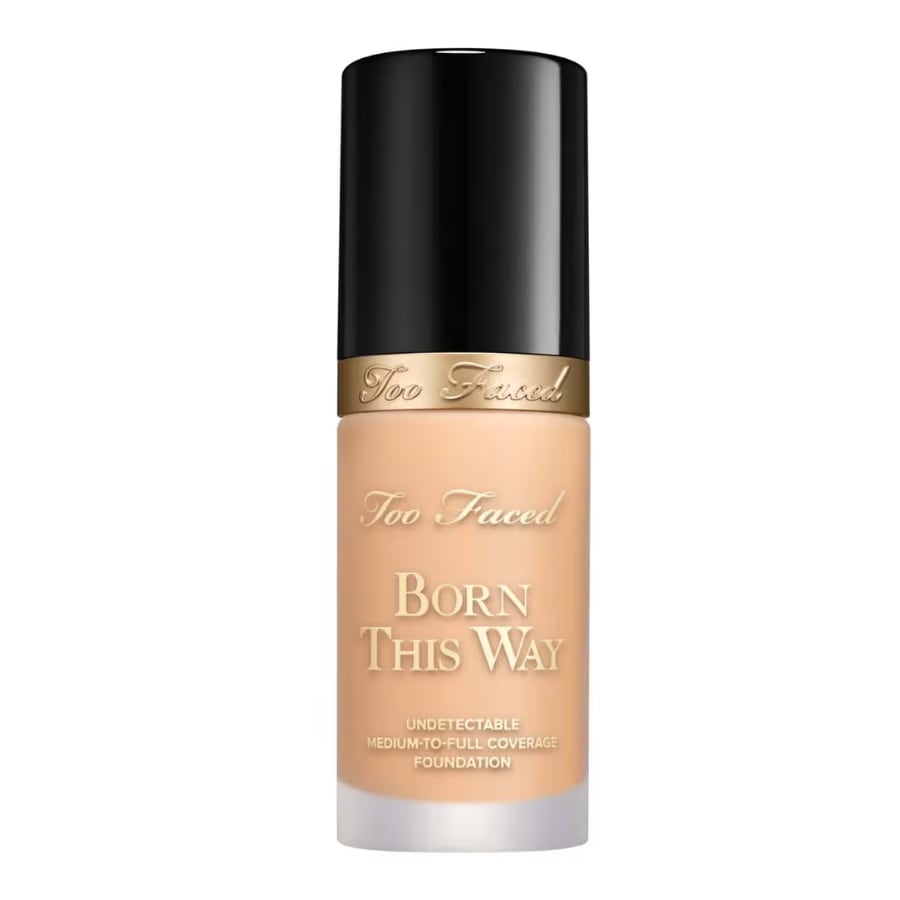
Click To Buy Too Faced Born This Way Foundation
Photo Credit: Tira
6. Laura Mercier Real Flawless Weightless Perfecting Foundation
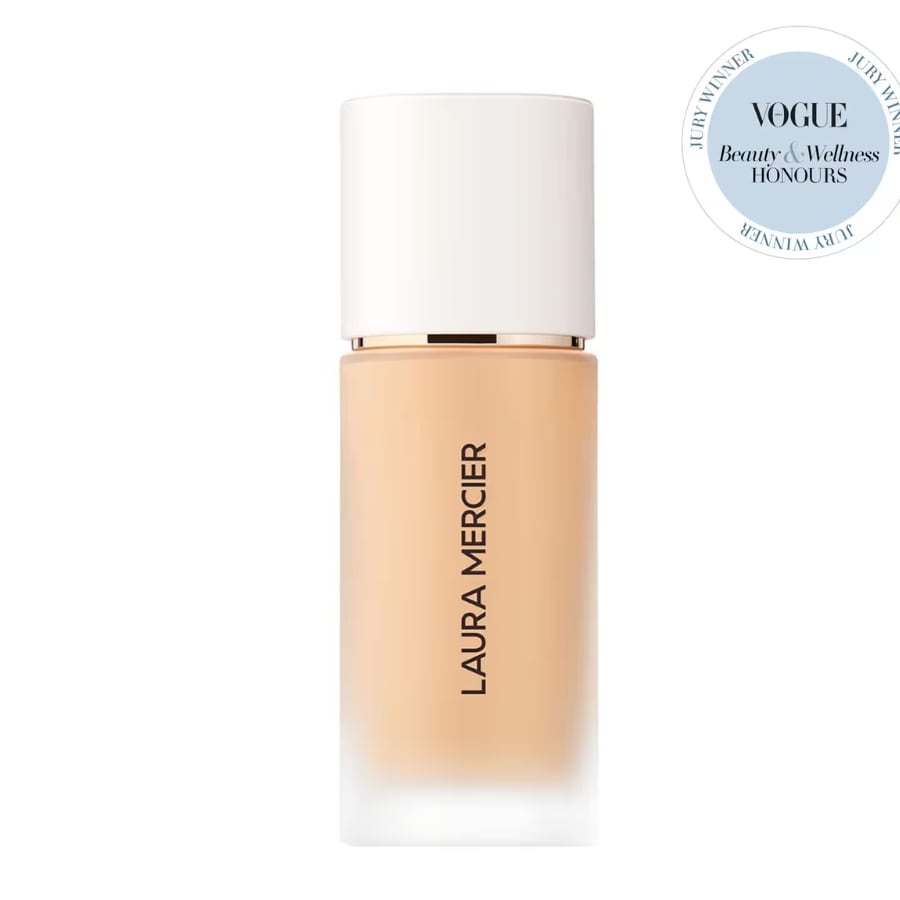
Click To Buy Laura Mercier Real Flawless Weightless Perfecting Foundation
Photo Credit: Tira
7. NARS Light Reflecting Foundation
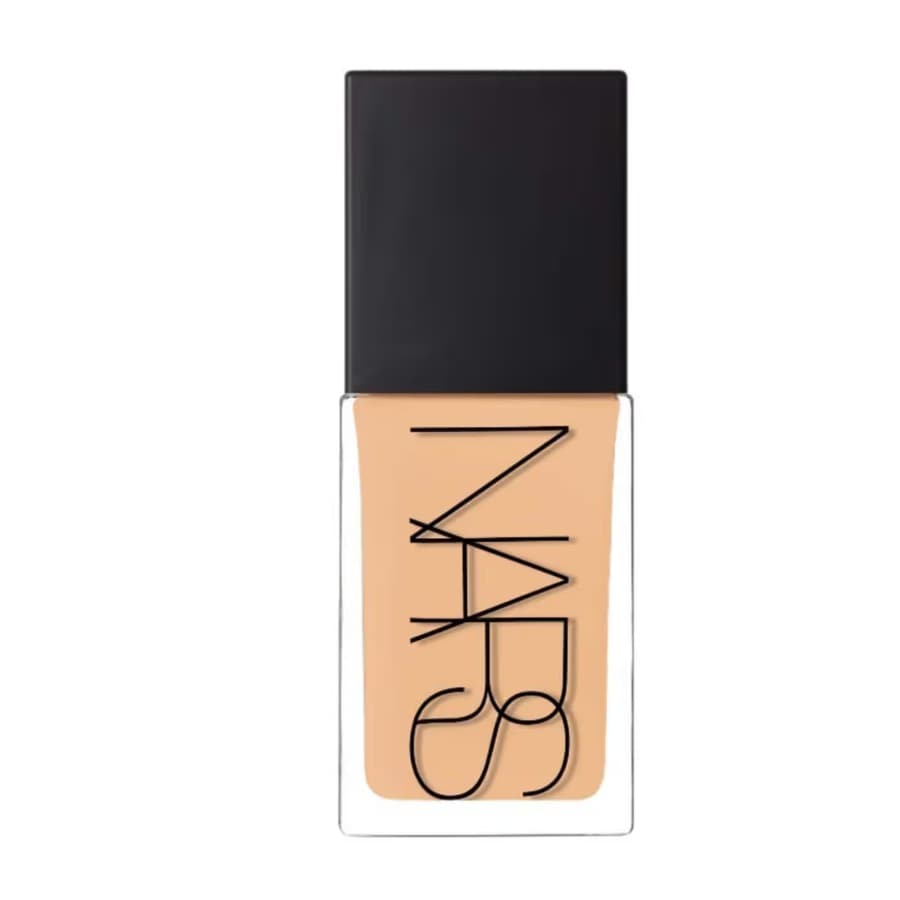
Click To Buy NARS Light Reflecting Foundation
Photo Credit: Tira
8. Estee Lauder Double Wear Travel Size Stay-in-Place Foundation
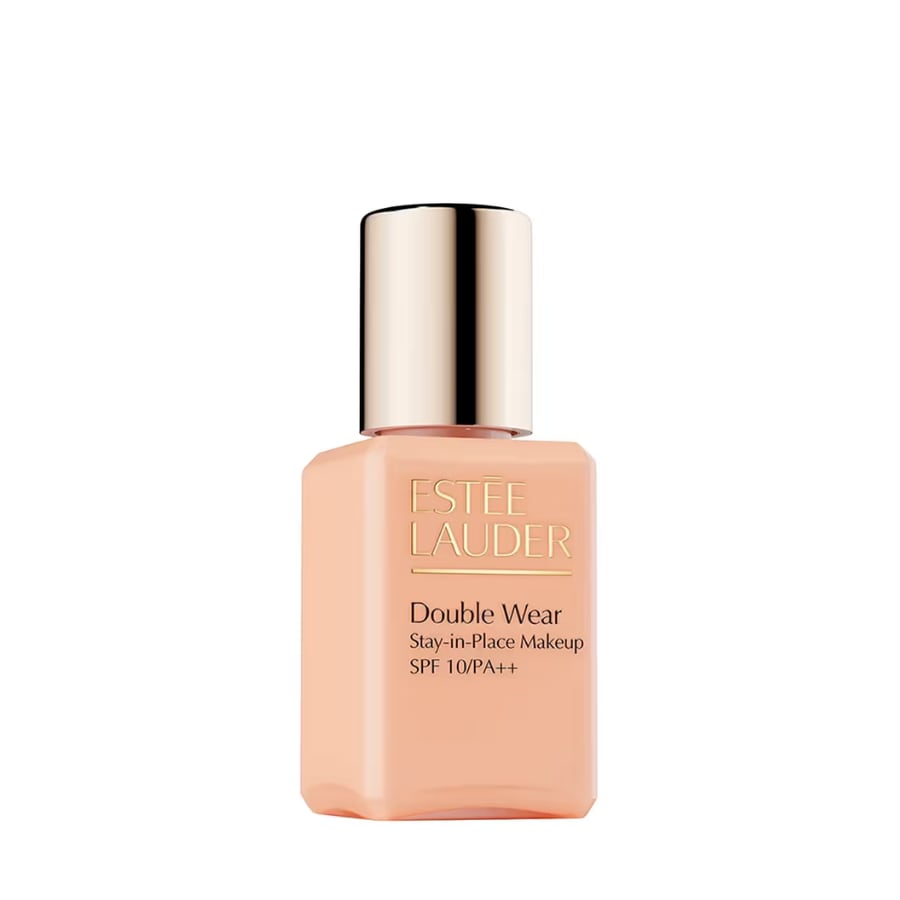
Click To Buy Estee Lauder Double Wear Travel Size Stay-in-Place Foundation
Photo Credit: Tira
9. CLINIQUE Even Better Clinical Serum Foundation
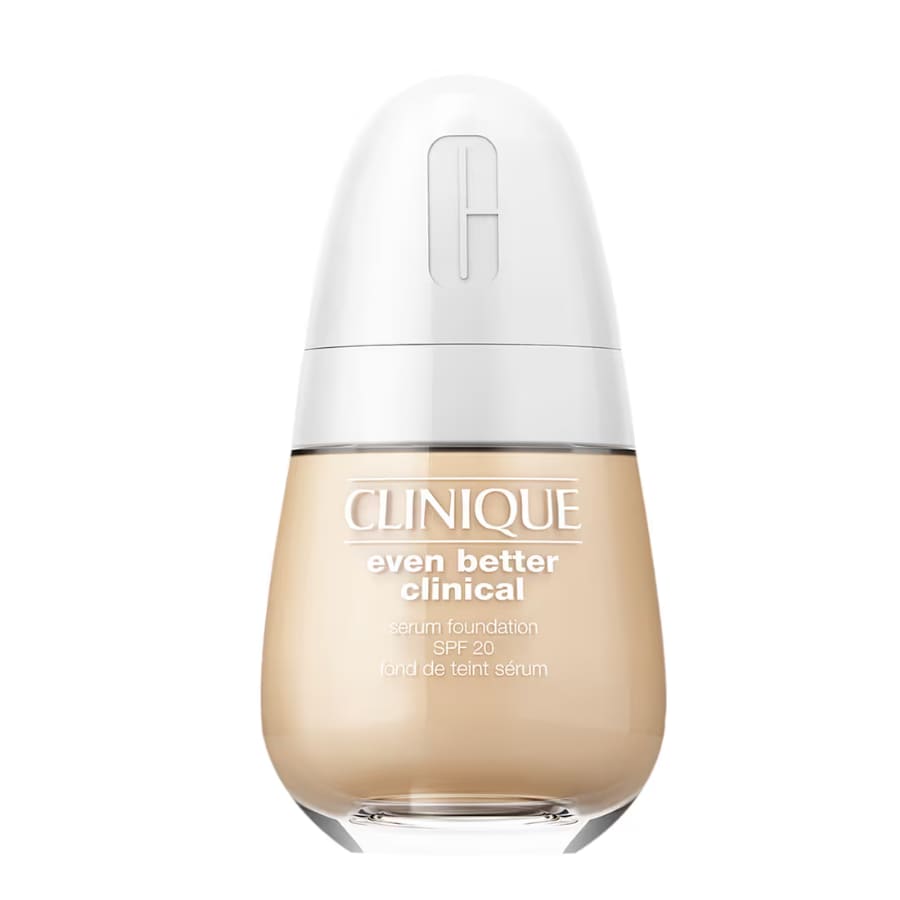
Click To Buy CLINIQUE Even Better Clinical Serum Foundation
Photo Credit: Tira
10. Bobbi Brown Weightless Skin Natural Matte Finish Foundation
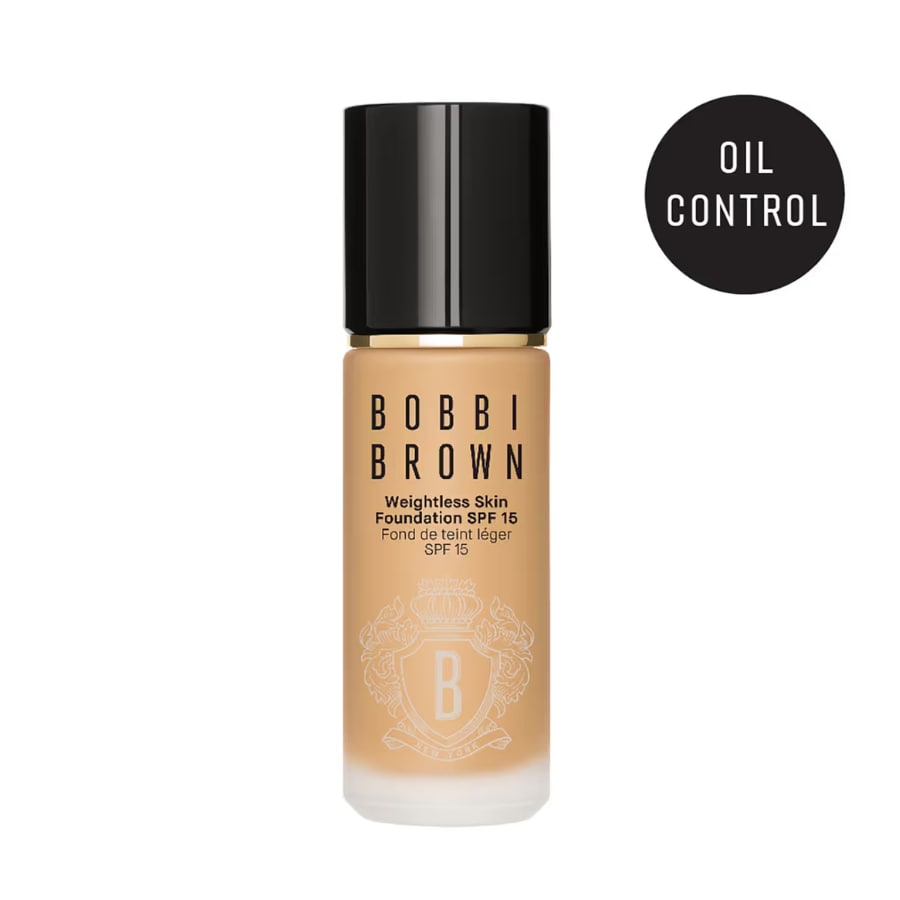
Click To Buy Bobbi Brown Weightless Skin Natural Matte Finish Foundation
Photo Credit: Tira
Frequently Asked Questions (FAQs)
1. How to fix foundation that oxidises?
To fix an oxidising foundation, start by creating an oil-free base, use thin layers, and set with loose powder.
2. What does it mean when foundation is oxidised?
When a foundation is oxidised, it means that the product reaction with sebum, sweat, and other factors which made it look darker over time.
3. How long until foundation oxidises?
Foundations can look visibly oxidised in 1-3 hours, depending on the type and formula.
4. Which foundation is best for acne‑prone skin?
Oil-free and non‑comedogenic foundations are best for acne‑prone skin as they do not clog pores.
5. Does oxidation make foundation darker?
Yes, oxidation can cause your foundation to look darker in a few hours.
(Disclaimer: This article may include references to or features of products and services made available through affiliate marketing campaigns. NDTV Convergence Limited (“NDTV”) strives to maintain editorial independence while participating in such campaigns. NDTV does not assume responsibility for the performance or claims of any featured products or services.)