Your Complete Guide To Face Oils: Ingredients, Benefits And Secret To Radiant Skin
Discover what face oils really do, how they benefit every skin type, and the best ingredients to look for for radiant, youthful skin. Your complete guide.
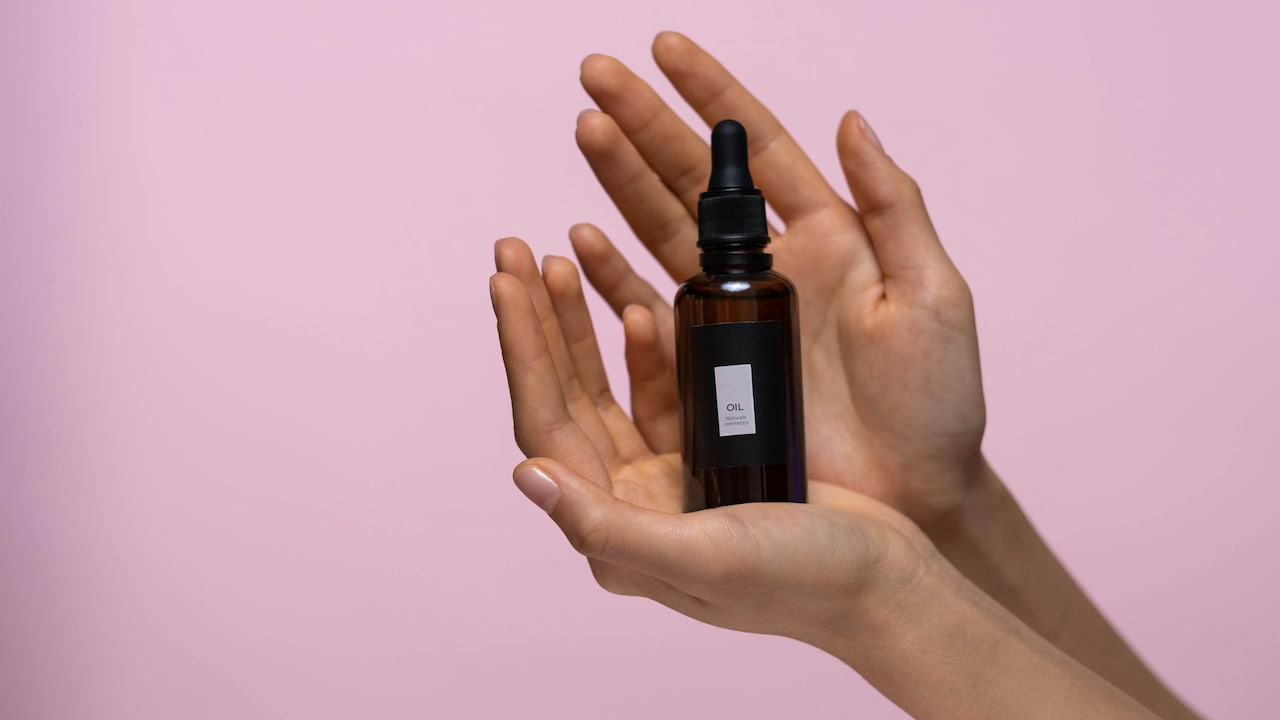
Face oils don't hydrate your skin, they lock in hydration and strengthen your skin barrier
Face oils have moved far beyond their once-controversial reputation to become one of the most coveted steps in modern skincare. No longer dismissed as heavy or pore-clogging, these nutrient-rich blends are now prized for their ability to restore balance, seal in hydration, and lend the kind of natural radiance that looks effortless rather than engineered. From lightweight, fast-absorbing formulas to richer, deeply nourishing elixirs, face oils have evolved into versatile essentials designed to suit every skin type.

Face oils work best when applied last, sealing in all the goodness underneath.
Photo Credit: Pexels
But glowing skin isn't just about adding any oil to your routine, it's about understanding what works for your skin. With the right formulation, a face oil can strengthen the skin barrier, improve texture, and enhance long-term resilience. The key lies in choosing effective, skin-compatible ingredients and knowing how to use them well. Ahead, everything you need to know about face oils, and the ingredients that truly make a difference.
Also Read: Rosemary Oil For Hair Growth? Here Is What Science Really Says
What Exactly Is A Face Oil?
A face oil is a concentrated skincare treatment made primarily of plant-derived oils, often blended with active botanicals, vitamins, and essential fatty acids. Unlike moisturisers, which combine water and oil (emulsions), face oils are lipid-based and contain no water content.
This distinction is important because it explains how face oils function:
- They do not hydrate the skin directly (hydration comes from water-based products)
- They seal in hydration, preventing transepidermal water loss (TEWL)
- They replenish lipids, which are crucial for maintaining a healthy skin barrier
Your skin naturally produces oils, known as sebum, to keep itself protected and supple. However, factors such as ageing, environmental stressors, over-cleansing, and harsh ingredients can deplete these natural oils. Face oils step in to mimic and restore this balance.
Why Face Oils Matter In Modern Skincare
At the heart of healthy skin is a well-functioning barrier. This outermost layer acts as a shield against pollution, bacteria, and moisture loss. When compromised, skin can appear dull, irritated, dehydrated, or prone to breakouts.
Face oils support this barrier in multiple ways:
- Strengthening the lipid matrix: Essential fatty acids like omega-3 and omega-6 reinforce the skin's structure
- Delivering antioxidants: These combat free radicals, a major contributor to premature ageing
- Improving elasticity: Oils rich in vitamins support collagen health
- Enhancing glow: By smoothing the skin surface, oils improve light reflection
The result is not just short-term radiance, but healthier, more resilient skin over time.
Are Face Oils Suitable For All Skin Types?
The idea that face oils are only for dry skin is outdated. With advancements in formulation, there are oils suited to virtually every skin type, each with unique properties and textures.
Dry Skin
Dry skin lacks oil, making face oils an obvious ally. Rich, nourishing oils restore suppleness and prevent flakiness.
Ideal ingredients: Argan oil, avocado oil, almond oil, shea oil
These oils are high in oleic acid, which deeply nourishes and softens.
Oily And Acne-Prone Skin
This may seem surprising, but certain oils can regulate oil production. When skin is stripped of moisture, it often produces excess sebum to compensate.
Ideal ingredients: Jojoba oil, grapeseed oil, hemp seed oil
These are lighter, high in linoleic acid, and help balance sebum while remaining non-comedogenic.
Combination Skin
This skin type benefits from adaptable oils that hydrate without heaviness.
Ideal ingredients: Squalane, camellia oil, rosehip oil
These provide balanced nourishment without overwhelming oilier areas.
Sensitive Skin
Sensitive skin requires calming, anti-inflammatory ingredients that reinforce the barrier without causing irritation.
Ideal ingredients: Calendula oil, chamomile oil, oat oil
These soothe redness, reduce irritation, and promote healing.
Mature Skin
As the skin ages, natural oil production declines, leading to dryness, fine lines, and loss of elasticity.
Ideal ingredients: Rosehip oil, sea buckthorn oil, marula oil
These are rich in antioxidants and support skin renewal and firmness.
How To Use A Face Oil Correctly
Application technique plays a crucial role in how effective your face oil will be.
- Use after water-based products: Apply after serums or moisturisers to lock in hydration
- Apply on damp skin: This helps seal in existing moisture
- Use the right amount: Usually 2-4 drops suffice
- Press, don't rub: Gently press into the skin for better absorption
- Morning or night: Lightweight oils work well in the morning, richer ones at night
When layered correctly, face oils enhance, not replace, your existing skincare products.
Key Ingredients To Look For In Face Oils
The effectiveness of a face oil lies in its composition. Here's a detailed look at the most beneficial ingredients and how they work.
Rosehip Oil
Rich in vitamins A and C, rosehip oil promotes cell turnover, improves skin texture, and reduces pigmentation. It's particularly effective for uneven tone and fine lines.
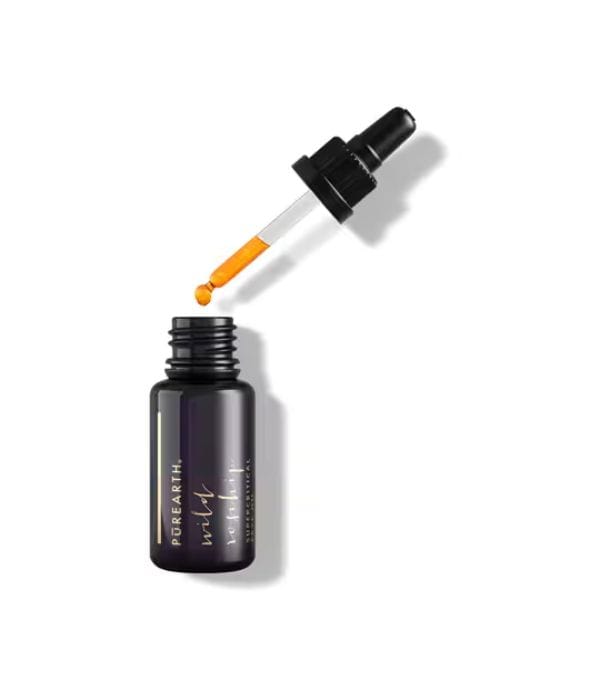
Click To Buy Purearth Wild Rosehip Supercritical Face Oil
Photo Credit: Tira
Jojoba Oil
Structurally similar to human sebum, jojoba oil tricks the skin into producing less oil. It's lightweight, non-greasy, and ideal for maintaining balance.
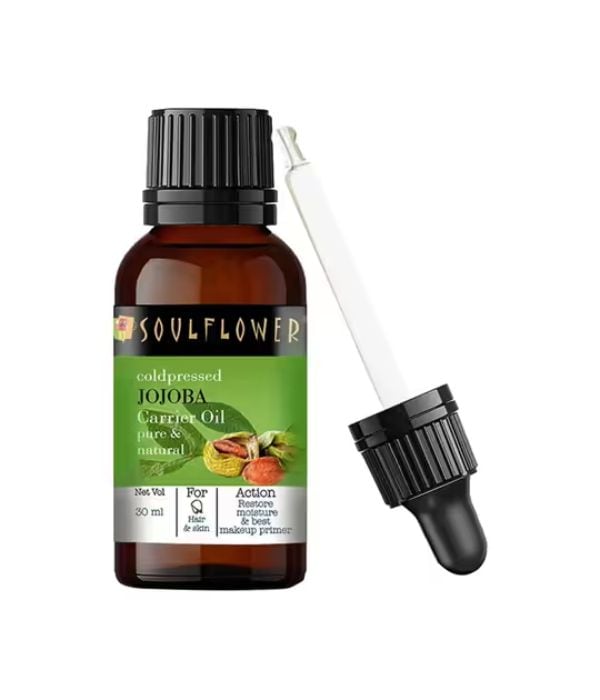
Click To Buy Soulflower Coldpressed Jojoba Carrier Oil
Photo Credit: Tira
Squalane
Derived from olives or sugarcane, squalane is ultra-light and deeply moisturising. It strengthens the barrier and suits all skin types, including sensitive and acne-prone skin.
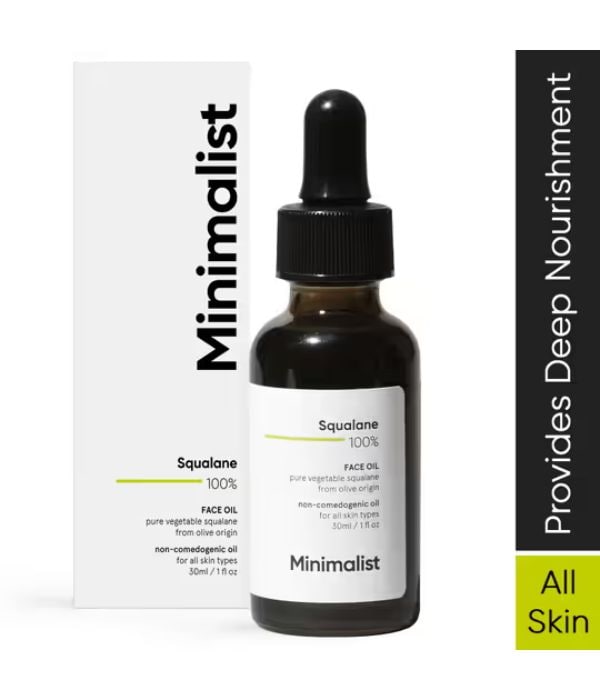
Click To Buy Minimalist 100% Squalane Face Oil
Photo Credit: Tira
Argan Oil
High in vitamin E and fatty acids, argan oil improves elasticity and softens skin. It's particularly beneficial for dry, flaky, or ageing skin.
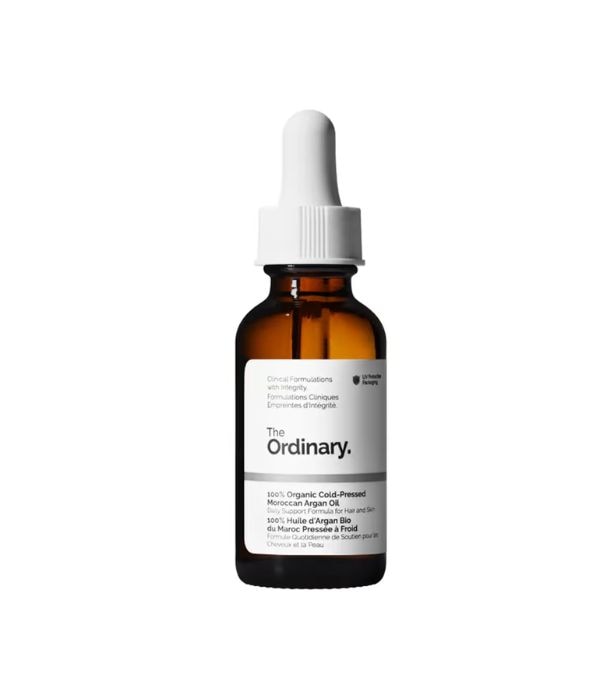
Click To Buy The Ordinary 100% Organic Cold-Pressed Moroccan Argan Oil
Photo Credit: Tira
Marula Oil
Fast-absorbing and antioxidant-rich, marula oil hydrates without clogging pores. It's suitable for combination and sensitive skin types.
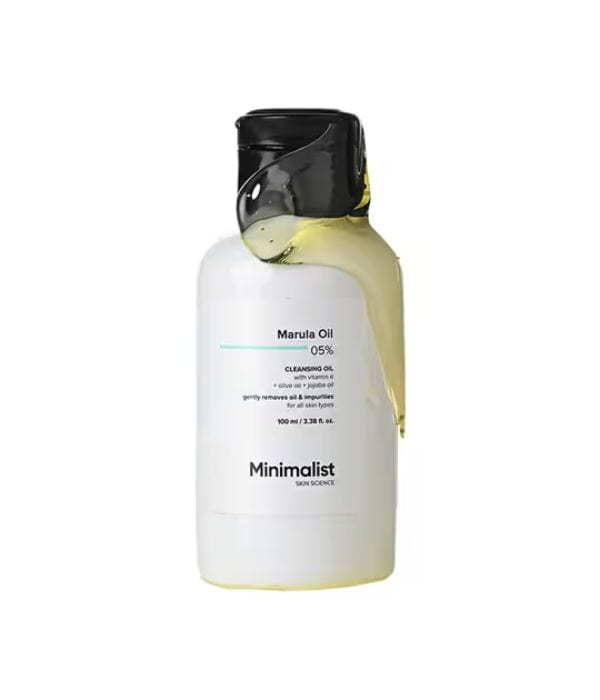
Click To Buy Minimalist Marula Oil 5% Cleansing Oil
Photo Credit: Tira
Grapeseed Oil
Packed with linoleic acid, this lightweight oil helps tighten pores and regulate oil production, perfect for oily or blemish-prone skin.
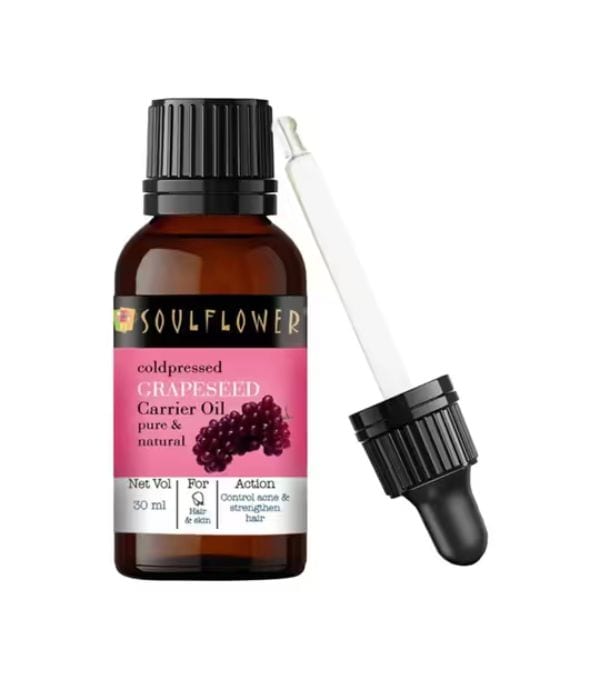
Click To Buy Soulflower Coldpressed Grapeseed Carrier Oil
Photo Credit: Tira
Sea Buckthorn Oil
A nutrient-dense oil rich in omega fatty acids and vitamin C, it supports skin regeneration and enhances brightness.
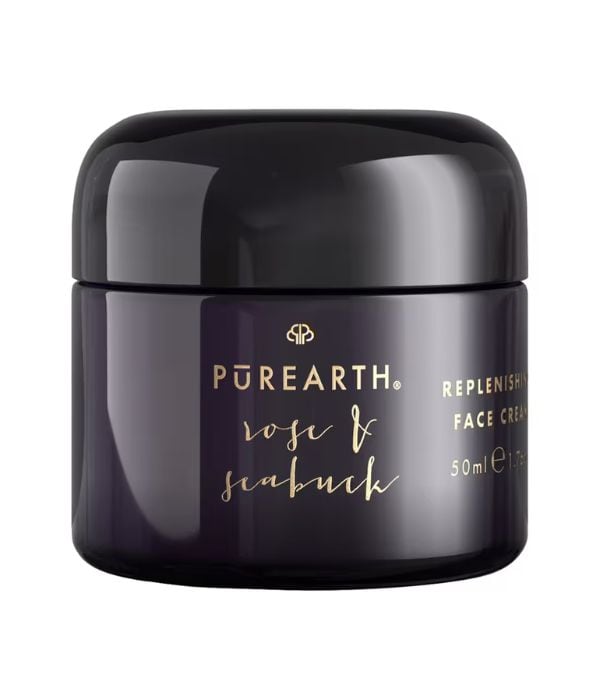
Click To Buy Purearth Rose And Seabuck Replenishing Face Cream
Photo Credit: Tira
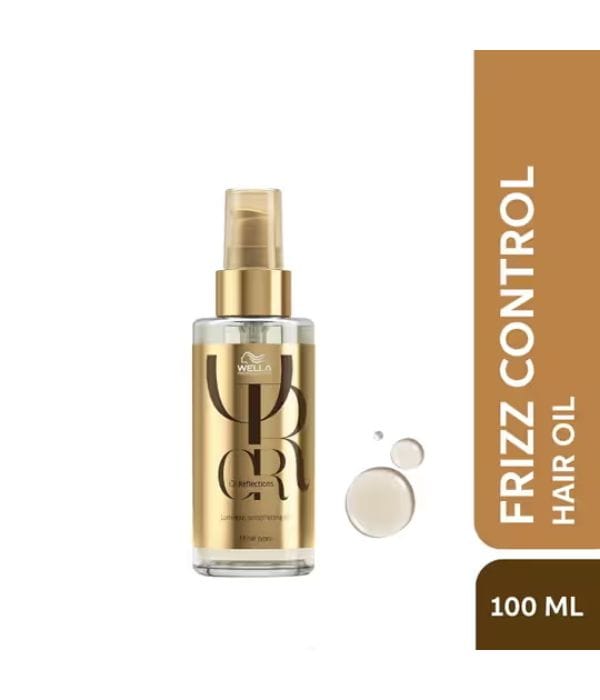
Camellia Oil
A traditional beauty oil known for its silky texture, camellia deeply nourishes while improving softness and elasticity.
Hemp Seed Oil
Non-comedogenic and anti-inflammatory, hemp seed oil helps calm acne-prone or reactive skin while balancing oil levels.
Vitamin E
Often added to face oils, vitamin E acts as an antioxidant, protecting skin from environmental stress while also stabilising the formula.
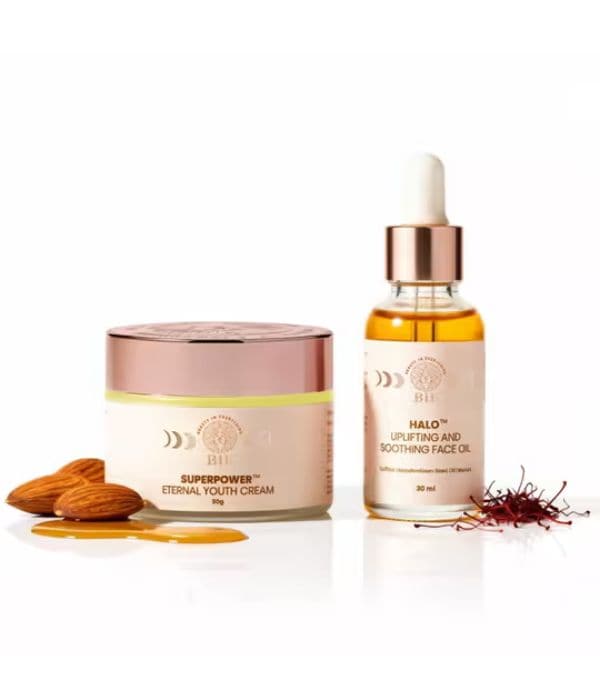
Click To Buy BiE - Beauty In Everything Repair & Rejuvenate Combo
Photo Credit: Tira
Ingredients To Use With Caution
Not all oils suit every skin type. Some ingredients, though beneficial in certain formulations, may not work for everyone.
Coconut oil: Highly comedogenic for acne-prone skin
Synthetic fragrances: Can irritate sensitive skin
Essential oils (undiluted): May cause sensitivity if not formulated correctly
Choosing cold-pressed, high-quality oils with minimal additives is always a safer approach.
The Long-Term Benefits Of Face Oils
While the immediate glow is undeniably appealing, the real value of face oils lies in their cumulative effects:
- Improved skin barrier function
- Reduced appearance of fine lines
- Enhanced elasticity and firmness
- Better moisture retention
- More even skin tone and texture
Consistency is key. Over time, these benefits contribute to visibly healthier skin, not just superficially radiant, but genuinely nourished.
Finding The Right Face Oil
With so many options available, selecting the right face oil can feel overwhelming. The key is to focus on your skin type, concerns, and preferred texture. A lightweight oil may suit daytime use, while richer blends can work overnight to repair and restore.
Increasingly, curated platforms are making this process simpler by offering expert-selected skincare ranges and detailed product insights. For instance, Tira brings together a wide spectrum of face oils, from everyday essentials to high-performance blends, allowing you to explore formulations suited to your specific needs. Whether you're building a routine from scratch or refining an existing one, having access to thoughtfully chosen options makes all the difference.
Face oils are more than just a skincare trend, they are a return to nourishing, skin-respecting care. When chosen wisely and used correctly, they can elevate your routine, delivering both instant glow and long-term resilience.
Understanding what goes into your face oil, how it interacts with your skin, and how to integrate it into your routine ensures that every drop works harder for you. In a world of quick fixes, face oils stand out as a reminder that the best skin results often come from consistency, balance, and a little bit of patience.
Frequently Asked Questions (FAQs)
1. What does a face oil actually do for the skin?
A face oil helps seal in moisture, strengthen the skin barrier, and deliver essential nutrients like fatty acids and antioxidants that improve skin health and radiance.
2. Can oily or acne-prone skin use face oils?
Yes, lightweight and non-comedogenic oils such as jojoba, grapeseed, and hemp seed oil can help regulate sebum production and reduce breakouts when used correctly.
3. When should I apply face oil in my skincare routine?
Face oil should be applied after water-based products like serums and moisturisers to lock in hydration. It is typically the last step before sunscreen in the morning.
4. How many drops of face oil should I use?
Usually, 2-4 drops are enough for the entire face. Using too much can make the skin feel greasy rather than nourished.
5. Which ingredients are best for glowing and youthful skin?
Ingredients like rosehip oil, squalane, argan oil, and sea buckthorn oil are known for enhancing glow, improving elasticity, and supporting skin renewal.
(Disclaimer: This article may include references to or features of products and services made available through affiliate marketing campaigns. NDTV Convergence Limited (“NDTV”) strives to maintain editorial independence while participating in such campaigns. NDTV does not assume responsibility for the performance or claims of any featured products or services.)