Are Silicone Body Scrubbers More Hygienic Than Mesh Loofahs?
Silicone scrubbers dry faster and trap less residue than mesh loofahs, making them the more hygienic choice. Yet regular rinsing, proper drying and timely replacement still matter.
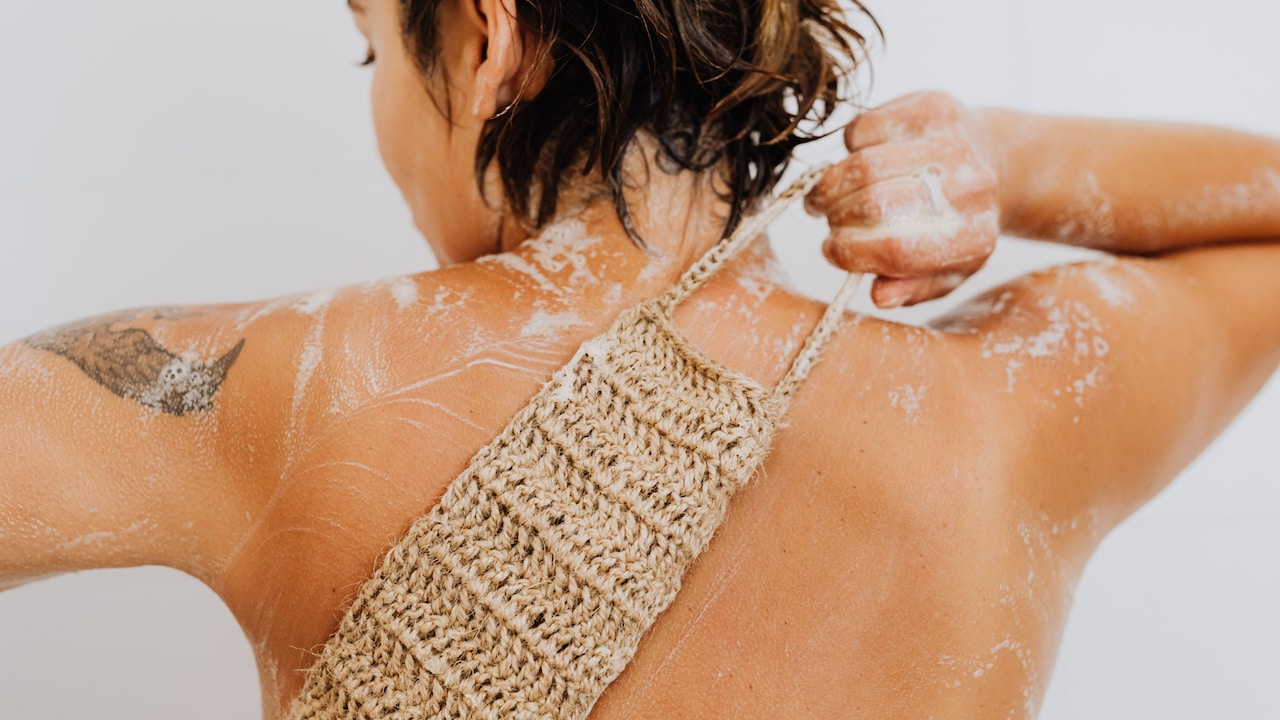
Are Silicone Body Scrubbers More Hygienic Than Mesh Loofahs?
A shower should leave the body feeling fresh, not raise questions about what may be growing inside the bath accessories. Yet the colourful mesh loofah hanging near the tap often stays damp for hours. In warm, humid weather, that soft puff can become less charming with every passing day. Silicone body scrubbers have entered bathrooms as the sleek new alternative. They come with flexible bristles, bright colours and impressive claims about cleanliness. Unlike mesh loofahs, they do not trap bath soap foam deep inside several folds. They also rinse quickly and usually dry faster.

Are Silicone Body Scrubbers More Hygienic Than Mesh Loofahs?; Photo Credit: Pexels
Does that automatically make silicone more hygienic? In most cases, yes, but the answer needs context. A scrubber can only remain clean when someone rinses, dries and replaces it sensibly. Even the fanciest silicone tool can turn grimy when left in a puddle beside a shampoo bottle. The real comparison involves drying time, cleaning habits, skin sensitivity, durability and bathroom conditions. Before throwing the mesh loofah into the bin, it helps to understand where each scrubber succeeds, where it struggles and which one suits everyday life better.
Silicone Vs Mesh: The Hygiene Breakdown
Silicone Dries Faster After Every Shower
Drying speed plays a major role in bathroom hygiene. Bacteria, mould and unpleasant odours thrive in damp environments, especially when moisture lingers inside folds and fibres. A mesh loofah absorbs water and holds it between its many layers. Even after a firm squeeze, the centre may remain wet long after the shower ends.
Silicone body scrubbers behave differently. Their non-porous surface does not soak up water. Once rinsed and shaken, most moisture slides away. A scrubber hung near a window or exhaust fan can dry relatively quickly, even during sticky monsoon mornings.
This faster drying process gives silicone a clear advantage. It reduces the time during which microbes can multiply. That does not make silicone self-cleaning, of course. Soap residue, body oils and dead skin can still collect around the bristles.
Placement also matters. A scrubber left flat on a wet shelf may stay damp underneath. Hanging it from a hook allows air to circulate on all sides. In a crowded bathroom where towels, buckets and bottles compete for space, that tiny change can make a noticeable difference.
Also Read: 5 Best Body Scrub Gloves For Tan Removal After Summer Under ₹500
Mesh Loofahs Trap More Residue
Mesh loofahs create rich foam with very little shower gel, which explains their long-standing popularity. A small squeeze of body wash can produce enough lather for an enthusiastic scrub from shoulders to ankles. Unfortunately, the same tangled structure that creates bubbles also traps unwanted material.
Dead skin cells, natural oils, soap and dirt can settle inside the folds. A quick rinse may clean the surface while leaving residue hidden deeper within the mesh. Over time, this trapped mixture can feed bacteria and cause the loofah to develop a musty smell.
Silicone scrubbers offer fewer hiding places. Their bristles remain visible, and water can flow directly between them. Any soap film usually appears on the surface, making it easier to notice and remove. There is less mystery involved, which feels reassuring when the same tool touches the skin every day.
Still, careless cleaning can cancel this benefit. Thick shower oils or creamy cleansers may cling around the base of silicone bristles. A proper rinse under running water works better than a quick splash from a mug. Hygiene often comes down to those extra ten seconds after bathing.
Silicone Scrubbers Are Easier To Wash Thoroughly
A hygienic scrubber should not require a complicated cleaning ritual. Most people already race through weekday mornings while checking the clock, packing lunch or reminding someone that the geyser has been left on. A bath accessory that takes too much effort will probably not receive regular care.
Silicone scrubbers fit easily into a simple routine. They can usually handle hot water and mild soap. The bristles can be rubbed together or cleaned with an old toothbrush to remove stubborn residue. Many designs can also tolerate occasional soaking in a diluted disinfecting solution, provided the manufacturer allows it.
Mesh loofahs demand more attention. Their dense layers make thorough cleaning difficult, and aggressive washing can stretch or damage the netting. Some people place them in a washing machine, but the shape may loosen, and the fibres may fray.
Silicone therefore wins on convenience. Its smooth, flexible surface allows users to inspect every section instead of trusting that the centre looks fine. A weekly deep clean takes only a few minutes.
However, harsh bleach or boiling water may weaken certain products. Checking care instructions remains sensible. Cleaning should never become a science experiment involving every bottle under the sink.
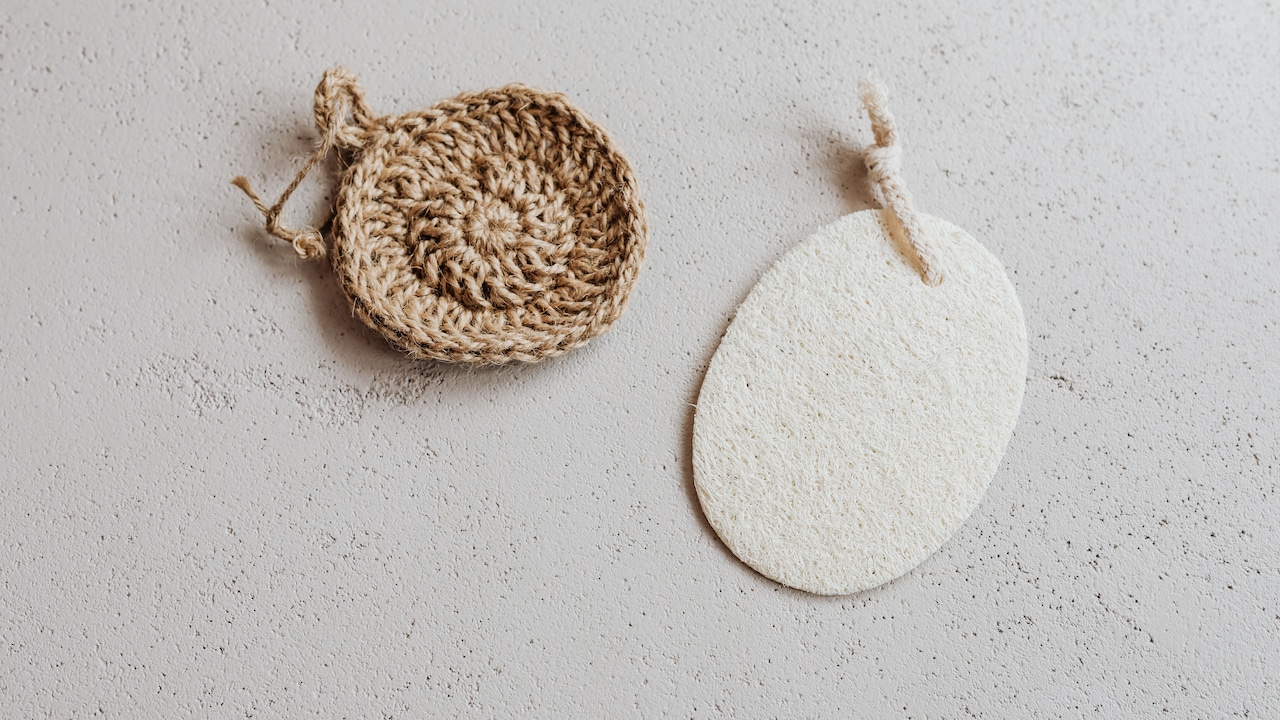
Are Silicone Body Scrubbers More Hygienic Than Mesh Loofahs?; Photo Credit: Pexels
Mesh Loofahs Need More Frequent Replacement
No bath scrubber lasts forever, but mesh loofahs usually need replacement sooner. Their fibres stretch, loosen and collect residue with repeated use. Even when a loofah still looks colourful from a distance, its centre may smell stale or feel slimy.
Replacing a mesh loofah every few weeks offers a safer approach, particularly in humid weather. Anyone who uses it daily, stores it inside the shower area or shares a bathroom with several family members may need to change it sooner. A ₹40 loofah may seem inexpensive, but frequent replacements add up over a year.
Silicone scrubbers often last several months or longer when cleaned properly. Their flexible bristles do not unravel, and the body keeps its shape better. This durability reduces waste and may offer better value despite a higher initial cost. A decent scrubber may cost around ₹150 to ₹500, depending on the brand and design.
Longevity should not encourage complacency, though. Silicone needs replacement when the bristles tear, the surface develops cracks, or a persistent odour remains after washing. A product that survives physically may not stay pleasant forever. Bathroom tools deserve retirement too, preferably before they become family legends.
Skin Sensitivity Changes The Hygiene Equation
Hygiene does not only concern germs. Skin damage can also create problems. Scrubbing too hard may cause tiny abrasions, irritation or dryness. These small injuries can weaken the skin barrier and make sensitive areas more vulnerable to discomfort or infection.
Mesh loofahs often feel rougher, especially when used with pressure. That scratchy sensation may seem satisfying after a sweaty commute or a humid afternoon, but stronger friction does not always mean better cleaning. The skin does not need to feel polished like a steel plate.
Silicone bristles usually provide gentler exfoliation. Their flexible tips glide across the body and can suit people with dry or sensitive skin. They also make it easier to control pressure. This gentleness supports hygiene by reducing unnecessary irritation.
Neither tool suits every skin condition. People with eczema, active rashes, cuts, sunburn or body acne should avoid aggressive scrubbing. A soft washcloth or clean hands may work better during flare-ups. Scrubbers should also stay away from freshly shaved or waxed skin for a short period.
The cleanest accessory is not truly helpful when it leaves the skin red, itchy or sore.
Sharing Either Scrubber Is A Bad Idea
Bathrooms often become shared territory. Toothpaste migrates across shelves, towels appear on mysterious hooks, and someone always claims the driest corner. Body scrubbers, however, should remain personal.
Sharing a mesh loofah can transfer bacteria, fungi, skin cells and body oils between users. Its absorbent folds increase the concern because they hold moisture and residue. Even close family members should use separate scrubbers.
Silicone offers easier cleaning, but that does not make sharing wise. The bristles still come into contact with sweat, dead skin and intimate areas. A quick rinse cannot guarantee complete sanitation between two showers, particularly when the next person enters immediately.
Colour-coded scrubbers can prevent confusion in busy households. One person might choose blue, another pink and another the loud neon green that nobody can accidentally claim. Separate hooks also help each scrubber dry without touching others.
Guests should receive a fresh washcloth rather than a well-used family loofah. It feels more considerate and avoids an awkward bathroom guessing game.
Personal hygiene tools should remain personal. That simple rule matters more than whether the scrubber looks modern, traditional, expensive or charmingly shaped like an octopus.
Bathroom Storage Matters More Than Most People Think
A hygienic scrubber can turn unhygienic through poor storage. Many bathrooms lack strong ventilation, particularly in flats where the shower area has no direct window. Steam settles on tiles, bottles and accessories, creating a damp environment long after the tap stops running.
Mesh loofahs struggle in these conditions because their layers need moving air to dry. Hanging one directly under the shower may keep it wet throughout the day. Keeping it inside a closed bucket or cabinet makes matters worse.
Silicone handles damp spaces better, but it still needs airflow. A hook placed away from splashes works best. The scrubber should not rest beside a bar of soap in a puddle, no matter how tidy the arrangement looks.
An exhaust fan can improve drying. Leaving the bathroom door open for a while may also help when privacy and household routines allow it. Sunlight offers another useful option. An occasional hour near a bright window can reduce lingering moisture, although prolonged harsh sunlight may fade some products.
Good storage turns hygiene from a product claim into a daily habit. Even a basic scrubber performs better when it gets space to breathe.

Are Silicone Body Scrubbers More Hygienic Than Mesh Loofahs?; Photo Credit: Pexels
Silicone Produces Less Lather But Needs Less Force
One reason people hesitate to switch from mesh loofahs involves lather. Mesh can transform a small amount of body wash into a mountain of foam. Silicone scrubbers usually produce fewer bubbles, especially with thicker gels.
Less lather does not mean less cleaning. Foam looks satisfying, but cleanliness depends on the movement of water, cleanser and gentle friction across the skin. Silicone bristles spread body wash effectively even when the bubbles appear modest.
Some users compensate by pouring extra shower gel onto the scrubber. That wastes product and may leave more residue on both skin and silicone. Adding a little water first often improves lather without emptying the bottle at alarming speed.
Silicone also needs less pressure than many people expect. Its flexible bristles work through repeated circular motions. Pressing too hard can bend the tips flat and reduce their effectiveness. A light massage usually feels better and protects the skin barrier.
The first few showers may feel unfamiliar to long-time loofah users. The experience lacks that dramatic cloud of foam. After a week, though, the change often feels normal. The bathroom floor may also become less slippery from excess soap, which counts as a quiet victory.
Neither Option Should Be Used On The Face
A body scrubber belongs on the body, not the face. Facial skin tends to be thinner and more delicate than skin on the arms, back or legs. Both mesh and silicone scrubbers can cause irritation when used around the cheeks, nose or forehead.
Mesh loofahs create strong friction and may worsen redness, dryness or breakouts. Silicone body scrubbers feel softer, but their bristles may still prove too firm for facial use. Special facial cleansing brushes have smaller, gentler tips, yet even those do not suit everyone.
Clean hands often provide the safest option for washing the face. A mild cleanser and lukewarm water can remove everyday sweat, sunscreen and pollution without excessive rubbing. Facial towels should remain soft, clean and changed regularly.
The same caution applies to intimate areas. External cleansing requires gentleness, while internal cleansing products and vigorous scrubbing can disrupt natural balance. A body scrubber should never become an all-purpose cleaning gadget simply because it hangs conveniently within reach.
Using the right tool for the right area protects both hygiene and comfort. The body may appreciate exfoliation, but the face rarely enjoys being treated like a bathroom tile.
Proper Care Decides The Final Winner
Material provides an advantage, but habits decide the result. A carefully maintained mesh loofah may stay cleaner than a neglected silicone scrubber coated with soap residue. No product can overcome poor rinsing, constant dampness or years of sentimental attachment.
After each shower, the scrubber should receive a thorough rinse. Excess water should be shaken or squeezed out, and the tool should hang in a ventilated place. A deeper clean once a week can remove film that daily rinsing misses.
Mesh loofahs need close attention. Any sour smell, discolouration, sliminess or fraying signals that replacement time has arrived. Silicone scrubbers need inspection too. Cracks, torn bristles and stubborn residue can create places for dirt to collect.
Users should also avoid scrubbing open wounds, infected areas or painful breakouts. After an illness involving a skin infection, replacing the scrubber may provide extra peace of mind.
Silicone usually wins the hygiene contest because it dries faster, traps less debris and cleans more easily. Yet it wins only when treated well. The smartest scrubber is not the one with the boldest packaging. It is the one that gets rinsed, dried and replaced before it starts demanding its own Aadhaar card.
Products Related To This Article
1. CUVLY Silicone Body Scrubber Loofah Sponges & Brushes
2. MAJESTIQUE Set Of 3 Long Bath Loofah Stretchable Braided Mesh Exfoliating Bath
3. KAZARMAA Silicone Exfoliating Dead Skin Bath Foot Scrubber Mat
4. FAVON High Quality Loofah With Large Handle
5. SONEEV MART Set Of 2 Silicone Face Scrubber
6. Getmecraft Exfoliating Silicone Bath Brush & Body Scrubber
7. GUBB Set of 6 Exfoliating Loofah
8. Bronson Professional Back Cleansing Silicone Shower Scrubber with Long Handle - Blue
Silicone body scrubbers generally offer a more hygienic choice than mesh loofahs. Their non-porous surface dries quickly, holds less residue and allows easier cleaning. They also last longer and tend to feel gentler on sensitive skin.
Mesh loofahs still have their appeal. They create generous lather, cost less initially and provide the vigorous scrub many people enjoy. Their main weakness lies in the dense netting, which traps moisture, soap and dead skin. In a warm bathroom, that combination can become unpleasant surprisingly fast.
The best choice depends on routine. Someone willing to replace a mesh loofah often and dry it carefully can use one safely. For a lower-maintenance option, silicone makes more sense. It suits busy households, humid weather and anyone tired of wondering whether the loofah smells odd or whether the bathroom itself has developed a personality.
Whichever tool reaches the shower shelf, three habits matter most: rinse it thoroughly, let it dry completely and replace it when wear appears. Good hygiene rarely comes from buying the trendiest accessory. It comes from small, consistent actions that keep the daily shower fresh, comfortable and free from unwanted microscopic guests.
(Disclaimer: This article may include references to or features of products and services made available through affiliate marketing campaigns. NDTV Convergence Limited (“NDTV”) strives to maintain editorial independence while participating in such campaigns. NDTV does not assume responsibility for the performance or claims of any featured products or services.)