Why Your Foundation Turns Dark After Application And How To Reduce Oxidation
Foundation looking perfect at first and turning darker later is often blamed on oxidation. Here is why it happens and how skincare, shade selection and application techniques can help prevent it.
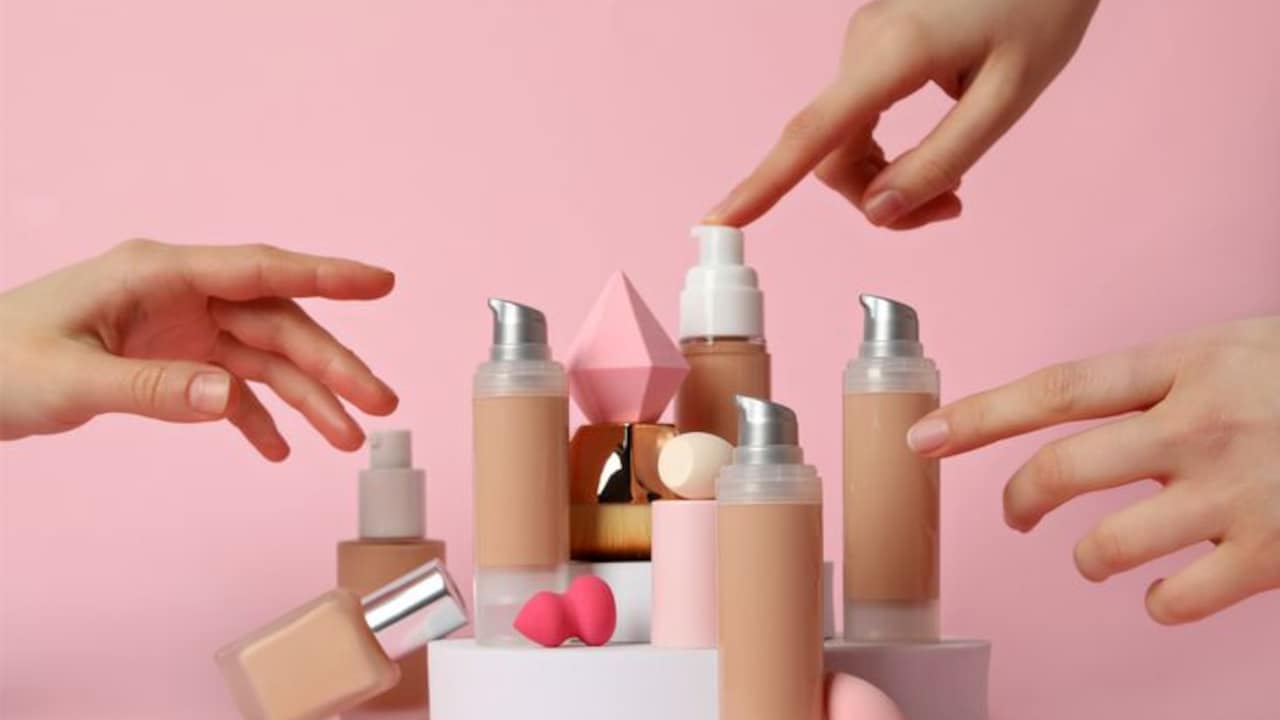
Why Foundation Turns Dark After Application And How To Stop Oxidation
Few beauty disappointments feel as personal as a foundation shade changing its mind halfway through the day. It blends beautifully in the morning, matches the neck under natural light, and survives the hurried mirror check before leaving home. Then, a couple of hours later, the face looks warmer, duller, or noticeably darker. The carefully chosen shade has somehow transformed into something closer to an accidental holiday tan. This colour change often gets labelled as foundation oxidation. The term describes the reaction that can occur when foundation ingredients interact with air, natural skin oils, skincare products or environmental conditions. The process resembles the way a sliced apple slowly darkens after exposure to air, although cosmetic formulas involve a more complicated combination of pigments, oils and skin chemistry.
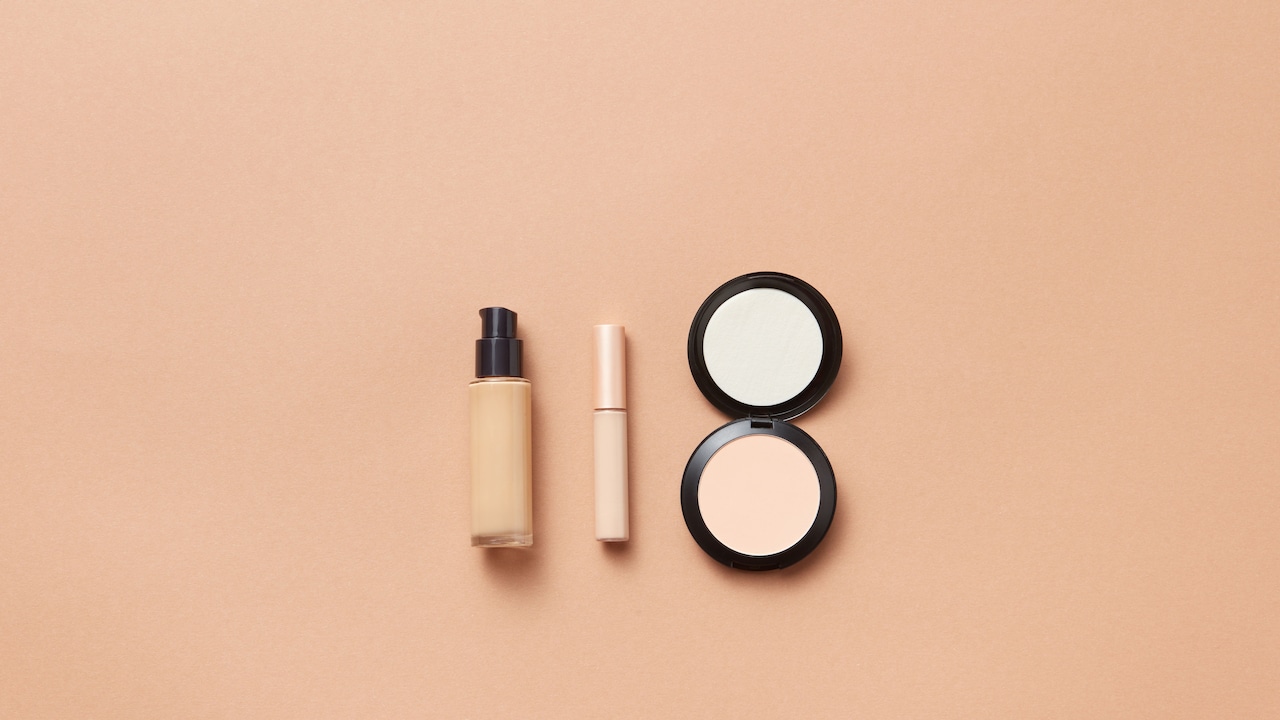
Why Foundation Turns Dark After Application And How To Stop Oxidation; Photo Credit: Pexels
However, not every darkening foundation has genuinely oxidised. Sometimes the product has mixed with excess sebum. At other times, the undertone was incorrect from the beginning but became more noticeable after the makeup settled. Lighting, sunscreen, powder and even the condition of the skin can change how a shade appears. The good news is that oxidation does not always mean giving up on an otherwise comfortable foundation. A few small changes can improve the result considerably.
Why Foundation Changes Colour And What You Can Do About It
Understand What Foundation Oxidation Actually Means
Foundation oxidation happens when certain ingredients react with oxygen, skin oils or products applied underneath. Iron oxides, which give many foundations their colour, can shift slightly when exposed to these conditions. Oils in the formula may also break down or mix with sebum, making the pigments appear deeper or warmer.
The change usually becomes visible between fifteen minutes and a few hours after application. The foundation may turn orange, reddish, greyish or simply one or two shades darker. This depends on the formula, undertone and natural complexion.
Still, makeup users often blame oxidation for every disappointing shade match. A foundation that looks too yellow immediately after application probably has the wrong undertone. A shade that appears darker only around the nose and forehead may have mixed with oil. A face that looks deeper in photographs could be reacting to lighting rather than oxygen.
The easiest test involves applying a small stripe along the jawline and leaving it untouched for at least thirty minutes. Place a fresh stripe beside it afterwards. A visible difference between the two gives a clearer indication of genuine oxidation.
Also Read: Best Dewy Finish Foundations Under ₹1400 for a Glowing, Natural Look
Allow Skincare To Settle Before Applying Foundation
Morning skincare can quietly interfere with foundation, especially when several layers remain wet or sticky. Moisturiser, serum, facial oil and sunscreen may mix with the base instead of sitting neatly underneath it. This can dilute the pigments, increase shine and encourage the foundation to appear darker as the day progresses.
Waiting between skincare and makeup makes a surprising difference. After applying sunscreen, allow roughly ten to fifteen minutes for the product to settle. The skin should feel comfortable rather than slippery. A tissue pressed gently around the sides of the nose, upper lip and forehead can remove excess product without disturbing the protective layer.
The texture of the skincare also matters. Heavy oils and rich creams may suit dry skin beautifully at night but feel overwhelming under makeup during humid mornings. A lighter gel moisturiser or fast-absorbing lotion can create a smoother surface.
There is no need to skip skincare in an attempt to protect the foundation shade. Dehydrated skin can cause patchiness and uneven pigment too. The goal is balance: moisturised skin with no greasy film waiting to mingle with the base.
Control Excess Oil Without Drying Out The Skin
Oily skin often gets blamed for foundation oxidation because sebum can change how colour pigments appear. As oil breaks through the makeup, the complexion may look warmer, deeper and slightly dull. The forehead, nose and chin usually show the change first, creating the frustrating impression that the centre of the face belongs to a different foundation shade.
Aggressively drying the skin rarely solves the problem. Harsh cleansers, alcohol-heavy toners and constant powdering can trigger tightness and encourage even more oil production. The result becomes a strange combination of flaky cheeks and a shiny nose.
A gentle cleanser, lightweight moisturiser and oil-controlling primer usually work better. Apply the primer only where needed rather than coating the entire face. A thin layer around the nose, between the brows and across the chin can help the foundation remain stable.
During the day, blotting papers or a single layer of tissue can lift oil without adding extra product. Press rather than rub. Repeatedly piling powder over oil may create a darker, heavier finish that looks more like oxidised makeup even when the original formula has not chemically changed.
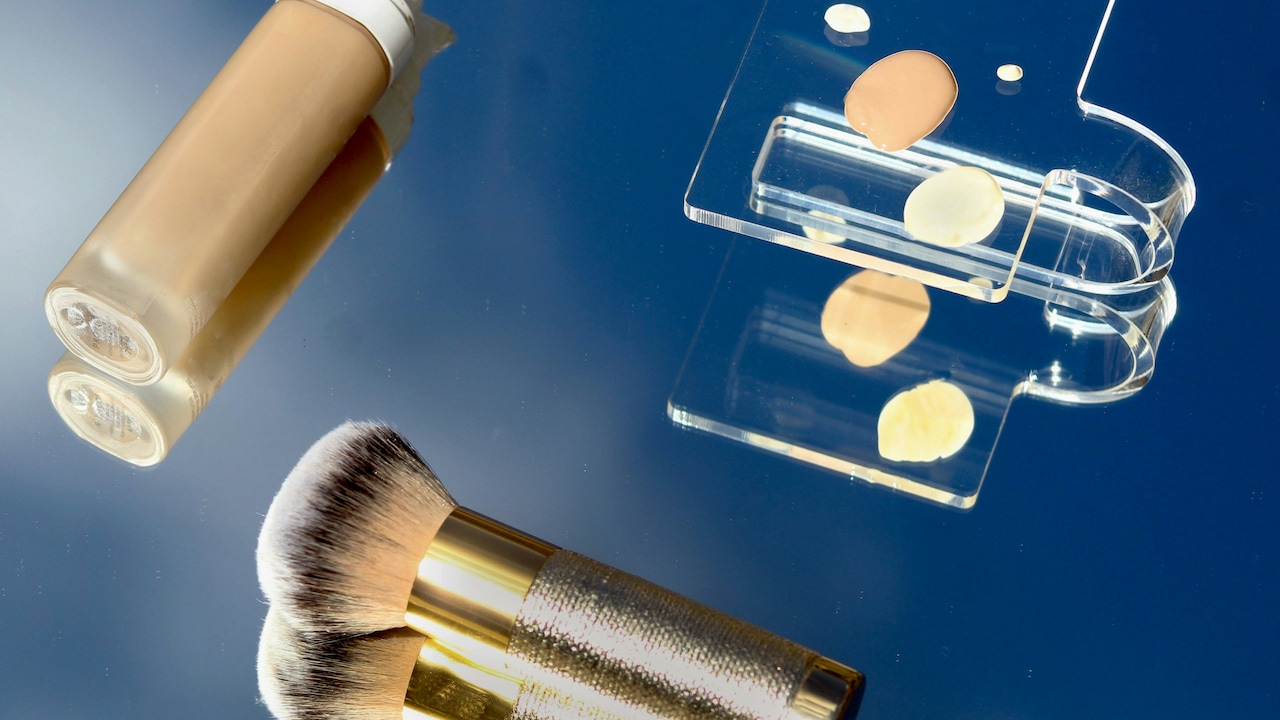
Why Foundation Turns Dark After Application And How To Stop Oxidation; Photo Credit: Pexels
Choose The Right Undertone, Not Just The Right Depth
A foundation can match the depth of the skin and still look wrong because of its undertone. Warm, cool, neutral, olive and golden undertones influence how a shade settles after application. When the undertone clashes with the complexion, the mismatch often becomes more obvious once the foundation dries.
For example, a warm foundation may look flattering at first but gradually appear orange on neutral or olive skin. A pink-toned base can turn ashy on golden complexions. The issue may resemble oxidation, although the formula has simply revealed its true colour after setting.
Test foundation along the jawline rather than on the hand. Hands often differ from the face and neck in both depth and undertone. Check the shade in daylight near a window, then wait at least thirty minutes before making a decision.
Comparing two or three close shades can also help. The correct option should blend into both the face and neck without demanding a thick layer. A foundation should not need to be dragged down to the collarbone to defend its existence. The best match almost disappears when viewed from a comfortable distance.
Test The Shade For A Full Day Before Buying
A quick counter swatch rarely reveals how a foundation will behave in real life. Store lighting can soften colour differences, while air conditioning keeps oil and humidity under control. The shade may look excellent for ten minutes and become noticeably darker once exposed to heat, sunlight and a crowded commute.
Whenever possible, request a sample or wear a small amount of the foundation for several hours. Apply it over the skincare and sunscreen normally used. This matters because the same formula can behave differently when paired with different products.
Observe the shade after thirty minutes, three hours and six hours. Check areas where oil tends to appear. Look at the face in daylight, indoor lighting and photographs without beauty filters. A shade that remains natural across these situations offers a more reliable match.
When sampling is unavailable, swatch the product on the jaw and walk around the store before purchasing. Even a short waiting period provides more information than an immediate decision.
Foundation is rarely an inexpensive experiment, especially when premium bottles can cost several thousand rupees. Taking time before buying saves both money and the emotional burden of owning another nearly-correct shade.
Avoid Applying More Foundation Than You Need
A thick layer of foundation contains more pigment, oil and binding ingredients. As the product warms against the skin, any colour change becomes more noticeable. Heavy application can also mix with sebum, settle into texture and create shadows that make the face appear darker than it actually is.
Start with a small amount in the centre of the face and blend outwards. The cheeks, forehead and jawline often require less coverage than expected. Add another thin layer only over areas that need it. Concealer can handle isolated blemishes or pigmentation without forcing the entire face under a blanket of foundation.
The application tool affects the finish too. A damp makeup sponge can create a sheer, even layer, while a dense brush offers more coverage. Neither method is automatically better, but using too much product with either tool can produce a heavy result.
Foundation should even out the complexion, not erase every natural variation. Skin looks more convincing when some dimension remains. Besides reducing the appearance of oxidation, lighter layers tend to crease less, transfer less and survive warm weather more gracefully.
Check Whether Your Primer And Foundation Are Compatible
Sometimes the problem lies not in the foundation but in the combination of products underneath it. Primers and foundations generally contain water, silicone or oil-based ingredients in different proportions. When two formulas resist each other, the makeup may separate, darken unevenly or gather in small patches.
A silicone-rich primer paired with a very watery foundation may slide around rather than grip. A rich oil-based base layered over a strongly mattifying primer may cling to dry areas while breaking apart over oily zones. These changes can create uneven shadows that resemble oxidation.
Product labels do not always make the base obvious, so texture offers a useful clue. Watery, gel-like products often pair well together. Smoother, velvety silicone textures usually cooperate with similar formulas. Still, cosmetic formulas have become increasingly complex, so experimentation remains necessary.
Test the combination on one side of the face before wearing it for an important event. The wedding morning is not the ideal time to discover that a primer and foundation have unresolved differences.
When a foundation performs well alone, consider skipping primer altogether. Moisturiser and sunscreen may already provide enough preparation, particularly for normal or dry skin.
Use Powder Strategically Instead Of Coating The Entire Face
Setting powder can control shine and extend wear, but too much may deepen the appearance of foundation. Some powders have a beige, yellow or peach tint that alters the base colour. Others become darker when they absorb oil, especially after several layers have accumulated throughout the day.
Choose a finely milled powder that closely matches the complexion or appears genuinely translucent. Even products labelled translucent can leave a pale or dull cast on deeper skin tones, so testing remains important.
Apply powder with a small fluffy brush rather than pressing a thick layer across the face. Focus on the sides of the nose, forehead, chin and areas where concealer creases. Leave naturally drier sections with less product so the finish retains some life.
When shine appears later, blot first and then add a tiny amount of powder if necessary. Powdering directly over oil can create a darker, cakier patch. It resembles the cosmetic equivalent of painting over a damp wall: the surface may look fine briefly, but the texture eventually tells the story.
A light hand keeps the foundation closer to its original shade and prevents the face from looking flat.
Why Foundation Turns Dark After Application And How To Stop Oxidation; Photo Credit: Pexels
Protect Foundation From Heat, Humidity And Sunlight
Weather changes how foundation behaves. Heat encourages oil production, humidity slows the evaporation of moisture, and sweat can disturb pigments. During warm afternoons, even a reliable foundation may look darker or warmer as it mixes with sebum and skincare.
Long-lasting or oil-free formulas can help, but extremely matte foundations may become uncomfortable on dehydrated skin. A balanced, transfer-resistant base often works better than the driest formula available. Thin layers also handle heat more successfully than full coverage applied all at once.
Keep foundation bottles away from direct sunlight and hot surfaces. Repeated exposure to heat may affect the formula's texture, smell and colour. A dressing table beside a sunny window may look charming, but it can become an unwanted greenhouse for cosmetics. Store products in a cool, dry cupboard instead.
Never leave foundation in a parked car during summer. The temperature inside can rise quickly and destabilise the product. If the formula begins smelling unusual, separating permanently or changing colour inside the bottle, replacement becomes safer than repeated shaking and hopeful thinking.
Stable storage protects both performance and shelf life.
Adjust A Slightly Oxidising Foundation Carefully
A foundation that oxidises only a little may still be usable. Choosing a shade half a step lighter can compensate for the later colour change, but this method requires caution. Buying a dramatically lighter shade may leave the face pale for the first hour and uneven afterwards.
A better option involves mixing a small amount of lighter foundation or a neutral-toned mixing pigment with the oxidising base. Blend the products on a clean palette rather than inside the bottle. This preserves the original formula and allows better control over the ratio.
A hydrating skin tint can also soften a foundation that looks too deep or heavy. Avoid mixing foundation with sunscreen, since dilution may interfere with the even protective film required for reliable sun protection.
Bronzer, blush, and concealer can restore dimension when the foundation looks slightly flat, but they cannot rescue a shade that has turned strongly orange. In that case, continuing to force the formula to work may cost more effort than replacing it.
Makeup should make the morning easier. A product that demands regular colour correction, strategic neck blending and indoor-light negotiations may simply be the wrong match.
Notice When The Formula Has Expired Or Changed
Foundation does not last forever. Over time, exposure to air, heat, bacteria and repeated opening can alter the pigments and oils. An older formula may oxidise more quickly, apply unevenly or appear darker than it did when first purchased.
Check the period-after-opening symbol on the packaging. It usually looks like a small open jar marked with a number such as 12M or 24M. This indicates the recommended number of months the product remains suitable after opening.
Texture and smell provide additional warnings. A foundation that has become unusually thick, watery, grainy or difficult to blend may have deteriorated. Separation that disappears after shaking can be normal, but permanent clumps or a sour smell deserve attention.
Keep the bottle opening clean and avoid touching it directly with fingers. Pumps protect the product better than open jars, although the nozzle still needs occasional wiping.
Using expired foundation may cause more than a poor shade match. It can irritate the skin and contribute to breakouts. No amount of blending can transform a questionable bottle into a sensible beauty decision.
Products Related To This Article
1. FACES CANADA SPF30 All Day Hydra 3IN1 Mini Matte Foundation+Moisturizer - Absolute Ivory
2. Maybelline New York Fit Me Matte+Poreless Liquid Foundation 30 ml
3. Lakme 9to5 Powerplay Mousse Foundation
4. MARS SPF50 PA++++ High Coverage Foundation Tested by IN-VIVO
5. Lakme Xtraordin-airy Mattereal Mousse Foundation, Matte Finish
6. LOreal Paris Infallible 32H Fresh Wear Foundation 30ml
7. MARS Color Changing Foundation
Foundation oxidation can result from the formula, skin oils, incompatible skincare, excess product, weather, or simple shade mismatch. Testing the colour after it dries, preparing the skin properly, and applying thin layers can prevent many of these problems. The aim is not to control every natural change in the skin. Faces produce oil, react to heat and look different under changing light. A good foundation should work with those realities rather than creating a new mystery by lunchtime. When a formula repeatedly turns several shades darker despite careful application, replacing it may be the most practical solution. Sometimes the foundation is not misunderstood. It is simply not the one.
(Disclaimer: This article may include references to or features of products and services made available through affiliate marketing campaigns. NDTV Convergence Limited (“NDTV”) strives to maintain editorial independence while participating in such campaigns. NDTV does not assume responsibility for the performance or claims of any featured products or services.)