How To Layer Skincare In Hot And Humid Weather Without Clogging Pores
Layering skincare in hot, humid weather needs light textures, fewer actives and steady sunscreen. This is how to keep skin fresh, balanced and protected without feeling greasy or clogged.

Dos And Donts Of Layering Skincare In Hot And Humid Weather
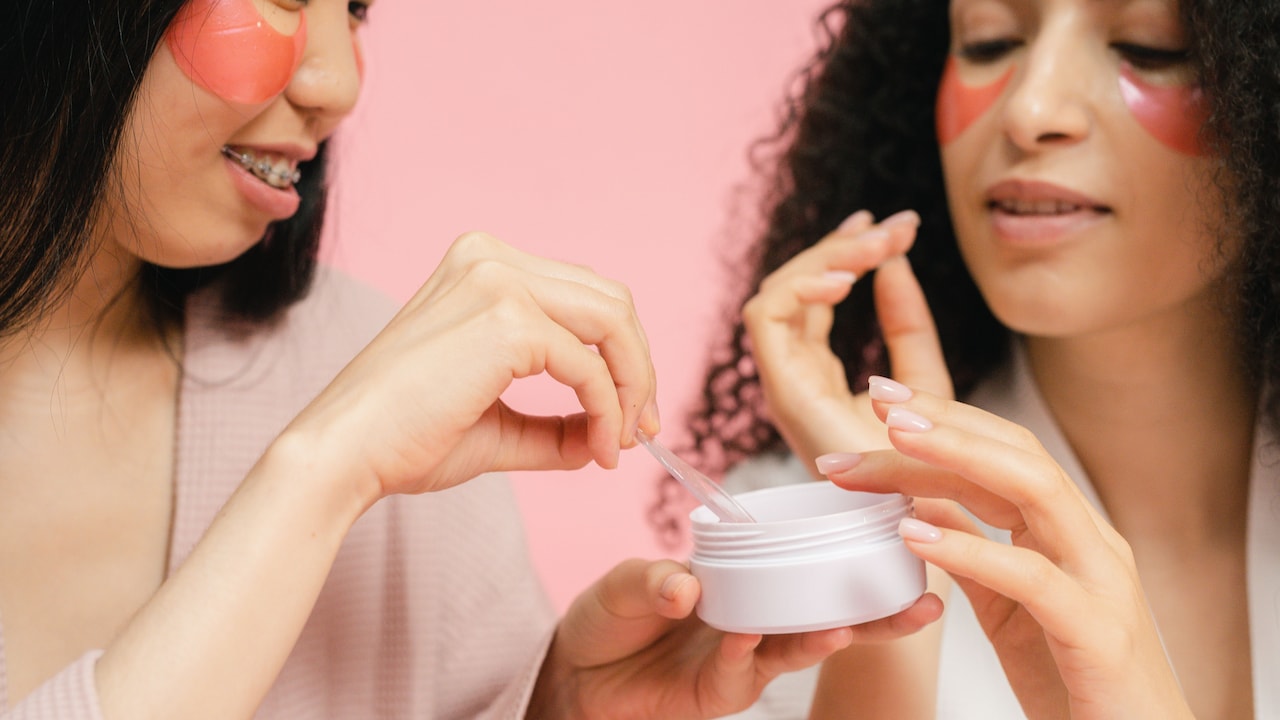
Humidity has a dramatic personality. One minute, skin looks fresh after cleansing; ten minutes later, the face feels like it has entered a steam room inside a crowded local train. Add pollution, sunscreen, sweat and makeup to the mix, and skincare can start behaving badly. Serums pill. Moisturisers feel heavy. Sunscreen slides into the eyes. The glow promised by that viral routine turns into an oily shine before lunchtime. Layering skincare in hot and humid weather needs a different approach from winter routines. Rich creams and multiple actives may sound impressive, but muggy weather rewards restraint. Skin already battles heat, sweat and clogged pores, so each product must earn its place. A light hand often works better than a loaded shelf.

Dos And Donts Of Layering Skincare In Hot And Humid Weather
Photo Credit: Pexels
The aim is simple: cleanse without stripping, hydrate without greasiness, protect without suffocation and treat concerns without irritating the skin. Think of it like dressing for a sultry July afternoon. Linen wins over velvet every time.
Dos And Don'ts Of Layering Skincare In Hot And Humid Weather
1. Do Start With A Gentle Cleanser
A good routine begins with a clean base, but hot weather can tempt people into over-cleansing. After a sweaty commute or a long walk under the sun, the urge to scrub the face until it squeaks feels understandable. Still, squeaky skin rarely means healthy skin. It often means the cleanser has stripped away too much natural oil, leaving the barrier cranky and confused.
Choose a gentle gel, milk or low-foam cleanser that removes sweat, sunscreen and grime without making the face feel tight. Those with oily skin can look for ingredients such as green tea, zinc or salicylic acid in mild formulas. Dry or sensitive skin may prefer hydrating cleansers with glycerine or oat extract.
Morning cleansing should feel quick and refreshing. Night cleansing deserves more attention, especially after sunscreen and pollution exposure. A calm cleanse sets the stage for every layer that follows. When skin starts the routine irritated, even the best serum can behave like a troublesome guest at a family function.
2. Don't Use Too Many Active Ingredients Together
Active ingredients have earned their popularity, but they can turn chaotic in humid weather when layered without thought. Vitamin C, retinol, exfoliating acids, benzoyl peroxide and strong brightening serums all promise results, yet skin cannot host every powerful ingredient at once. Heat and sweat can already make the face more reactive. Adding too many actives may lead to stinging, redness, bumps or a damaged barrier.
Keep actives on a timetable instead of stacking them like a skincare biryani. Vitamin C works well in the morning for many people, especially under sunscreen. Retinol suits the night better. Exfoliating acids should stay limited to one or two nights a week, depending on skin tolerance. There is no medal for using everything daily.
A simple rule helps: one treatment focus per routine. If acne needs attention, let that product lead. If pigmentation needs care, give brightening ingredients space. Skin improves with consistency, not chaos. In humid weather, less drama often brings better results.
Also Read: Skincare Gift Guide: Top 5 Picks To Surprise Your Loved Ones
3. Do Keep The Texture Light
Texture matters more than people think. In hot and humid weather, thick creams can sit on the face like an unwanted blanket. The skin may look greasy, pores may feel congested, and makeup may refuse to stay put. Even good ingredients can feel wrong when the texture does not suit the season.
Lightweight formulas usually work better. Look for watery toners, gel creams, fluid sunscreens and fast-absorbing serums. Hyaluronic acid, glycerine, panthenol and aloe can hydrate without making the face feel heavy. A gel moisturiser can give enough comfort for oily and combination skin, while dry skin may need a slightly richer lotion only on drier areas.
Texture also affects comfort throughout the day. A product that feels pleasant at 8 am may feel suffocating by noon in Chennai, Kochi or Mumbai humidity. Test products during real-life weather, not only inside an air-conditioned room. Skin should feel cushioned, not coated. The best summer layer disappears quietly and lets the face breathe.
4. Don't Skip Moisturiser Because Skin Feels Oily
Oily skin can mislead people during humid months. When the forehead shines, and cheeks feel sticky, moisturiser looks unnecessary. Yet oil and hydration are not the same thing. Skin can produce excess sebum and still lack water. Skipping moisturiser may even push the skin to feel tight after cleansing and greasy soon after, creating a frustrating cycle.
The answer is not heavy cream. The answer is the right moisturiser. A light gel or lotion can support the skin barrier without adding a thick film. Ingredients such as glycerine, ceramides, niacinamide and panthenol help the skin stay balanced. Acne-prone skin can choose non-comedogenic formulas, but labels should not replace personal observation. If a product causes bumps, it does not suit the skin, no matter how pretty the packaging looks.
Apply moisturiser after serum and before sunscreen in the morning. At night, use it after treatment products. A thin layer often works well. Skin does not need a generous dollop in weather that already feels like a steam facial.
5. Do Give Each Layer Time To Settle
Rushing through skincare can create trouble, especially in humid weather. When serum, moisturiser and sunscreen go on within seconds, the layers may mix, slide or pill. The face then develops tiny rolls of product, usually at the worst possible moment, such as while leaving for office or meeting friends for chai.
Give each layer a short pause. A watery serum needs a minute to settle. A moisturiser needs another moment before sunscreen. Sunscreen needs time to form an even film before makeup or compact powder. These pauses do not require a stopwatch. Brush your teeth, make tea, pack a bag or check the pressure cooker whistle between steps.
The amount also matters. Too much serum or cream slows absorption and invites stickiness. Two or three drops of serum often do the job. A pea-sized amount of moisturiser may suit many faces, though dry skin may need more. Smart layering feels like placing thin cotton sheets, not piling quilts in May.
6. Don't Forget Sunscreen Reapplication
Sunscreen has one job that no serum can replace. It protects skin from ultraviolet damage, tanning, pigmentation and premature ageing. In hot and humid weather, sweat breaks down that protection faster. A morning application before leaving home helps, but it may not last through outdoor errands, travel, heat and constant face wiping.
Use a broad-spectrum sunscreen with at least SPF 30, though SPF 50 often suits strong sun exposure better. Apply enough product to cover the face, ears and neck. The common problem lies not only in choosing the sunscreen but also in applying too little. A thin decorative smear will not offer full protection.
Reapplication matters every two to three hours during outdoor exposure. Sunscreen sticks, sprays, cushions and compact powders with SPF can help, but they should complement proper sunscreen rather than replace it completely. For daily city life, a practical approach works best. Keep one sunscreen at home and one in the office bag. Sun protection should feel like carrying a water bottle, not a luxury habit.

Dos And Donts Of Layering Skincare In Hot And Humid Weather
Photo Credit: Pexels
7. Do Use Niacinamide Wisely
Niacinamide has become a favourite for good reason. It can support the skin barrier, help with excess oil, calm redness and improve uneven tone over time. In humid weather, it often suits people who want balance without heaviness. Still, even friendly ingredients need sensible use.
A 4 to 5 per cent niacinamide serum works well for many skin types. Higher percentages may not always give better results and can irritate some people. Apply it after cleansing and before moisturiser. It can fit into a morning routine under sunscreen or a night routine under a light moisturiser. Those already using several actives should avoid adding niacinamide just because everyone on social media seems to own a bottle.
Niacinamide pairs well with hydrating ingredients and many barrier-supporting products. It can also sit comfortably in moisturisers, which may suit beginners better than a separate serum. The key lies in watching the skin. If the face feels calmer, less greasy and more even, continue. If it stings or bumps appear, pause and reassess.
8. Don't Exfoliate Every Day
Humidity can make skin feel grimy, and that feeling often leads to over-exfoliation. Face scrubs, peeling gels, acid toners and clay masks can feel satisfying, especially after a sweaty day. Yet daily exfoliation can damage the barrier and leave skin raw, shiny, sensitive and prone to breakouts.
Exfoliation should remove dull surface build-up, not punish the skin. Chemical exfoliants such as lactic acid, mandelic acid or salicylic acid can help when used carefully. Oily and acne-prone skin may benefit from salicylic acid once or twice a week. Dry or sensitive skin may prefer mild lactic acid less often. Harsh walnut scrubs and aggressive rubbing usually create more harm than glow.
Never exfoliate right before stepping into the strong sun without proper sunscreen. Also, avoid combining exfoliation with retinol on the same night unless a dermatologist has advised it. Skin needs recovery days. Think of exfoliation as deep cleaning the house before guests arrive, not sweeping the same corner every hour.
9. Do Adjust Your Routine For Day And Night
Day and night routines should not look identical in hot weather. Morning skincare must stay light, protective and sweat-friendly. Night skincare can focus on repair, treatment and comfort. This simple split prevents overloaded mornings and gives active ingredients a better chance to work.
In the morning, cleanse, apply a light serum if needed, use a gel moisturiser and finish with sunscreen. People with very oily skin may skip a separate moisturiser if their sunscreen already feels moisturising, but the skin should not feel tight. At night, remove sunscreen properly, cleanse well and use treatment products such as retinol, acne care or pigmentation serums according to tolerance. End with a suitable moisturiser.
The routine should also change with the day's reality. A quiet work-from-home day needs less heavy cleansing than a day spent travelling in heat and dust. After a wedding function with makeup and hairspray, double cleansing may help. Skincare should follow life, not the other way round. A flexible routine survives humidity better than a rigid one.
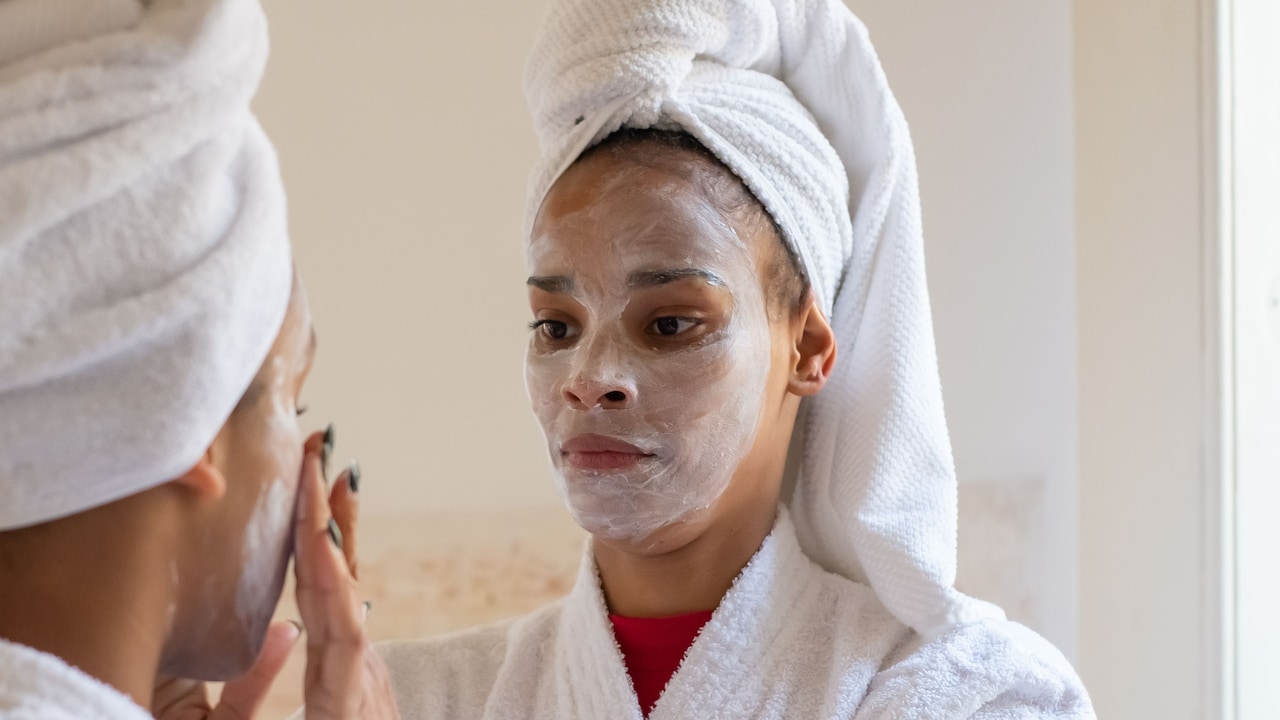
10. Don't Ignore The Neck, Hairline And Ears
Most people treat the face as the main character and forget the supporting cast. The neck, hairline and ears face the same heat, sweat, pollution and sun exposure. Yet they often get leftover product, if anything at all. This neglect shows up as tanning, clogged bumps near the hairline or uneven tone around the neck.
Extend skincare gently beyond the face. Cleanse around the hairline, especially after oiling hair or using styling products. Apply moisturiser to the neck in a light layer. Sunscreen should cover the ears, sides of the face and back of the neck when hair stays tied up. These areas burn and tan faster than expected during outdoor errands, college runs or weekend markets.
Hair products can also interfere with skincare. Heavy oils, leave-in creams and fragranced sprays may clog pores near the forehead and temples. Keep hair away from the face during sleep when breakouts appear along the hairline. In humid weather, neat boundaries between haircare and skincare can save the skin from needless drama.
Dos And Donts Of Layering Skincare In Hot And Humid Weather
Photo Credit: Pexels
Products Related To This Article
1. Vaseline Gluta-Hya Dewy Radiance Lotion with Glutathione
https://www.myntra.com/body-cream-and-lotion/vaseline/vaseline-gluta-hya-dewy-radiance-lotion-with-glutathione---200-ml/22580648/buy
2. Minimalist 2% Salicylic Acid Face Wash With LHA
3. Plum 3% Niacinamide Alcohol-Free Toner With Rice Water To Reduce Pores & Blemishes
4. KASABRILLO Must Have Sunscreen SPF 50 PA++++
5. Chemist at Play Daily Exfoliating Body Wash With Vitamin E
6. Vaseline Lip Therapy Tins For Moisturised & Soft Lips 17g
7. KROV'IA Turmeric & Kojic Acid Face Cleansing Foaming Pads
Layering skincare in hot and humid weather does not need a complicated routine or a dressing table that looks like a beauty store counter. It needs attention, patience and seasonal sense. Cleanse gently, hydrate lightly, treat carefully and protect generously. Let sunscreen take centre stage during the day and let repair products do their quieter work at night.
The best routine feels comfortable in real weather, not just under flattering bathroom lighting. Skin should not feel suffocated, slippery or stinging. It should feel steady enough to handle heat, sweat and the occasional surprise downpour.
Hot weather will always bring shine, stickiness and the odd skincare tantrum. That is part of the season's charm. But with lighter layers, fewer actives and faithful sunscreen, the face can stay fresh without fighting the climate. Good skincare, after all, should make life easier, not add another sweaty challenge to the day.
(Disclaimer: This article may include references to or features of products and services made available through affiliate marketing campaigns. NDTV Convergence Limited (“NDTV”) strives to maintain editorial independence while participating in such campaigns. NDTV does not assume responsibility for the performance or claims of any featured products or services.)