Dos And Don'ts Of Using Heating Pads For Everyday Pain Relief
Heating pads can ease everyday aches, but only when used correctly. Here are some common dos and don'ts that can help comfort sore muscles without inviting burns, irritation or worse, pain.
Dos And Donts Of Using Heating Pads For Everyday Pain Relief
A heating pad feels like a tiny personal rescue mission on rough days. After long hours at a desk, a stiff neck can make turning towards someone feel like a full-body event. Period cramps can turn a regular evening into a negotiation with the sofa. Lower back pain can make even folding laundry feel dramatic. In these moments, heat feels comforting, familiar and almost instantly soothing. But heating pads are not harmless just because they look soft and domestic. They use heat, and heat needs respect. Too much of it can irritate skin, worsen swelling, cause burns or leave behind patchy marks. Too little care can turn a useful pain-relief habit into another problem to fix.
Dos And Donts Of Using Heating Pads For Everyday Pain Relief
The trick is not to fear heating pads. It is to use them like a sensible adult, not like someone trying to roast a stubborn paratha. A heating pad works best when it supports the body gently, for the right kind of pain, for the right amount of time. Everyday pain relief should feel comforting, not risky. These dos and donts can help you get the warmth without the regret.
Smart Ways To Use Heat Without Making Pain Worse
Do Use Heat For Stiffness, Cramps And Tired Muscles
Heating pads work best when the pain feels tight, dull, stiff or crampy. Think of a tense shoulder after laptop work, a stiff lower back after house chores, or those familiar monthly cramps that make the abdomen feel clenched. Heat helps the area relax. It can make muscles feel less guarded and more willing to move.
This is why a heating pad often feels so satisfying after a long commute, a bad sleeping position or a day spent sitting in one posture. It gives the body a nudge towards ease. However, it should support recovery, not replace basic care. Stretching gently, drinking enough water, adjusting posture and taking movement breaks still matter.
For everyday aches, start with mild heat and see how the body responds. The goal is a pleasant warmth, not a heroic test of pain tolerance. If the skin starts feeling too hot, prickly or uncomfortable, stop immediately. Relief should feel like comfort, not punishment.
Dont Use Heat On Fresh Swelling Or Sudden Injuries
A heating pad may feel tempting after a sudden sprain, twist or knock, but fresh injuries usually need caution. When an area looks swollen, red, hot or freshly bruised, heat can make it feel worse. It may increase blood flow to an already irritated spot and add to the throbbing sensation.
For example, if someone twists an ankle while rushing down stairs or pulls a muscle during a workout, reaching for heat right away may not help. Fresh swelling often responds better to rest and cold therapy in the early stage. Heat usually suits stiffness and older aches more than new inflammation.
This matters because many people treat all pain the same way. Pain has moods. A tight neck after a long day behaves differently from a swollen knee after a fall. If pain appears suddenly, comes with swelling, or feels sharp and unusual, avoid guessing. Give the area rest and consider medical advice, especially if walking, bending or moving becomes difficult.
Do Keep Sessions Short And Sensible
Heating pads should not stay on the body for ages. A comfortable session of around 15 to 20 minutes is usually enough for everyday pain relief. That may sound too short when the warmth feels delicious, but skin does not always complain loudly before trouble begins. Burns can creep in quietly, especially when the heat feels mild at first.
A simple way to stay safe is to use a timer. This sounds boring, but boring habits prevent dramatic consequences. It is easy to lose track while watching a show, scrolling through reels or chatting with family. Suddenly, the heating pad has been sitting on the same spot for nearly an hour.
Short sessions also encourage better judgement. After 20 minutes, pause and notice whether the pain has eased, stayed the same or worsened. If relief comes only when heat stays on constantly, the body may be asking for more than home comfort. Persistent pain deserves attention, not endless heat.
Dont Sleep With A Heating Pad On
Sleeping with a heating pad may sound cosy, especially during cramps, back pain or chilly weather. Still, it is one of the riskiest habits. When the body falls asleep, it cannot respond quickly to excess heat. A person may not notice burning, irritation or overheating until the damage has already happened.
Even heating pads with automatic shut-off features should not become bedtime companions. Devices can malfunction, settings can feel hotter over time, and the pad may fold or press too closely against the skin. The risk rises further if someone sleeps deeply, takes medication that causes drowsiness, or feels numbness in any body part.
Use the heating pad before sleep instead. Let it relax the painful area for a short session, then switch it off and move it away. For night comfort, try a warm bath, a light stretch, a supportive pillow or a hot water bag used carefully before lying down. Pain relief should help sleep, not create a morning surprise shaped like a burn.
Do Place A Cloth Barrier Between Skin And Heat
A heating pad should not sit directly on bare skin. A thin towel, cotton dupatta, soft T-shirt or the pad's own cover can create a simple protective barrier. This small step reduces the chance of burns and makes the warmth gentler. It also helps spread heat more evenly instead of letting one patch take the full blast.
This matters even when the pad does not feel extremely hot. Skin can react badly to steady low heat, especially when the same area gets exposed again and again. A barrier gives the body a little breathing space. It also protects sensitive areas such as the abdomen, neck and lower back.
Avoid thick folding, though, because bulky layers can trap heat unpredictably. The idea is not to mummify the heating pad. A single light layer usually works well. Also, check the skin during use. A little pinkness may happen, but burning, itching, blotchy marks or discomfort means the session needs to end.
Also Read: Enjoy Crispy Treats The Healthy Way: Top 5 Air Fryers Under ₹10,000
Dont Press, Sit Or Lie Heavily On The Pad
A heating pad is not a cushion, mattress topper or back support. Pressing body weight onto it can trap heat and damage the device. Lying directly on top of it may feel comforting for a few minutes, but it can create hot spots. The pad may fold, wires may bend, and one part of the skin may receive too much heat.
This becomes especially risky on sofas and beds, where people naturally sink into the surface. A pad tucked under the lower back can get compressed without anyone noticing. Sitting on it for hip or tailbone pain can create the same issue. Heat needs space to disperse safely.
Place the pad over the painful area rather than under heavy pressure. If the back needs support, use a cushion separately and keep the heating pad positioned gently. Comfort should not require squashing an electrical device. That is one household jugaad best avoided.
Dos And Donts Of Using Heating Pads For Everyday Pain Relief
Photo Credit: Amazon
Do Check The Skin Before, During And After Use
Heating pad safety becomes much easier when the skin gets regular attention. Before use, check whether the area already has cuts, rashes, bruises, irritation or numb patches. During use, look at the skin once or twice. After use, notice whether redness fades quickly or lingers.
This habit matters because heat damage may not always announce itself with sharp pain. Sometimes it begins as itchiness, a strange net-like pattern, darkening, dryness or a burning sensation after the pad comes off. Repeated long exposure can leave marks that take time to fade. Some people dismiss this as “normal heat colour”, but skin changes deserve respect.
People with diabetes, nerve issues, poor circulation or reduced sensation should take extra care. If the skin cannot judge heat properly, burns become more likely. Older adults also need caution. A heating pad can still help, but it should stay mild, brief and supervised when needed.
Dont Use A Damaged Or Very Old Heating Pad
A heating pad with frayed wires, cracks, exposed cords, strange smells or uneven heating does not deserve one more chance. Neither does a pad that sparks, overheats, flickers or needs the cord twisted at a particular angle to work. That is not “still usable”; that is a warning wearing a plug.
Many homes keep appliances far beyond their safe life because replacing them feels wasteful. But a heating pad touches the body and uses electricity. It should work reliably. If it looks damaged, stop using it. Avoid fixing it with tape, pins or clever household engineering. Electrical heat devices do not reward bravery.
Store the pad properly as well. Do not fold it tightly, crush it under heavy items or pull it by the cord. Keep it dry and clean according to the care instructions. A well-maintained heating pad gives steady comfort. A neglected one brings unnecessary risk into a routine meant for relief.
Do Use The Lowest Effective Heat Setting
The hottest setting is not automatically the best setting. In fact, everyday pain relief often needs gentle warmth, not intense heat. A mild or medium setting can relax muscles without overwhelming the skin. High heat may feel dramatic, but it can irritate the area and make the session unsafe.
Start low, especially on sensitive areas like the abdomen, neck, shoulders and knees. Give the body a few minutes to respond. Heat builds slowly, and what feels mild at first can become too much after ten minutes. If the pain eases with low heat, there is no prize for increasing the temperature.
This rule helps people who use heating pads often. Repeated high heat on the same area can leave the skin dry, blotchy or tender. A sensible setting also makes the habit easier to sustain. Pain relief should feel like a warm cup of chai on a tiring day, not like sitting too close to a tandoor.
Dont Ignore Pain That Keeps Coming Back
A heating pad can comfort everyday aches, but it should not become a way to avoid finding the cause. If pain keeps returning in the same spot, grows stronger, spreads, causes numbness, affects walking or disturbs sleep often, the body may need a proper check. Heat can calm symptoms, but it cannot correct every underlying problem.
For instance, repeated neck pain may come from posture, screen height, stress, weak muscles or a pillow that has given up on life. Lower back pain may link to long sitting, poor lifting habits, footwear or lack of movement. Menstrual pain that feels unusually severe also deserves attention. Covering all of it with heat every day may delay useful care.
Use the heating pad as one tool, not the whole toolbox. Combine it with better ergonomics, gentle mobility, rest and medical guidance when needed. The best pain relief does not just quiet the pain for an hour. It helps the body move towards fewer painful days.
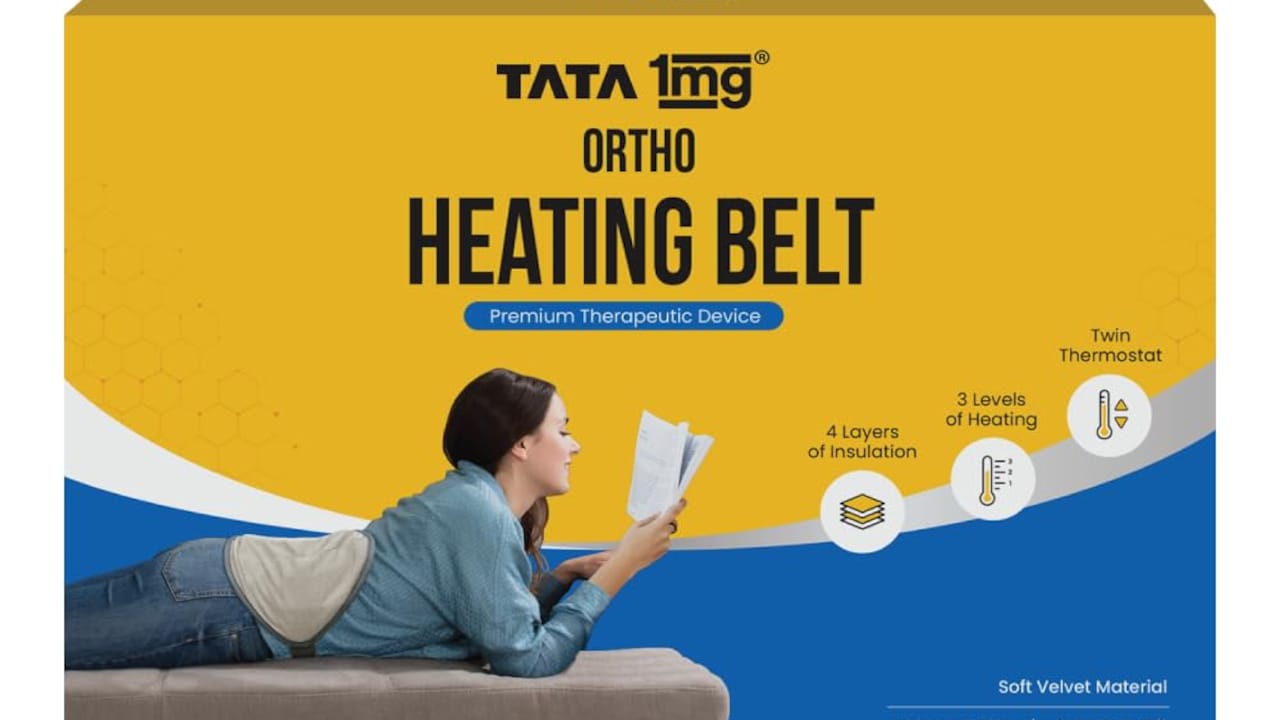
Dos And Donts Of Using Heating Pads For Everyday Pain Relief
Photo Credit: Amazon
Products Related To This Article
1. Flamingo Orthopaedic Electric Heating Pad
2. MEDTECH HP11 Orthopaedic Electric Heating Pad For Back Pain
3. WARMEE Body Warmers (Pack of 3 pcs) 8
4. Heating Pad for Back Pain Relief
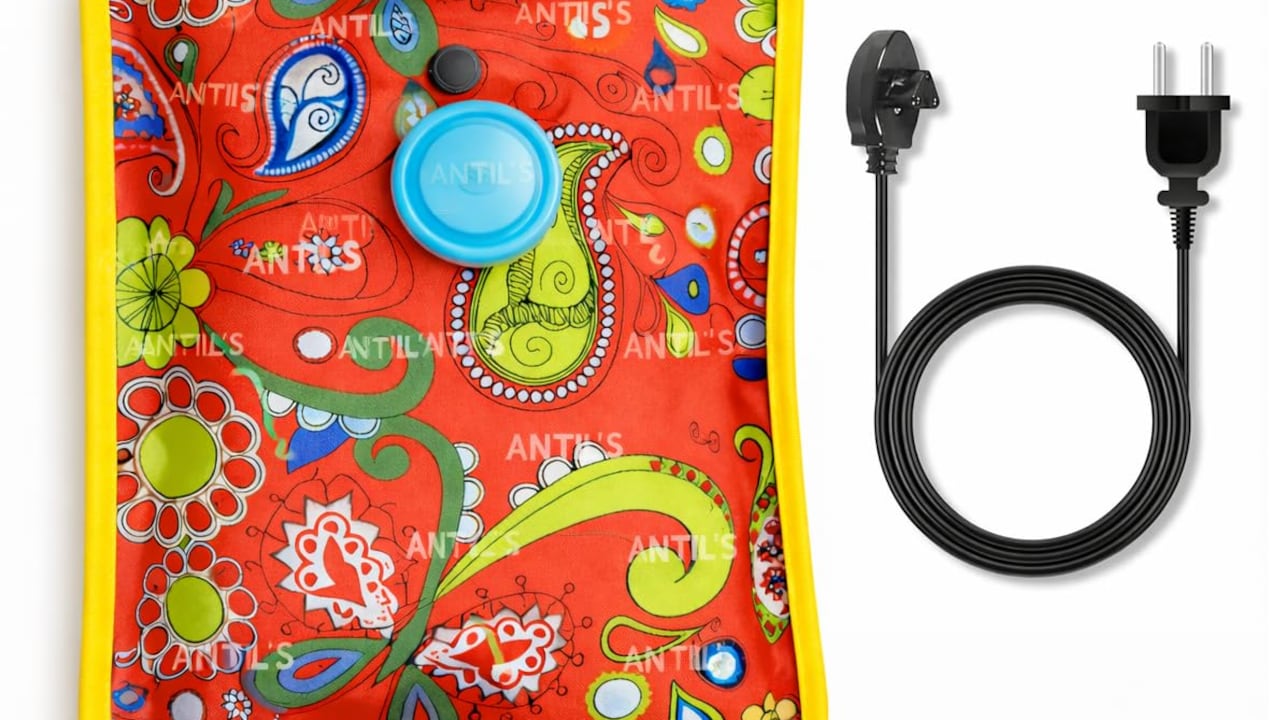
5. ANTIL'S heating bag, hot water bags for pain relief
6. Infi Orthopaedic Electric Heating Pad for Back Pain
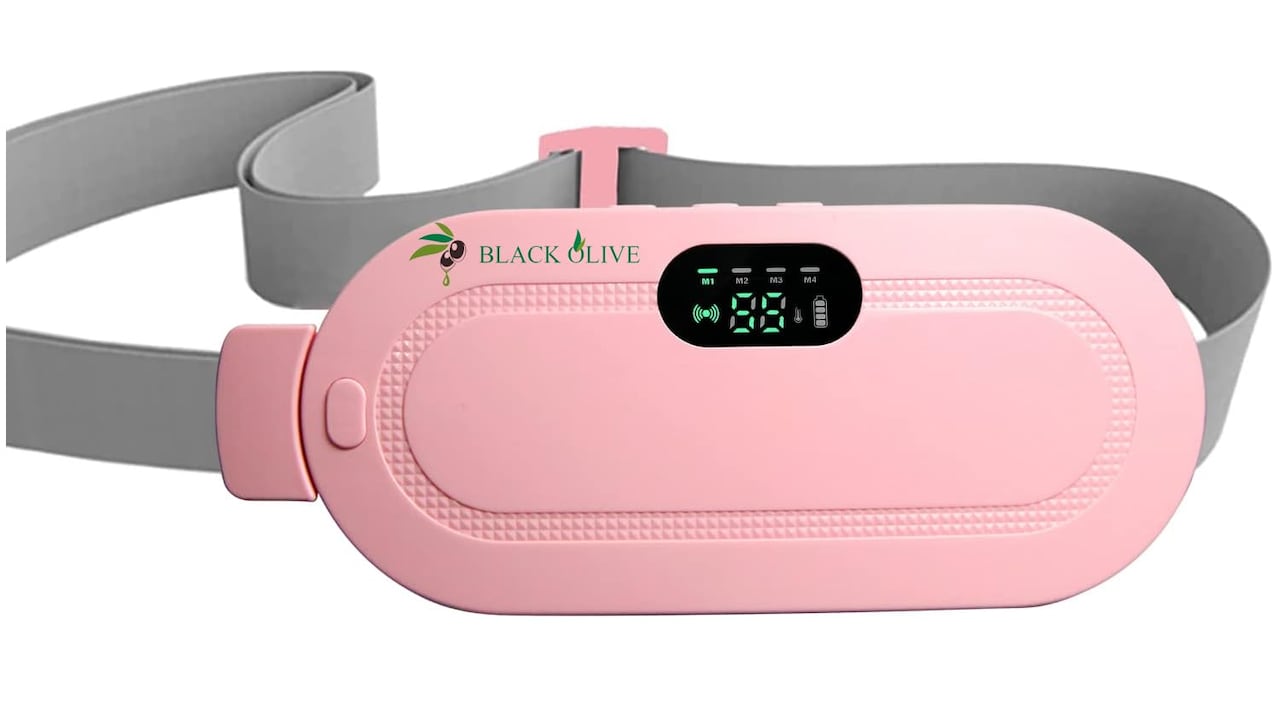
7. ENLIWISH Portable Cordless Heating Pad for Menstrual Cramps Relief
Heating pads can be wonderful for everyday pain relief when used with common sense. They bring comfort to stiff backs, tired shoulders, cramps and dull muscle aches. But warmth works best when it stays gentle, timed and protected. Keep a cloth barrier, avoid sleeping with the pad, skip heat on fresh swelling, and check the skin often. Used wisely, a heating pad can feel like a small act of care at the end of a demanding day. Used carelessly, it can create a new problem. Let the warmth help, but let caution stay in the room too.
(Disclaimer: This article may include references to or features of products and services made available through affiliate marketing campaigns. NDTV Convergence Limited (“NDTV”) strives to maintain editorial independence while participating in such campaigns. NDTV does not assume responsibility for the performance or claims of any featured products or services.)