10 Shampooing Mistakes That Leave The Crown And Nape Greasier Than The Front
Does your hairline feel fresh while the crown and nape turn greasy far too quickly? Uneven shampoo application, rushed rinsing and overlooked scalp areas may be leaving oil, sweat and product residue behind after every wash.

10 Hair-Washing Mistakes That Make Your Crown And Nape Greasy Faster
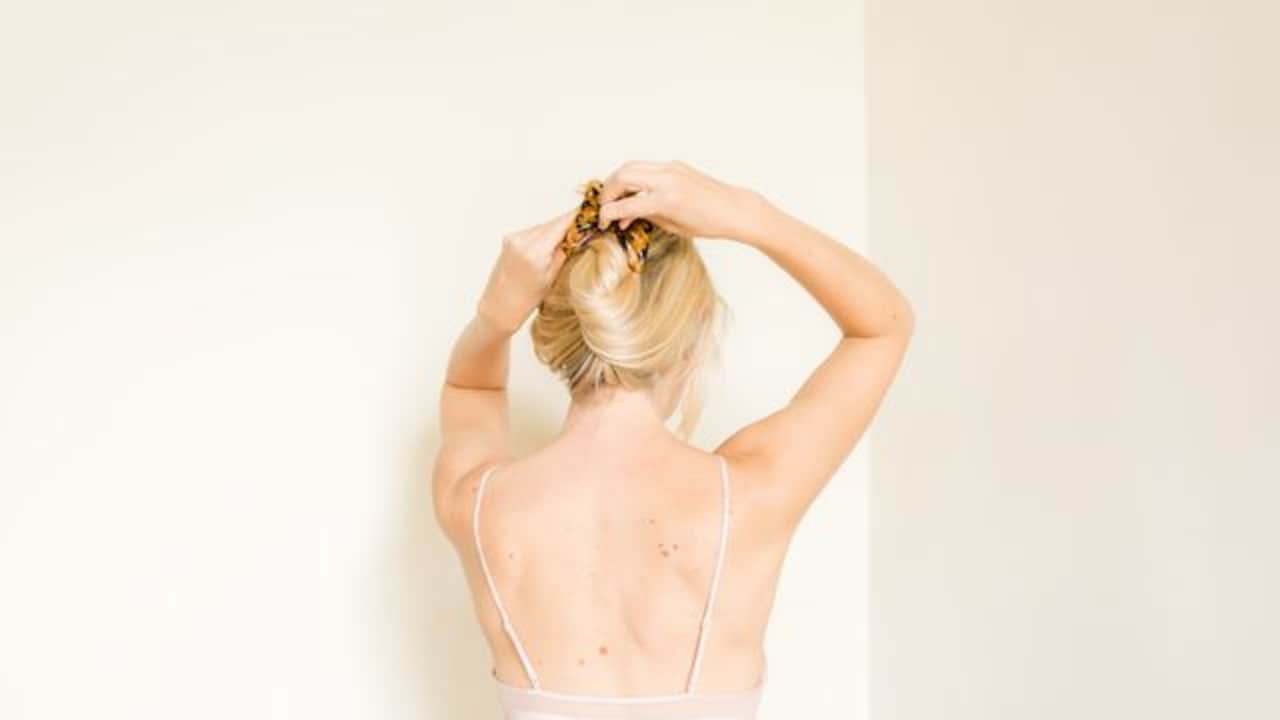
A few hair-washing annoyances feel quite as confusing as stepping out of the shower with a clean-looking hairline, only to discover that the crown still feels suspiciously heavy by evening. Run your fingers along the nape and things can get even stranger. The front feels fluffy and fresh. The back? Almost as though shampoo never reached it. This uneven greasiness isn't always a sign that your scalp produces an extraordinary amount of oil. Often, the way we wash our hair creates the difference. The front of the scalp gets plenty of attention because we can see and reach it easily. Meanwhile, the crown, back of the head and area close to the neck receive a hurried rub before we reach for the showerhead. Add thick hair, styling products, sweat, humid weather and hurried morning showers, and several scalp zones can escape a thorough cleanse. Even rinsing technique matters more than many people realise. Before blaming the shampoo bottle, look at what your hands are doing. A few surprisingly ordinary habits could explain why some parts of your scalp seem clean for two days while others struggle to make it through one.
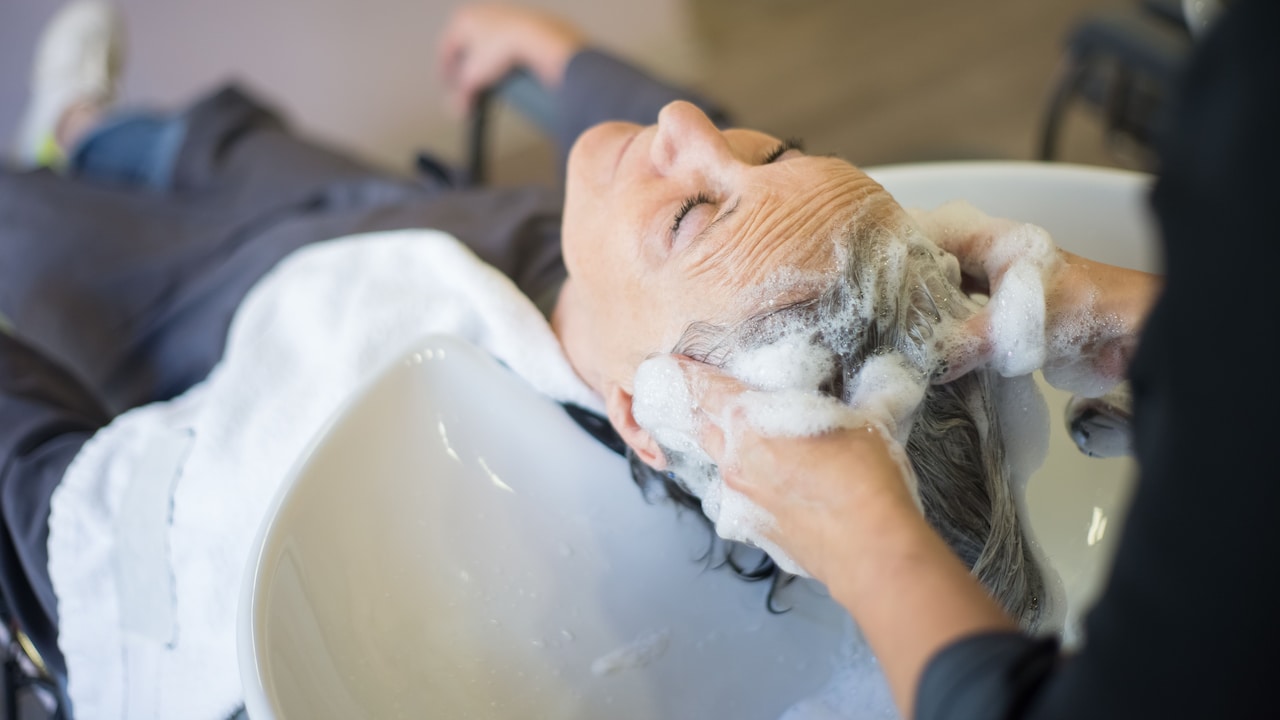
10 Hair-Washing Mistakes That Make Your Crown And Nape Greasy Faster; Photo Credit: Pexels
Where Your Shampoo Routine May Be Missing The Scalp
1. You Start Shampooing At The Hairline Every Time
Most people instinctively place shampoo at the front of the head. It makes sense. The hairline sits directly within reach, and once shampoo starts foaming there, the whole scalp can appear sufficiently covered. Appearances can deceive.
By the time your hands reach the crown, much of the shampoo has already mixed with water, oil and product residue from the front. You may spread the remaining foam backwards, but foam doesn't automatically mean strong cleansing action. The crown may receive little fresh shampoo compared with the hairline.
Try dividing your scalp mentally into zones instead. After emulsifying shampoo between wet palms, place small amounts around the front, both sides, crown and back of the scalp. Then massage those sections together.
This approach becomes particularly useful if you have thick or long hair. Rather than hoping one blob travels through several centimetres of dense hair, you bring the cleanser directly to the skin that needs it. The result tends to feel far more even from forehead to nape.
Also Read: Winter Dry Hair Problems? Here Are 5 Nourishing Shampoos That Actually Work
2. You Wash The Hair Instead Of The Scalp
There is something satisfying about gathering all your hair together and creating a huge cloud of foam. Unfortunately, your lengths aren't usually where most grease originates.
Sebum comes from the scalp. Sweat, dry shampoo, styling sprays and everyday grime also tend to collect around the roots. When most of your shampooing effort goes into squeezing and rubbing the lengths, the scalp itself can receive surprisingly little attention.
The crown often suffers most because hair density can make it difficult for your fingers to reach the skin. At the nape, sections of hair may clump together when wet, creating another little barrier.
Focus your fingertips underneath the hair instead. Work directly across the scalp using gentle circular movements. You don't need aggressive scratching. In fact, fingernails can irritate the skin without making cleansing noticeably better.
Allow the suds to travel through the lengths while rinsing rather than scrubbing every strand. Your roots need the deliberate cleaning. The ends usually need far less drama.
3. You Never Properly Part Thick Hair While Washing
Thick hair can turn into something resembling a raincoat once thoroughly wet. Water hits the surface, shampoo foams beautifully on top, and the scalp underneath remains far less involved in proceedings.
This frequently happens around the crown, where hair may grow in different directions from a natural whorl. The nape can cause similar trouble because damp hair tends to lie flat against the back of the head.
Instead of shampooing the entire head as one mass, separate sections with your fingers. Push the hair aside around the crown and place your fingertips directly against the scalp. Repeat around the back and behind the ears.
You don't need neat salon-style partings. Rough sections work perfectly well in the shower.
This simple adjustment can also make rinsing easier. Water reaches the scalp rather than merely running over the outer layer of hair. Anyone who has ever washed a very dense head of hair and discovered a strangely dry patch underneath will recognise the problem. Sometimes water, let alone shampoo, never properly got there.
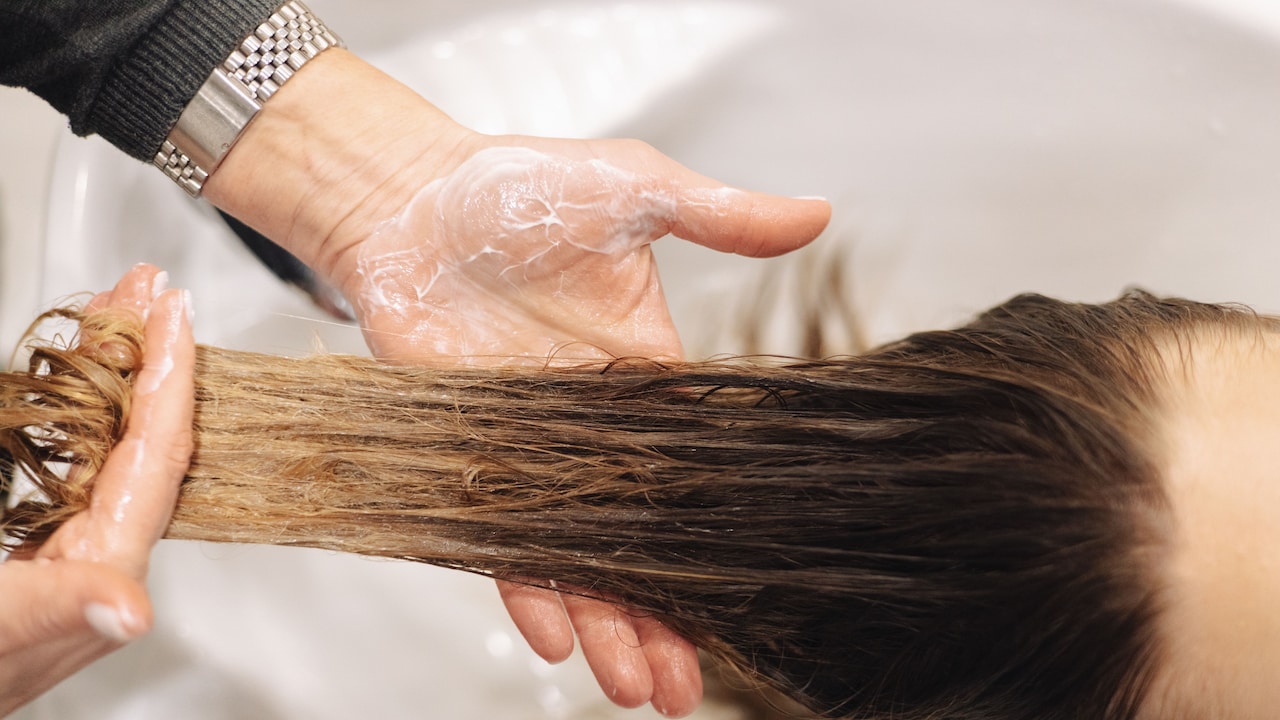
10 Hair-Washing Mistakes That Make Your Crown And Nape Greasy Faster; Photo Credit: Pexels
4. You Rush Through The Nape Because It Is Harder To Reach
The nape may be the least glamorous part of a hair-washing routine. It sits behind the head, you can't see what you're doing, and reaching it properly requires a little more effort. Consequently, it often receives a quick swipe while the front gets the full salon massage.
Yet the nape deals with plenty. Sweat can gather there, particularly during hot weather, exercise, commutes or long hours with hair tied up. Conditioner and styling products can also settle near the area. If your hair touches the neck throughout the day, additional oils may transfer back and forth.
During shampooing, slide your fingers underneath the hair at the base of the skull. Massage horizontally across the entire nape instead of assuming suds from above will eventually reach it.
Pay attention to the small areas behind your ears too. They can easily escape both shampoo and rinse water.
An extra 20 or 30 seconds here may make a bigger difference than shampooing your already-clean hairline twice.
5. You Add More Shampoo Without Adding Enough Water
When shampoo isn't foaming well, the instinctive response often involves squeezing another generous amount from the bottle. Sometimes the missing ingredient isn't shampoo at all. It is water.
A thoroughly wet scalp allows shampoo to spread more evenly. If parts of the crown remain only damp, cleanser can sit in one concentrated patch rather than moving across the skin. Thick hair makes this especially easy to miss.
Before applying shampoo, give the water enough time to penetrate your hair completely. Move sections aside with your hands and let water reach the crown and nape. Depending on hair density, this may take longer than a quick five-second rinse.
You can also add a small splash of water while massaging if the shampoo feels sticky rather than slippery.
More product doesn't necessarily create a cleaner scalp. Excess shampoo can actually make thorough rinsing harder, particularly around dense root areas. A well-saturated scalp plus a sensibly distributed amount often cleans more consistently than a huge dollop concentrated near the forehead.
6. You Assume Lots Of Foam Means Every Area Is Clean
Foam has excellent public relations. The more bubbles we see, the cleaner everything seems to feel.
Unfortunately, a thick layer of lather tells you very little about whether your fingertips have actually reached the crown or nape. Shampoo can produce impressive suds across the outer hair while neglected scalp areas sit underneath.
Instead of judging your wash by bubble volume, judge it by coverage. Can you feel your fingertips moving across every major section of scalp? Have you worked underneath the hair at the crown? Have you reached the base of the skull?
Sometimes the first shampoo also produces less lather because it encounters considerable oil, dry shampoo or styling residue. A second gentle cleanse may make sense after heavy product use or several days between washes. That doesn't mean everyone needs to double-shampoo every day.
Pay attention to how your scalp behaves rather than chasing foam for its own sake. Effective shampooing should leave the roots feeling evenly refreshed, not simply create enough bubbles to recreate a television advert.
7. You Rinse From The Front And Forget The Back
Rinsing may look like the easiest part of hair washing. Stand beneath the shower, let the water run and job done.
Except water follows gravity and whatever direction your head happens to face.
If you spend the entire rinse leaning backwards, the front may receive a strong stream while thick sections around the crown and nape don't get the same direct flush. Shampoo residue can remain close to the roots, leaving those areas heavy or greasy sooner than expected.
Change your head position while rinsing. Let water hit the crown directly, then tilt forward slightly so it reaches the back of the scalp. Separate dense sections with your fingers as the water runs through them.
Keep rinsing until the roots stop feeling slippery.
This matters even more after a second shampoo. Residue doesn't become harmless simply because it came from a cleansing product. Shampoo surfactants and other ingredients still need to leave the scalp properly. A rushed rinse can turn a perfectly good shampoo routine into a strangely greasy-looking result.
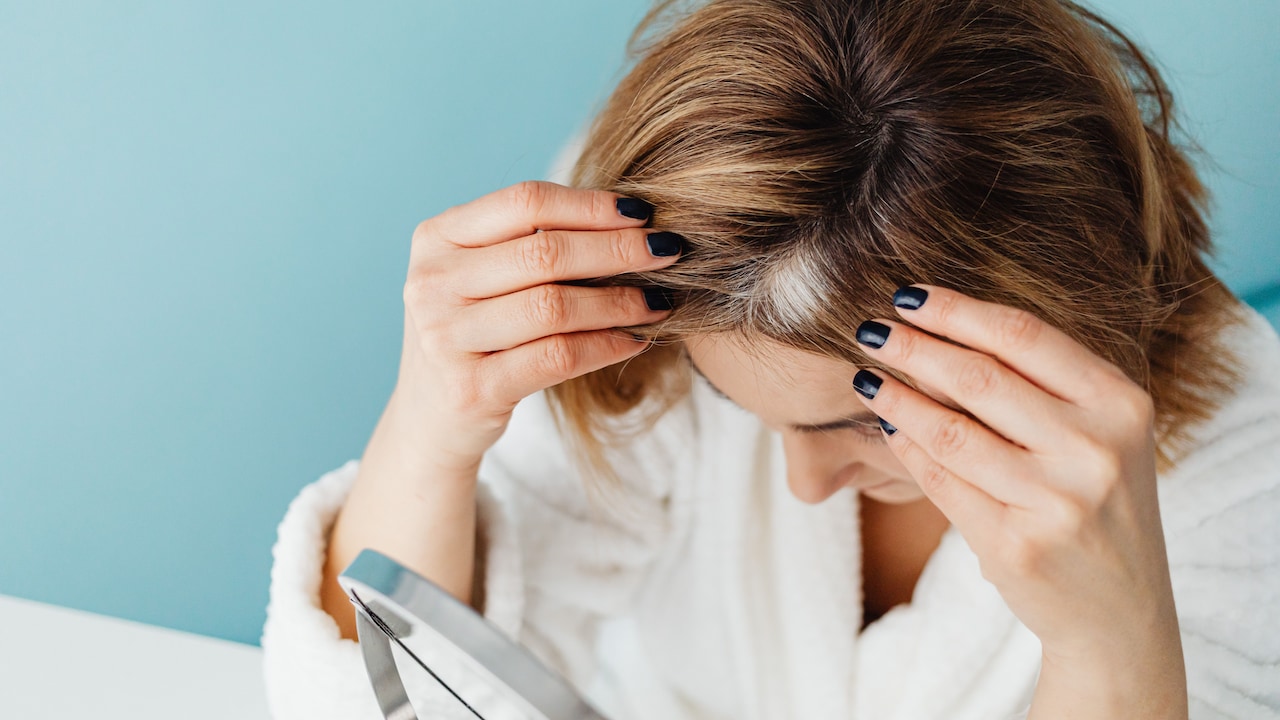
10 Hair-Washing Mistakes That Make Your Crown And Nape Greasy Faster; Photo Credit: Pexels
8. Conditioner Keeps Creeping Onto Your Roots
Conditioner belongs on the areas that need softness and slip, which usually means the mid-lengths and ends. Yet getting a little enthusiastic with conditioner can undo some of the freshly washed feeling around the crown and nape.
Long hair often swings against the scalp while we distribute conditioner. When you pile conditioned hair on top of your head while finishing the shower, rich formulas can transfer directly onto the crown. The nape faces a similar problem when coated lengths rest against the neck.
If your roots become oily unusually quickly after washing, pay attention to where your conditioned hair goes.
Keep heavier conditioner away from the scalp unless the product specifically instructs otherwise. Apply it below the root area and leave the hair hanging rather than twisting it onto the crown.
Rinse carefully around the back as well. A small amount of leftover conditioner can make roots feel coated long before they are truly dirty. Sometimes what looks like fast oil production is simply product sitting where it wasn't needed.
9. You Keep Layering Dry Shampoo Without Properly Removing It
Dry shampoo can rescue a rushed morning brilliantly. One spray at the roots, a quick massage and suddenly yesterday's hair looks presentable again.
The trouble starts when yesterday's dry shampoo meets today's dry shampoo, followed by another layer tomorrow.
Powders, starches, oils and styling products can accumulate around the roots. The crown often gets generous dry-shampoo coverage because that's where flattening becomes most obvious. The nape may collect residue from sprays, sweat and natural oils at the same time.
When wash day finally arrives, one quick shampoo may struggle to lift everything evenly.
If you've used plenty of dry shampoo or styling products, spend extra time wetting your scalp before cleansing. Massage shampoo thoroughly into the areas carrying the most build-up. A second cleanse can help when the first pass mainly tackles surface residue.
Dry shampoo works best as a temporary refresh, not a permanent substitute for washing. Eventually, the scalp needs water, cleanser and enough attention to remove what all those convenient sprays have been disguising.
10. You Treat Every Part Of Your Scalp Exactly The Same
Hair washing can become automatic: wet, shampoo, rub, rinse, condition, done. But your scalp isn't necessarily experiencing the same conditions everywhere.
The front hairline may receive frequent touching throughout the day. The crown can hold styling products, while the nape collects sweat beneath long hair. Helmets, caps, scarves, workouts, tied hairstyles and even sleeping positions can change where oil and residue accumulate.
So a perfectly symmetrical washing routine doesn't always make sense.
Spend slightly more time on whichever sections regularly feel greasy first. If that's the crown, part the hair and massage there before working forwards. If the nape feels heavy after workouts, make sure both shampoo and rinse water reach the base of the scalp properly.
This doesn't mean scrubbing certain areas aggressively. It means adjusting your technique to what your scalp actually needs.
Haircare becomes easier once we stop treating shampooing like a race. Thirty thoughtful extra seconds can sometimes achieve more than changing shampoos every fortnight in frustration.
Products Related To This Article
1. Plum Coconut Milk & Peptides Shampoo for Dry & Frizzy Hair
2. L'Oréal Professionnel Absolut Repair Shampoo & Mask
3. Kérastase Genesis Homme Anti-Hair Fall Thickening Shampoo
4. WishCare Multi Peptide Anti Hairfall Shampoo
5. The Body Shop Ginger Anti-Dandruff Shampoo
6. Scalpe Pro Daily Anti-Dandruff Shampoo | Removes Dandruff from Source
7. Pilgrim Rosemary Anti-Hairfall Shampoo with Multi-Protein Serum
When the crown and nape turn greasy while the front remains fresh, the hair shampoo itself may not deserve all the blame. Uneven application, dense hair, product build-up and rushed rinsing can create very different results across the same scalp.
A better wash doesn't necessarily require more product or tougher scrubbing. It usually needs better access. Wet every section thoroughly, bring shampoo directly to the scalp, give overlooked areas some attention and rinse from more than one angle. Once the entire scalp starts receiving equal care, that mysterious greasy patch at the back may finally stop making such an early comeback.
(Disclaimer: This article may include references to or features of products and services made available through affiliate marketing campaigns. NDTV Convergence Limited (“NDTV”) strives to maintain editorial independence while participating in such campaigns. NDTV does not assume responsibility for the performance or claims of any featured products or services.)