10 Reasons Water Purifiers Become Noisy When Water Pressure Drops And What To Check
Low water pressure can make a water purifier hum, rattle or vibrate. Discover 10 common reasons behind the noise, what each sound may indicate, and the key checks that can help spot the problem early.
Why Is Your Water Purifier Noisy? 10 Causes Linked To Low Water Pressure
Water purifiers usually work quietly enough to fade into the background. The occasional hum during purification feels normal, much like the refrigerator switching on or the ceiling fan changing speed. So when the purifier suddenly begins buzzing, knocking or vibrating loudly, it naturally attracts attention. The strange part is that the purifier itself may not be seriously damaged. A drop in incoming water pressure can change how several internal parts behave. Pumps work harder, valves struggle to regulate flow and air can find its way into the system. Even a filter that seemed perfectly fine yesterday may become noticeably noisy when the flow weakens. This situation is particularly common in homes where municipal water pressure changes during peak-use hours, overhead tanks run low or several taps operate at once. Before assuming that an expensive component has failed, it helps to understand what the sound is trying to say. Here are ten reasons a water purifier can become noisy when water pressure drops and what deserves attention first.
Why Is Your Water Purifier Noisy? 10 Causes Linked To Low Water Pressure; Photo Credit: Pexels
Why Water Purifiers Get Noisy When Water Pressure Drops
1. The Booster Pump Is Working Harder Than Usual
The booster pump is often the first suspect when a purifier becomes louder during periods of low pressure. RO systems need adequate pressure to push water through the membrane. When the incoming supply weakens, the pump has to work harder to maintain the pressure required for purification.
That extra effort may produce a louder humming or buzzing sound. In some cases, the vibration travels through the purifier cabinet and makes the noise seem worse than it actually is. Think of a mixer grinder struggling with a thick batter. The appliance still works, but the motor clearly sounds less comfortable.
Check whether the noise appears only when household water pressure drops. Open a nearby tap and observe the flow. If it looks noticeably weaker than normal, the purifier pump may simply be compensating.
Persistent loud humming, however, deserves attention. A technician can check pump pressure and electrical performance. Ignoring a severely strained pump may shorten its working life and eventually turn a manageable service visit into a more expensive replacement.
Also Read: 5 Best Water Purifiers For Hard Water Areas Under ₹18,000
2. Air Has Entered The Water Line
Air inside a purifier can create surprisingly dramatic noises. Gurgling, sputtering, clicking and irregular vibrations may appear when low water pressure allows pockets of air to enter the inlet line.
This often happens after the overhead tank runs empty, the main water supply stops temporarily or plumbing work interrupts the household connection. Once water returns, trapped air travels through pipes and may reach the purifier.
The result can sound worrying even when nothing has broken. Water and air moving together through narrow tubes rarely travel silently.
Check whether the purifier started making noise shortly after a supply interruption. Running the inlet water normally for a short period may help stabilise the flow. Some systems clear small air pockets naturally after completing a few purification cycles.
If gurgling continues for several days, the inlet tubing and connections deserve inspection. Loose joints can sometimes allow air to enter repeatedly.
A purifier that sounds as though it is gargling its morning chai may simply need its water supply stabilised rather than a major repair.
3. The Sediment Filter Is Becoming Clogged
The sediment filter catches sand, rust, dirt and suspended particles before they reach more sensitive components. Over time, all that unwanted material begins restricting water flow.
Under normal pressure, the purifier may continue operating without obvious trouble. Once inlet pressure falls, however, the restriction becomes much more noticeable. The booster pump tries to pull water through an already congested filter, which can create additional humming, vibration or pulsating sounds.
This is why noise sometimes appears even though nothing changed inside the purifier that particular day. The filter may have been approaching its limit for weeks, while lower supply pressure simply exposed the problem.
Check the service history. If the sediment filter has not been inspected or replaced for a long time, it deserves attention. Homes receiving visibly muddy water after supply interruptions may need more frequent maintenance.
Avoid judging filters only by appearance. A cartridge can look reasonably clean on the outside while remaining heavily restricted internally.
Replacing a clogged filter can improve flow, reduce pump strain and often restore the purifier's familiar, quieter working sound.
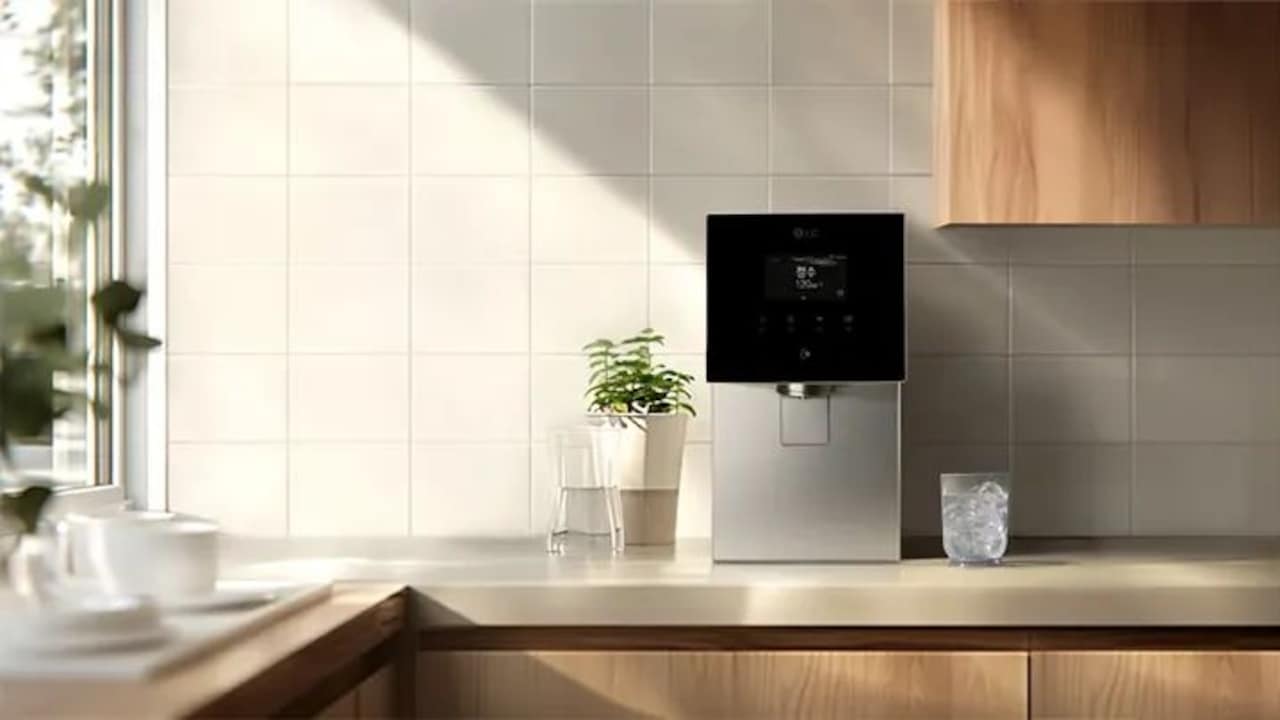
Why Is Your Water Purifier Noisy? 10 Causes Linked To Low Water Pressure; Photo Credit: Pexels
4. The Inlet Valve Is Not Opening Properly
The inlet valve controls the flow of water entering the purifier. When pressure remains healthy, a partially restricted valve may not create an obvious problem. Once supply pressure drops, however, even a small obstruction can become significant.
A valve that does not open fully may cause whistling, buzzing or rapid clicking as water squeezes through a narrow passage. Mineral deposits, debris and normal wear can all affect its movement.
Start with the simplest possibility: check the external water inlet valve connected to the purifier. Someone may have partly closed it while cleaning the kitchen, moving an appliance or carrying out plumbing work. It sounds almost too simple, yet partially closed valves cause plenty of unnecessary troubleshooting.
If the external valve is fully open but the noise continues, the internal solenoid valve may need professional inspection.
Electrical valves should not be dismantled casually. A technician can determine whether the component is blocked, receiving the correct voltage or nearing failure.
Sometimes the mystery noise is simply water protesting because somebody has made its entrance far too narrow.
5. The RO Membrane Is Facing Excessive Resistance
The RO membrane performs one of the purifier's most demanding jobs. Water must pass through an extremely fine membrane while dissolved contaminants remain behind. This process depends heavily on pressure.
When incoming pressure falls, the booster pump must compensate. If the membrane has also become clogged or heavily scaled, the resistance increases further. The combination can create a deeper pump hum, irregular vibration or longer purification cycles.
Watch how quickly the storage tank fills compared with its usual routine. If purification takes considerably longer and the purifier has become noticeably louder, membrane resistance could be part of the problem.
Water quality also influences membrane life. Hard water and high levels of dissolved solids can gradually reduce performance.
Do not replace the membrane based on noise alone, though. Membranes cost more than basic pre-filters, and several cheaper causes can produce similar symptoms.
A proper service check can measure output flow, rejection performance and operating pressure. Those readings reveal far more than guesswork and help determine whether the membrane genuinely needs replacement.
6. Loose Tubes Are Vibrating Against The Cabinet
Not every loud purifier has a complicated internal fault. Sometimes the problem is remarkably ordinary: a tube has shifted slightly and now touches the plastic housing.
Water flowing through purifier tubing naturally creates small movements. Under low-pressure conditions, the booster pump may operate differently or produce stronger pulsations. A loose tube can then tap repeatedly against the cabinet, creating a rattling sound that seems far more serious than its cause.
Listen carefully to where the sound originates. A light repetitive tapping near one side of the casing may suggest vibration rather than pump failure.
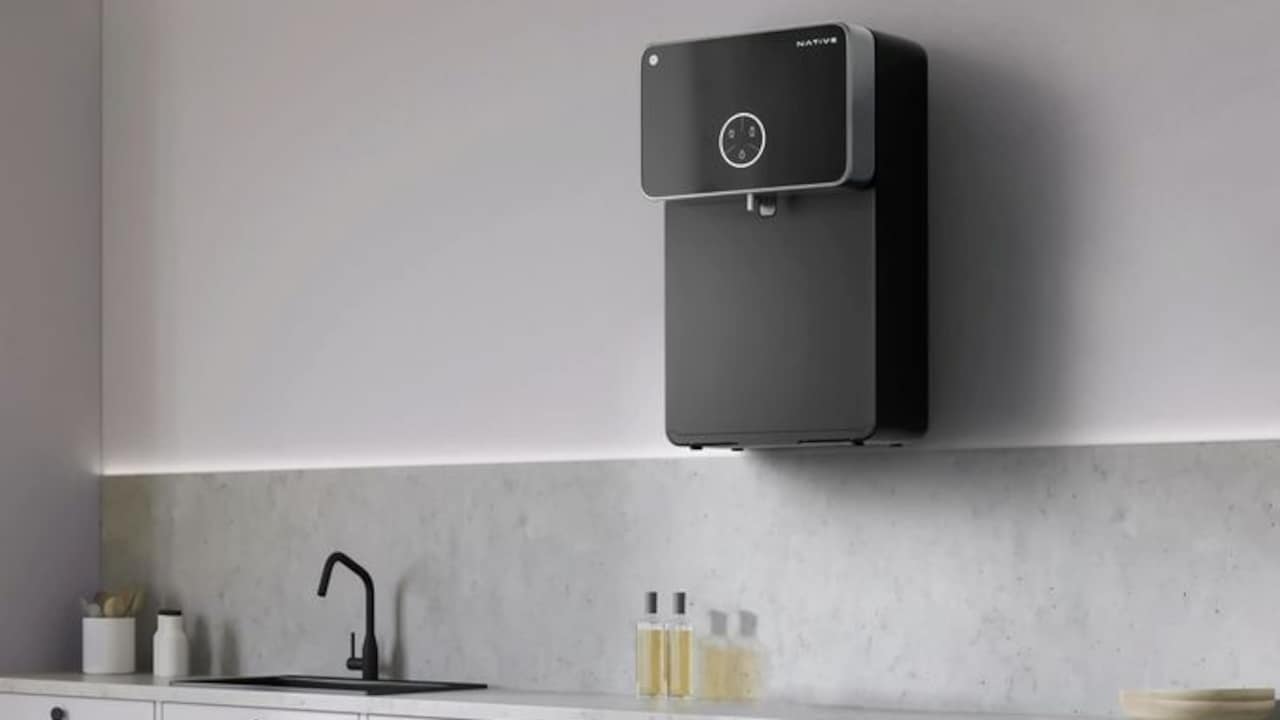
The purifier should not be opened unless doing so is safe and permitted under its service conditions. However, checking whether the unit itself is firmly mounted can help. Wall-mounted purifiers sometimes amplify tiny internal vibrations when brackets or screws become loose.
A technician can secure internal tubes with suitable clips or cushioning if required.
This is one of those problems where a tiny piece of plastic can produce enough drama to make the entire purifier sound ready for retirement.
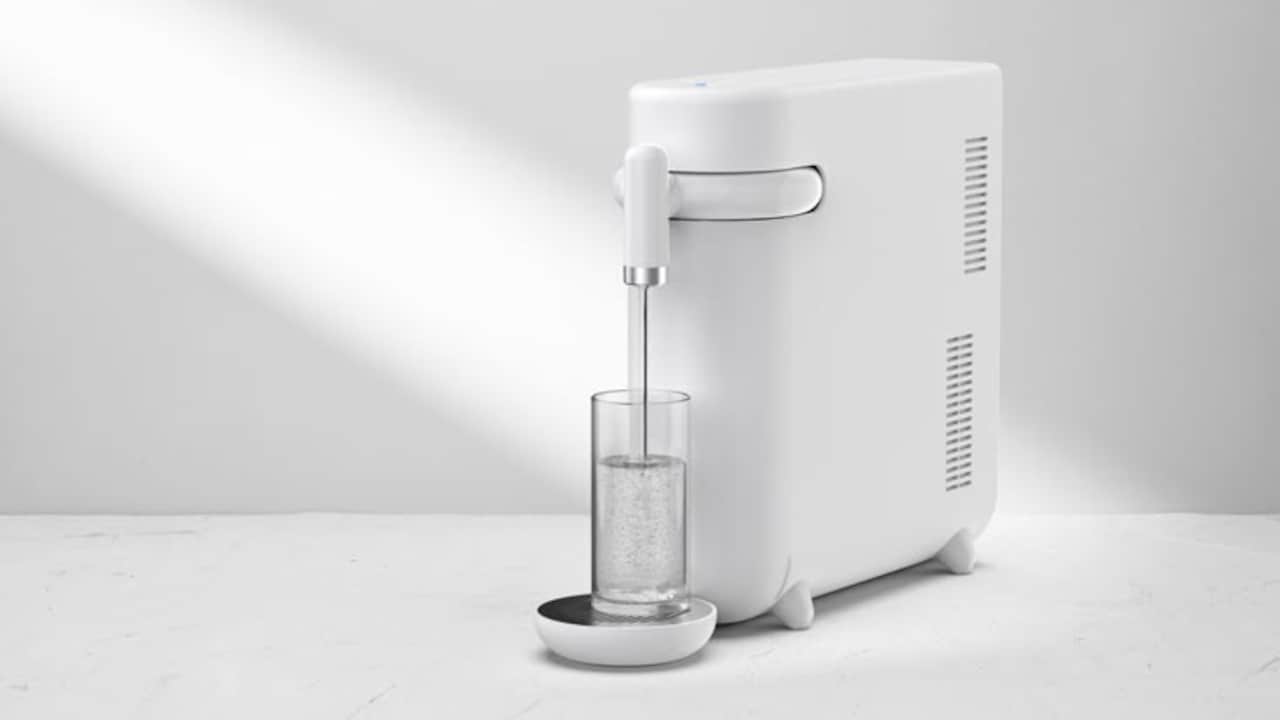
Why Is Your Water Purifier Noisy? 10 Causes Linked To Low Water Pressure; Photo Credit: Pexels
7. The Low-Pressure Switch Is Cycling Repeatedly
Many RO purifiers include a low-pressure switch designed to protect the pump. If incoming pressure falls below a safe level, the switch can interrupt operation. When pressure rises again, even briefly, the purifier may restart.
Unstable supply pressure can therefore make the machine stop and start repeatedly. Each cycle may produce clicks, short bursts of humming or sudden changes in vibration.
This behaviour commonly appears when water pressure hovers close to the purifier's minimum operating requirement. For example, the flow may fall while someone takes a shower or fills a bucket, then improve again once the tap closes.
Observe whether the noise follows a clear start-stop pattern rather than remaining constant. If it does, fluctuating pressure could be triggering the protection system.
Avoid bypassing a pressure switch simply to keep the purifier running. That component protects the pump from operating under unsuitable conditions.
A plumber can investigate household pressure, while a purifier technician can test the switch itself. Stabilising the incoming supply usually makes far more sense than silencing a safety feature.
8. The Storage Tank Is Affecting Pump Behaviour
A purifier's storage tank and automatic shut-off arrangement influence how often the pump runs. When pressure conditions become unusual, the normal filling and stopping cycle can change.
A tank that fills very slowly because of weak inlet pressure may keep the pump running much longer than expected. That extended operation naturally makes the purifier seem noisier, particularly in a quiet kitchen at night.
Problems with tank pressure, level sensors or shut-off components can complicate matters further. The pump may run intermittently even when the tank appears nearly full.
Check whether the noise disappears once the storage tank reaches capacity. Also notice whether the purifier has recently started taking unusually long to fill.
If the pump continues running when the tank should already be full, professional inspection is sensible. Allowing unnecessary pump operation wastes electricity and increases wear.
The sound may not always indicate a damaged tank. Sometimes low inlet pressure simply stretches a twenty-minute purification cycle into something that feels like an entire evening's soundtrack.
9. The Inlet Pipe Has A Bend Or Partial Blockage
Water pressure can be perfectly reasonable at the main household connection yet weak at the purifier because of the inlet pipe itself.
A flexible tube squeezed behind a cabinet, twisted near the purifier or sharply bent under a sink can restrict flow. Sediment may also collect around connectors or small inlet screens. When supply pressure falls slightly, these restrictions become much more significant.
The pump then receives less water and may begin humming, vibrating or cycling.
Inspect the visible inlet tube from the water connection to the purifier. Look for sharp bends, flattened sections or anything pressing against it. Kitchen storage can gradually create problems too. A heavy container pushed backwards inside a cabinet may quietly pinch a purifier tube without anyone noticing.
If the tubing looks fine, a technician can check internal connectors and inlet screens for blockage.
This simple inspection often gets overlooked because people naturally assume the noisy appliance must contain the fault. Sometimes the purifier is merely complaining about the difficult journey water has to make before reaching it.
10. Household Water Pressure Is Simply Too Low
Sometimes every purifier component works correctly and the real problem lies outside the machine.
Water pressure can vary according to supply timings, overhead tank levels, building height and simultaneous household demand. A purifier installed on an upper floor may experience particularly weak gravity-fed pressure when the tank level drops.
Notice when the noise occurs. If the purifier behaves normally early in the morning but becomes louder when several taps are running, the household supply may not provide consistent pressure.
Comparing water flow at different times can reveal a pattern. A plumber can also measure the actual inlet pressure instead of relying on visual estimates.
Where pressure remains consistently below the purifier manufacturer's requirement, the plumbing arrangement may need improvement. Depending on the property, the solution could involve correcting pipe restrictions, improving tank placement or using an appropriate pressure-boosting arrangement.
The key is to solve the supply problem rather than repeatedly replacing purifier parts. A machine cannot create comfortable operating conditions when the water reaching its doorstep arrives with barely enough enthusiasm to enter.
Products Related To This Article
1. Native M1 Water Purifier by Urban Company
2. AQUA D PURE 4 in 1 Copper RO Water Purifier with 10 Stage Purification Filtration
3. Pureit Classic 23 L Gravity Based Water Purifier | Activated Carbon Filtration
4. Aqua X Pure NEXORA RO Water Purifier | Advanced RO + UV + UF Purification
5. AO Smith Z9 Pro Black RO Water Purifier For Home
6. Atomberg Intellon - India's 1st Adaptive Water Purifier
7. Havells Aquas Lite Water Purifier
A noisy water purifier does not automatically mean an expensive repair is around the corner. When water pressure drops, the purifier's pump, filters, valves, tubing and safety controls can all behave differently. The resulting hums, clicks, rattles and gurgles often provide useful clues.
Start with straightforward checks. Observe the household water flow, make sure the inlet valve is fully open, look for bent tubing and consider when the filters were last serviced. Pay attention to timing as well. A noise that appears only during peak water use tells a very different story from one that continues throughout the day.
Persistent grinding, unusually strong vibration, repeated start-stop cycles or a purifier that no longer fills its tank properly should receive professional attention. Electrical pumps and internal valves are better tested than experimented with.
Most importantly, treat the noise as an early warning rather than background irritation. Water purifiers tend to communicate through changes in sound long before some faults become serious. Catching the reason early can protect the pump, improve purification performance and restore something every kitchen appreciates: clean drinking water without an unexpected mechanical concert.
(Disclaimer: This article may include references to or features of products and services made available through affiliate marketing campaigns. NDTV Convergence Limited (“NDTV”) strives to maintain editorial independence while participating in such campaigns. NDTV does not assume responsibility for the performance or claims of any featured products or services.)