How To Reduce The Pressure Feeling From ANC Headphones: 10 Fit, Mode And Usage Checks
ANC headphones can sometimes create an uncomfortable pressure-like feeling. These 10 practical fit, mode and usage checks can help reduce discomfort and make noise-cancelling headphones easier to wear.
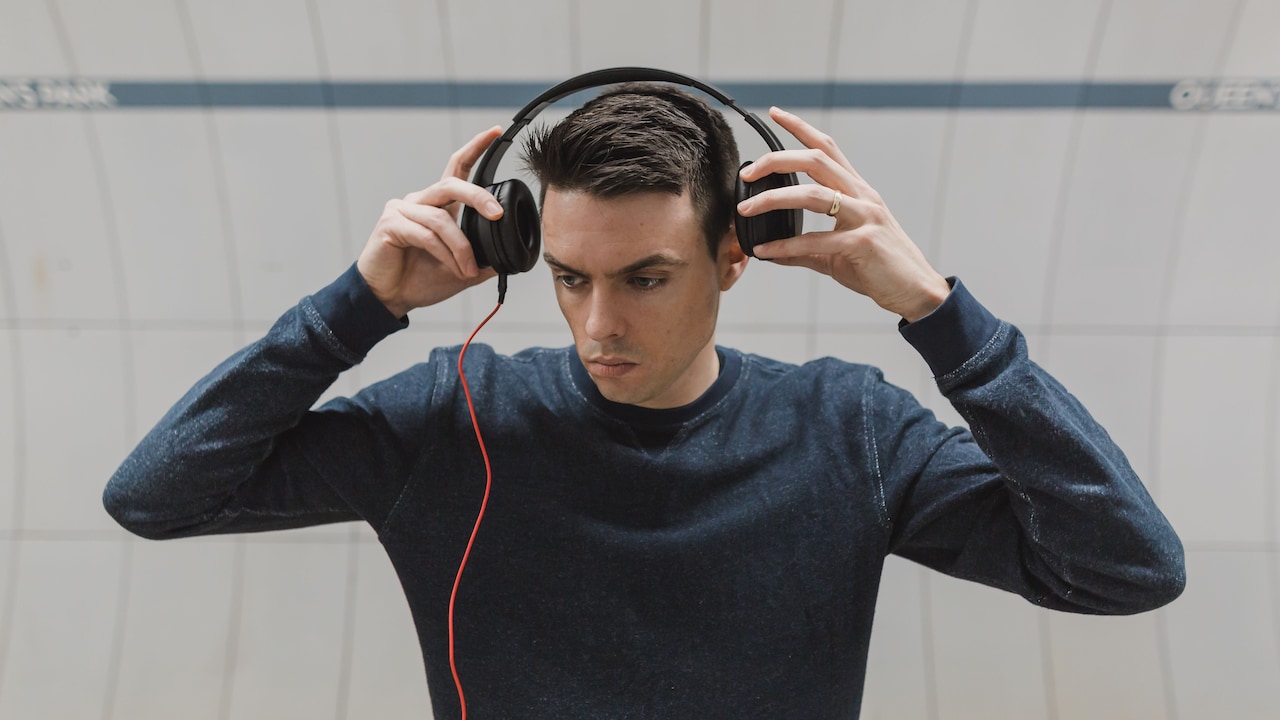
How To Reduce ANC Headphone Pressure: 10 Easy Fixes That Help
Active noise-cancelling headphones can feel almost magical. Put them on during a crowded Metro journey, switch on ANC, and the surrounding rumble suddenly retreats into the background. The office air conditioner becomes less irritating, traffic loses some of its roar, and even the steady hum of an aircraft cabin becomes easier to tolerate. For some listeners, though, the silence comes with an unwelcome companion: a strange pressure sensation. It may feel as though the ears need to “pop”, rather like they do during take-off. Others describe heaviness, fullness or mild discomfort that appears soon after ANC starts working. The headphones may fit perfectly well, yet something still feels slightly off. In many cases, this sensation does not come from actual pressure building inside the ear. ANC headphones use microphones and sound processing to counter low-frequency noise. Some people simply notice that effect more strongly than others. Physical clamping force, poorly positioned ear cups, heat and long listening sessions can add to the problem too. Fortunately, discomfort does not always mean ANC has to go. Before consigning an expensive pair of headphones to the cupboard, try these 10 fit, mode and usage checks.
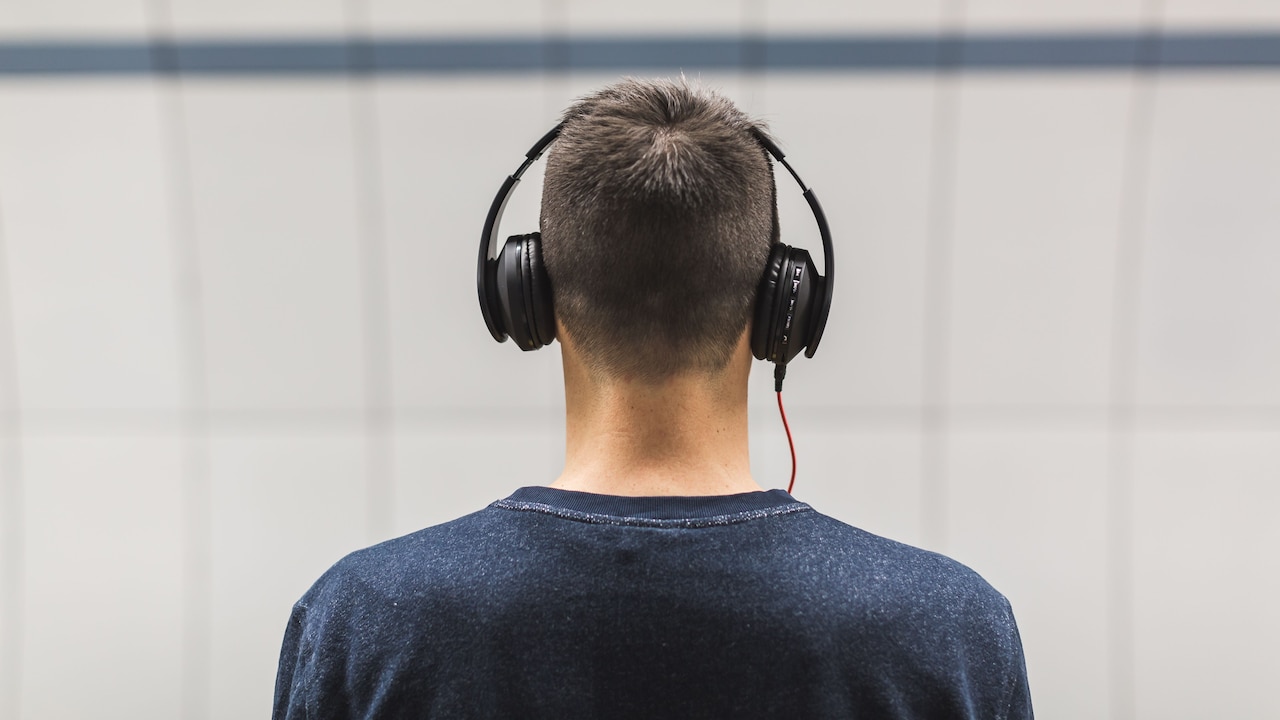
How To Reduce ANC Headphone Pressure: 10 Easy Fixes That Help; Photo Credit: Pexels
10 Ways To Reduce Pressure From ANC Headphones
1. Check The Headband Fit Before Blaming ANC
The first suspect is often the noise-cancelling technology, but sometimes the headband is doing most of the mischief. Over-ear headphones need enough clamping force to maintain a good seal. If that force becomes excessive, however, the sides of the head and the area around the ears can start feeling compressed.
Begin by adjusting the headband one step at a time rather than extending it dramatically. The ear cups should sit around the ears instead of pulling upwards or pressing heavily against the jaw. A surprisingly small adjustment can redistribute the pressure.
People wearing glasses should pay extra attention. Thick spectacle arms can become trapped between the cushion and the side of the head, creating a concentrated pressure point. After twenty minutes, that tiny squeeze can feel far more dramatic than it did initially.
New headphones may also feel firmer because the cushions and headband have not softened through regular use. Avoid aggressively stretching the headband, as that could damage it. Instead, focus on finding a comfortable position that keeps the headphones secure without creating a vice-like grip.
A good fit should feel reassuring, not like the headphones are determined to extract a confession.
Also Read: Top 5 Over-Ear Headphones For Focused Study Sessions Under ₹5,000
2. Reposition The Ear Cups Around Your Ears
Ear-cup placement looks almost too simple to matter, yet it can transform comfort.
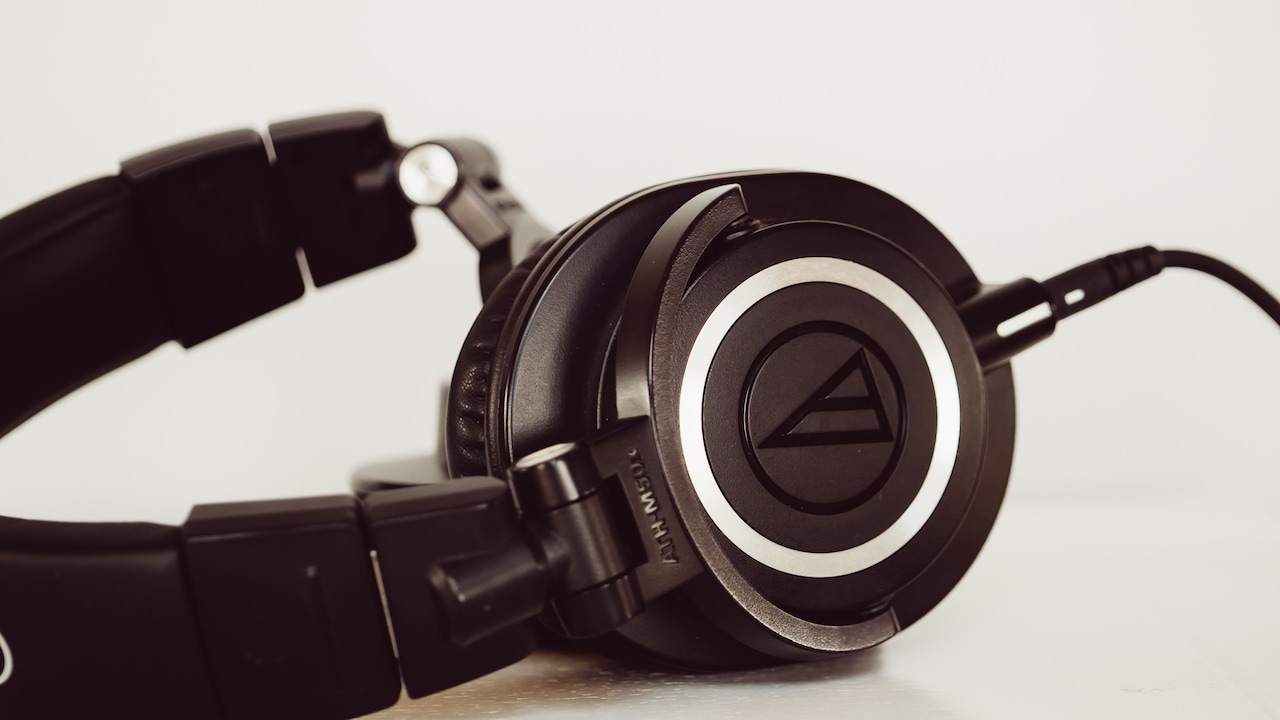
Over-ear headphones work best when the cushions surround the ears evenly. If part of an ear becomes trapped underneath a cushion, physical pressure builds quickly. The seal may also become uneven, which can change how the ANC system behaves.
After putting the headphones on, gently move each cup backwards, forwards, upwards and downwards until the ears sit naturally inside the openings. Do not assume the position where the headphones first land is the correct one.
This becomes especially important with smaller ear cups or thicker cushions. Some models leave limited room, and even a few millimetres of adjustment can stop the cushion pressing against the outer ear.
Hair can interfere with the seal too. Long or thick hair caught beneath the pads may create small gaps around the cups. The headphones then sit unevenly, and ANC performance may feel less natural.
Take five seconds to settle the cups properly before every long listening session. It sounds almost comically basic, but headphone comfort often comes down to these tiny physical details rather than complicated settings buried three menus deep in an app.
How To Reduce ANC Headphone Pressure: 10 Easy Fixes That Help; Photo Credit: Pexels
3. Lower The ANC Strength If Your Headphones Allow It
Maximum noise cancellation sounds like the obvious setting. After all, if a pair of headphones offers powerful ANC, why not use every bit of it?
Because your ears may prefer something gentler.
Many modern headphones offer adjustable noise-cancellation levels through their companion apps or physical controls. Instead of jumping straight to the strongest setting, try a medium level and compare how your ears feel after ten or fifteen minutes.
Strong ANC is particularly noticeable in places filled with low-frequency sound, such as buses, aircraft and rooms with humming air conditioners. Those are exactly the environments where the technology works brilliantly, but they can also make the pressure-like sensation more noticeable for sensitive listeners.
A lower setting may still remove enough background rumble to make music, podcasts and calls comfortable without producing the same feeling of fullness.
There is no prize for keeping ANC at 100 per cent.
Think of it like air conditioning during a humid summer afternoon. Setting the temperature to the lowest possible number does not automatically make the room more comfortable. Sometimes the sensible middle setting feels better.
Experiment until the balance between quietness and comfort feels natural rather than impressively silent.
4. Compare ANC With Transparency And Normal Modes
When discomfort appears, perform a simple comparison.
Listen with ANC enabled for a few minutes, then switch to transparency or ambient mode. After that, turn both features off and use the headphones in their normal listening mode, if the model supports it.
Notice what changes.
If the pressure sensation disappears almost immediately when ANC switches off, the noise-cancelling processing may be contributing to the feeling. If the discomfort remains unchanged, the culprit could instead be clamping force, ear-pad positioning, heat or simply the weight of the headphones.
Transparency mode can be particularly useful when full isolation feels unnatural. It allows outside sound to enter through the microphones, which can make the listening experience feel more open. This works well in an office, at home or while waiting at a railway station where complete isolation is unnecessary anyway.
Different situations deserve different modes. Powerful ANC makes sense beside a noisy aircraft engine. It may be excessive while quietly reading on the sofa.
Switching modes according to the environment can reduce discomfort and conserve battery life at the same time. That is a rare technology compromise where almost everybody wins.
5. Take Short Breaks During Long Listening Sessions
Comfort can change gradually. Headphones that feel perfectly pleasant during the first fifteen minutes may become tiring after two hours. The cushions grow warmer, the headband continues pressing against the same areas, and prolonged isolation can make the ANC sensation more noticeable.
Regular breaks help reset that experience.
After roughly an hour of continuous listening, remove the headphones for a few minutes whenever practical. Let the ears cool down, move the jaw, stretch the neck and give the skin around the cushions a chance to breathe.
This becomes particularly useful during long workdays. It is easy to join a morning video meeting, continue listening to music, move into another meeting and suddenly realise the headphones have remained on since breakfast.
Breaks do not need to become an elaborate wellness ceremony involving herbal tea and a sunrise-facing balcony. Simply removing the headphones while getting water or walking across the room can help.
Long listening sessions can also encourage volume creep. As concentration fades, listeners sometimes increase the volume without noticing. Brief pauses create an opportunity to reset both comfort and listening level.
ANC headphones should make long journeys and work sessions easier, not become another endurance test.
How To Reduce ANC Headphone Pressure: 10 Easy Fixes That Help; Photo Credit: Pexels
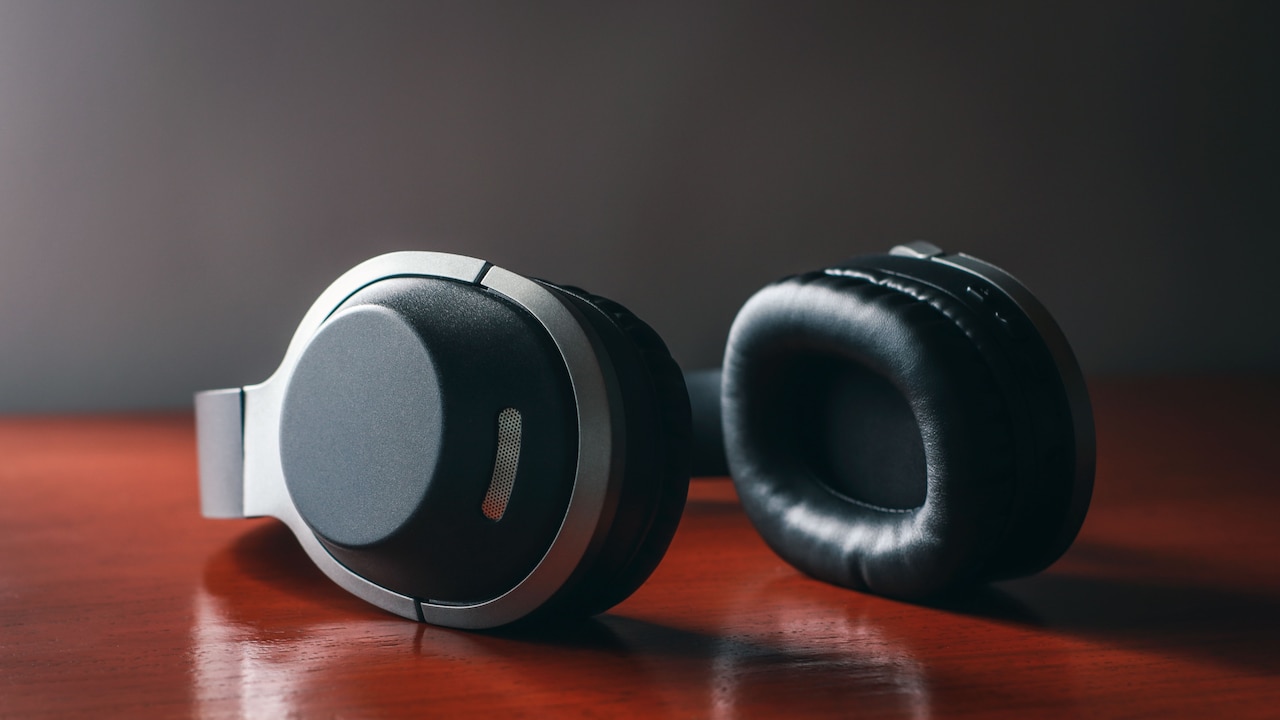
6. Check Whether The Ear Pads Are Worn, Hot Or Too Firm
Ear pads do much more than provide a soft-looking border around the speakers.
They determine how evenly headphones distribute pressure, how effectively they seal against the head and how much heat builds around the ears. When cushions wear out, flatten or harden, comfort can decline surprisingly quickly.
Inspect the pads closely. If one side looks noticeably flatter than the other, the headphones may sit unevenly. Cracked or compressed cushions can also create pressure points that were not present when the headphones were new.
Heat matters too. Warm weather combined with synthetic leather pads can turn a comfortable listening session into a sweaty affair. As moisture builds, the cushions may feel sticky and tighter against the skin.
If replacement pads are available for the model, fresh cushions can sometimes make ageing headphones feel dramatically better. Prices vary widely, so check compatibility carefully before spending ₹1,000 or more on replacements.
Changing pad materials can alter sound quality and ANC performance, though, because the seal affects acoustics. Random third-party cushions may feel softer yet weaken bass or noise cancellation.
Comfort upgrades work best when the replacement closely matches the dimensions and design of the original pads.
7. Update The Headphones And Companion App
Headphone comfort sounds like a hardware issue, but software can occasionally influence the experience.
ANC headphones rely heavily on digital processing. Manufacturers sometimes adjust noise-cancellation behaviour, microphone performance, adaptive modes and stability through firmware updates. If a pair behaves strangely or produces an unusually strong ANC sensation, checking for an update is worthwhile.
Open the official companion app and confirm that both the app and headphone firmware are current. Updates may also fix glitches where ANC intensity changes unexpectedly or mode switching behaves incorrectly.
After updating, restart the headphones before testing them again.
Some apps include features such as adaptive sound control, personalised noise cancellation or automatic environment detection. These can be useful, but they also make troubleshooting harder because the headphones may change behaviour without an obvious manual command.
Temporarily disable automatic features and test one fixed ANC setting. That creates a cleaner comparison.
Technology sometimes tries so hard to be clever that it becomes difficult to tell what it is doing. Returning to simple settings helps identify whether the discomfort comes from the ANC level itself or an automatic mode constantly adjusting in the background.
Once the comfortable setting is clear, additional features can be reintroduced gradually.
8. Test ANC In Different Environments
ANC does not feel identical everywhere because the background noise itself changes.
Try the headphones in a quiet room, beside a fan, during a commute and perhaps in a busy café. If the pressure sensation appears only in certain places, environmental sound may be playing a major role.
Active noise cancellation excels at steady low-frequency noise. Bus engines, aircraft cabin rumble, air conditioners and generators give the system plenty to work with. In these situations, the contrast created by ANC can feel much stronger than it does in a quiet bedroom.
Meanwhile, unpredictable sounds such as conversations, clattering utensils and vehicle horns are harder to cancel completely. The result may feel less sealed or intense.
Testing different locations also helps separate physical discomfort from ANC sensitivity. If the headphones feel uncomfortable even when switched off in a silent room, fit deserves more attention. If everything feels fine until ANC activates during a noisy journey, lowering cancellation strength may be more useful.
Avoid judging a pair of headphones from a five-minute shop demo alone. Retail environments are chaotic and unfamiliar.
Real-world comfort becomes clearer after trying the headphones in the places where they will actually spend most of their working life.
9. Keep Listening Volume At A Comfortable Level
ANC pressure and listening volume are separate issues, but together they can create a tiring experience.
One major benefit of noise cancellation is that music does not need to compete with as much external noise. That means lower playback levels can still sound clear during a commute or flight.
Take advantage of that.
If the volume remains unnecessarily high while strong ANC is active, the overall listening experience can feel intense even when the headphones physically fit well. Try lowering the level by several steps and listen for a few minutes before deciding whether it feels better.
Speech-heavy content such as podcasts often remains perfectly understandable at modest volume once engine and traffic rumble have been reduced.
Avoid using volume to compensate for an imperfect seal. If music sounds thin unless it is turned up, first check the ear-cup position and cushions. Poor placement can reduce bass and encourage louder listening.
A quieter background should make listening easier, not provide permission to turn every playlist into a private wedding DJ set.
Comfort involves more than removing pressure from the sides of the head. A balanced listening level reduces fatigue and helps make long sessions feel calmer, which is exactly what good ANC should achieve.
10. Know When To Stop Using ANC And Investigate Further
Sometimes experimentation solves the problem. Sometimes the ears continue objecting no matter how carefully the headphones are adjusted.
Persistent pain deserves attention.
If the sensation becomes painful, causes dizziness, produces unusual ringing or continues after the headphones have been removed, stop using ANC and give the ears a break. Headphones should not require somebody to “push through” significant discomfort simply because the feature cost extra.
Try the headphones without ANC on another occasion. If discomfort remains, the physical fit may simply be unsuitable. Head shapes and ear sizes vary, and a highly rated pair can still feel terrible on a particular person.
If symptoms are recurring, severe or unrelated to a specific pair of headphones, consider discussing them with an appropriate healthcare professional. Ear fullness can have causes that have nothing to do with audio technology, so blaming the headphones automatically may hide a separate issue.
Returns and exchanges are also worth considering when available. A different model with lighter clamping force, deeper ear cups or gentler ANC may suit better.
Comfort is not a minor specification. The finest sound quality becomes remarkably unimportant when somebody cannot wait to take the headphones off.
Products Related To This Article
1. Noise Newly Launched Airwave Max XR Wireless Over-Ear Headphones
2. boAt Rockerz 480, RGB LEDs,6 Light Modes
3. Zebronics Thunder (2026 Upgrade) Wireless Headphones
4. Noise Master Buds Max, Sound by Bose Wireless Over-Ear Headphones
5. PunnkFunnk BeatXtra Wireless Stereo Bluetooth Headphones V5.3
6. Portronics Muffs M2 Bluetooth Headphones On Ear with Up to 40 Hrs Playtime
7. JBL Tune 770NC Wireless Over Ear Headphones with Adaptive Noise Cancellation
The pressure-like sensation associated with ANC headphones can be frustrating, particularly when the whole point of buying them was to create a calmer listening experience. Fortunately, the solution may be simpler than abandoning noise cancellation altogether.
Start with the physical basics. Adjust the headband, reposition the cups and check the condition of the ear pads. Then experiment with lower ANC strength, transparency mode and normal listening. Software settings, environment, listening volume and session length all deserve attention too.
Most importantly, treat comfort as part of headphone performance rather than an optional bonus. A pair that wins every specification contest but leaves the ears aching after half an hour is hardly doing its job.
Good ANC should fade into the background along with the noise it is cancelling. Once the fit and settings feel right, the technology should become something barely noticed: quieter travel, calmer work sessions and fewer arguments with the neighbour's enthusiastic drilling machine. That is the sweet spot. Less noise, less pressure and much more enjoyable listening.
(Disclaimer: This article may include references to or features of products and services made available through affiliate marketing campaigns. NDTV Convergence Limited (“NDTV”) strives to maintain editorial independence while participating in such campaigns. NDTV does not assume responsibility for the performance or claims of any featured products or services.)