10 Everyday Habits That Make Electric Toothbrush Heads Lose Cleaning Performance Faster
Electric toothbrush heads can lose their cleaning edge long before they look completely worn. From pressing too hard to poor storage, these everyday habits can weaken bristles, reduce movement and make every brushing session less effective.
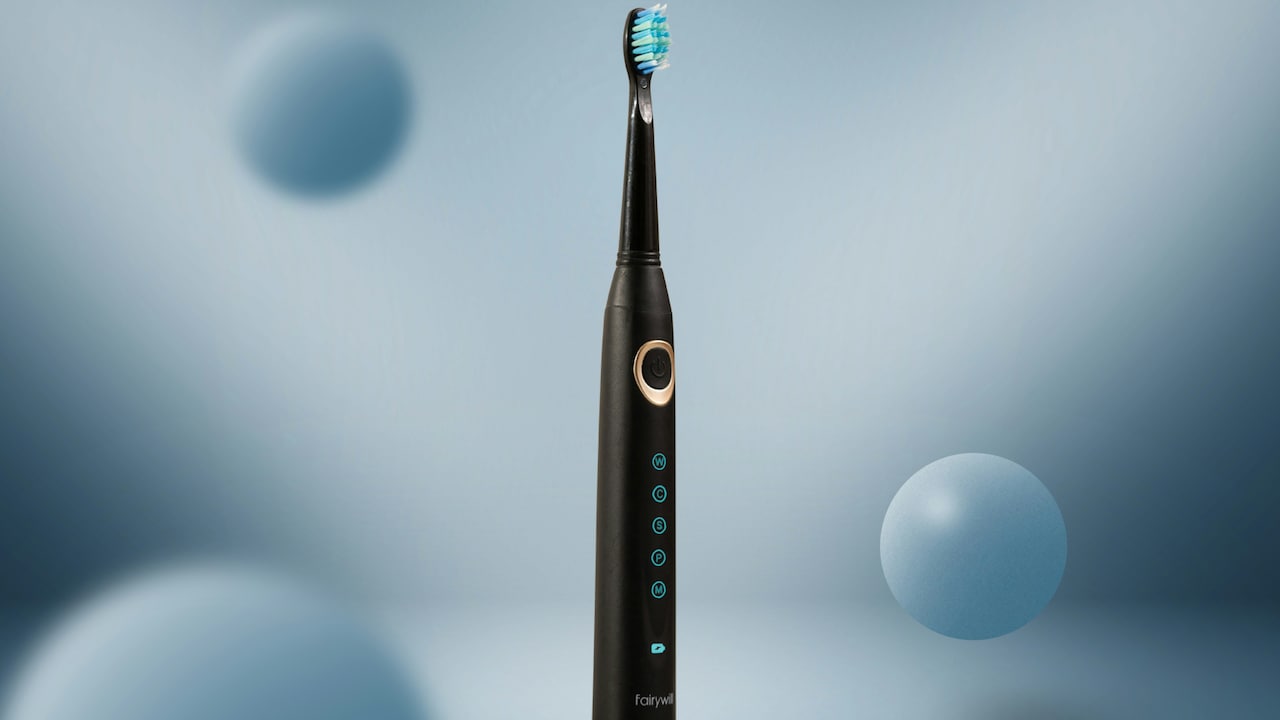
10 Habits That Make Electric Toothbrush Heads Wear Out Faster
An electric toothbrush head rarely wakes up one morning and decides it has had enough. Its decline tends to happen quietly. The bristles still move. The motor still buzzes. Toothpaste still foams convincingly. Yet something about the brushing experience no longer feels quite as thorough. That slow change makes toothbrush-head wear surprisingly easy to overlook. A head can appear perfectly usable while its bristles have already bent, softened or spread enough to clean less effectively. And while regular replacement remains important, everyday brushing habits can decide how quickly that deterioration happens. Some habits seem harmless. Adding extra pressure feels like it should scrub teeth better. Leaving the brush dripping inside a closed cap looks tidier. Using a little more toothpaste hardly seems capable of affecting anything. Over weeks, though, these small choices can change the condition of the bristles and even interfere with how freely the head moves. Before assuming every toothbrush head simply has a short lifespan, it is worth looking at what happens between replacements. These ten everyday habits could be quietly speeding up wear.
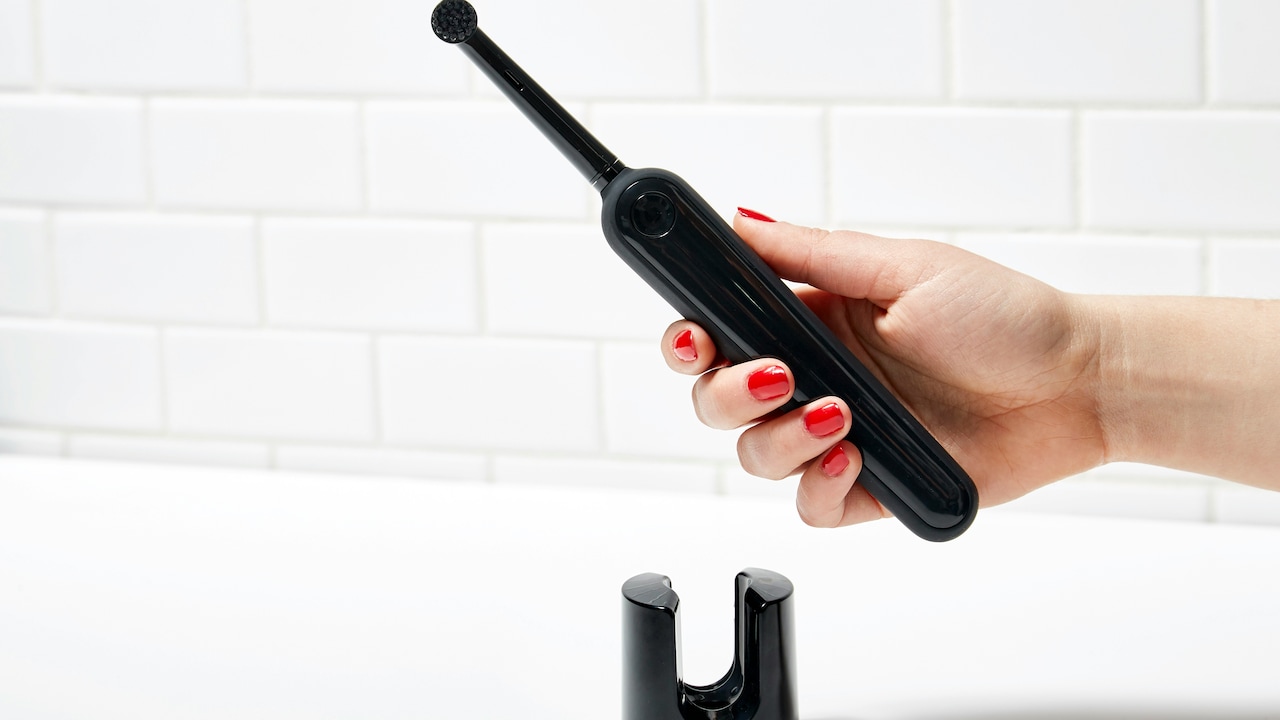
10 Habits That Make Electric Toothbrush Heads Wear Out Faster; Photo Credit: Pexels
Why Your Electric Toothbrush Head Wears Out Sooner Than Expected
1. Pressing Harder Because It Feels Like Better Cleaning
It is easy to bring manual-brushing logic to an electric toothbrush. Stubborn morning breath? Press harder. Had something sticky after dinner? Add a little extra force. The trouble is that an electric brush already supplies the movement needed for cleaning. Your hand mainly needs to guide it.
Repeated heavy pressure forces the bristles to bend sideways instead of meeting the tooth surface as intended. Over time, they can start splaying around the edges. Once this happens, the head may still vibrate or rotate normally, but its bristle tips no longer make contact as efficiently.
Pressure can creep in without you noticing too. Someone rushing through a 7 am routine may grip the handle tightly and practically push the brush across each tooth. Another person may press harder around areas that feel less smooth.
Many electric toothbrushes include pressure sensors for precisely this reason. If yours flashes, vibrates differently or slows when you push down, treat that warning as useful feedback rather than an obstacle. A lighter touch can protect both your brushing technique and the head itself.
Also Read: Electric Toothbrush or Manual, Which Brush Is Better For Your Teeth
2. Using The Head To Scrub Instead Of Guiding It
An electric toothbrush does not need the same back-and-forth scrubbing action as a traditional manual brush. Yet muscle memory is powerful. After years of brushing manually, it can feel completely natural to switch on an electric toothbrush and continue sawing away at the teeth.
That extra movement adds unnecessary mechanical stress to the bristles. They already flex rapidly as the powered mechanism moves them. Adding aggressive hand movement on top of that makes them bend, drag and twist more than necessary.
Think of an electric toothbrush as doing the repetitive work for you. Your job is to move it steadily from one area to another, allowing the head enough time to work against each tooth surface.
This becomes particularly important with small round brush heads. They are designed to work tooth by tooth, not sweep across half the mouth like a floor mop having a particularly energetic morning.
A slower, controlled technique can also make two minutes feel more purposeful. Instead of racing from left to right, divide the mouth into sections and guide the brush methodically. Less unnecessary scrubbing means less needless wear on the bristles.
3. Brushing For Much Longer Than Necessary
If two minutes is good, four minutes must be twice as good, right? Not necessarily.
Some people routinely keep brushing after the timer ends because their teeth do not quite feel “finished”. Others get distracted by their phone, stare into the mirror or mentally plan the day while the toothbrush continues buzzing. Those extra minutes might appear harmless, but they also mean extra cycles of movement for the brush head.
Every brushing session puts the bristles through repeated flexing and contact. Stretching a normal session well beyond the recommended duration adds more wear without automatically delivering proportionally better cleaning.
Long brushing sessions can become even harder on a head when they come with extra pressure. Four minutes of gently guiding the brush is one thing. Four minutes of forcefully polishing the same surfaces is quite another.
Use the built-in timer if your toothbrush has one. Many models divide brushing into short intervals to encourage even coverage. The aim should be thoroughness rather than endurance. Cleaning every section carefully for an appropriate amount of time generally makes more sense than turning brushing into a five-minute test of stamina.
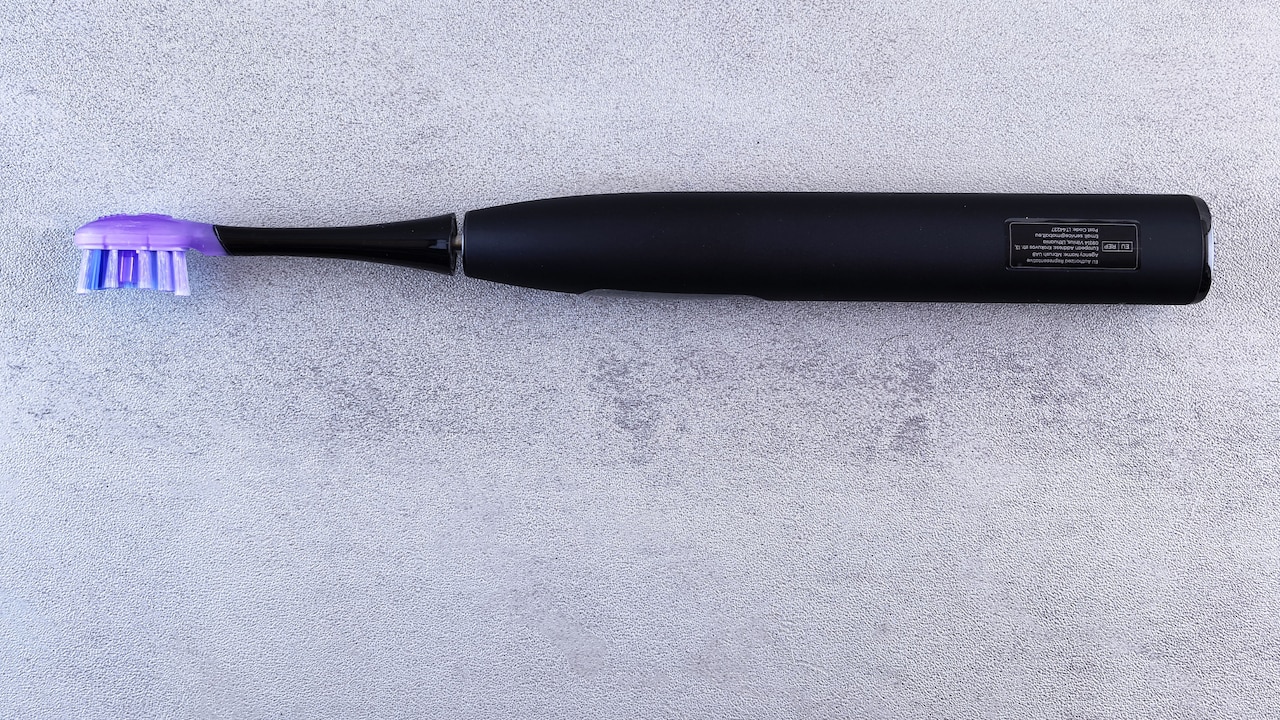
10 Habits That Make Electric Toothbrush Heads Wear Out Faster; Photo Credit: Pexels
4. Letting Toothpaste Dry Between The Bristles
Once brushing ends, it is tempting to give the brush a quick splash under the tap and put it away. Unfortunately, toothpaste can cling surprisingly well to the base of tightly packed bristles.
Leave small traces there repeatedly and they may dry into a chalky residue. Add saliva and tiny particles from brushing, and the spaces between bristles can gradually become harder to rinse clean. The head might then feel stiff or look untidy even though the outer bristles appear fairly normal.
Take a few seconds to rinse the head thoroughly after each use. Running water through the bristles while gently rotating the head with your fingers can help remove residue hiding near the base. There is no need to pull or aggressively rub the bristles.
Pay particular attention if you use a thick toothpaste that tends to cling to the brush. A hurried rinse may remove the visible foam while leaving plenty behind underneath.
Think of it as washing a tiny kitchen whisk. Rinsing only the outside does not help much when everything has collected in the middle. Keeping the bristle field clean helps the head stay flexible and ready for the next session.
5. Storing The Head While It Is Still Wet And Covered
Protective caps seem like the sensible place for a toothbrush head. They keep bathroom dust away and make the brush look neat on the counter. The problem starts when a dripping-wet head goes straight underneath an enclosed cover.
Moisture can remain trapped around the bristles rather than evaporating freely. A permanently damp head is also less pleasant to use and may develop residue or odour more quickly if it never gets a chance to dry properly.
After rinsing, shake off excess water and store the toothbrush upright somewhere with reasonable airflow. If you use a cover, especially while travelling, allow the head to dry first whenever practical. Ventilated caps can also make more sense than completely sealed ones for routine storage.
Bathroom storage deserves a little thought too. A toothbrush squeezed into a crowded mug beside several other wet brushes may spend hours touching neighbouring bristles. That is hardly ideal.
You do not need an elaborate storage station worthy of a laboratory. A clean, upright position with space around the head is enough. The goal is simply to let moisture escape rather than giving it permanent accommodation.
6. Biting Or Chewing The Bristles While Brushing
For some people, chewing a toothbrush is an unconscious habit. It happens while reading messages, staring into the mirror or waiting for the two-minute timer to finish. The electric brush pauses on one side of the mouth and the teeth instinctively clamp down.
Brush heads are built to clean teeth, not survive repeated chewing.
Biting compresses and bends the bristles in directions they were never meant to go. A few isolated incidents may not transform the head, but a daily chewing habit can leave sections flattened or uneven well before the rest of the bristles show much wear.
Children are especially famous for turning toothbrushes into chew toys, but adults are hardly immune. Stress, distraction and simply holding the brush between the teeth while doing something else can all contribute.
If one side of your brush head always looks considerably more battered than the other, pay attention to what happens during brushing. You may discover that you routinely bite down while changing grip or reaching for the toothpaste cap.
Keep the toothbrush moving and avoid parking it between the teeth. Your phone notifications can survive two minutes without attention. The bristles will probably appreciate the break too.
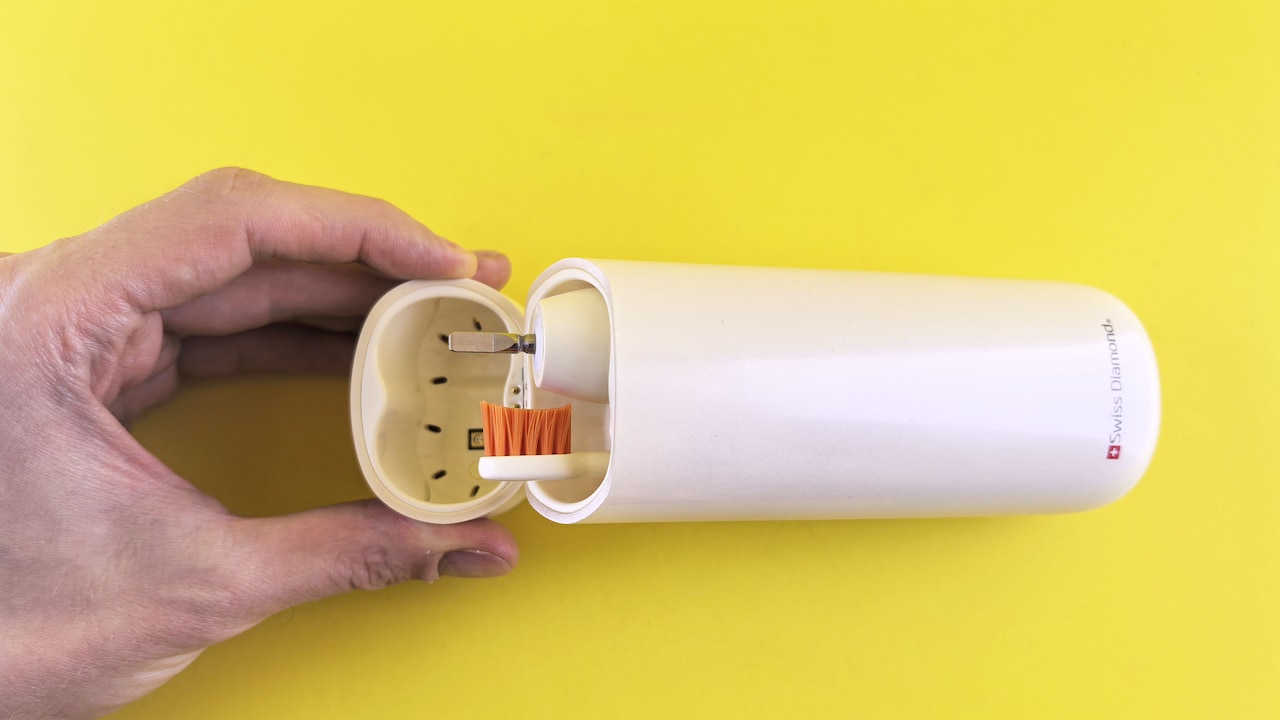
10 Habits That Make Electric Toothbrush Heads Wear Out Faster; Photo Credit: Pexels
7. Rinsing The Brush Head With Very Hot Water
Hot water feels like it should make everything cleaner. That instinct works wonderfully for some household jobs, but toothbrush bristles do not need a steaming bath after every use.
Most toothbrush bristles rely on synthetic materials designed to maintain a particular shape and flexibility during normal brushing. Repeated exposure to unnecessarily high temperatures can affect materials over time, especially when combined with daily bending and pressure.
Normal tap water is enough for routine rinsing. The aim is to wash away toothpaste, saliva and debris, not sterilise the brush head after every session.
This mistake often appears during deep-cleaning attempts. Someone notices a little residue near the bristle base and reaches for boiling or extremely hot water, assuming heat will restore the head. Unfortunately, a worn brush head cannot be rejuvenated like a stained steel spoon.
Avoid putting brush heads in boiling water, microwaves or dishwashers unless the manufacturer specifically states that a particular cleaning method is suitable. Those DIY “sanitising hacks” can create more problems than they solve.
Good everyday maintenance is far less dramatic: rinse well, shake off excess water and let the head dry. Sometimes the boring method really is the smarter one.
8. Sharing One Brush Head Between Different Users
Sharing the electric toothbrush handle within a household can be perfectly manageable when everyone has their own clearly identifiable head. Sharing the actual brush head, however, is a very different matter.
Apart from hygiene concerns, different people brush differently. One person may use light pressure while another treats plaque like paint that needs sanding off. Passing the same head between them exposes the bristles to different angles, forces and routines several times a day.
The usage adds up quickly too. A head designed around one person's twice-daily routine could suddenly experience four or six sessions every day when multiple people share it. Naturally, the bristles may reach the visibly worn stage sooner.
Many replacement heads come with coloured rings, symbols or other markers that make identification easier. If several people use the same electric toothbrush handle, assigning one head to each person keeps things simple.
And no, remembering which head belongs to whom does not have to become a morning family quiz. Store them separately or choose obvious markers.
One head per person protects hygiene and makes wear much easier to monitor. When bristles start deteriorating, you also know whose brushing habits may need adjusting.
9. Ignoring Bristles That Have Started Spreading Outwards
People often judge a toothbrush head by whether it still has bristles rather than by what those bristles look like. As long as nothing has fallen out and the motor still runs, the head gets another week. Then another. Soon the brush resembles a tiny palm tree.
Splayed bristles provide a useful clue that the head has experienced substantial wear. Once the outer bristles spread beyond their original profile, they may no longer contact tooth surfaces in the way the design intended.
Discolouration indicators can help on some brush heads, but visual inspection still matters. Look at the head from the top and the side. Are the bristles leaning dramatically? Have some shortened or twisted? Does the shape look noticeably wider than when the head was new?
Do not try to straighten worn bristles with your fingers. They will not magically regain their original structure.
Replacement schedules provide a useful general guide, but actual wear varies according to technique, frequency and the individual head. If the bristles look badly frayed earlier than expected, replacing the head may be sensible. It can also be a sign to reconsider how much pressure you use.
10. Waiting Until The Head Looks Completely Destroyed
Perhaps the biggest habit of all is assuming that a toothbrush head only needs replacing when it looks obviously unusable.
Cleaning performance can decline gradually, which makes the change hard to notice. You use the same head morning and night, so there is no dramatic before-and-after moment. Bristles bend little by little. Their tips wear. The original shape slowly disappears.
By the time a head looks spectacularly exhausted, with bristles pointing in every direction, it has probably been showing signs of wear for some time.
Many manufacturers and dental organisations commonly advise replacing toothbrushes or brush heads roughly every three months, although individual circumstances can make earlier replacement appropriate. Follow the instructions for your particular toothbrush, and pay attention to the condition of the bristles rather than treating the calendar as the only rule.
Illness, damage or unusually rapid wear may also affect when you decide to change a head.
A simple reminder can help. Note the replacement date on your phone or calendar, especially if three months somehow turns into six whenever life gets busy. Toothbrush heads are easy to forget precisely because they keep moving long after they have stopped looking their best.
Products Related To This Article
1. Oral-B Vitality Rechargeable Rotating Electric Toothbrush for Adults
2. Perfora PRO Oscillating Electric Toothbrush & Brush Head Combo
3. AGARO COSMIC LITE Sonic Electric Tooth Brush For Adults With 5 Modes
4. PORClean SweepElite Electric Toothbrush for Adults
5. Tusk Smart Electric Toothbrush with Magnetic Wall Mount
6. Caresmith SPARK Vibrasonic Electric Toothbrush for Men & Women
7. Colgate Proclinical 150 Charcoal Battery Powered Toothbrush
An electric toothbrush head does plenty of work in a very small space, twice a day, every day. Treating it gently can help it maintain its intended cleaning performance for longer. Heavy pressure, aggressive scrubbing, poor rinsing, damp storage and delayed replacement all speed up the journey from crisp bristles to a tired-looking head.
The good news is that protecting it requires no complicated routine. Guide rather than scrub, rinse thoroughly, let the head dry and keep an eye on changing bristle shape. When wear becomes obvious, replace the head instead of trying to squeeze another month out of it. A toothbrush may do the buzzing, but everyday habits still decide how well those bristles get to do their job.
(Disclaimer: This article may include references to or features of products and services made available through affiliate marketing campaigns. NDTV Convergence Limited (“NDTV”) strives to maintain editorial independence while participating in such campaigns. NDTV does not assume responsibility for the performance or claims of any featured products or services.)