10 Reasons Induction Cooktops Keep Switching Off Mid-Cooking And What To Check
An induction cooktop that switches off halfway through cooking isn’t always faulty. From overheating and unsuitable cookware to unstable power supply, here are 10 common causes worth checking.
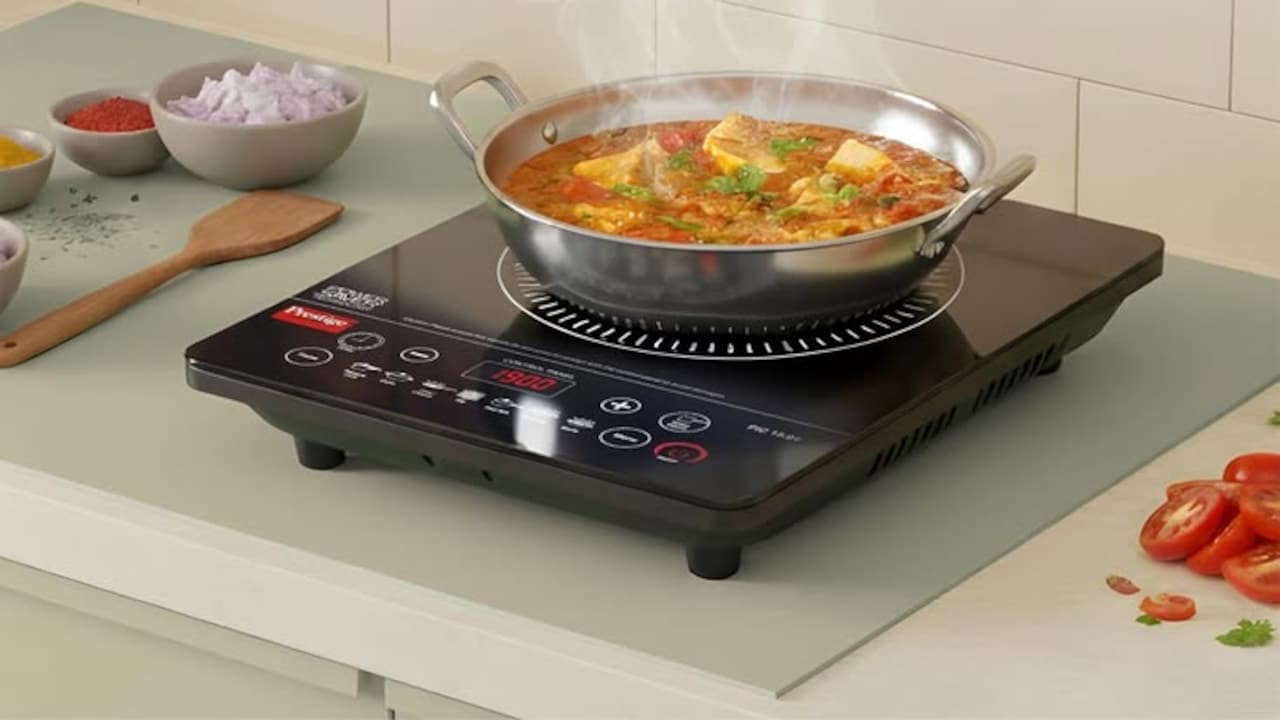
Induction Cooktop Turning Off While Cooking? 10 Problems To Check First
Few kitchen interruptions are quite as irritating as an induction cooktop giving up halfway through dinner. The dal has just started simmering, the pressure cooker needs another few minutes, or the milk is dangerously close to boiling when suddenly everything goes quiet. The display disappears, the heat stops and the inevitable question follows: what happened now? Fortunately, an induction cooktop switching off unexpectedly doesn't automatically mean that an expensive repair is coming. Modern induction units contain several protective systems designed to shut things down when they detect excess heat, unsuitable everyday use cookware, unstable electricity or unsafe operating conditions. Sometimes, the cooktop itself is simply following a timer setting that went unnoticed. The tricky part lies in identifying which of these possibilities caused the interruption. Resetting the appliance repeatedly without finding the underlying reason can turn a small inconvenience into an everyday frustration. Before assuming the electronics have failed, it helps to look at how the cooktop is being used, what sits underneath the pan and even what else is plugged into the same electrical circuit.
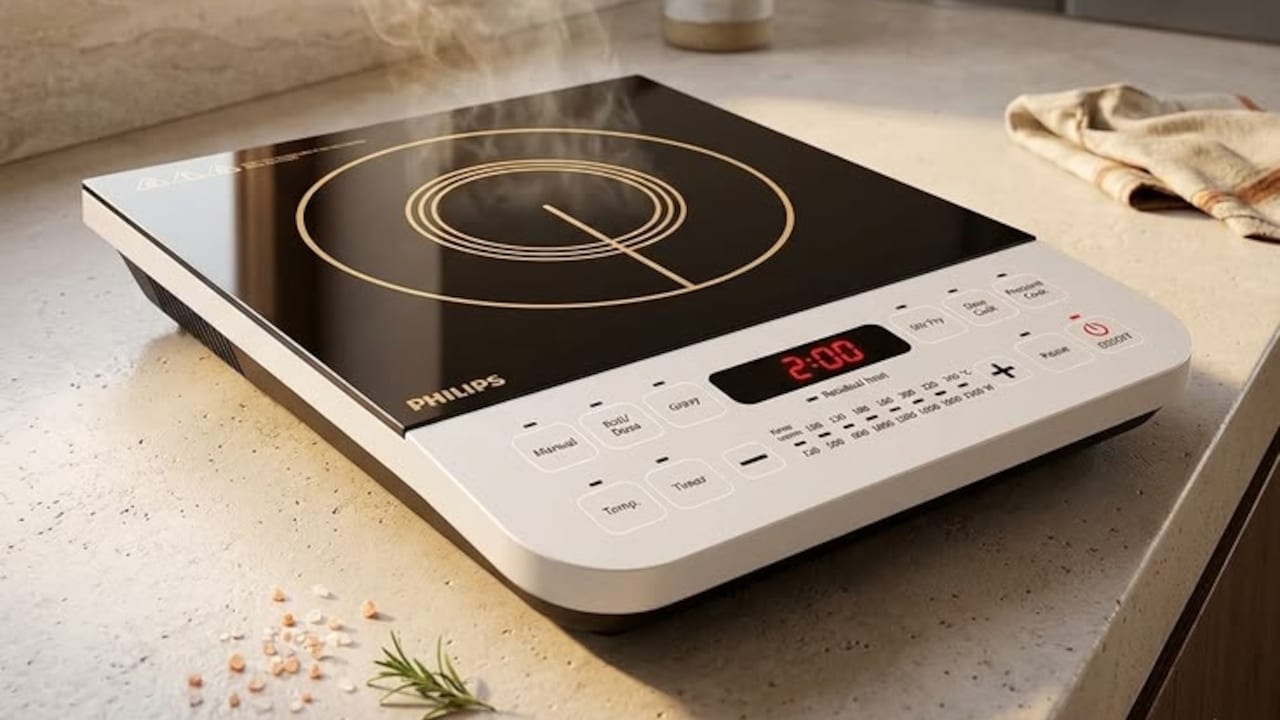
Induction Cooktop Turning Off While Cooking? 10 Problems To Check First; Photo Credit: Pexels
What Your Induction Cooktop May Be Trying To Tell You
1. The Cooktop Is Getting Too Hot
Induction cooktops work quickly, but all that power generates heat inside the appliance too. While the cooking surface may not become scorching hot in quite the same way as a traditional electric hob, the electronic components underneath still need proper cooling.
Most models contain temperature sensors that monitor internal heat. If temperatures climb beyond a safe level, the cooktop may reduce power or switch itself off altogether. This protective shutdown often happens during long cooking sessions, particularly when using high power continuously.
Poor ventilation can make the problem worse. An induction cooktop squeezed against a wall, placed over a cloth or used on a surface that blocks its air vents may struggle to release heat. Dust around ventilation openings can cause similar trouble.
Notice when the shutdown occurs. If the cooktop works normally again after cooling for several minutes, overheating becomes a strong possibility. Keep ventilation openings clear and avoid surrounding the unit with objects while cooking. Constantly restarting an overheated cooktop only makes its internal components work harder.
Also Read: Navratri Ready Kitchen: 5 Induction Cooktops With 4-Star+ Rating Under 5000
2. The Pan Isn't Sitting Correctly On The Cooking Zone
Induction cooking depends on a magnetic connection between the cooking zone and compatible cookware. Unlike a gas flame that continues burning regardless of where the pan sits, an induction cooktop constantly checks whether suitable cookware remains above its coil.
Move the pan too far away from the centre and some models may stop detecting it. The cooktop might beep first, flash a symbol or simply switch the cooking zone off after a short delay.
This problem often appears while stirring vigorously, tossing vegetables or shifting a kadai around while cooking. Large pans can create another issue. Their bases may look perfectly centred from above while the magnetic portion underneath sits partly outside the induction zone.
Place the cookware squarely over the marked cooking area and see whether the shutdown stops happening. Also check whether the base lies flat. A heavily warped pan may make inconsistent contact with the cooking surface.
The fix can sometimes be surprisingly simple: stop moving the pan around quite so enthusiastically. Induction cooking rewards slightly calmer cookware handling.
3. Your Cookware May Not Be Properly Induction-Compatible
A pan can look perfectly suitable for an induction cooktop yet still cause frustrating interruptions. Induction technology needs cookware with a magnetic base. Stainless steel, cast iron and certain specially designed cookware usually work well, but compatibility varies considerably.
Some pans contain only a thin magnetic layer underneath. Others have bases that have warped after years of heating and cooling. In these situations, the cooktop may initially recognise the pan and begin heating, then lose detection during cooking.
A simple magnet test can offer a clue. Place a refrigerator magnet against the bottom of the cookware. If it sticks firmly across most of the base, induction compatibility should generally be good. Weak attraction may indicate less reliable performance.
Pan size matters as well. Cookware significantly smaller than the induction coil may fall below the cooktop's detection threshold.
If one particular frying pan regularly causes shutdowns while another saucepan works perfectly, the cooktop may not be the problem at all. Testing a different compatible vessel can save a great deal of unnecessary troubleshooting.
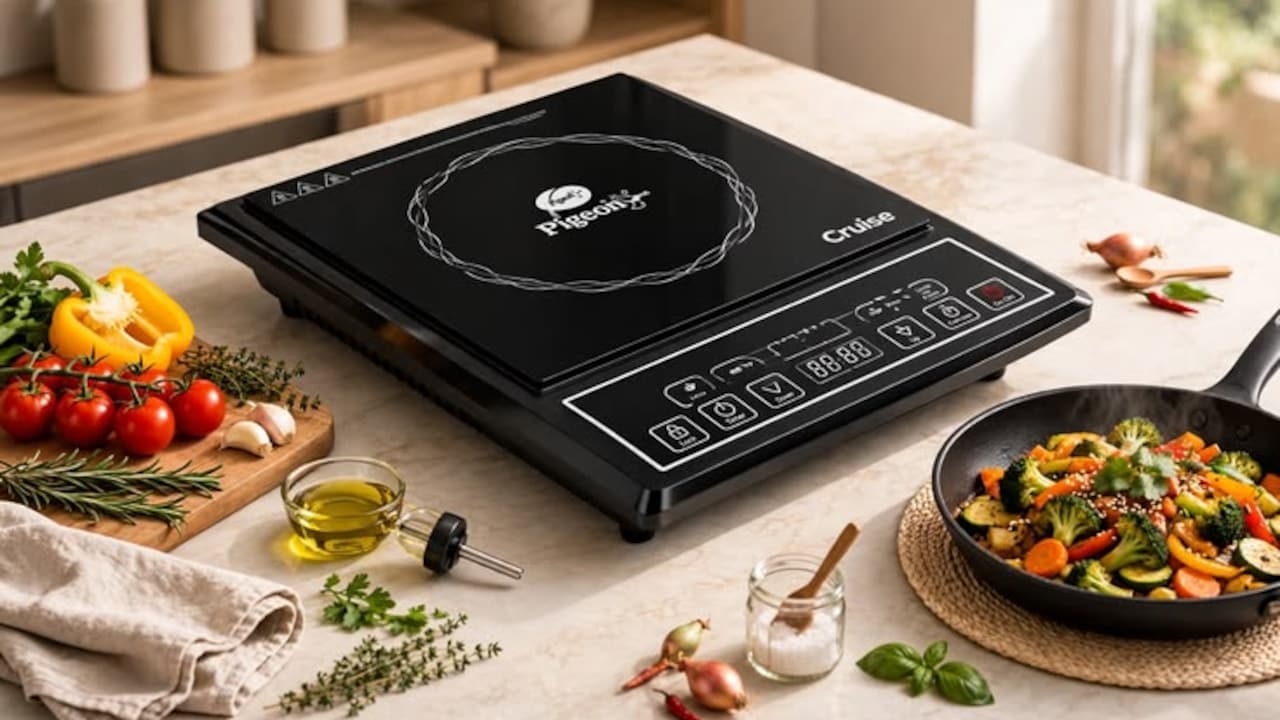
Induction Cooktop Turning Off While Cooking? 10 Problems To Check First; Photo Credit: Pexels
4. The Power Supply Is Fluctuating
Induction cooktops rely heavily on stable electricity. Their electronics constantly regulate large amounts of power, which makes them more sensitive to voltage fluctuations than many simpler kitchen appliances.
A sudden dip or surge can make the cooktop shut down to protect its internal circuitry. Sometimes the interruption lasts only a moment. Other times, the appliance remains off until the voltage stabilises and someone switches it back on.
Look for clues elsewhere in the home. Did the lights flicker at roughly the same time? Did another appliance restart? Does the induction cooktop behave normally during some parts of the day but become temperamental during periods of heavy electricity use?
Frequent fluctuations deserve attention, particularly if the cooktop displays voltage-related error codes. Avoid repeatedly restarting the appliance while the supply remains unstable.
Also check the electrical requirements listed by the manufacturer. Induction cooktops draw significant power, especially at their highest settings. A reliable supply isn't merely about keeping dinner on schedule. It also helps protect sensitive electronics from unnecessary electrical stress.
5. The Socket Or Plug Connection Is Loose
The cooktop itself may receive all the blame when the real trouble sits a few centimetres away in the wall socket.
Induction cooktops draw relatively high power, so a poor electrical connection can quickly become a problem. A loose plug, worn socket or damaged connection may interrupt electricity intermittently. The cooktop then switches off even though nothing appears wrong with its controls.
Never ignore a plug or socket that feels unusually warm, produces a burning smell, sparks or shows dark marks. Stop using the appliance and have the electrical connection checked by a qualified electrician.
Extension boards deserve particular caution. Many ordinary extension strips aren't designed for sustained loads from high-powered cooking appliances. Plugging the cooktop directly into an appropriately rated wall outlet usually gives a safer and more reliable connection, provided the manufacturer recommends it.
A shutdown that occurs whenever the plug moves slightly is another obvious warning sign.
Electrical connections aren't a good place for improvised fixes. A loose socket may look like a minor nuisance, but heat can build around a poor connection long before the damage becomes obvious.
6. The Automatic Timer Has Reached Its Limit
Not every mysterious shutdown involves a fault. Sometimes the cooktop is doing exactly what someone told it to do an hour earlier.
Many induction cooktops include cooking timers that automatically stop heating when the selected period ends. It is surprisingly easy to activate a timer accidentally while adjusting power levels, particularly on touch-control panels.
Some units also include maximum continuous operating times. If a cooking zone remains at one setting for an unusually long period without any control changes, the appliance may eventually shut down as a safety measure.
This behaviour often confuses people making dishes that need gentle, lengthy cooking. A pot may happily simmer for ages before the heat suddenly disappears.
Check the control panel for timer indicators before starting a long cooking session. The manual can also reveal whether particular heat settings have automatic operating limits.
If the cooktop consistently switches off after roughly the same amount of time, note the interval. Predictable timing often points towards an automatic function rather than random electrical failure.
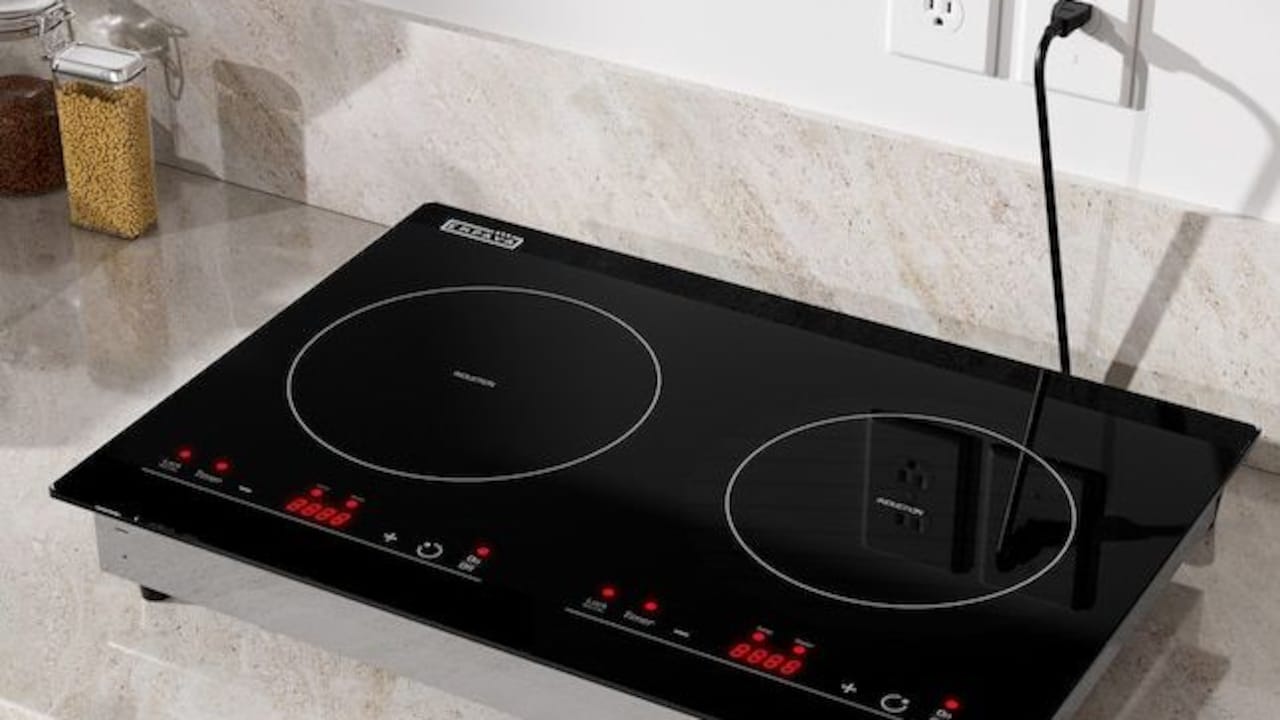
Induction Cooktop Turning Off While Cooking? 10 Problems To Check First; Photo Credit: Pexels
7. Liquid Or Grease Is Confusing The Touch Controls
Touch-sensitive induction panels look wonderfully sleek until a wet spoon, splash of curry or little puddle of water lands across the controls.
Many cooktops monitor their control area for prolonged contact. If liquid covers several sensors, the appliance may interpret it as multiple buttons being pressed simultaneously. To avoid unintended operation, some models sound an alarm and shut themselves down.
Boiling milk makes this especially memorable. It rises quietly, escapes the vessel, spreads across the cooktop and manages to interrupt cooking precisely when things already feel chaotic.
Wipe spills from the control area promptly with an appropriate cloth once it is safe to do so. Avoid placing wet utensils, kitchen towels or hot lids over touch buttons.
Moist fingers can occasionally make controls behave unpredictably as well, particularly on sensitive panels.
If shutdowns tend to happen after something boils over rather than during dry cooking, inspect the control surface before looking for more complicated faults. Sometimes the cooktop isn't broken. It simply dislikes being covered in dinner.
8. The Cooling Fan Or Ventilation System Isn't Working Properly
Many portable induction cooktops contain a cooling fan underneath or behind the unit. You can often hear it humming during cooking and sometimes for a short period after the heat stops.
That fan has an important job. It moves air around the electronics and helps prevent excessive internal temperatures. If dust blocks the airflow or the fan stops operating properly, heat may build rapidly enough to trigger an automatic shutdown.
Listen to the appliance during operation. A cooktop that previously produced a noticeable fan sound but has suddenly become unusually quiet deserves attention. Strange grinding or rattling noises can also suggest a struggling fan.
Keep external ventilation openings free from dust, grease and obstructions. Never dismantle the appliance unless its manufacturer specifically provides user-serviceable instructions.
Repeated overheating despite good external ventilation may point towards an internal cooling problem that needs professional inspection.
A working induction cooktop shouldn't need dramatic cooling rituals between every round of rotis. Frequent thermal shutdowns are worth investigating rather than treating as normal behaviour.
9. The Cooktop Is Sharing An Overloaded Electrical Circuit
The wall socket may appear perfectly fine, yet the electrical circuit behind it could still struggle.
Induction cooktops require considerable power. Problems can arise when several demanding appliances operate on the same circuit at once. A microwave, electric kettle, water heater or other high-wattage appliance running simultaneously may increase the electrical load substantially.
Depending on the installation, this can cause voltage drops, circuit protection to activate or unstable cooktop performance.
Pay attention to patterns. Perhaps the induction unit behaves perfectly until someone switches on another appliance. Maybe shutdowns happen mainly during breakfast when several kitchen appliances operate together.
Avoid changing electrical wiring or increasing circuit protection ratings as a DIY solution. Circuit breakers and wiring specifications exist for safety reasons. If overload appears likely, a qualified electrician can check whether the circuit and outlet match the cooktop's requirements.
The solution isn't always a more powerful appliance or bigger socket. Sometimes the electrical setup simply needs to distribute heavy loads more sensibly.
10. An Internal Sensor Or Electronic Component May Be Failing
After cookware, ventilation, timers, power supply and external connections have been ruled out, the problem may lie inside the cooktop.
Induction units rely on several electronic components, including temperature sensors, control boards, power modules and pan-detection systems. A malfunctioning sensor can mistakenly report overheating. A failing component may work when cold but become unstable as the cooktop warms up.
These faults can produce inconsistent behaviour. The appliance might run normally one day, switch off repeatedly the next or display an error code before stopping.
Write down any error code rather than clearing it immediately. The code can help identify which system detected the problem, and the appliance manual may explain its meaning.
Repeated shutdowns accompanied by unusual smells, smoke, loud electrical noises or visible damage require immediate attention. Unplug the appliance and arrange professional servicing.
Opening an induction cooktop at home isn't a sensible shortcut. Internal components can involve hazardous electrical voltages. Once straightforward external causes have been eliminated, trained servicing offers a much safer route.
Products Related To This Article
1. Hafele Magnechef Induction Cooktop |2100W High Power
2. CÜRAA IndiePro Induction Stove | 6kV Surge Protection
3. Pigeon by Stovekraft Cruise 1800 watt Induction Cooktop With Crystal Glass
4. Philips Viva Collection HD4928/01 Induction Cooktop
5. Borosil 2200W Smart Kook Infrared Induction
6. Cadlec CookEase 2000W Induction Cooktop | 8 Cooking Modes
7. Pigeon by Stovekraft Cruise 1800 watt Induction Cooktop With Crystal Glass
An induction cooktop switching off halfway through cooking can feel like a major appliance failure, but many causes are far less dramatic. Overheating, misplaced cookware, incompatible pans, timers, blocked vents and unstable electricity can all interrupt heating.
Start with the simple checks and look for patterns rather than repeatedly restarting the appliance. If shutdowns continue despite suitable cookware, good ventilation and a stable electrical connection, professional inspection makes sense. After all, dinner can survive a short delay. Electrical safety deserves considerably less improvisation.
(Disclaimer: This article may include references to or features of products and services made available through affiliate marketing campaigns. NDTV Convergence Limited (“NDTV”) strives to maintain editorial independence while participating in such campaigns. NDTV does not assume responsibility for the performance or claims of any featured products or services.)