10 Washing And Drying Mistakes That Make Cotton Apparel Lose Its Original Proportions
Cotton clothes can come out of the wash shorter, wider, twisted or oddly stretched. From hot water to harsh drying, these 10 laundry mistakes can quietly change their original fit and shape.
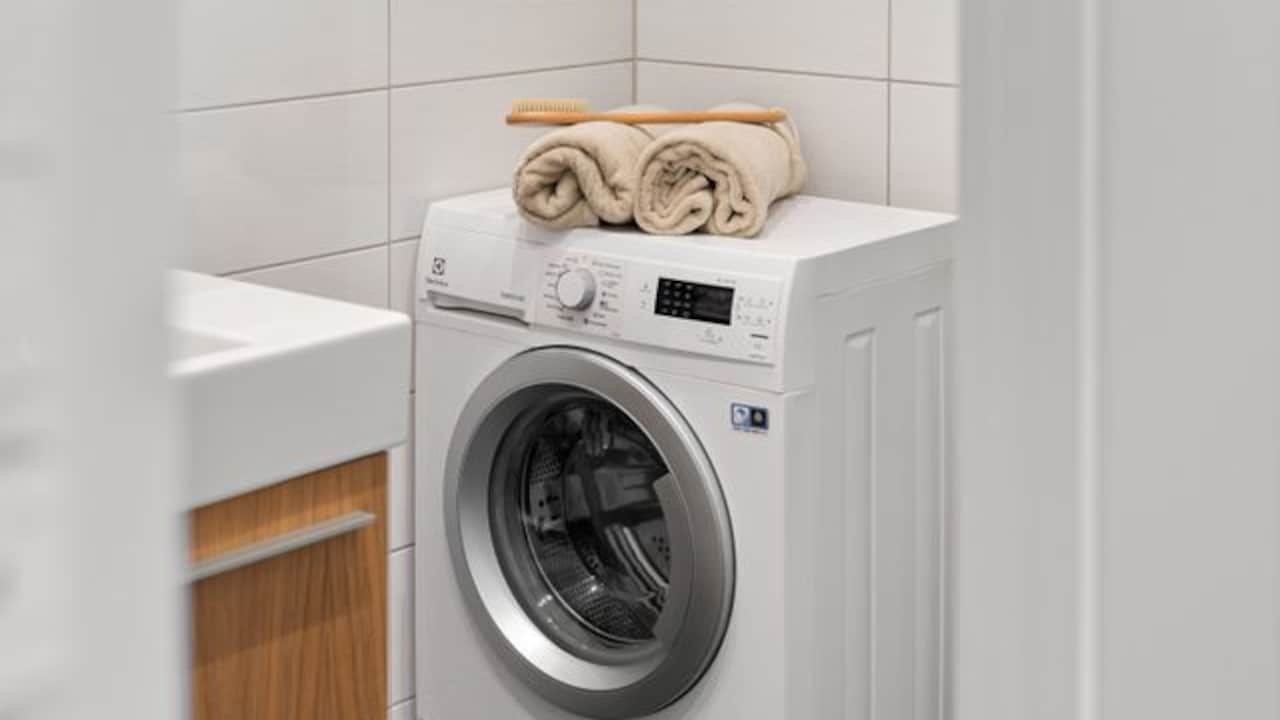
Common mistakes to avoid when washing and drying cotton clothes
Few wardrobe disappointments are quite as irritating as pulling a favourite cotton T-shirt from the laundry and wondering whether it somehow changed size overnight. The shoulders still seem right, but the hem now sits two inches higher. A kurta that once fell neatly suddenly looks wider through the middle. One sleeve appears shorter than the other. Then there is the classic mystery: a perfectly fitted cotton top goes into the wash and returns looking as though someone has quietly redesigned it.
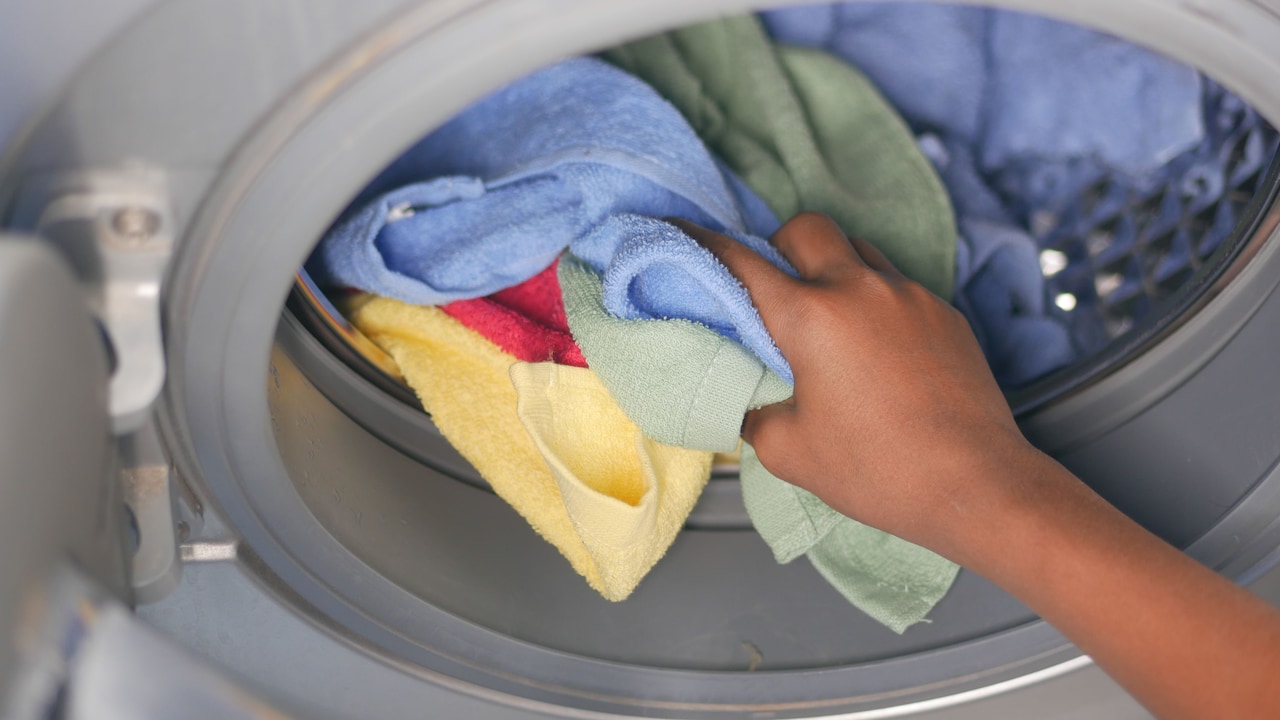
Common laundry mistakes that can affect how cotton garments fit
Photo Credit: Pexels
Cotton is comfortable, breathable and wonderfully wearable, but that doesn't make it completely resistant to laundry damage. Its fibres absorb moisture readily and react to heat, agitation, tension and drying methods. How a garment was knitted, woven, dyed and finished also affects how much movement happens after washing.
Also Read: 5 Best Front-Load Washing Machines With Wi-Fi, Steam Wash And More: Are They Worth It?
Some changes are unavoidable. Others come straight from everyday habits that seem harmless. Repeated over months, those habits can turn a well-proportioned garment into something shorter, wider, twisted or stretched in unexpected places. Understanding what happens inside the washing machine and on the drying rack can help cotton clothing hold its intended shape for much longer.
10 Laundry Habits That Quietly Distort The Fit Of Cotton Clothes
1. Washing Cotton In Water That Is Too Hot
Hot water feels reassuring when clothes seem particularly sweaty or grimy. Unfortunately, cotton fibres don't necessarily share that enthusiasm. Excessive heat can encourage fibres and yarns to contract, particularly when a garment hasn't been thoroughly pre-shrunk during manufacturing.
This doesn't always produce neat, predictable shrinkage either. Different sections of a garment may react differently depending on the fabric construction, stitching, ribbing and trims. The body of a T-shirt might shorten while its neckline behaves differently. Sleeves can pull upwards. A cotton shirt may suddenly feel snug through the chest while remaining almost unchanged elsewhere.
The trouble becomes more noticeable when high-temperature washing happens repeatedly. A tiny change after one wash can become an obvious proportion problem several washes later.
Unless the care label specifically recommends hotter water, a cool or moderate wash usually makes more sense for everyday cotton clothing. Clothes don't need a miniature boiling session every weekend to become clean. Modern detergents generally work effectively at lower temperatures, while gentler washing gives cotton fibres fewer reasons to contract dramatically.
2. Using An Aggressive Wash Cycle For Everyday Cotton Clothes
A heavy-duty cycle sounds impressively thorough. For a muddy bedsheet or heavily soiled cleaning cloth, it can certainly earn its keep. A cotton T-shirt, soft kurta or casual dress, however, rarely needs that level of mechanical enthusiasm.
Longer cycles and stronger agitation repeatedly pull, twist and rub fabric. Cotton fibres swell when wet, which makes the material more vulnerable to distortion during washing. Seams may shift slightly, knitted fabric can stretch in certain directions, and loosely structured garments can lose their original dimensions.
The damage often appears gradually. A T-shirt may develop a slightly twisted side seam. A soft cotton top can become wider around the lower half. Sleeves may stop hanging evenly. Nothing looks dramatically ruined, yet the entire garment somehow sits differently on the body.
Choosing a normal or gentle cycle based on the garment's construction reduces unnecessary stress. Lightweight cotton usually benefits from less aggressive movement than thick towels or sturdy household linen. Laundry doesn't become cleaner simply because the washing machine has thrown it around with maximum determination.
3. Overloading The Washing Machine
Stuffing the machine until one more sock would require engineering assistance may save a wash cycle, but it doesn't necessarily save clothes.
An overcrowded drum prevents garments from moving freely. Instead of circulating properly through water and detergent, clothes become compressed, tangled and dragged against one another. Cotton items can twist tightly around heavier garments, putting uneven tension on sleeves, necklines, waistbands and seams.
This becomes particularly troublesome when lightweight cotton clothing shares the load with jeans, towels or thick sweatshirts. A delicate cotton top can spend much of the cycle trapped underneath heavier fabric, stretching in one direction while being compressed in another.
Overloading can also affect rinsing. Detergent residue may remain in the fibres, leaving cotton feeling stiff and less flexible once dry.
Giving clothes enough room to tumble allows more even washing and reduces unnecessary pulling. There should generally be visible space inside the drum rather than one solid wall of fabric. It may feel inefficient to leave breathing room, but preserving the shape of several favourite garments beats saving one washing cycle.
4. Mixing Lightweight Cotton With Heavy Laundry
Not all cotton clothing needs identical treatment simply because the fibre content matches. A thin cotton T-shirt and a heavy cotton bath towel may come from the same broad fibre family, but they behave very differently inside a washing machine.
Heavy wet items gain considerable weight. As the drum turns, towels, denim and thick garments can press against lighter clothing or pull it along. Sleeves can become tangled. Neck openings may stretch. Fine jersey fabric can lose its even structure after repeated friction against rougher textiles.
Imagine washing a soft cotton tee beside several large towels. Once soaked, those towels become hefty. The T-shirt doesn't merely take a bath beside them; it spends the cycle being repeatedly rubbed, squeezed and dragged around.
Sorting by fabric weight therefore matters almost as much as sorting by colour. Lightweight cotton tops, innerwear, shirts and dresses usually fare better together. Heavy cotton trousers, towels and sturdy household fabrics can form another load.
It takes a little more organisation, but it helps clothing retain cleaner lines instead of slowly developing warped necklines, elongated hems and oddly stretched sections.
5. Leaving Wet Cotton Clothes Crumpled In The Machine
The wash finishes. The machine beeps. Then life happens. Tea needs making, a phone call runs long, work gets busy, and the laundry sits forgotten for another two hours.
Apart from developing that unmistakable damp-laundry smell, wet cotton can also settle into awkward shapes when left compressed for long periods. Because cotton absorbs plenty of water, the fabric becomes heavier and more flexible when soaked. Folds, twists and pressure points can remain pronounced as the garment sits bundled together.
Seams may remain twisted. Fabric can become heavily creased around sleeves and hems. If one part of a garment stays stretched beneath the weight of other wet clothes, it may dry with subtly altered proportions unless reshaped.
Removing cotton clothing reasonably soon after the wash helps. A quick shake before drying releases folds and allows seams to fall back into place. It also gives you an opportunity to gently reshape collars, cuffs, hems and shoulders before the fabric dries.
No elaborate laundry ritual is required. Simply avoiding the forgotten-washing-machine situation can make a noticeable difference to how cotton clothing keeps its original silhouette.
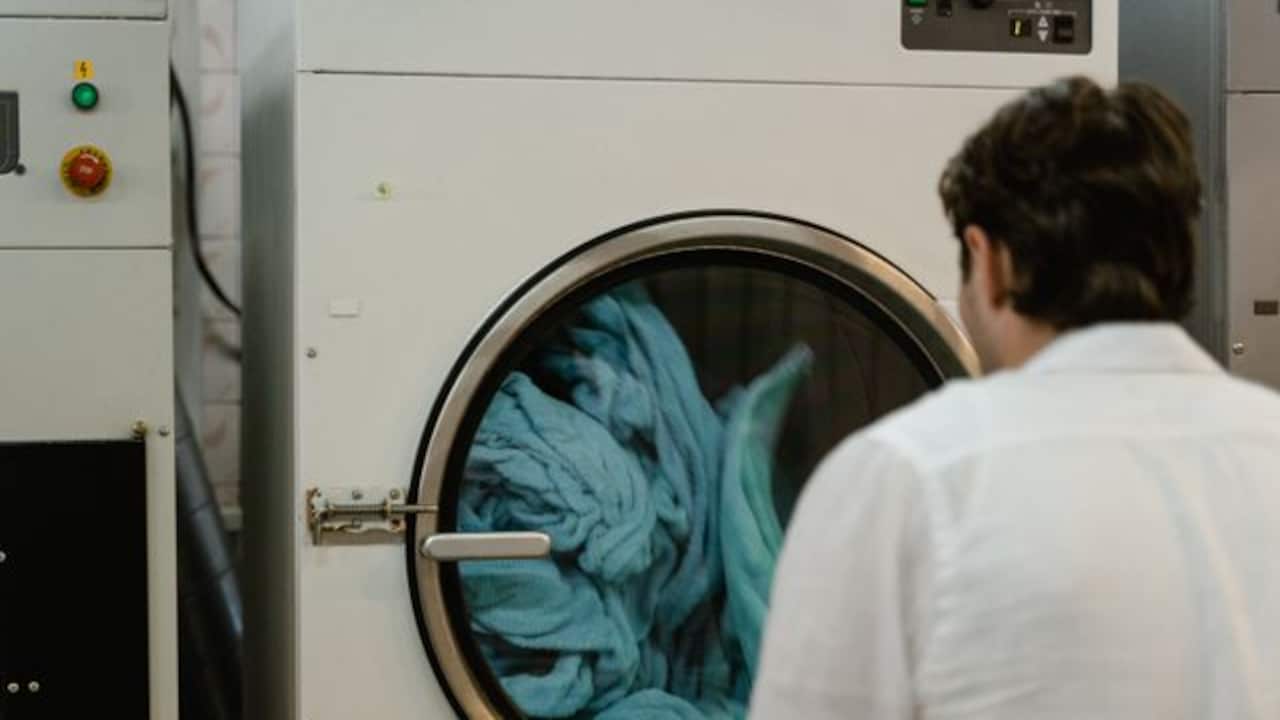
Leaving clothes in washing machine for too long can affect the fit of cotton clothes
Photo Credit: Pexels
6. Wringing Cotton Clothes Too Hard By Hand
Hand washing can seem like the gentler option, and often it is. The problem usually arrives at the final stage, when a soaking-wet garment needs drying and someone decides to twist it like a dishcloth.
Wet cotton fibres can stretch relatively easily. Aggressive wringing creates concentrated tension through the garment instead of distributing pressure evenly. Sleeves may lengthen, side seams can twist, and lightweight fabrics may become distorted around the waist or hem.
The effect gets worse with longer garments. Twisting a cotton dress or kurta from both ends can pull different sections in opposite directions. Once dried, the garment may no longer fall as evenly as before.
A gentler approach works better. Press excess water from the fabric without aggressively twisting it. For delicate cotton pieces, placing the garment between clean towels and pressing lightly can remove considerable moisture without subjecting seams to unnecessary strain.
The difference may appear small during one laundry session. Across dozens of washes, however, treating wet cotton gently can help prevent the gradual stretching and twisting that makes old favourites seem strangely misshapen.
7. Using High Heat In The Dryer
A tumble dryer can transform a pile of damp laundry into wearable clothing quickly, which explains the temptation to turn up the heat and get everything finished faster. Cotton, however, can respond to that shortcut by shrinking.
Heat encourages swollen cotton fibres to contract as moisture leaves them. High temperatures can intensify that process. A garment may become shorter overall, but once again, shrinkage isn't always perfectly even.
Ribbed cuffs can contract differently from jersey sleeves. A waistband may tighten more than the surrounding fabric. The length of a T-shirt might change enough to alter how it sits with trousers, even if the chest still fits comfortably.
Repeated high-heat drying can gradually exaggerate these differences. Clothes that seemed fine after the first few cycles may eventually appear noticeably shorter or tighter.
When machine drying is appropriate according to the care label, lower heat generally offers a safer compromise. Removing garments before they become excessively dry can also reduce prolonged heat exposure.
Fast drying certainly saves time. Having to retire a favourite cotton shirt because it now resembles the junior version of itself saves considerably less.
8. Hanging Heavy Wet Cotton From The Shoulders
Air drying avoids dryer heat, but the method still matters. Hanging a saturated cotton garment on an ordinary hanger can create an entirely different proportion problem: stretching.
Water adds significant weight to absorbent cotton. When a wet T-shirt, knitted cotton top or heavy dress hangs from two narrow shoulder points, gravity keeps pulling the fabric downwards. The shoulders can stretch, the body can lengthen, and unsightly hanger bumps may develop near the sleeve seams.
The effect becomes more pronounced with heavier fabrics and loosely knitted cotton. Longer garments face even more downward pull because additional wet fabric creates extra weight.
Some cotton shirts with structured woven fabric can tolerate hanger drying reasonably well, particularly after excess water has been removed. Softer garments may benefit from flat drying or more evenly supported drying methods.
Whatever method you use, reshape the garment first. Straighten the seams, smooth the hem and restore the neckline before leaving it to dry.
Air drying is gentle only when gravity isn't quietly redesigning the garment while everyone assumes the laundry is behaving itself.
9. Stretching Clothes While Pegging Them To The Line
Clotheslines seem wonderfully straightforward: place garment on line, add pegs, allow sunshine and airflow to handle the rest. Yet the way cotton gets positioned on the line can influence its final shape.
Pulling a wet T-shirt sideways to make it fit between pegs can stretch the hem. Suspending heavy trousers from the waistband may place considerable strain on damp fabric. Hanging a top from one corner can allow its own wet weight to pull the garment diagonally.
Cotton tends to remember some of these distortions as it dries, particularly after repeated treatment. Eventually, hems can look wider, shoulders can sit unevenly and garment lengths may change slightly.
Instead of pulling fabric tight, let garments rest naturally on the line. Position pegs where they create minimal strain and distribute weight evenly. A gentle shake beforehand helps release wrinkles without needing to stretch the item manually.
Strong direct sunlight can also contribute to colour fading, so extremely prolonged outdoor drying isn't always helpful.
A clothesline should support the garment rather than place it under tension. If the fabric looks stretched before it has even dried, that's usually a sign to reposition it.
10. Skipping Reshaping Before Clothes Dry
Perhaps the simplest mistake is also one of the easiest to fix. Cotton clothing often comes out of the washing machine looking slightly compressed, twisted or rumpled. Drying it exactly that way gives the fabric an opportunity to settle into those awkward proportions.
A few seconds of reshaping can help considerably. Hold the garment gently, shake it out and check whether the side seams sit straight. Smooth the collar. Align the sleeves. Bring the hem back into its natural position without aggressively pulling it.
This becomes especially useful for T-shirts, cotton kurtas, pyjamas and other relaxed garments that don't contain much internal structure. Wet fibres remain relatively flexible, so correcting the shape before drying can help the garment return closer to its intended dimensions.
Reshaping isn't the same as stretching. The goal isn't to tug a shrunken top into submission. It is simply to remove twists and uneven folds created during washing.
Think of it as giving clothes a quick reset before the fabric dries. Thirty seconds of attention can prevent many hours spent later wondering why one side of a perfectly ordinary T-shirt suddenly looks longer than the other.
Products Related To This Article
1. LG 8 Kg 5 Star Smart Inverter Technology Fully Automatic Top Load Washing Machine
2. VW Visio World 8.5 kg semiautomatic Top Load Washer
3. Whirlpool 10 Kg 5 Star MAGIC CLEAN BW PRO Heater Fully Automatic Top Load Washing Machine
4. Haier Smart Choice 6 kg 5 Star Oceanus Wave Drum Washing Machine
5. Godrej 7 Kg 5 Star, AI Powered, Fabrisafe Steel Drum
6. LG 8 Kg, 5 Star, Wi-Fi, Direct Drive Technology, Steam Wash
7. Samsung 7 kg, 5 Star, Eco Bubble Technology, Digital Inverter Motor
8. Whirlpool 7 kg Magic Clean 5 Star Fully Automatic Top Load Washing Machine
Cotton clothing rarely loses its shape because of one dramatic laundry disaster. More often, proportions change through small habits repeated over time: hotter washes, overloaded machines, rough wringing, heavy tumble drying or careless hanging.
The good news is that cotton doesn't require complicated care. Cooler washing, sensible sorting, moderate agitation and thoughtful drying can make a noticeable difference. Check care labels, treat wet fabric gently and reshape garments before they dry. Those simple changes won't keep every T-shirt looking brand new forever, but they can help favourite cotton pieces stay much closer to the fit that made them favourites in the first place.
(Disclaimer: This article may include references to or features of products and services made available through affiliate marketing campaigns. NDTV Convergence Limited (“NDTV”) strives to maintain editorial independence while participating in such campaigns. NDTV does not assume responsibility for the performance or claims of any featured products or services.)