10 Trimming Mistakes That Make Longer Beard Hair Snag, Bend Or Get Yanked
Long beard hair shouldn’t feel like it’s being pulled out during every trim. From blunt blades to rushed passes, these common trimming mistakes can make longer strands snag, fold and tug instead of cutting cleanly.
Why Beard Trimmers Pull Longer Hair: 10 Common Trimming Mistakes
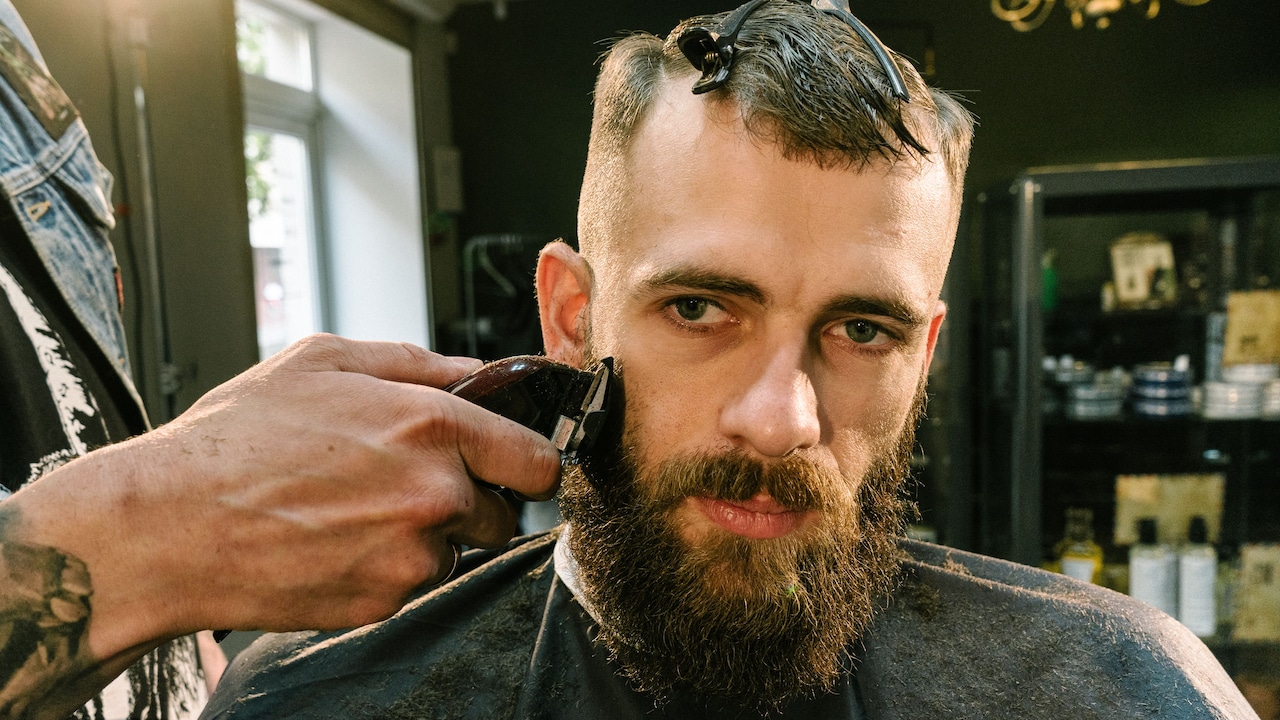
A beard trimmer should cut hair, not start a wrestling match with it. Yet anyone who has grown a beard beyond the short-stubble stage may recognise that unpleasant little jolt when the trimmer catches a strand, bends it sideways and then gives it a sharp yank. One moment everything is going smoothly; the next, your eyes are watering over three unfortunate beard hairs. Longer facial hair behaves quite differently from stubble. It bends, curls, overlaps, and moves away from the cutting blade. Some strands lie neatly against the face while others seem determined to grow in their own direction. That means a technique that worked perfectly with a three-day beard may become frustrating once the beard gains length. The trimmer itself isn't always the problem either. Blade condition, beard preparation, attachment choice, and even the direction in which you move the device can turn an easy grooming session into an uncomfortable one. Before assuming your trimmer has given up on life, check whether one of these ten trimming mistakes is causing those longer hairs to snag, bend, or get painfully pulled.

Why Beard Trimmers Pull Longer Hair: 10 Common Trimming Mistakes; Photo Credit: Pexels
Why Longer Beard Hair Starts Fighting Back During A Trim
1. Trimming A Beard Before It Is Fully Dry
A slightly damp beard can look harmless, but moisture changes the way longer hair behaves. Wet strands tend to clump together and lie flatter against one another. Instead of entering the trimmer teeth individually, several hairs may reach the blade at once.
That creates resistance. The blade may cut some strands while pushing or bending others, producing the familiar tugging sensation.
This often happens after a shower when the beard feels almost dry but still holds moisture underneath. Thick facial hair can remain damp near the skin long after the outer layer seems ready.
Unless your trimmer specifically recommends wet trimming, give the beard enough time to dry completely. Running a wide-tooth comb through it can help separate the strands and expose damp patches.
Dry hair also gives you a more realistic idea of your beard's natural length. Wet strands stretch and sit differently, which can make trimming uneven.
Those extra few minutes of drying may feel inconvenient when you're rushing through a morning routine, but they're considerably better than repeatedly stopping because the trimmer has captured another innocent beard hair.
Also Read: From Stubble To Clean Shave: Top 5 Trimmers That Do Both Under ₹2,100
2. Running The Trimmer Through Tangled Hair
Longer beards collect knots surprisingly easily. A few curled strands can wrap around neighbouring hairs overnight, while friction from pillows, helmets, scarves or shirt collars makes matters worse.
Taking a trimmer straight into those tangles is asking the blades to perform two jobs simultaneously: detangle the beard and cut it. Trimmers aren't particularly good at the first one.
When a knotted section reaches the attachment comb, the teeth may catch the tangled hair instead of guiding it towards the blade. The trimmer then pulls the knot forward until individual strands bend, stretch or finally snap.
Comb the beard before trimming, working from the ends towards the roots rather than dragging a comb aggressively from the skin downwards. This becomes particularly useful around the chin and beneath the jaw, where longer hairs often overlap.
If a knot refuses to move, separate it gently rather than forcing the trimmer through.
Think of it much like cutting long hair on the head. A barber wouldn't begin clipping through a nest of tangles and hope for the best. A beard deserves roughly the same courtesy.
3. Using Blades That Have Become Dull
Trimmer blades usually deteriorate gradually, which makes dullness surprisingly easy to miss. There rarely comes a dramatic morning when a perfectly sharp blade suddenly announces its retirement.
Instead, trimming slowly becomes less comfortable. You need more passes. A few hairs survive every stroke. Then longer strands begin catching between the moving and stationary blades rather than getting sliced cleanly.
A sharp blade cuts hair quickly. A dull edge can press against a strand before eventually cutting it, allowing the hair to bend or get dragged along with the trimmer.
Cleaning alone cannot restore a cutting edge that has genuinely worn down.
How quickly this happens depends on the device, blade material, beard density and trimming frequency. Someone maintaining a thick beard several times a week will place more demand on the blades than someone who trims occasionally.
Pay attention to changes in performance rather than waiting for the blade to look damaged. If a previously smooth trimmer has started pulling despite proper cleaning and lubrication, blade wear deserves suspicion.
Replacing the cutting head when recommended can make an ageing trimmer feel remarkably different.
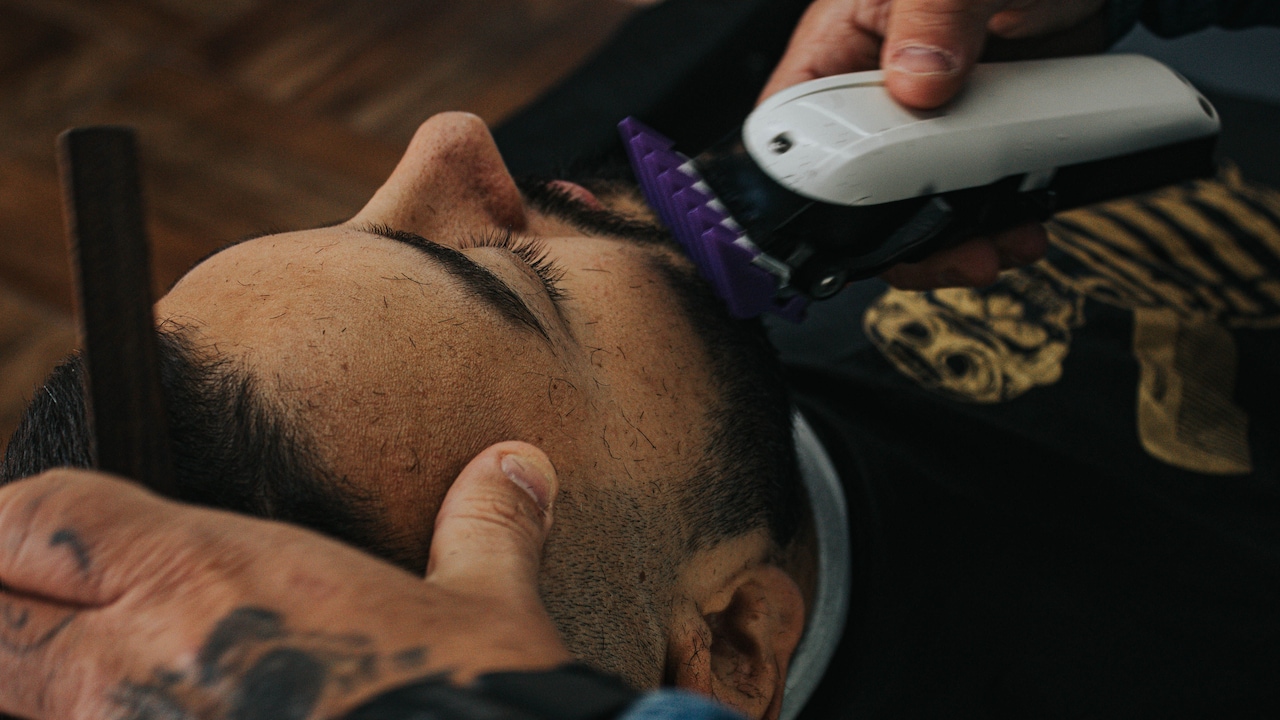
Why Beard Trimmers Pull Longer Hair: 10 Common Trimming Mistakes; Photo Credit: Pexels
4. Letting Beard Hair Build Up Inside The Trimmer
There is an unfortunate irony in beard trimming: the hair you successfully cut can eventually make the trimmer worse at cutting hair.
Tiny clippings collect between the blade teeth and underneath removable cutting heads. Add beard oil, skin oils and grooming products, and those loose hairs can turn into a compact layer of debris.
As the cutting area becomes crowded, longer strands have less room to move cleanly into the blades. They may get pushed sideways or temporarily trapped, causing tugging.
A quick tap over the washbasin isn't always enough.
After trimming, remove detachable guards and brush away trapped hair according to the manufacturer's cleaning instructions. Wash washable components only when the device allows it, and make sure everything dries properly before reassembly.
Pay particular attention to the space behind the blade, where surprisingly impressive quantities of facial hair can hide.
Regular cleaning also makes performance changes easier to diagnose. If a spotless trimmer still pulls, you can look towards blade wear, technique or attachment choice rather than wondering whether six weeks of beard clippings have formed their own ecosystem inside the device.
5. Moving The Trimmer Too Quickly
Speed feels efficient until the beard starts protesting.
Trimmer blades move quickly, but they still need enough contact time to capture and cut the hair entering the teeth. When you rush the device through a longer beard, strands can hit the guard at awkward angles and bend away before reaching the cutting edge.
Curly and coarse hairs are particularly likely to do this.
Instead of one fast sweep, use controlled passes and let the trimmer work through each section. This doesn't mean crawling across the face at glacial speed. The movement should simply feel steady enough that you aren't forcing a large volume of hair into the cutting head at once.
Rushing tends to become more tempting around easy areas such as the cheeks. Then the trimmer reaches a denser patch near the chin and suddenly grabs several longer hairs.
Adjust your speed according to beard density.
A slightly slower pass can actually shorten the whole grooming session because you won't need to keep returning to sections that the trimmer missed. More importantly, it reduces those tiny beard-yanking moments that make trimming feel far more dramatic than it needs to be.
6. Pressing The Trimmer Too Hard Against The Beard
A trimmer isn't a lawnmower struggling through particularly ambitious grass. More pressure doesn't automatically produce a cleaner result.
Pushing hard against the face can compress longer beard hair underneath the guard. Instead of standing naturally and entering the trimmer teeth, strands flatten, fold or shift sideways.
Once compressed hair suddenly enters the blade, the cutting head may catch a thicker bundle than intended. That is when tugging often appears.
Heavy pressure can also make it harder to keep the attachment sitting at a consistent angle, creating uneven patches.
Use enough pressure to keep the guard in stable contact with the beard without trying to push the device through the hair. Let the blade movement do most of the cutting.
This becomes especially important when maintaining length with larger guards. Long attachments depend on their teeth lifting and organising the beard before the hair reaches the blade. Crushing the guard into the beard works against that design.
When a trimmer only seems capable of cutting with considerable force, investigate dull blades, clogged teeth or low battery power instead. Your face shouldn't need to become collateral damage.
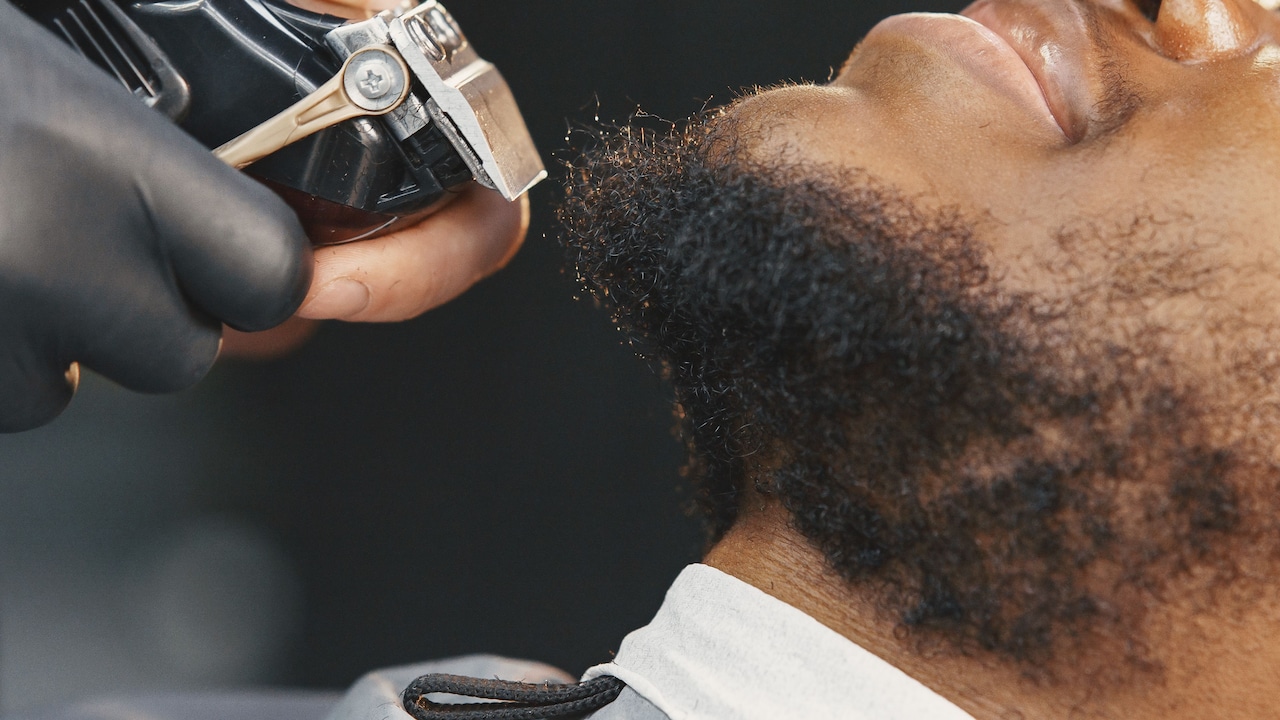
Why Beard Trimmers Pull Longer Hair: 10 Common Trimming Mistakes; Photo Credit: Pexels
7. Choosing The Wrong Guard For A Long Beard
Trimmer guards look simple, but the wrong attachment can create surprisingly poor results.
A very short guard introduced suddenly into a long, dense beard has to manage a large amount of hair at once. Strands bunch together between the guard teeth, particularly around thicker areas such as the chin. Some reach the blade cleanly; others bend underneath neighbouring hairs.
This can create snagging and an uneven finish.
If you are removing significant length, work down gradually instead of immediately reaching for the final short setting. A longer guard can remove the bulk first, allowing shorter attachments to work through a more manageable amount of hair afterwards.
Guard design matters as well. Some narrow or closely spaced combs struggle more with thick, curly beards than others.
Also check that the attachment has clicked into place correctly. A loose guard can tilt during trimming, changing the distance between the hair and blade unexpectedly.
It may take an extra pass to reduce length in stages, but gradual trimming offers much more control. It also avoids turning one ambitious stroke through the chin into a miniature tug-of-war.
8. Trimming Against Growth Without Understanding Your Beard Pattern
“Go against the grain” sounds straightforward until you discover that your beard appears to have several grains simultaneously.
Facial hair rarely grows uniformly downwards. Cheek hair may angle towards the jaw, neck hair may grow sideways and the area beneath the chin can form swirls that appear to ignore every reasonable grooming rule.
Moving directly against these patterns can lift hair efficiently, which is useful when trying to achieve an even short trim. With longer hair, however, aggressive against-grain passes can also cause strands to fold sharply into the attachment.
Map your beard growth before deciding how to move the trimmer.
Start with the grain if the beard is particularly long or prone to pulling. Once you have removed some bulk, you can make careful passes across or against the growth where necessary.
The neck deserves extra attention because direction often changes dramatically within a small area.
There is no universal stroke that works everywhere. Following your actual beard pattern may initially sound unnecessarily technical, but after a few trims it becomes instinctive and can make the whole process far smoother.
9. Trimming On A Weak Battery
A cordless trimmer can still make noise when the battery is struggling. That doesn't necessarily mean the blades are moving with their usual strength.
As power drops on some devices, blade speed or torque can decline. The trimmer may continue working adequately on short, fine hair but hesitate once several coarse strands enter the cutting head.
Instead of slicing through them instantly, the blade can stall momentarily and pull.
The frustrating part is that this often happens midway through a trim. The first side goes perfectly. By the time you reach the chin, the trimmer seems to have developed a personal grievance against longer hair.
If pulling becomes noticeably worse towards the end of grooming sessions, battery level deserves attention.
Charge the device adequately before tackling a full beard, particularly if your trimmer has already been used several times since its previous charge.
An older battery can also lose capacity over time. If the trimmer performs brilliantly immediately after charging but becomes weak unusually quickly, the battery rather than your beard may be the problem.
Reliable power lets the blades maintain the movement needed to cut thicker strands cleanly.
10. Trying To Trim The Entire Beard In One Direction And One Pass
The dream is appealing: choose a guard, run the trimmer around the face once and emerge looking professionally groomed.
Long beards rarely cooperate.
Different sections contain different densities, growth directions and hair textures. A single downward pass might trim the cheeks beautifully while barely touching curled hair beneath the jaw. Repeating the same movement more aggressively then creates bending and snagging rather than solving the problem.
Break the beard into sections mentally. Work through the cheeks, moustache area, jaw, chin and neck according to how the hair behaves in each place.
After the first pass, comb the beard again. Longer strands that folded away from the trimmer often reveal themselves at this stage. A second controlled pass can catch them without forcing the machine repeatedly through the same patch.
This approach also reduces the temptation to chase individual uneven hairs by pressing harder.
Long beard trimming rewards patience more than aggression. Once you stop expecting every strand to obey the same movement, grooming becomes considerably easier. Your beard gets a more even finish, and fewer hairs end the session being forcibly evicted from your face.
Products Related To This Article
1. Bombay Shaving Company Power Play NXT Beard Trimmer with 90min Runtime & 6 Lengths
2. Philips MG3911/15 All-in-One with 7 Attachments - Face, Hair & Body Trimmer
3. Bombay Shaving Company Power Styler Beard Trimmer with 38 Style Settings & Flash Charging
4. VEGA Men Turbolite Beard Trimmer With 2 Comb Attachments & 90Min Runtime
5. VGR V-071 Hair & Beard Trimmer for Men with 120 Min Runtime & Type-C Fast Charging
6. Gillette Series 3 AIO Trimmer with 5 Attachments + 40 Length Settings
7. One plus 535 Pro Cordless Professional Beard Hair Trimmer
A beard trimmer that pulls longer beard hair isn't automatically bad. Damp strands, tangles, worn blades, clogged teeth, weak batteries and rushed technique can all turn an ordinary trim into an uncomfortable job. Preparing the beard properly and making slower, deliberate passes often solves much of the problem. And when a well-cleaned, fully charged trimmer still keeps yanking hair, the blades may finally be telling you they're ready for retirement.
(Disclaimer: This article may include references to or features of products and services made available through affiliate marketing campaigns. NDTV Convergence Limited (“NDTV”) strives to maintain editorial independence while participating in such campaigns. NDTV does not assume responsibility for the performance or claims of any featured products or services.)