Why Does Toast Burn On One Side? The Toaster Features That Actually Matter
Uneven toast usually comes down to poor heat distribution, bread placement, crumbs or weak toaster design. This is why one side burns faster and which toaster features actually help you get evenly browned slices every morning.
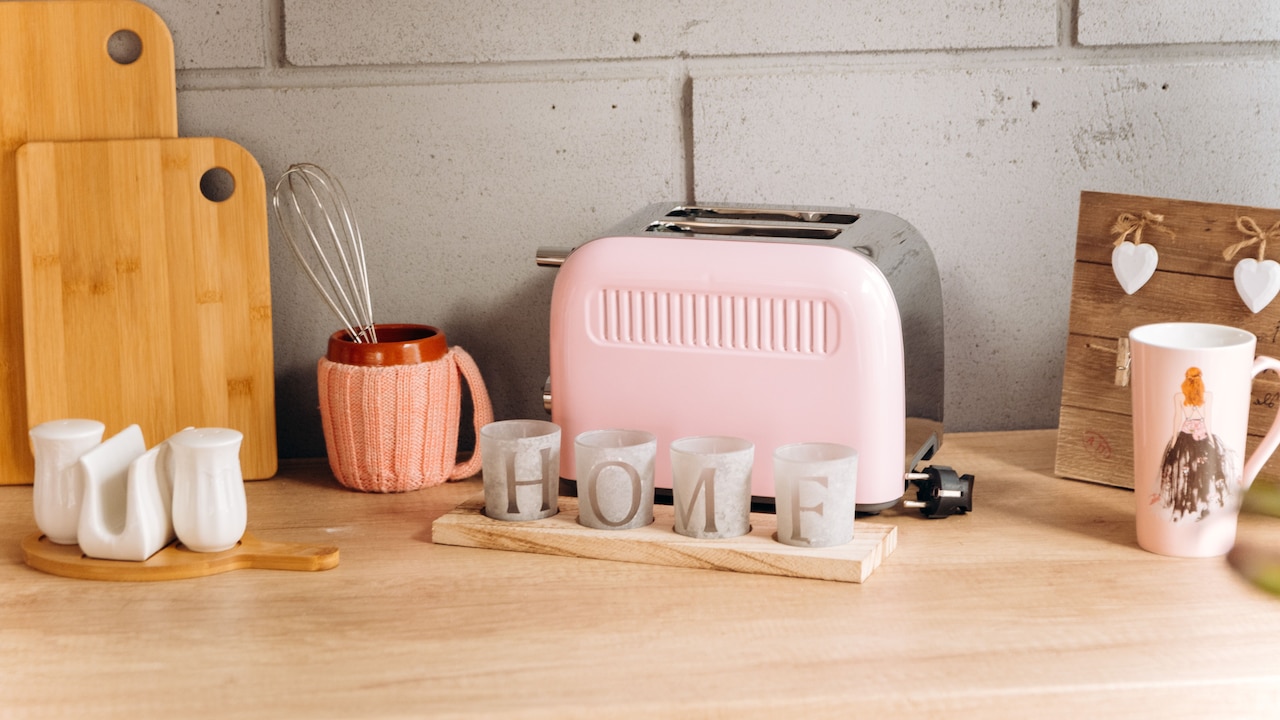
Why Does Toast Burn On One Side? Toaster Features That Actually Matter
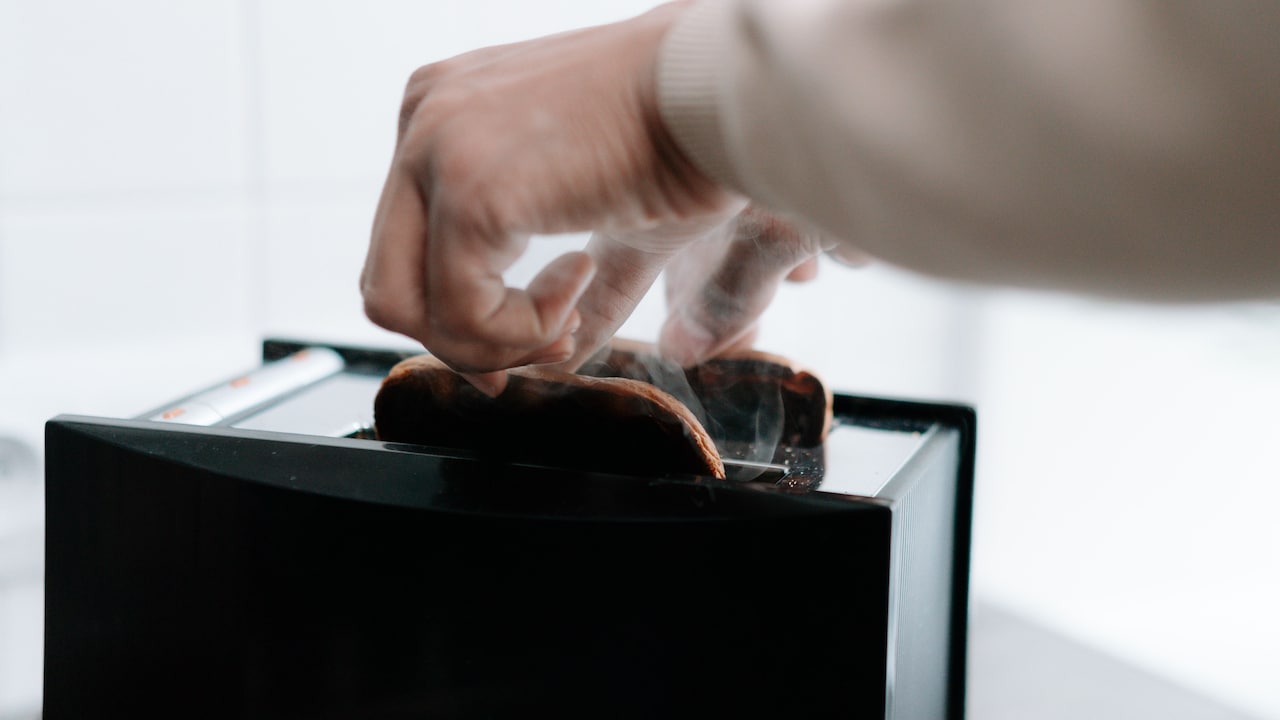
Few breakfast disappointments feel as oddly personal as burnt toast. The morning may begin with a calm cup of chai, a dabba being packed, and someone shouting from the next room about missing socks. Then the toaster pops, and there it is: one side crisp and cheerful, the other side blackened like it has a grudge. Toast should be simple. Bread goes in, heat happens, and toast comes out. Yet toasters have their own moods. Some brown only in the centre. Some burn the edges. Some treat one slice like royalty and the next like a science experiment. The problem becomes worse with thick pav, sandwich bread, sourdough, multigrain slices, or leftover bakery bread from the previous evening.
Why Does Toast Burn On One Side? Toaster Features That Actually Matter; Photo Credit: Pexels
The good news is that uneven toast usually has a clear reason. Better still, several useful toaster features can prevent it. Not every shiny button deserves attention, though. Some features matter every morning. Others only make the appliance look clever on a showroom shelf.
Also Read: Best 4 Slice Pop-Up Toasters in India 2025: Top Picks For Perfectly Crispy Mornings
Why Your Toast Browns Unevenly And What To Check Before Buying A Toaster
Uneven Heating Elements Cause Most Toast Trouble
A toaster browns bread through radiant heat. Thin metal wires or heating plates glow red and send heat towards the bread. When those elements heat evenly, the bread browns evenly. When one side gets more heat, that side burns faster.
This often happens in older toasters. Heating elements wear out, bend, or collect dust and crumbs. One panel may glow brighter than the other. In some cheaper models, the elements never heat evenly in the first place. The result feels random, but the toaster has simply turned into a lopsided heater.
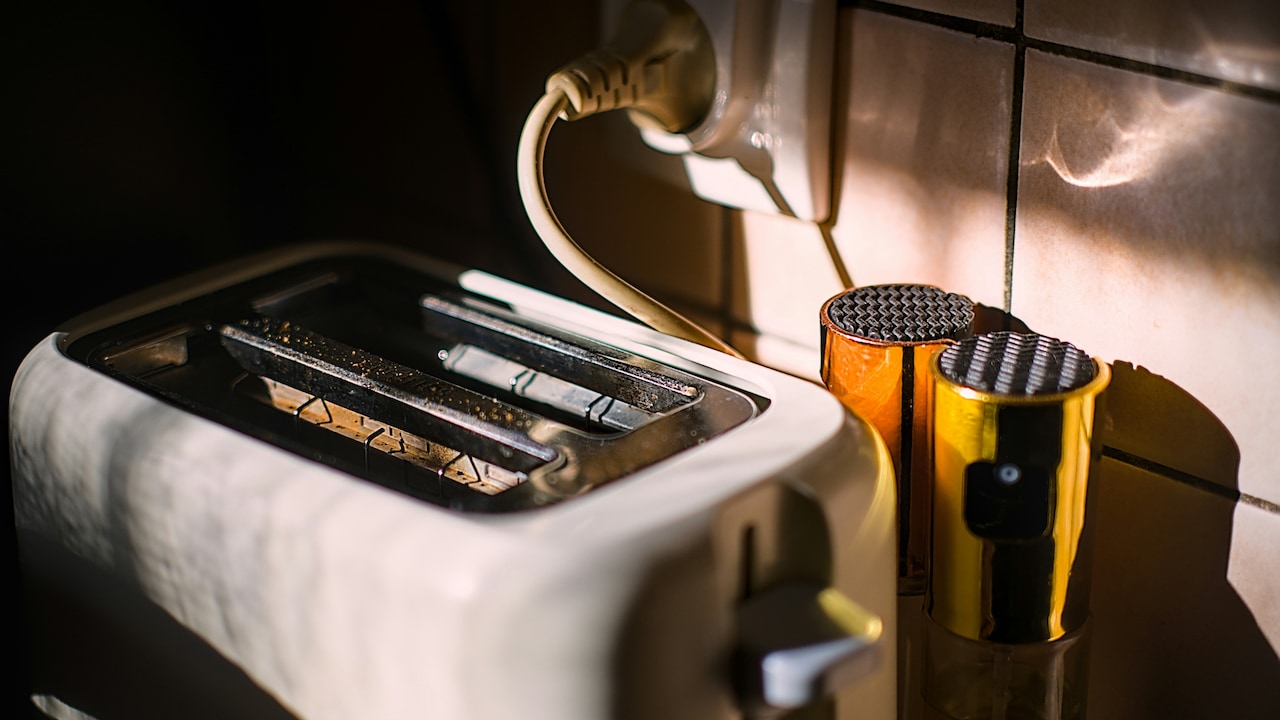
A glance during use can reveal the issue. The toaster should glow fairly evenly on both sides of the slot. If one side looks dim and the other shines bright red, the toast will follow that pattern. No amount of button-tapping can fix a weak heating element.
This is where build quality matters more than decoration. A sturdy toaster with well-spaced elements gives bread a fair chance. It may not look flashy, but it saves breakfast from becoming a burnt offering.
Bread Placement Makes A Bigger Difference Than Expected
Many people drop bread into the slot and trust destiny. Unfortunately, bread has opinions. If a slice leans towards one heating wall, that side receives more heat. The other side sits farther away and browns slowly. This tiny tilt can create the classic half-golden, half-charred slice.
Thin sandwich bread causes this problem often. So does soft bread from a local bakery, especially when the slice bends at the top. Even thick pav slices can lean if the slot feels too wide. Once the bread sits off-centre, uneven browning becomes almost guaranteed.
A toaster with a good self-centring guide solves much of this problem. The guide gently grips the bread from both sides and keeps it in the middle of the slot. That small mechanism matters more than many glamorous features on the box.
For homes where breakfast moves quickly, self-centring slots can be a blessing. Nobody wants to babysit bread at 7.30 am while the school bus, office cab, and milk boiling on the stove all demand attention.
Why Does Toast Burn On One Side? Toaster Features That Actually Matter; Photo Credit: Pexels
Crumbs Can Turn Into Tiny Hot Spots
Crumbs seem harmless until they start misbehaving. Every slice leaves behind little bits of bread. Over time, these crumbs collect at the bottom of the toaster. Some bits sit near heating elements. Some burn during repeated cycles. The smell arrives first, then the uneven browning follows.
A crumb pile can block airflow and create hot spots. It may also reflect heat upwards in strange ways. One corner of the toast may darken quickly while the rest stays pale. In worst cases, old crumbs smoke and make the whole kitchen smell like someone forgot the tawa on high heat.
This is why a removable crumb tray matters. It sounds like a boring feature, but it keeps the toaster safe and consistent. The tray should slide out smoothly and go back without fuss. If cleaning the toaster feels like dismantling a ceiling fan, nobody will do it often.
A quick shake over the sink is not enough. Regular crumb-tray cleaning keeps the heat cleaner, the smell fresher, and the toast less moody. Simple maintenance can rescue even a modest toaster from daily embarrassment.
Browning Controls Are Not All Equal
Most toasters have a browning dial with numbers from one to six, seven, or sometimes beyond. These numbers look precise, but they do not always control temperature. In many models, the dial controls time. The toaster simply heats for longer or shorter periods.
That explains why the same setting can produce different results with different bread. A thin white slice may brown quickly at level three. A thick multigrain slice may need more time. Slightly dry bread browns faster than fresh, moist bread. Bread kept in the fridge may need a little longer.
A useful browning control should feel predictable. When the dial moves from three to four, the change should be gradual, not dramatic. Some cheaper toasters jump from pale to burnt with one tiny turn. That can make breakfast feel like a risky investment.
Digital controls may help, but only when the toaster heats evenly. A bright display cannot rescue poor elements. A clear, responsive dial often works better than a fancy screen. The best control is one that lets the family remember a setting and trust it each morning.
Slot Width Matters For More Than Thick Bread
Slot width sounds like a feature for people who eat artisanal bread with complicated names. In real life, it matters for everyday food too. Bread slices vary wildly. Regular sandwich bread, bakery bread, bun halves, pav, kulcha, and homemade slices do not share the same shape.
A narrow slot squeezes thick bread. The compressed side sits too close to the heating element and burns. A very wide slot lets thin slices lean, which creates uneven browning. The ideal toaster handles both situations with a smart centring mechanism and enough space for thicker slices.
Long slots can also help. They fit larger slices without forcing the bread in at an angle. Anyone who has tried to toast a wide slice by flipping it halfway knows the struggle. One half turns crisp, the other half remains soft, and the middle develops a strange border.
A toaster should welcome the bread, not bully it. Wide slots, long slots, and self-centring guides work together. This trio matters far more than a shiny exterior that gathers fingerprints before the first slice pops.
Wattage Affects Speed, But Not Always Quality
Many shoppers treat higher wattage as proof of better performance. It can help, but it does not tell the whole story. A toaster with higher wattage heats quickly and can brown bread faster. That sounds useful during rushed mornings. Yet fast heat without good control can burn one side before the other catches up.
For most homes, the sweet spot lies in balanced power. A two-slice toaster around 750 to 900 watts usually handles regular use well. Larger four-slice models need more power because they heat more space. Still, wattage alone cannot guarantee even toast.
A poorly designed high-watt toaster behaves like an impatient cook. It blasts heat quickly, darkens the surface, and leaves the bread dry or uneven. A well-designed toaster spreads heat properly and gives the slice time to crisp.
Energy use also matters. A toaster runs for only a few minutes, so the electricity cost stays modest. The bigger concern is consistency. A ₹1,500 toaster that burns breakfast every day feels expensive. A ₹2,500 model that works reliably may feel wiser after a month.
Reheat, Defrost, And Cancel Buttons Actually Help
Some toaster buttons look unnecessary until the right morning arrives. The cancel button is the quiet hero. It lets the user stop the cycle before the toast crosses the line from golden to tragic. Without it, people yank the lever or unplug the appliance, which helps nobody.
The reheat function also earns its place. Toast cools quickly, especially during busy mornings when one person answers the door, another searches for a lunchbox lid, and someone else wants extra chutney. Reheating warms the toast without browning it much more. That keeps it crisp without turning it bitter.
Defrosting helps when bread comes straight from the freezer. It gives frozen slices extra time at the start, so the bread thaws before browning begins properly. Without defrost, the outside can burn while the centre stays cold and stubborn.
These features are not gimmicks. They address real kitchen moments. The key is simple labelling and easy buttons. A toaster should not require a manual during breakfast. Clear controls save time, prevent waste, and reduce the chance of burnt edges.
Why Does Toast Burn On One Side? Toaster Features That Actually Matter; Photo Credit: Pexels
Bagel Mode Can Be Useful, Even Without Bagels
Bagel mode sounds imported from a café menu, but it can be surprisingly useful at home. In many toasters, this mode heats one side more strongly than the other. It toasts the cut side while warming the outer side. That works for bagels, but it can also help with buns, pav, burger bread, and stuffed bread that needs gentle handling.
The trouble starts when people press bagel mode by mistake. Then one side browns more than the other by design. Many “faulty” toast moments come from one wrong button. The toaster did exactly what it was told, even if nobody meant to tell it that.
Clear indicators matter here. A bagel button should show when it is active. Some models keep the setting on until changed. Others reset after each cycle. The second style can prevent accidental uneven toast.
This feature matters only for families who toast buns or thicker breads often. For plain sandwich bread, it may sit unused. Still, when chosen knowingly, bagel mode can make pav crisp on one side and soft on the other, which sounds rather lovely with butter.
A Lift Lever Saves Fingers And Toast
Small slices create big irritation. Some breads sink too low into the slot and refuse to come out gracefully. Then begins the dangerous dance with forks, knives, or impatient fingers. That habit can damage the toaster and cause electric shock if the appliance remains plugged in.
A high-lift lever solves this neatly. It raises smaller slices above the slot so they can be removed safely. This helps with small bakery slices, bun halves, and bread that shrinks slightly after toasting. It also saves the toast from breaking during rescue attempts.
The lift mechanism should feel sturdy. A flimsy lever may loosen over time and make the toaster unpleasant to use. Good levers move smoothly and bring bread up without launching it across the counter. Breakfast does not need acrobatics.
Safety features rarely get attention during shopping, yet they shape everyday comfort. Cool-touch sides, stable feet, cord storage, and high-lift levers make the toaster easier to live with. A toaster may seem small, but it joins the morning routine every day. Small irritations add up quickly.
Four-Slice Toasters Need Independent Controls
Large families often prefer four-slice toasters. They reduce waiting time and keep breakfast moving. However, a four-slice toaster without independent controls can create chaos. One person wants lightly toasted bread. Another wants deep brown toast with butter melting into the corners. One setting cannot please everyone.
Independent controls let each pair of slots run at a different browning level. This matters when the toaster handles different bread types at the same time. Fresh sandwich bread may need a lower setting. Frozen slices may need defrost. Pav may need more time. Without separate controls, somebody gets disappointed.
Even heating becomes more important in larger models. Four-slice toasters have more elements and more space to manage. Cheap models may heat unevenly across slots. One side of the toaster may perform better than the other, which leads to family debates worthy of prime-time television.
A good four-slice toaster should feel like two reliable two-slice toasters joined together. It should offer separate levers, separate browning controls, and enough space between slots. Convenience only counts when the toast comes out right.
Price Should Match Daily Use, Not Fancy Promises
Toaster prices vary widely. Some basic models cost around ₹1,200 to ₹2,000. Mid-range options often sit between ₹2,500 and ₹5,000. Premium models can climb higher, especially when they add digital screens, designer finishes, or extra-wide slots.
The right choice depends on daily use. A couple who toasts two slices occasionally may not need a premium machine. A family that uses bread, buns, frozen slices, and snacks every morning should spend more carefully. Reliability matters more than showroom shine.
The features that deserve attention are even heating, self-centring slots, removable crumb tray, browning control, cancel button, defrost, reheat, high-lift lever, stable build, and suitable slot size. These affect the toast directly. Features such as glowing displays, unusual colours, or dramatic marketing words matter less.
A toaster should earn its counter space. It should handle hurried mornings, sleepy hands, and bread of slightly unpredictable thickness. Good design does not shout. It simply gives the same golden result again and again, which is exactly what breakfast needs.
Products Related To This Article
1. KENT Crisp Pop Up Toaster 750 Watts
2. Philips HD2582/00 Two slice Pop-up toaster with bun warmer
3. BIOME SmartToast™ 850W Digital Touchscreen Bread Toaster 2 Slice Auto Pop up Auto Shut Off
4. Russell Hobbs 17700 4-Slice Pop Up Toaster
5. Westinghouse 4 Slice 1750 Watts Retro Toaster
6. iBELL Toaster CrustoF40 Auto Pop-up 4 Slice Bread Toaster with Removable Crumb Tray
7. Bread Toaster|1000W Toaster 2 slices
Toast burns on one side because heat, distance, crumbs, and controls do not always behave evenly. The bread may be lean. The heating element may glow too strongly on one side. Crumbs may create hot spots. The wrong mode may change the heat pattern. Sometimes the toaster itself simply lacks balance.
The cure is not always an expensive appliance. A sensible toaster with self-centring slots, reliable heating elements, a smooth browning dial, easy cleaning, and useful buttons can make a real difference. Defrost, reheat, cancel, high-lift, and wider slots all matter when they solve everyday problems.
Breakfast carries enough drama already. Milk rises over the pan, the gas cylinder runs out at the worst time, and someone always remembers homework near the door. Toast should not add to the plot. The right toaster keeps things crisp, golden, and calm. And when butter melts evenly across both sides, the morning suddenly feels a little more civilised.
(Disclaimer: This article may include references to or features of products and services made available through affiliate marketing campaigns. NDTV Convergence Limited (“NDTV”) strives to maintain editorial independence while participating in such campaigns. NDTV does not assume responsibility for the performance or claims of any featured products or services.)