Washing Machine Capacity Guide For Families, Couples And Singles
Choose the right washing machine capacity for singles, couples and families. This guide explains ideal drum sizes, laundry habits, bulky loads and budget tips to help you buy a washer that fits your home.
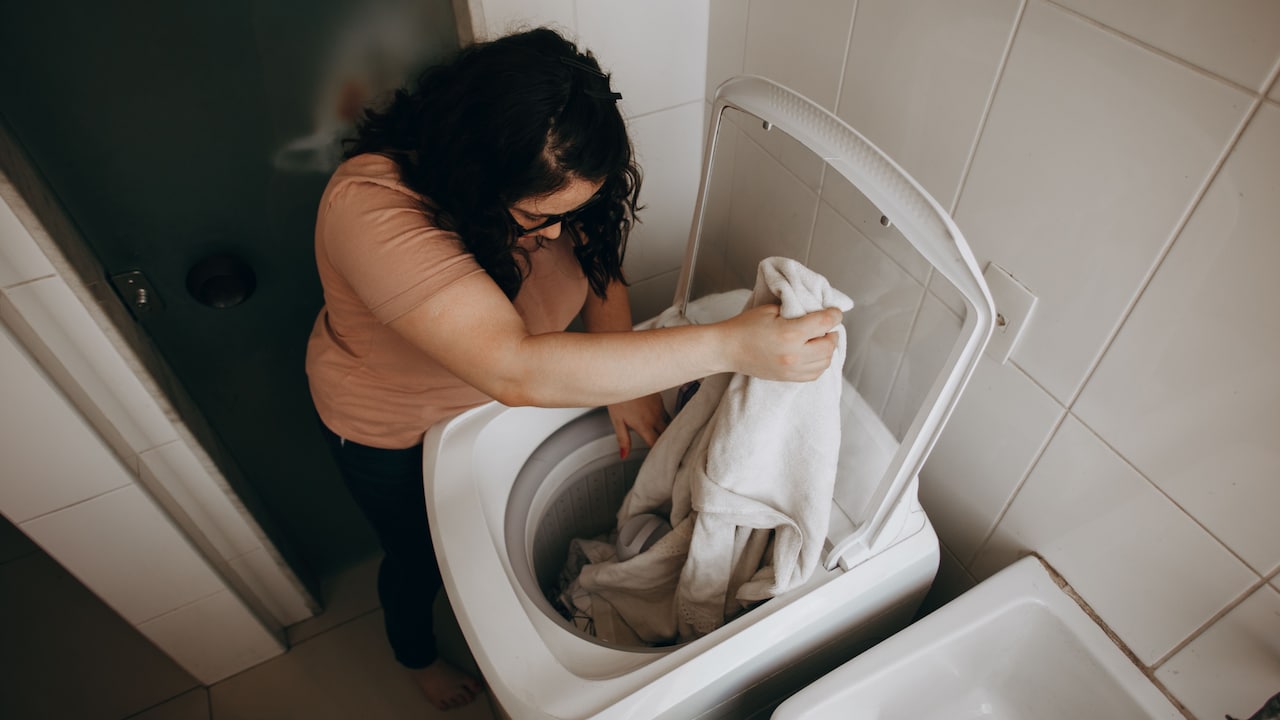
How To Choose The Right Washing Machine Capacity For Your Home
A washing machine often enters the home with great excitement. It promises freedom from soaking buckets, aching wrists and last-minute panic before guests arrive. Yet one small detail can turn that promise into daily irritation: capacity. Buy a machine that is too small, and laundry becomes a never-ending TV serial. Buy one that is too large, and every wash feels like running a mini factory for three shirts and a bedsheet. Capacity, measured in kilograms, does not mean the machine itself weighs that much. It tells how much dry laundry the drum can handle in one wash. A 7 kg machine, for example, can wash around 7 kg of dry clothes. Simple enough, but real life adds masala. Jeans weigh more than cotton kurtas. Towels soak up water as gossip spreads in a housing society. Bedsheets for the bedroom need space to move, not just fit.

How To Choose The Right Washing Machine Capacity For Your Home; Photo Credit: Pexels
The best washing machine capacity depends on family size, washing frequency, fabric type, and lifestyle. A bachelor in Pune, a couple in Bengaluru, and a joint family in Lucknow will not need the same drum size. This guide breaks it down without confusing jargon, so the next purchase feels smart, not stressful.
How To Choose The Right Washing Machine Capacity For Your Home
Understand What Washing Machine Capacity Really Means
Washing machine capacity sounds straightforward, but many shoppers misunderstand it. The number on the machine refers to dry clothes, not wet ones. A 6 kg washer can handle 6 kg of dry laundry before water enters the drum. Once clothes get wet, they become much heavier, but the machine is designed for that.
The trick lies in not stuffing the drum like a suitcase before a long train journey. Clothes need room to tumble, rub and rinse. When the drum is packed tightly, detergent gets trapped, stains stay behind, and collars come out looking as tired as before. A good rule is to leave some space at the top after loading.
Different fabrics also change the story. Six cotton T-shirts weigh far less than two bath towels and a pair of jeans. A pile may look small but still feel heavy. So, capacity is not only about the number of clothes. It is about weight, fabric thickness and how freely the load can move. That little breathing space inside the drum makes all the difference.
Best Capacity For Singles Living Alone
For one person, a 6 kg washing machine usually works well. It suits daily wear, office shirts, gym clothes, nightwear and a few towels. Someone living alone may not wash clothes every day, especially during busy workweeks. A 6 kg drum gives enough space for two or three days of laundry without wasting too much water and power.
A smaller 5 kg machine can work for students or people who wash very frequently. However, it may struggle with bedsheets, jeans and heavier winter clothes. In many cities, space is also a concern. Studio flats, paying guest rooms and compact rented homes need appliances that do not swallow the balcony or utility corner. A 6 kg top-load or front-load machine often hits the sweet spot.
Singles who travel often or wear uniforms may prefer slightly more capacity. It avoids running multiple cycles on Sunday evening when laundry suddenly looks like a personal enemy. For most solo users, though, anything above 7 kg may feel excessive unless bulky items are washed at home regularly.
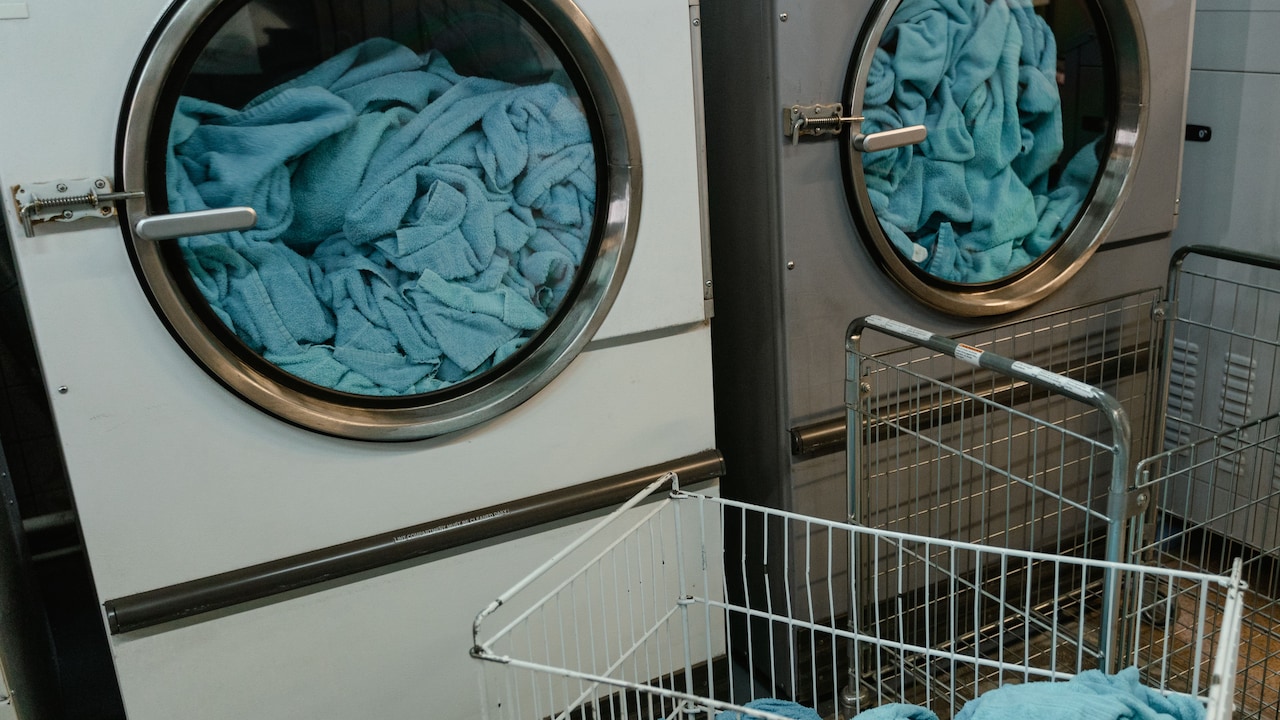
How To Choose The Right Washing Machine Capacity For Your Home; Photo Credit: Pexels
Best Capacity For Couples
Couples usually need a washing machine between 6.5 kg and 7.5 kg. This range handles daily clothes, towels, bedsheets and occasional heavy loads without turning laundry into a weekend project. Two people may not create a huge pile every day, but mixed loads add up quickly. Office wear, home clothes, workout outfits, dupattas, denim and pillow covers all demand space.
A 7 kg machine suits most couples beautifully. It gives enough room for regular washing and does not feel wasteful for smaller loads. Many modern machines also adjust water levels based on load, which helps when the drum is not full. That matters in homes where laundry habits differ. One partner may wash clothes the moment the basket fills halfway, while the other believes in waiting until the lid refuses to close.
Couples planning to start a family may consider 7.5 kg or 8 kg. Baby clothes are tiny, but they multiply faster than coriander prices before a festival. Extra capacity helps with blankets, towels and frequent hygiene washes. A slightly larger drum can save future regret.
Best Capacity For Small Families
A family of three or four generally needs a 7 kg to 8.5 kg washing machine. This size works well for parents with one or two children, especially when school uniforms, sports clothes and towels enter the picture. Children have a special talent for creating laundry from nowhere. One clean T-shirt can become a painting cloth, a snack napkin and a cricket jersey within an hour.
For regular clothes, a 7.5 kg machine may be enough. But families that wash bedsheets, curtains, light blankets or heavy towels at home should consider 8 kg or more. The extra drum space helps clothes move better, which improves cleaning. It also reduces the number of wash cycles in a week.
A small family often runs the machine four to six times weekly. Choosing the right capacity can cut that down and save effort. It also helps during the monsoon, when drying space shrinks, and everyone wants clothes washed at the right time. An 8 kg washer offers flexibility without feeling too large for most homes.
Best Capacity For Large Families
Large families need serious washing power. For five or more people, an 8.5 kg to 10 kg washing machine makes far more sense than a smaller model. A 7 kg machine may look cheaper at first, but frequent cycles can increase water use, electricity bills and frustration. Nobody wants to spend half the day feeding clothes into a washer like a hungry machine monster.
In bigger households, laundry is rarely simple. There are school uniforms, office clothes, sarees, towels, bedsheets, pillow covers, kitchen cloths and festival outfits. A larger drum handles mixed loads better and gives bulky items enough room. It also helps during guest visits, weddings, holidays and exam season, when laundry routines go completely off track.
Joint families or homes with elderly members may benefit from 9 kg or 10 kg machines. These capacities manage heavier loads with less crowding. Larger machines cost more, often starting several thousand rupees higher than smaller ones, but the convenience can justify the price. Fewer cycles mean less time, less bending and fewer laundry arguments.
Match Capacity With Washing Frequency
Family size matters, but washing frequency matters just as much. A single person who washes once a week may need the same capacity as a couple washing every two days. A family that runs daily cycles can manage with slightly lower capacity, while a household that saves laundry for weekends needs a bigger drum.
Think about real habits, not ideal ones. Many people imagine they will wash clothes every alternate day after buying a new machine. Then life happens. Office deadlines, school projects, power cuts, guests and festivals disrupt routines. By Sunday, the laundry basket looks like it has grown roots.
For frequent washing, a smaller machine can work because loads stay light. For weekly washing, choose a higher capacity to avoid two or three back-to-back cycles. This matters in flats where drying space is limited. Washing too many batches in one day creates a balcony traffic jam of shirts, towels and bedsheets. A suitable capacity keeps the routine practical and kinder to everyone at home.
Consider Bedsheets, Towels And Bulky Laundry
Regular clothes are only half the story. Bedsheets, towels, blankets and curtains decide whether a washing machine feels useful or limiting. A 6 kg machine can wash daily wear easily, but it may struggle with double bedsheets or thick towels. The items may fit inside, yet fitting is not the same as washing well.
For homes that wash bedsheets every week, a 7 kg or 8 kg machine offers better comfort. A queen-size bedsheet, pillow covers and a couple of towels need space to move. Thick bath towels become heavy once wet, so overloading can strain the motor and reduce cleaning quality. For light blankets or dohars, 8.5 kg and above works better.
Many households send heavy blankets to laundry services, especially before winter or after guests leave. That is sensible. A home washing machine need not handle everything. Still, choosing a slightly higher capacity helps with everyday bulky items. It prevents the familiar struggle of pushing down a wet towel and hoping the machine somehow forgives the mistake.
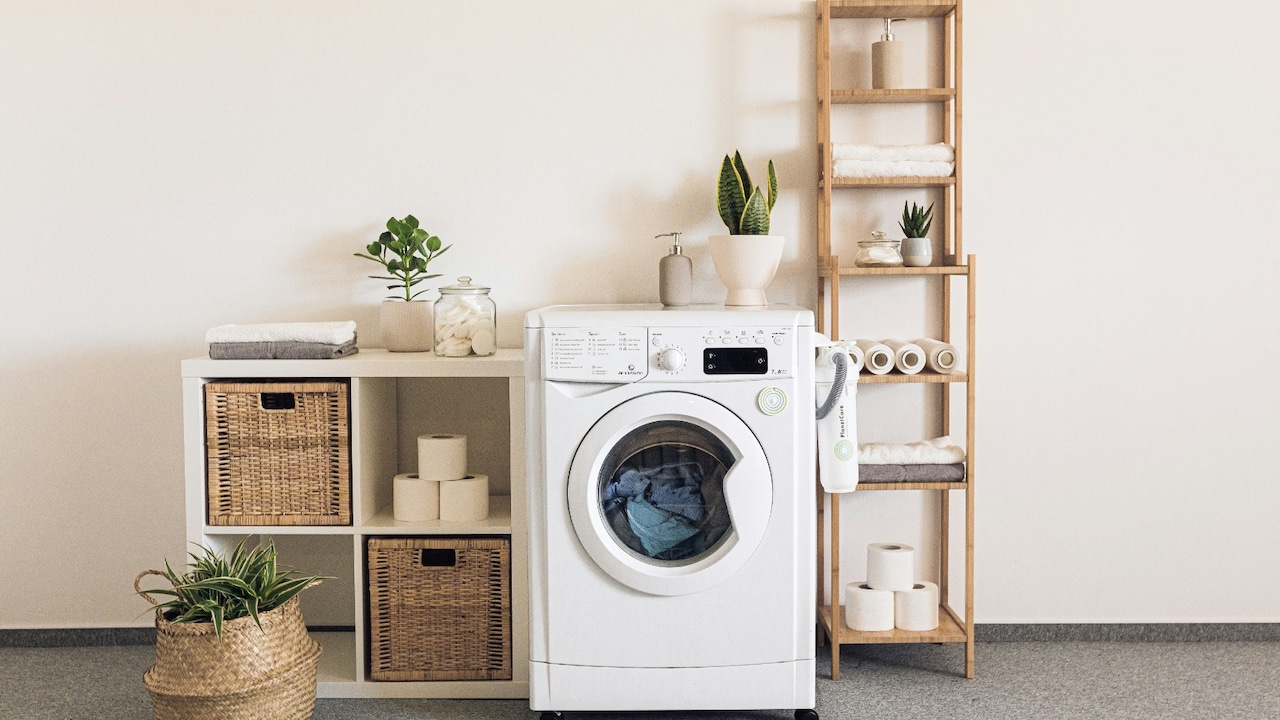
How To Choose The Right Washing Machine Capacity For Your Home; Photo Credit: Pexels
Front Load Or Top Load Capacity Differences
Capacity also feels different depending on machine type. Front-load washing machines usually clean better with less water, and their drums allow clothes to tumble more effectively. A 7 kg front-load machine may handle laundry more efficiently than a similar top-load model, especially for mixed fabrics and heavier clothes.
Top-load machines remain popular because they are convenient, often easier to load and usually cost less. They suit homes where bending is uncomfortable or where laundry gets added after the cycle starts. Some top-load models use more water, but many families like their speed and simplicity. For everyday clothes, they do the job well.
Front-load machines often cost more, but they can be gentler on clothes and more energy-efficient over time. They also spin faster, which helps during the monsoon when drying becomes a national-level challenge. The choice should match lifestyle, budget and space. Capacity alone should not decide the purchase. A well-chosen 7 kg front-load machine may serve a couple better than a larger washer that does not suit their routine.
Avoid Overloading And Underloading
Overloading is the fastest way to make a good washing machine perform badly. Clothes need movement, water and detergent contact. When the drum is packed too tightly, the machine cannot clean properly. Shirts may come out with detergent marks, towels may smell damp, and jeans may stay grimy near the seams.
Underloading also wastes resources. Running a 9 kg machine for three handkerchiefs and one kurta makes little sense unless the machine has smart load sensing. It uses electricity, water and detergent for very little benefit. Over time, poor loading habits affect both bills and machine life.
A practical approach works best. Fill the drum loosely, not forcefully. Leave enough room for the clothes to tumble. Heavy items should not dominate every wash. Mix fabrics carefully, keep delicate clothes separate and avoid washing one large item alone unless the manual allows it. Machines are hardworking, but they are not magicians. Treat them well, and they will return the favour with cleaner clothes and fewer repair visits.
Balance Capacity With Budget And Space
A bigger washing machine is tempting, but it should fit both budget and home layout. Larger capacities usually cost more, and the price gap can be noticeable. A 6 kg model may suit a tight budget, while an 8 kg or 9 kg machine may need extra planning. The smarter choice is not always the biggest one. It is the one that matches daily life.
Space matters too. Many homes place washing machines in bathrooms, balconies, kitchens or narrow utility areas. Before buying, measure the space carefully, including door clearance, pipe access and room to open the lid or door. A front-load machine also needs space in front. A top-load machine needs space above.
Consider long-term costs as well. A machine with a better energy rating may cost more upfront but save money through lower electricity use. Water availability also matters in many neighbourhoods. Choosing the right capacity prevents waste and keeps laundry manageable. The aim is simple: no cramped corners, no oversized regret and no machine that makes every wash feel like a negotiation.
Products Related To This Article
1. Bosch 8 kg 5 Star Front Load Fully-Automatic Washing Machine
2. LG Smart Choice, 9 Kg, 5 Star, AI Direct Drive Technology
3. Haier 6 kg 5 Star Oceanus Wave Drum Washing Machine Fully Automatic Top Load
4. Whirlpool 7 kg Magic Clean 5 Star Fully Automatic Top Load Washing Machine Grey
5. Samsung 9 kg, 5 star, AI EcoBubble, Super Speed
6. Whirlpool 7.0 Kg 5 Star MAGIC CLEAN Semi-Automatic Top Loading Washing Machine
7. Midea 7.5 Kg 5 Star Fully automatic top-load washing machine
The right washing machine capacity depends on how people actually live, not just how many people share a home. Singles usually do well with 6 kg. Couples can choose 6.5 kg to 7.5 kg. Small families need around 7 kg to 8.5 kg, while large families should look at 8.5 kg to 10 kg. Homes that wash bulky items often should lean towards higher capacity.
A washing machine is not just another appliance. It quietly supports school mornings, office routines, festival cleaning, monsoon emergencies and those sudden “nothing to wear” moments. When the capacity suits the household, laundry stops feeling like a punishment and becomes just another easy chore.
Before buying, think about clothes, towels, bedsheets, washing frequency, available space and budget. Avoid choosing only by discount stickers or showroom excitement. The right drum size will save time, reduce waste and keep clothes fresher. In the end, a good washing machine should not shout for attention. It should simply work well, week after week, while the home carries on with its usual beautiful chaos.
(Disclaimer: This article may include references to or features of products and services made available through affiliate marketing campaigns. NDTV Convergence Limited (“NDTV”) strives to maintain editorial independence while participating in such campaigns. NDTV does not assume responsibility for the performance or claims of any featured products or services.)