Why Does My Air Purifier Filter Turn Black So Quickly
Wondering why your air purifier filter turns black so quickly? Learn the common causes, when to replace it, and how to improve your indoor air quality.
Why Does My Air Purifier Filter Turn Black So Quickly
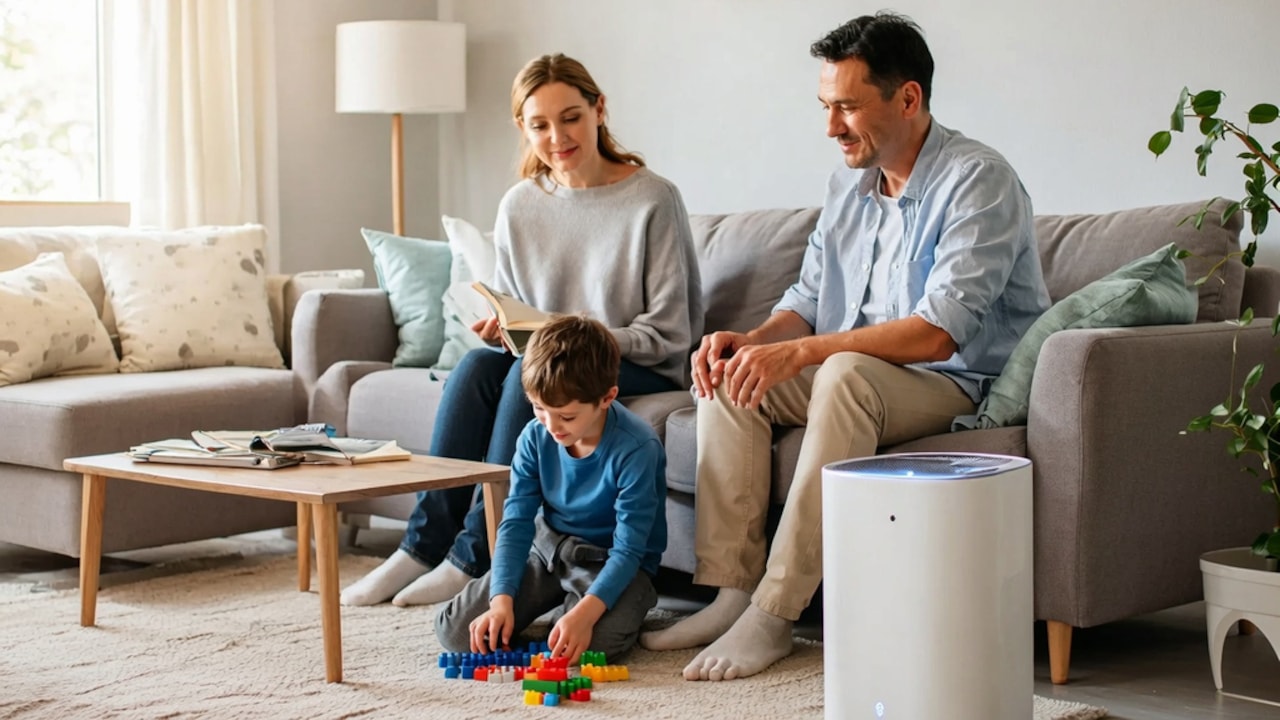
With higher pollution, more seasonal allergies, and this growing concern about the indoor air quality, air purifiers have turned into an everyday thing in many homes. While they quietly keep cleaning the air in the background, people sometimes get confused when the filter starts looking black, way sooner than they thought it would. So if you just opened your purifier and saw a dark filter, or even a completely black one, you're probably asking yourself if something is off with the unit.
Discover why your air purifier filter turns black and how to boost indoor air quality.
Photo Credit: iStock
The good news, though, is that it can be a normal sign that your purifier is actually doing its job. This article will walk through why filters turn black, what typically speeds up discolouration, and how you can stretch the working life of your air purifier filter without turning everything into a guessing game.
Why Does an Air Purifier Filter Turn Black?
A black filter is usually the result of trapped airborne pollutants. Each time the purifier sucks air through its filtration layout, it grabs microscopic flecks that would otherwise keep circulating around your home, basically. Over time those tiny particles start stacking up, and the filter slowly drifts from white toward grey; in the long run it can look almost black.
How quickly all of that happens is mostly tied to your surroundings. If your home is dealing with extra dust, smoke, or street pollution, the filter will darken faster than it would in a place where the indoor air stays cleaner.
What Pollutants Are Your Filter Collecting?
That dark layer you see on the filter isn't really coming from just one contaminant. It's more like a mix of really tiny particles that keep building up day after day, slowly.
In residences near busy roads, vehicle emissions plus fine dust can slip indoors through open doors and windows, even when you think everything is sealed up pretty well. If you regularly light scented candles or incense sticks, or you use a fireplace, the soot released into the air can coat the filter with black residue pretty quickly. And cooking fumes, especially when you fry things at high heat, add to that discolouration a lot.
Even if you don't spot visible grime around the place, microscopic particles are still drifting through the air all the time. Your purifier is built to grab those particles in advance so you're not breathing them in.
Should You Be Concerned About a Black Filter?
Seeing a black filter can be alarming, but it doesn't always mean your air purifier has actually stopped working. A darkened filter often means it did its job; it removed pollutants from the room air, so that part can be a good sign.
Still, if the filter goes completely black in just a few days, that usually points to unusually high levels of airborne stuff. Things like ongoing smoke, heavy building activity close by, cramped ventilation, or a lot of indoor debris and dust can make the purifier work a lot more intensely than you'd think.
And if that same filter also shows moisture, mould spots, or any visible damage, then replacing it right away is the safest bet.
How Can You Slow Down Filter Discolouration?
Step 1: Reduce Outdoor Pollution Indoors
Keeping windows closed during periods of heavy traffic or poor air quality limits the amount of polluted outdoor air entering your home. This helps with the purifier workload and also makes your filter last longer.
Step 2: Avoid Creating Indoor Smoke
Burning candles, incense sticks, or smoking indoors , throws out tiny carbon bits that soon gather inside the filter. Cutting back on those little habits can slow down filter discolouration in a pretty noticeable way.
Step 3: Keep Your Home Dust-Free
Regular cleaning stops dust from constantly floating around the air. Vacuum carpets, wipe furniture, and even clean curtains so the purifier isn't always catching all that debris every single day.
Step 4: Clean the Pre-Filter Frequently
If your air purifier has a washable pre-filter, cleaning it every few weeks keeps the big annoying particles from drifting all the way to the main HEPA filter. This kind of easy little routine can really help the filter last longer, way longer in practice.
Step 5: Place the Air Purifier in the Right Spot
Try to place the purifier in a more open area so air can move around better and filtration works more efficiently. Don't set it right up against a wall or tucked behind furniture where the airflow gets kind of choked.
Step 6: Use the Purifier Consistently
Using your air purifier every day helps keep pollutant levels more stable. If you only turn it on sometimes, dust and other stuff tend to build up before it can be handled.
Step 7: Replace the Filter at the Right Time
Even if a filter doesn't seem fully jammed or anything, swapping it on the schedule the manufacturer lists helps your purifier keep pushing clean air efficiently.
Step 8: Find the Source of Excess Pollution
If each new replacement filter ends up dark, much sooner than it should, then it might be something else, not necessarily the purifier. Looking for less obvious causes like nearby construction, indoor smoking, or lack of fresh ventilation can boost the quality of your indoor air and also lower how fast the filter wears out.
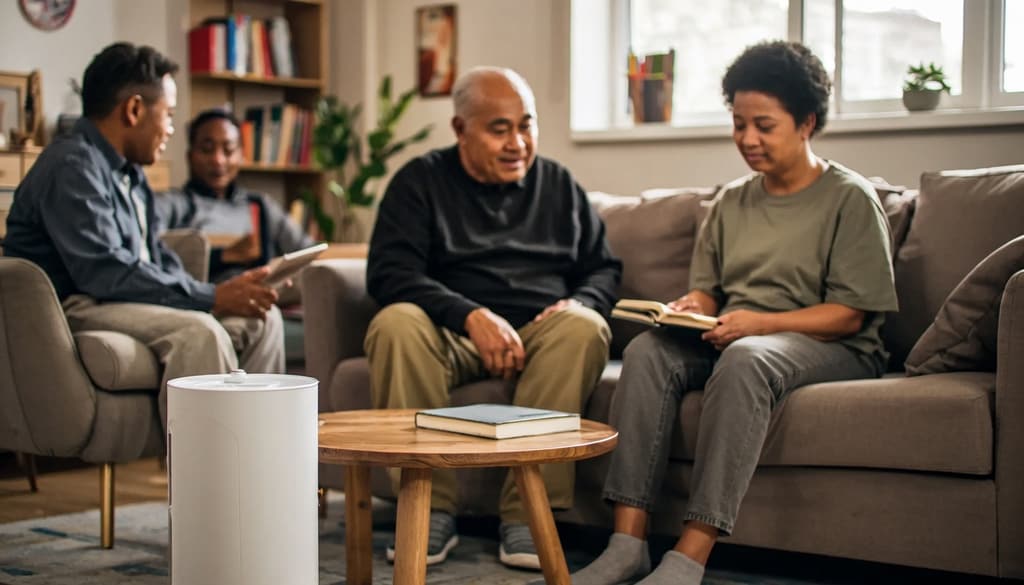
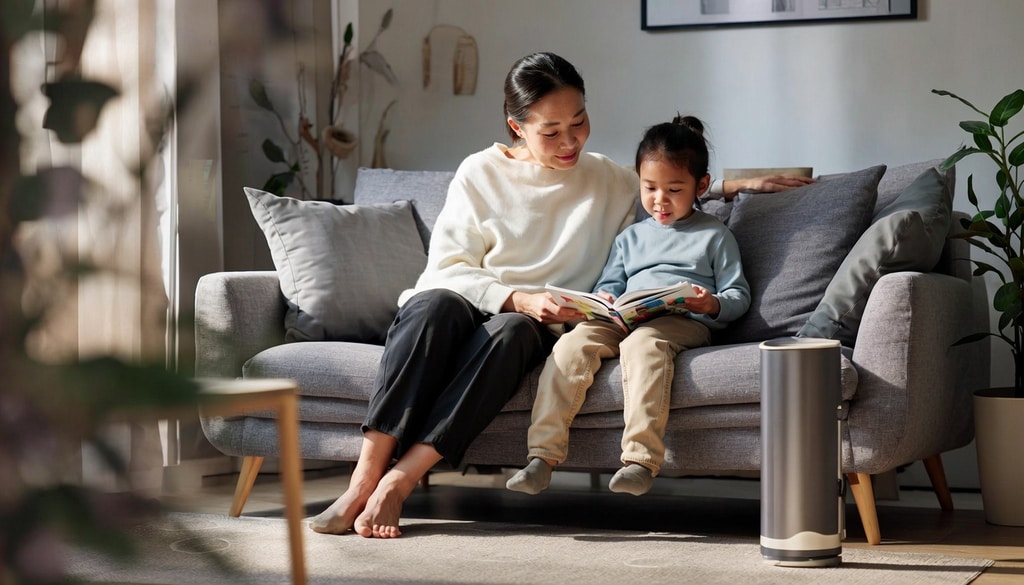
Learn what causes black air purifier filters and simple steps to improve your home air.
Photo Credit: iStock
Some Air Purifier Filter Products You May Like
1. HASTHIP 2Pcs Air Purifiers Filter
2. Philips Nano Protect Hepa 1000 Series Replacement Air Purifier Filter
3. Qubo Smart Air Purifier Q400 Filter
4. Qubo Smart Air Purifier Q200 Filter
5. DOCAT HEPA Filter for Air Purifier
6. Eureka Forbes Integrated Filter for Air Purifier 150
7. TROO Air Purifier Filter
8. ILoveCleanAir Activated Carbon Filter
A black filter doesn't always need immediate replacement; it can be normal that it changes colour during filtration. So rather than just going by what it looks like, maybe watch the way your purifier is actually doing its job.
If the airflow turns weaker, weird smells stay around the room, or your purifier tells you the filter has reached the end of its life, then yes, replacement is the next step. Following the maintenance timetable from the manufacturer will help the purifier keep running efficiently.
Frequently Asked Questions (FAQs)
1. Why does my air purifier filter turn black so quickly?
A purifier filter usually turns black because it is trapping dust, smoke, soot, and other fine particles floating in the air. If your home is dealing with higher pollution levels, then you might notice the discolouration sooner, and sometimes it looks faster than you expect.
2. Does a black filter mean my air purifier is working properly?
Most times yes. Generally, a black filter shows that the purifier is pulling out contaminants from the air, instead of letting them stay and circulate indoors, so it's doing its job rather than just moving the air around.
3. Can I clean a black HEPA filter instead of replacing it?
Usually no, because most HEPA filters are meant for replacement, not washing. If you clean it the wrong way, you can harm the filter, and that can lower its efficiency, even if it still looks fine at a glance.
4. How long should an air purifier filter normally last?
Most HEPA filters hang around for roughly six months, up to a year, but it really depends on how often they're used and the air quality around you.
5. Can poor indoor air quality make filters turn black faster?
Absolutely. Indoor smoking, cooking fumes, candles, pet dander, heavy dust, and nearby traffic pollution can all cause filters to darken much more quickly than usual.
(Disclaimer: This article may include references to or features of products and services made available through affiliate marketing campaigns. NDTV Convergence Limited (“NDTV”) strives to maintain editorial independence while participating in such campaigns. NDTV does not assume responsibility for the performance or claims of any featured products or services.)