Does Surge Protection Make Every Power Strip Safe For Heavy Appliances?
Surge protection guards against voltage spikes, but it does not make every power strip safe for heaters, microwaves or other heavy appliances. Load capacity, plug rating and wiring quality still matter.
Does Surge Protection Make Every Power Strip Safe For Heavy Appliances?
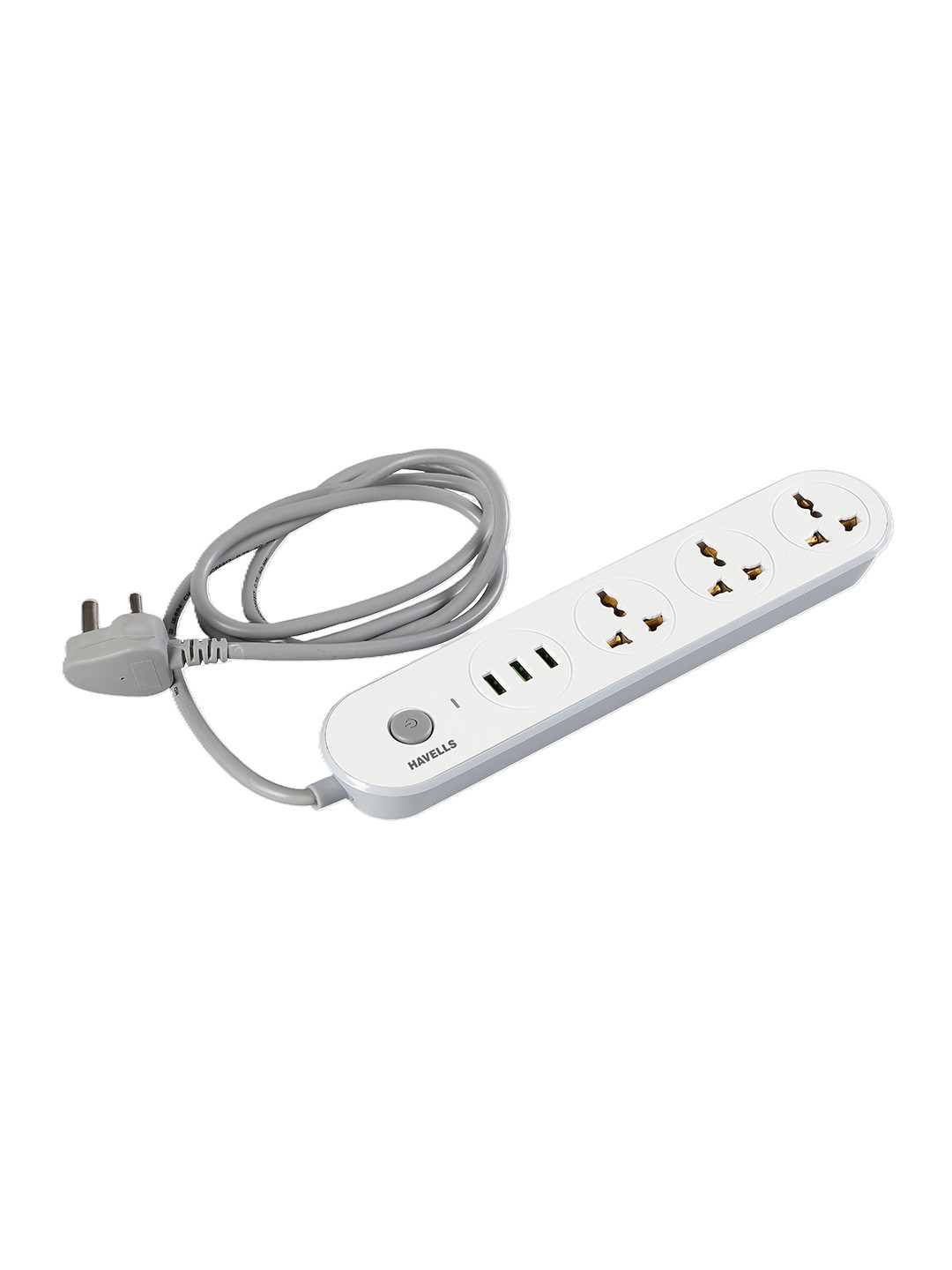
A power strip often looks like the simplest answer to a crowded wall socket. One plug goes into the wall, several sockets appear, and the daily battle between the television, router, phone charger and table lamp seems settled. Then comes the tempting thought: why not connect the microwave, air cooler or washing machine too? The words “surge protection” printed on the packaging can make a power strip sound tougher than it really is. Some models even come with glossy switches, bright indicator lights and claims about advanced safety. Yet surge protection addresses only one electrical problem. It does not automatically increase the strip's load capacity, improve weak household wiring or make every appliance suitable for shared use.
Surge Protector vs Heavy Appliances: What You Need to Know
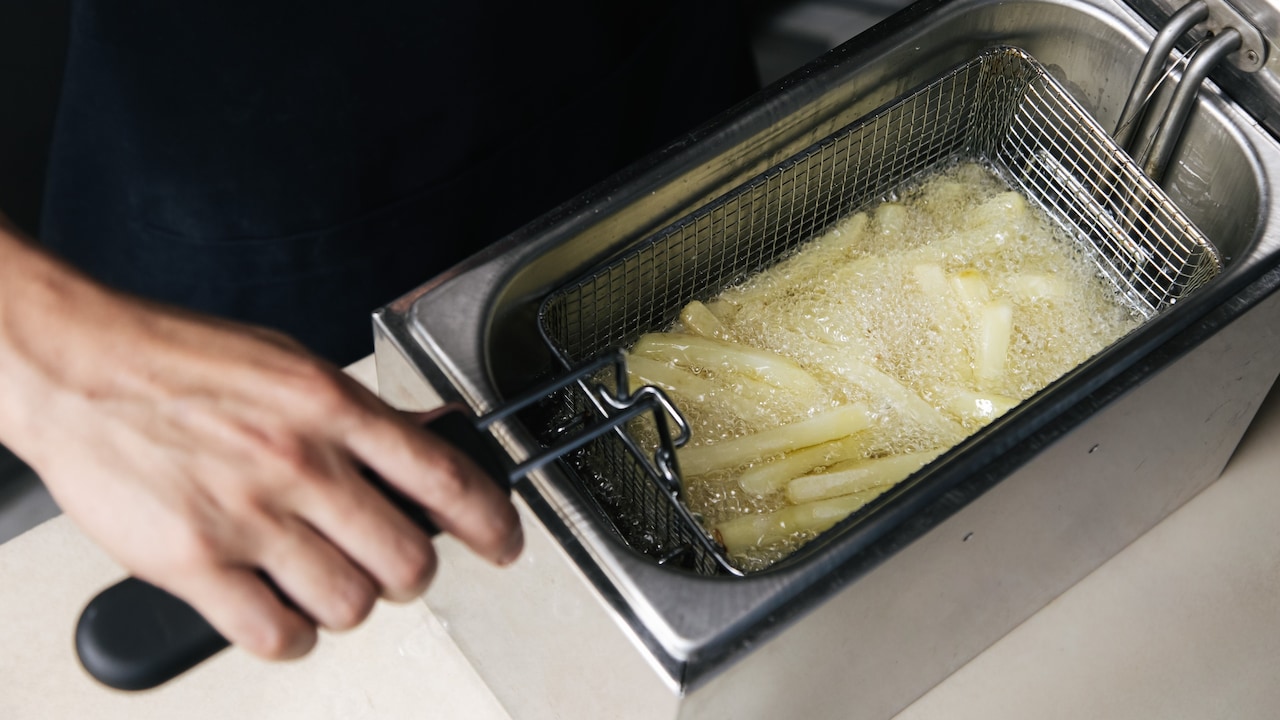
Photo Credit: Pexels
Heavy appliances demand steady, substantial power. Some also draw a sudden burst of current when their motors or heating elements start. A strip designed for modest electronics may struggle with that demand, even when it includes a surge protector. So, does surge protection make every power strip safe for heavy appliances? No. The real answer lies in understanding what the strip can carry, what the appliance demands and how the socket handles the combined load.
Why Surge Protection Alone Is Not Enough
1. Surge Protection And Overload Protection Are Different
Surge protection shields connected devices from brief voltage spikes. These spikes may occur during lightning activity, grid switching or sudden changes in the electrical supply. A surge protector redirects or absorbs some of that excess voltage before it reaches sensitive equipment such as televisions, gaming consoles and computers.
Overload protection deals with a different danger. An overload happens when connected appliances draw more current than the power strip, plug or wall socket can safely carry. Excess current creates heat. If that heat continues to build, it can damage insulation, melt plastic and ignite nearby material.
A strip may offer surge protection without offering strong overload protection. Even when it includes a resettable circuit breaker, the breaker cannot excuse careless loading. Low-quality strips may respond slowly, use weak internal components or carry misleading labels.
Think of surge protection as an umbrella during a sudden shower. It helps with rain from above, but it does not strengthen a shaky balcony underneath. The strip still needs the correct current rating, sturdy wiring and reliable construction. A surge-protected label should never replace a proper check of the appliance load.
2. Heavy Appliances Demand More Current
Heavy appliances earn that description because they consume considerable electrical power. Room heaters, geysers, induction cooktops, microwave ovens, washing machines, air conditioners and large refrigerators place far greater demands on a circuit than phone chargers or Wi-Fi routers.
A small charger may draw only a few watts. A room heater can draw 1,500 to 2,000 watts. An induction cooktop may consume even more, depending on its setting. When several devices share one power strip, their combined demand can quickly approach or exceed the strip's limit.
The risk becomes more serious when an appliance contains a heating element. Heating appliances often run at high power for long periods. The strip's internal metal contacts and cable must carry that current continuously. Weak contacts create resistance, and resistance creates heat.
A power strip may continue working while its plug grows dangerously warm. That creates a false sense of security. No spark appears, no switch trips, and the appliance seems normal. Meanwhile, the plastic near the contacts may slowly soften.
The safe approach requires matching the appliance's power demand with the strip's rated capacity. Guesswork has no place where high current and household wiring meet.
3. The Wattage Rating Matters More Than The Socket Count
Six sockets do not mean six high-power appliances. Socket count shows convenience, not capacity. A strip with four, six or eight outlets usually shares one total electrical limit across every socket.
Suppose a power strip carries a maximum rating of 2,500 watts. Connecting a 1,800-watt heater leaves only 700 watts for everything else. Adding an electric kettle rated at 1,500 watts pushes the total far beyond the strip's capacity, even though several empty sockets remain.
Many users look at vacant outlets and assume the strip has room. Electrically, it may have none.
Check the label for voltage, current and maximum wattage. At roughly 230 volts, a 10-amp strip may support around 2,300 watts under ideal conditions. A 16-amp product may carry more, but only when its cable, plug, socket and household circuit genuinely support that rating.
Marketing language can distract from these numbers. Words such as “heavy duty”, “premium” or “smart” do not provide a measurable safety guarantee. Ratings do.
A strip packed with sockets may resemble a generous buffet, but the electrical supply still comes from one plate. Piling on more appliances does not increase what the strip can safely serve.
4. Starting Current Can Create A Hidden Strain
Some appliances draw much more current at start-up than during normal operation. Refrigerators, washing machines, air coolers, pumps and air conditioners contain motors or compressors. When these components start, they may demand a short but significant burst of electricity.
This starting current can strain a power strip even when the appliance's regular wattage appears acceptable. The strip may survive repeated start-ups for weeks or months, then show signs of damage. Users may notice flickering lights, a clicking sound, a warm plug or a faint burnt smell.
Such warning signs deserve immediate attention.
A surge protector does not solve this problem because start-up current does not necessarily count as an external voltage surge. It comes from the appliance's normal operation. The strip must handle that current through its wiring and contacts.
Large motor-driven appliances work best with a dedicated wall socket that matches the manufacturer's requirements. A refrigerator tucked behind a cabinet may seem harmless, but its compressor starts many times each day. A flimsy extension strip in that cramped, poorly ventilated space can quietly overheat.
The absence of an immediate failure does not prove safety. Electrical stress often works slowly, like a loose tap that causes damage long before anyone notices the damp wall.
5. A 16-Amp Plug Needs A Proper 16-Amp Socket
Many heavy appliances come with larger 16-amp plugs for a reason. The thicker pins and sturdier socket design help carry higher current safely. Forcing such an appliance to work through a small 6-amp strip, travel adaptor or cheap converter defeats that safety design.
An adaptor may make the plug physically fit, but it cannot upgrade the wiring behind it. This distinction matters. Compatibility involves more than matching shapes.
A high-power appliance should connect to a properly installed 16-amp wall socket where the manufacturer recommends one. The circuit should also use suitable wiring and protection. Connecting a 16-amp appliance through a lightweight strip can overheat the adaptor, socket or cable before the main circuit breaker reacts.
The common “just for ten minutes” excuse offers little comfort. Heating can rise quickly, especially when contacts sit loose or dusty. A geyser, heater or induction cooktop does not become less demanding because dinner feels urgent or the morning shower cannot wait.
Never shave, bend or modify plug pins to make them fit. Never hold a loose plug in place with tape, cardboard or creative household engineering. Electrical sockets do not reward jugaad. They reward correct ratings, firm contact and professional installation.
Surge Protector vs Heavy Appliances: What You Need to Know
Photo Credit: Pexels
6. Cable Thickness And Length Affect Safety
The cable attached to a power strip plays a major role in carrying current. Thicker copper conductors usually handle higher loads more safely than thin ones. Yet appearance can mislead. A chunky outer sheath may hide poor-quality or undersized wiring inside.
Long cables also create more resistance. When high current travels through a thin, lengthy cable, heat builds more easily, and voltage may drop. The appliance may perform poorly while the strip warms up.
Coiled extension cables add another concern. A tightly wound cable cannot release heat effectively. Running a heater, iron or induction cooktop through a coiled extension reel can cause dangerous heat accumulation. The cable should remain fully unwound during use, provided the product suits the appliance in the first place.
Avoid placing power-strip cables under rugs, mattresses or heavy furniture. Covered cables trap heat, and furniture can crush the insulation. A cable that looks tidy under a carpet may hide damage until a burning smell announces the problem.
Premium copper costs more, so suspiciously cheap strips deserve extra caution. Saving ₹300 on a power strip makes little sense when it protects appliances worth ₹30,000 or more. Good electrical accessories rarely feel exciting, but neither does calling an electrician after a melted socket ruins the evening.
7. Daisy-Chaining Multiplies The Risk
Daisy-chaining means plugging one power strip into another. It creates extra sockets, but it also creates extra connections, more resistance and greater opportunity for overloading.
The first strip must carry the total current drawn by every appliance connected further down the chain. Users may see two separate strips and mentally divide the load between them. The wall socket, however, sees one combined demand.
Loose plugs can make the situation worse. Each plug-and-socket connection creates a potential hot spot, particularly when the contacts lack firmness or quality. Add a heater at one end, a microwave at the other and several chargers in between, and the setup starts resembling an electrical traffic jam.
Surge protection on both strips does not make the arrangement twice as safe. In some cases, it merely adds more components without fixing the underlying overload risk.
One strip should connect directly to one appropriate wall socket. When a room consistently needs more outlets, a qualified electrician should install additional sockets or assess the circuit. Permanent needs deserve permanent solutions.
Festival lights, work-from-home equipment and visiting relatives can make sockets disappear faster than snacks at a family gathering. Even then, stacking power strips should not become the household solution.
Also Read: Top 5 Appliances Under ₹10,000 That Are Worth Buying During July
8. Quality Marks Cannot Replace Careful Use
Certification and compliance markings can help buyers identify products designed around recognised safety requirements. However, counterfeit labels and exaggerated packaging claims remain common in the market. A printed symbol alone cannot guarantee strong internal wiring or reliable protection.
Buy power strips from reputable manufacturers and trusted sellers. Check the packaging, warranty details, current rating, plug quality and cable information. The sockets should hold plugs firmly without excessive force. Switches should feel solid rather than loose or crackly.
Price also offers a clue, though an expensive product does not automatically guarantee excellence. A suspiciously cheap strip with multiple sockets, USB ports, individual switches and “advanced surge safety” may cut costs where buyers cannot see them.
Even a high-quality strip needs sensible use. Dust, moisture, physical damage and age can reduce safety. Kitchen counters, balconies and bathroom areas need particular caution because water and electricity make a dangerous pair.
Inspect the strip occasionally. Replace it when the cable cracks, the plug blackens, the sockets loosen or the body shows heat damage. A power strip is not a family heirloom. It does not need to serve three generations simply because the indicator light still glows.
9. Heat, Smell And Discolouration Signal Trouble
Electrical problems often give warnings before a serious failure. A warm power strip may not always indicate danger, but noticeable heat around the plug, switch or sockets demands attention. Excessive warmth suggests high resistance, overloading or poor contact.
A burnt-plastic smell offers an even clearer warning. Switch off the appliance, unplug the strip and stop using it. Do not wait for visible smoke. The nose can detect overheating before the eyes see damage.
Brown marks, melted edges, buzzing sounds and small sparks also indicate trouble. A brief spark may sometimes appear when plugging in certain devices, but repeated or large sparks require investigation. Loose wall sockets can cause similar symptoms, so replacing the strip alone may not solve the issue.
Never touch a hot plug with wet hands. Switch off the wall supply first and allow the equipment to cool. Contact a qualified electrician when the socket looks damaged or the problem returns.
Households sometimes keep a troublesome strip in service by moving it to a “lighter” job. That may still create risk if damaged contacts or insulation remain inside. Once heat has distorted the body or blackened the socket, retirement should come quickly.
A ₹500 replacement costs far less than damaged appliances, medical treatment or repairs after an electrical fire.
10. Dedicated Sockets Offer The Safest Solution
Heavy appliances generally perform best when connected directly to suitable wall sockets. A dedicated outlet reduces unnecessary connections and keeps the appliance within a circuit designed for its load.
Air conditioners, geysers, ovens, large microwaves and powerful induction cooktops often need specialised sockets or dedicated circuits. Their installation should follow the appliance manufacturer's instructions. An electrician can assess the cable size, earthing, circuit breaker and residual-current protection.
Direct connection also makes troubleshooting easier. When a heavy appliance shares a strip with several smaller devices, a fault can affect everything at once. The router switches off, the television resets and the family suddenly starts blaming the electricity board while the overloaded strip sits quietly behind the sofa.
Power strips still have a useful role. They work well for low-power electronics such as chargers, routers, lamps, monitors and entertainment equipment, provided the total load stays within the rating. Surge protection adds valuable defence for sensitive devices.
The key lies in using the right tool for the right job. A power strip offers convenience, not extra electrical capacity. Heavy appliances need strong sockets, appropriate circuits and proper earthing, not optimism wrapped in shiny plastic.
Surge Protector vs Heavy Appliances: What You Need to Know
Photo Credit: Pexels
Products Related To This Article
1. Honeywell Surge Protector, 8 Universal Sockets
2. Cablet 250 Volts Extension Board 2500W 10A, 4 Universal Sockets
3. OTEK Extension Board with 5 Universal Sockets 6 USB Ports 4 Type C and 2 Type A Ports 2 Meter Cord 2500W
4. Portronics Power Plate 6 with 4 USB Port + 5 Power Sockets Extension Board
5. Ant Esports PS400 Power Strips with 4 Universal Socket
6. Stuffcool ChargeCube 30 Mini Surge Protector with 3 AC Ports
7. EMBOX Cube Extension Board with USB Type C
Surge protection does not make every power strip safe for heavy appliances. It protects against brief voltage spikes, while heavy appliances create challenges involving high current, prolonged load and sudden start-up demand.
Before connecting any powerful appliance, check its wattage, plug type and manufacturer's instructions. Compare those details with the strip's maximum rating. Remember that every device on the strip shares the same limit.
Avoid adaptors that reduce large plugs to smaller sockets, never join strips together and treat heat, buzzing or burnt smells as urgent warnings. Use dedicated wall sockets for heaters, geysers, air conditioners, induction cooktops and other demanding equipment.
A glowing surge-protection light can provide reassurance, but it cannot bend the laws of electricity. Safe use depends on sound wiring, correct ratings and sensible habits.
The humble power strip deserves respect. Used properly, it keeps everyday electronics organised and protected. Asked to power half the kitchen, cool the bedroom and charge six phones at once, it may turn from a convenience into a hazard. In electrical safety, fewer shortcuts usually lead to fewer shocks.
(Disclaimer: This article may include references to or features of products and services made available through affiliate marketing campaigns. NDTV Convergence Limited (“NDTV”) strives to maintain editorial independence while participating in such campaigns. NDTV does not assume responsibility for the performance or claims of any featured products or services.)