10 Reasons Cookies Brown Unevenly On The Same OTG Tray And How To Fix It
Unevenly browned cookies in an OTG usually point to hot spots, poor tray placement, uneven dough or airflow issues. Here are 10 common causes and simple fixes for evenly baked cookies every time.
Why Cookies Brown Unevenly In An OTG: 10 Causes And Easy Fixes
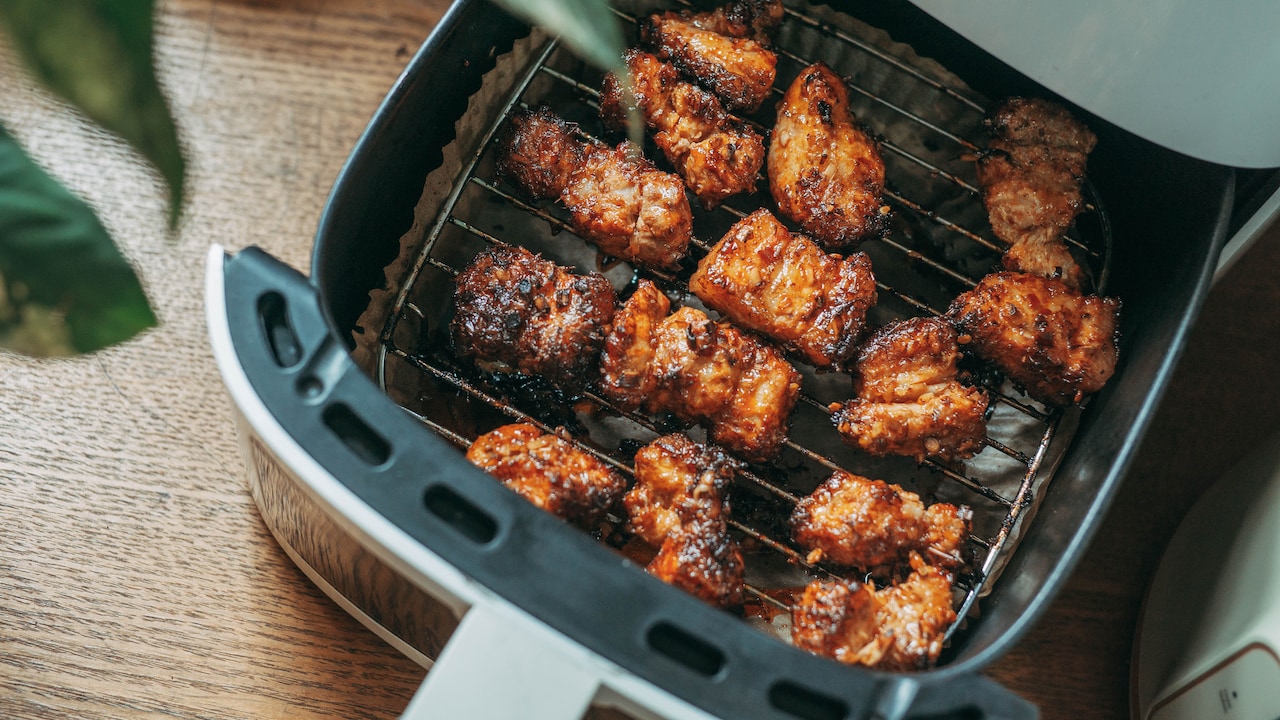
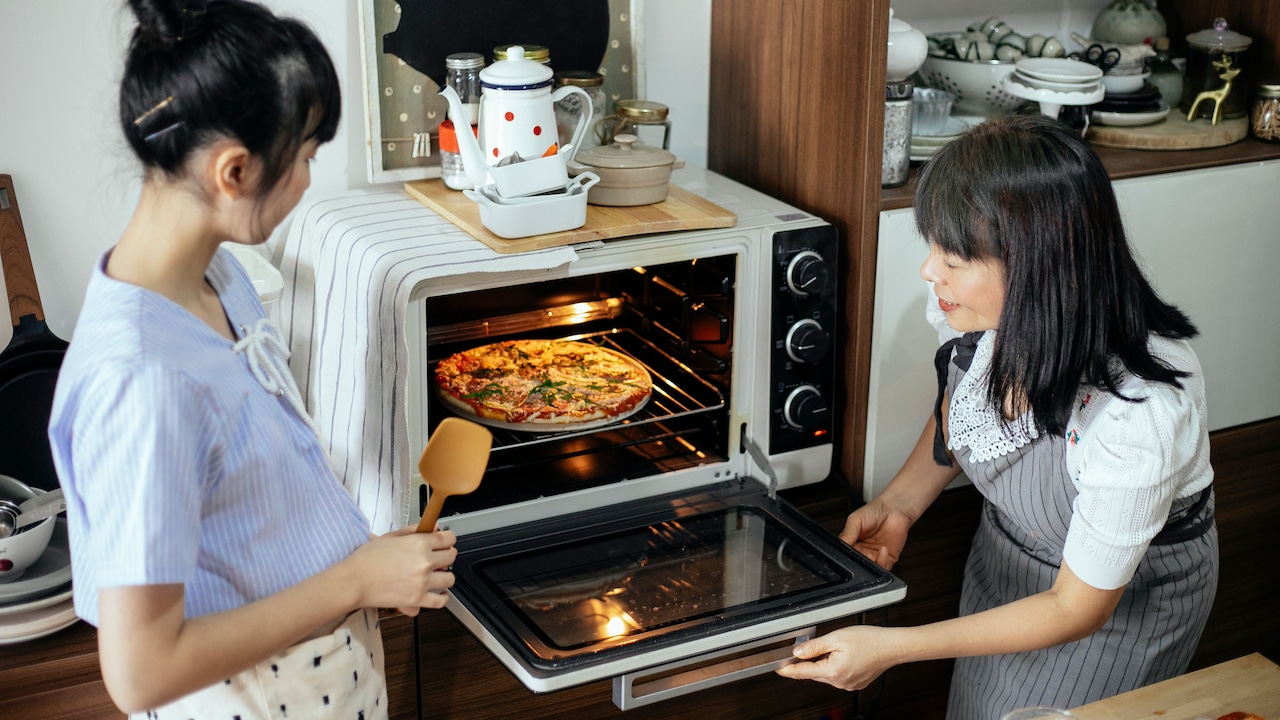
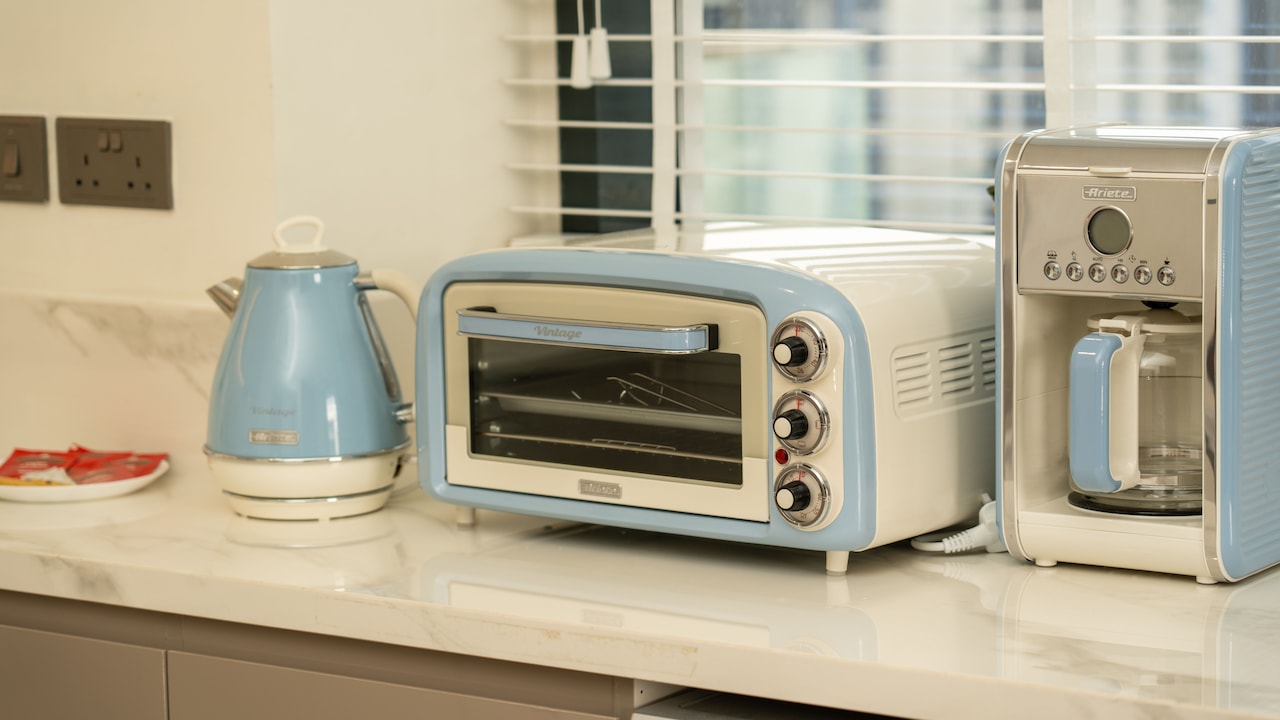
Few baking moments are more confusing than opening an OTG and finding what looks like three different batches of cookies sitting on one serving tray. The cookies near the heating rods are beautifully browned, those in the middle look almost ready, and the ones tucked into a cooler corner appear suspiciously pale. This is especially common with countertop OTGs. Unlike large commercial ovens, their compact interiors place food quite close to the heating elements. Hot spots become more noticeable, airflow varies from one area to another, and even the colour or thickness of a baking tray can influence how quickly a cookie browns. The good news is that uneven browning rarely calls for expensive equipment or complicated baking tricks. Small changes often make the biggest difference. Rotating the tray, spacing dough correctly or simply giving the OTG enough time to preheat can transform a frustrating batch. Before blaming the butter, flour or that family recipe scribbled in an old notebook, look at what is happening inside the oven. These ten causes explain why cookies on the same tray can behave so differently.
Why Cookies Brown Unevenly In An OTG: 10 Causes And Easy Fixes; Photo Credit: Pexels
Why Cookies Brown Unevenly In An OTG
1. Your OTG Has Hot Spots
Every OTG has its own personality, and sometimes that personality includes a fiery corner. Heating rods do not always warm the oven cavity perfectly evenly. One side may receive stronger radiant heat, while another stays several degrees cooler. That difference becomes obvious with cookies because they are small, thin, and quick to brown.
If cookies near the back repeatedly turn darker than those at the front, a hot spot is probably responsible. The same can happen near the left or right edge depending on the OTG's design.
The easiest fix is tray rotation. Turn the baking tray 180 degrees once the cookies have set, usually around halfway through baking. Avoid rotating too early because very soft dough can spread unevenly when moved.
It also helps to learn the oven's behaviour over several batches. Place similar-sized cookies across the tray and note which ones brown first. Think of it as getting acquainted with a slightly temperamental kitchen companion. Once the hot zones become predictable, tray rotation and positioning become much easier.
Also Read: 10 OTG Oven Benefits: Budget-Friendly, Compact and Perfect For Baking, Grilling And More
2. The Tray Is Too Close To A Heating Rod
In a compact OTG, a difference of just a few centimetres can have a surprisingly large effect. Cookies placed too close to the upper heating rod may brown quickly on top, while those sitting close to the lower rod can develop dark bottoms before their centres finish baking.
The middle rack position usually gives cookies the most balanced heat. However, not every OTG has the same rack spacing, so the ideal position may sit slightly above or below the exact centre.
Watch the pattern rather than following a rack rule blindly. If the cookie tops colour too fast, move the tray one level lower during the next batch. If the bottoms become overly dark while the tops remain pale, raise the tray.
Avoid placing a cookie tray directly beneath an active rod simply because that level feels convenient. Radiant heat is intense at short distances.
A little trial and error pays off here. Once the right rack level is found, mark it mentally as the cookie zone. Future batches will become far less dramatic.
3. The OTG Was Not Preheated Long Enough
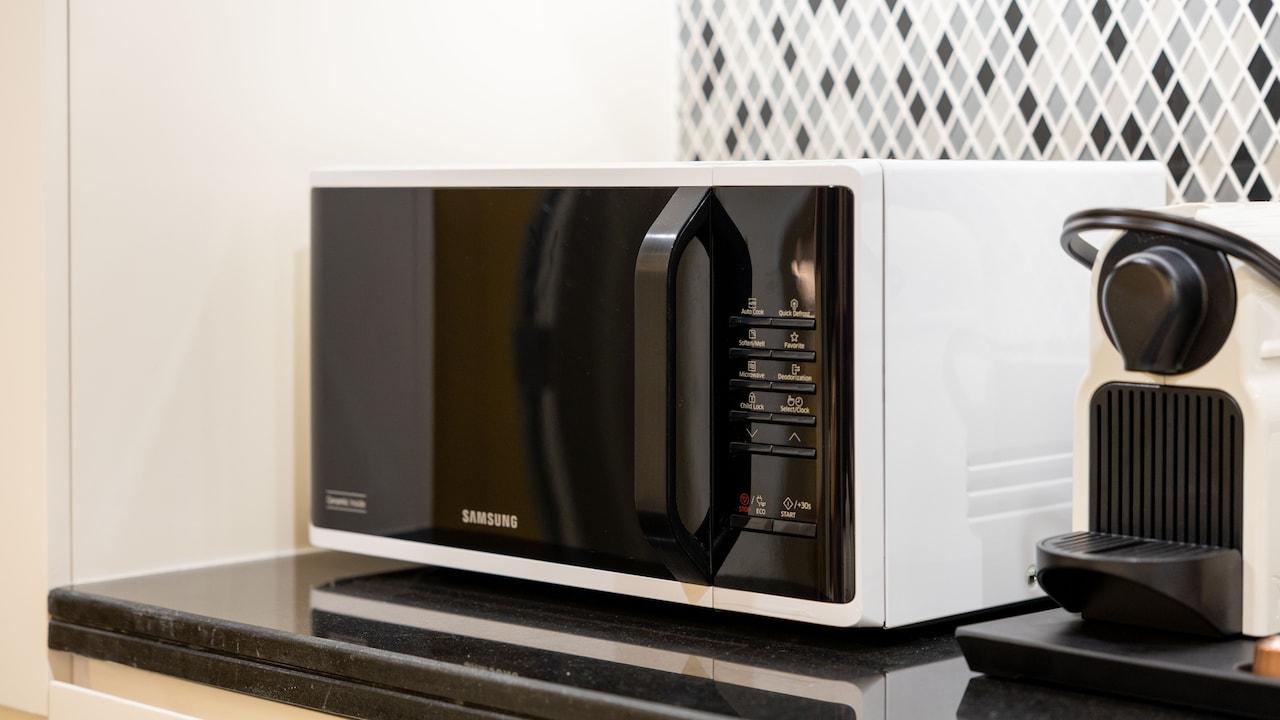
The temperature dial may say 180°C, but that does not always mean the entire oven cavity has reached 180°C. OTGs need time for their walls, racks and internal air to heat evenly.
Putting cookies into a half-preheated oven creates an awkward start. The heating rods may run intensely while trying to reach the selected temperature. Cookies closest to those rods receive a blast of direct heat, while cookies farther away warm more slowly.
Preheat the OTG for at least 10 to 15 minutes unless the manufacturer's instructions recommend otherwise. Larger models may need a little longer.
An inexpensive oven thermometer can also reveal whether the dial temperature matches the real temperature inside. A setting of 180°C might actually produce 165°C in one appliance and nearly 195°C in another.
Proper preheating gives every cookie a fairer starting point. It also improves spreading, edge formation and texture. That extra ten minutes may feel inconvenient when tea is already brewing, but it can save an entire tray from patchy browning.
Why Cookies Brown Unevenly In An OTG: 10 Causes And Easy Fixes; Photo Credit: Pexels
4. The Cookies Are Spaced Unevenly
Cookie spacing is not just about preventing dough from merging into one giant biscuit. It also affects how heat moves around each portion.
When cookies sit too close together, the air between them becomes cooler and more humid. Their inner edges may remain pale while the exposed outer edges brown faster. Meanwhile, a cookie sitting alone in a spacious corner receives far more circulating heat.
Try to leave roughly equal gaps between every portion of dough. For most medium-sized cookies, about 4 to 5 cm works well, although very spreadable dough may need more room.
Avoid squeezing an extra cookie onto the tray simply because a small empty patch looks wasteful. That innocent-looking addition can alter airflow around its neighbours and leave the whole arrangement baking less evenly.
If the recipe makes more dough than one tray can comfortably hold, bake another batch. Yes, it means waiting a little longer. Still, evenly browned cookies are usually worth more than the satisfaction of fitting sixteen portions onto a tray designed for twelve.
5. The Dough Portions Are Different Sizes
A slightly larger cookie may not look dramatically different before baking, but those few extra grams matter. Bigger portions contain more moisture and take longer to heat through. Smaller ones brown quickly and may become crisp while their larger neighbours are still soft and pale.
Eyeballing dough portions works beautifully until the tray contains everything from petite tea biscuits to accidental bakery giants.
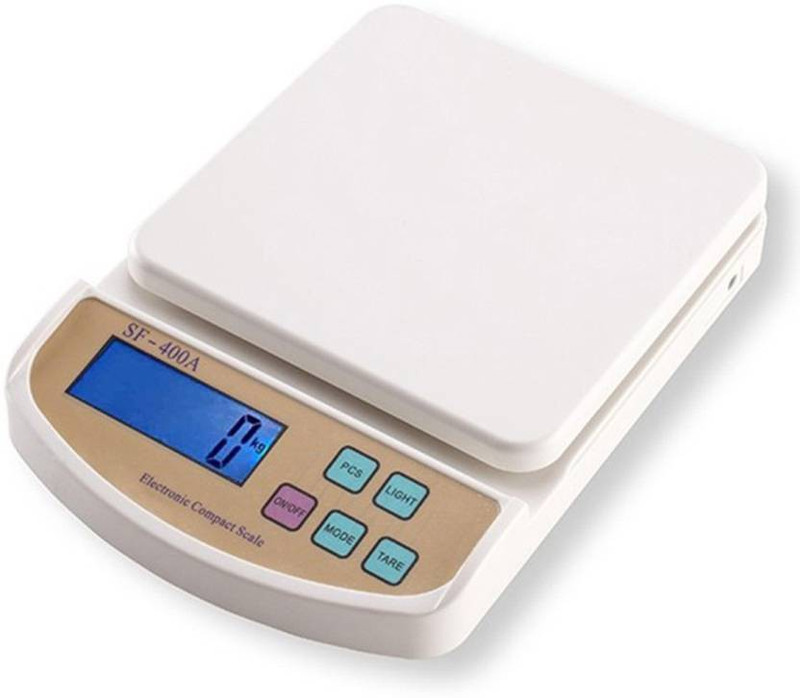
For consistent results, weigh portions with a kitchen scale. Even a basic digital scale costing a few hundred rupees can make cookie baking much more predictable. If weighing every portion feels tedious, use a measuring spoon or cookie scoop and fill it the same way each time.
Shape matters too. A thick mound and a flattened disc of identical weight will brown differently because their surfaces receive heat differently.
Uniform dough portions give the entire tray a similar baking timeline. They also make the finished cookies look more polished. Suddenly, the batch resembles something from a café display rather than a family of distant relatives sharing only a surname.
6. The Baking Tray Conducts Heat Unevenly
Not all baking trays behave the same way. Thin metal trays heat rapidly and can create dark bottoms, especially near strong lower heating rods. Heavy trays warm more slowly and tend to distribute heat more evenly.
Dark-coloured trays also absorb more heat than shiny, light-coloured ones. That can cause cookies near hotter areas of the OTG to brown particularly quickly.
If the underside of some cookies keeps becoming darker than expected, try a heavier aluminium baking tray. Another useful trick is to place the cookie tray over a second empty tray. The extra layer creates a small thermal buffer and reduces harsh bottom heat.
Avoid badly warped trays as well. A tray that bows during baking changes the distance between different cookies and the heating element. Melted butter may also travel slightly towards lower areas, producing uneven spreading and browning.
Good bakeware does not need to be luxurious. A sturdy, flat tray that fits the OTG comfortably often performs better than a fancy one that barely squeezes between the oven walls.
7. Parchment Or Greasing Is Affecting The Bottoms
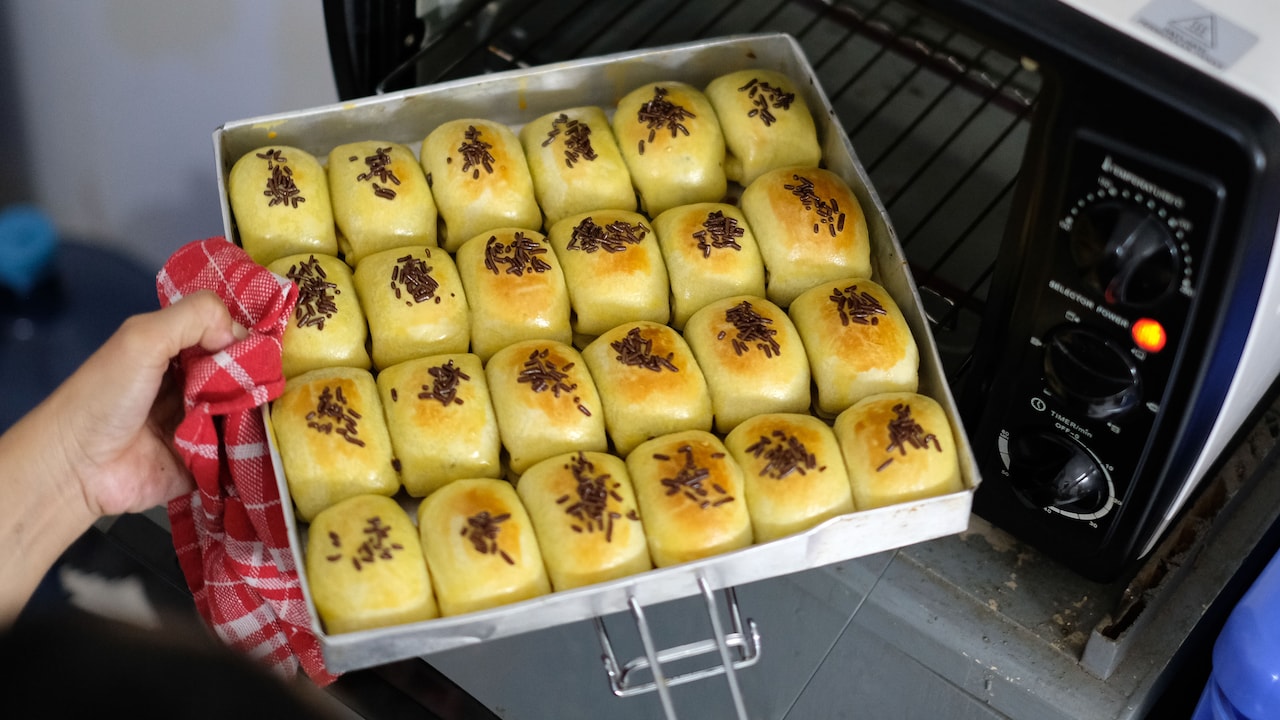
The surface beneath cookie dough influences how quickly the bottoms brown. A heavily greased tray encourages faster frying-like contact around the base, particularly with butter-rich dough. This can produce darker patches or crisp edges before the tops colour properly.
Parchment paper generally creates more consistent results because it provides a thin barrier between the dough and hot metal. However, wrinkled parchment can cause its own little problems. Cookies sitting over folds may not make even contact with the tray.
Silicone baking mats can reduce browning further, which may help if an OTG runs hot from below. They can also encourage slightly more spreading with certain recipes, so expect the texture to change a little.
Whatever surface is used, keep it consistent across the whole tray. Avoid greasing one section more heavily than another or reusing a sheet covered with dark caramelised butter spots.
For most everyday cookie recipes, clean parchment on a flat tray offers a dependable starting point and keeps the post-baking washing-up pleasantly uneventful.
Why Cookies Brown Unevenly In An OTG: 10 Causes And Easy Fixes; Photo Credit: Pexels
8. The Dough Temperature Is Inconsistent
Imagine shaping half the cookie dough straight from the refrigerator, then leaving the remaining portions on the counter while the first few are arranged. By the time the tray enters the OTG, some pieces may be firm and chilled while others are soft and noticeably warmer.
Cold dough spreads slowly. Warm dough spreads quickly. That difference changes thickness, surface area and browning speed.
Keep all portions at roughly the same temperature before baking. If the recipe calls for chilled dough, portion it promptly and return the prepared tray to the refrigerator for ten or fifteen minutes if shaping takes a while.
This tip becomes especially useful in warm kitchens, where butter-rich cookie dough can soften remarkably fast. What started as neat scoops may turn glossy and slack before the OTG finishes preheating.
Consistent dough temperature gives every cookie a similar start. It also helps control spreading, which means fewer thin, dark cookies beside thick, pale ones. When butter starts behaving like it has plans of its own, a brief chill usually restores order.
9. The Tray Is Too Large For The OTG
A tray that fits inside an OTG is not necessarily a tray that fits well. If its edges sit extremely close to the oven walls, there may be too little room for hot air to circulate around it.
This creates uneven temperature zones. Heat can become trapped around the sides while the centre receives less circulation. Cookies near the tray edges then brown faster than those towards the middle.
Ideally, there should be visible space around the baking tray so air can move along the sides. Never allow the tray to touch the walls or heating elements.
This matters even more in convection OTGs, where the fan needs a clear path to move hot air through the cavity.
If the supplied tray fills nearly the entire oven, consider using a slightly smaller baking sheet that still holds a reasonable batch. Baking fewer cookies at once may seem inefficient, but consistent heat circulation often shortens the struggle considerably.
Think of cookies like commuters in a packed local train: everyone fares better when there is at least a little room to move.
10. The Tray Is Not Rotated At The Right Time
Tray rotation is one of the simplest fixes for uneven browning, but timing matters. Rotate too soon and soft cookies can slide, spread or lose their shape. Rotate too late and one side may already be significantly darker.
For a cookie that needs 12 minutes to bake, checking and rotating around the six- or seven-minute mark usually works well. By then, the edges should have begun to set while the centres remain soft.
Open the OTG door quickly, rotate the tray 180 degrees, then close it without lingering. Keeping the door open for too long causes the temperature to drop, forcing the heating rods to work harder afterwards.
If the oven has particularly strong side-to-side hot spots, rotation may make a dramatic difference from the very first batch.
Still, avoid opening the door every couple of minutes to inspect progress. Cookies rarely benefit from constant supervision. Give them enough time to bake, rotate once when needed, and rely on the final few minutes for careful watching.
Products Related To This Article
1. Glen 60L OTG Oven Toaster Grill | 2500W Power
2. AGARO Marvel 9L OTG Oven 800W
3. Ember MarvelOven™ 8-in-1 Smart Oven | Air Fry
4. Cadlec MultiChef Multi-Function OTG for Kitchen
5. Faber FOTG 20L Neo|1400 Watts OTG
6. iBELL Ibleo25Lgnew 25 Liters Electric Oven Toaster Grill Otg With Rotisserie
7. Morphy Richards Digital OTG|Capacity - 29 Litre with 13 Preset Menu
Unevenly browned cookies can make a reliable recipe look unreliable, but the recipe is often innocent. The real culprit usually sits inside the OTG on Amazon: concentrated heat, poor airflow, incorrect rack position or a tray that does not distribute heat evenly.
Start with the simplest fixes. Preheat properly, use the middle rack, keep portions equal and leave enough space between cookies. Then observe where browning happens first and rotate the tray halfway through baking. If dark bottoms remain a problem, experiment with parchment, a heavier tray or double-tray insulation.
Most importantly, learn how the particular OTG behaves. Two ovens set to the same temperature can produce noticeably different results. Once its hot spots and preferred rack position become familiar, cookie baking feels far less like guesswork.
The aim is not laboratory-level perfection. A little variation gives homemade cookies their charm. But when one biscuit looks sun-kissed, and its neighbour looks freshly rescued from a bonfire, a few small adjustments can bring the whole tray back into delicious balance.
(Disclaimer: This article may include references to or features of products and services made available through affiliate marketing campaigns. NDTV Convergence Limited (“NDTV”) strives to maintain editorial independence while participating in such campaigns. NDTV does not assume responsibility for the performance or claims of any featured products or services.)