Vacuum Cleaner Vs Robot Vacuum: Which Is Better For Homes With Pets?
Compare vacuum cleaners and robot vacuums for pet-friendly homes. Discover cleaning performance, convenience, maintenance, and which suits your needs best.
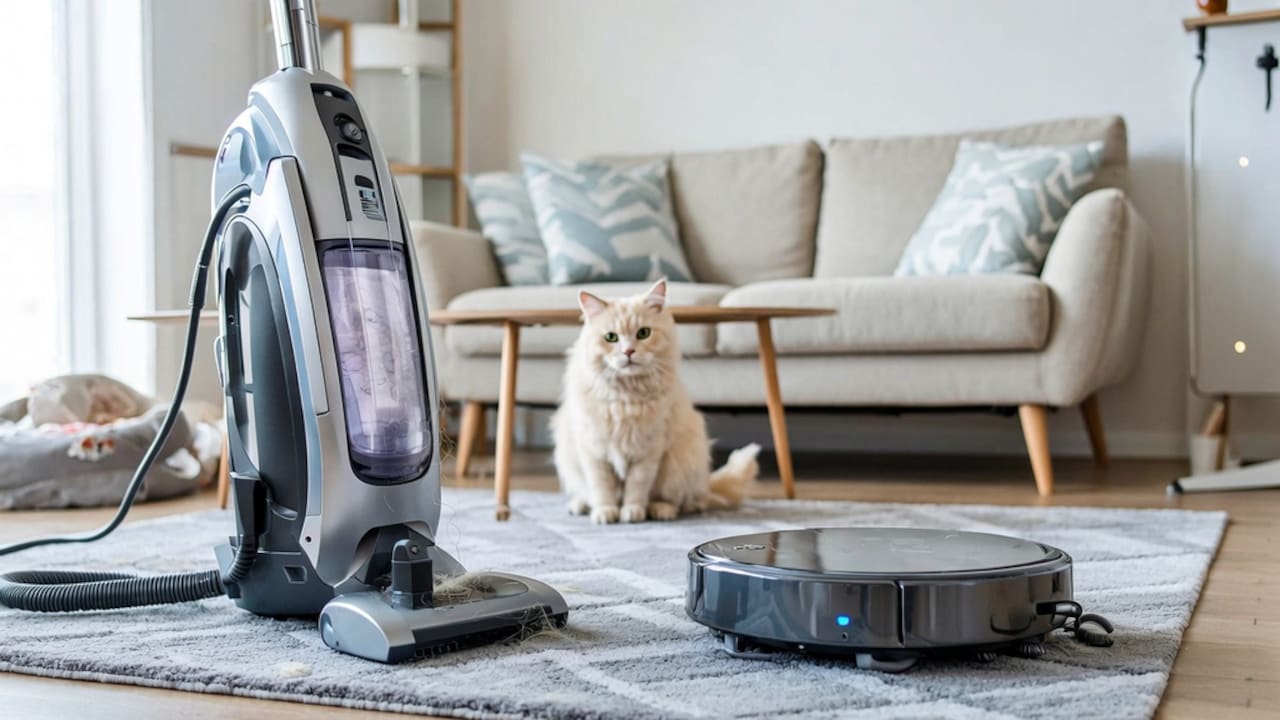
Vacuum Cleaner Vs Robot Vacuum: Which Is Better For Homes With Pets?
A pet is a constant companion, but it also means a daily battle with pet hair, muddy paw prints, litter on the floor, and other unexpected messes. If you own a playful dog that sheds year-round or a cat that leaves fur all over every sofa and rug in your home, keeping your house clean can be a time-consuming task. The right cleaning appliance can make a difference you can see, but many homeowners are wondering if they should buy a traditional vacuum cleaner or a robot vacuum cleaner. Both are designed to keep floors spotless, but they work very differently and suit different lifestyles.
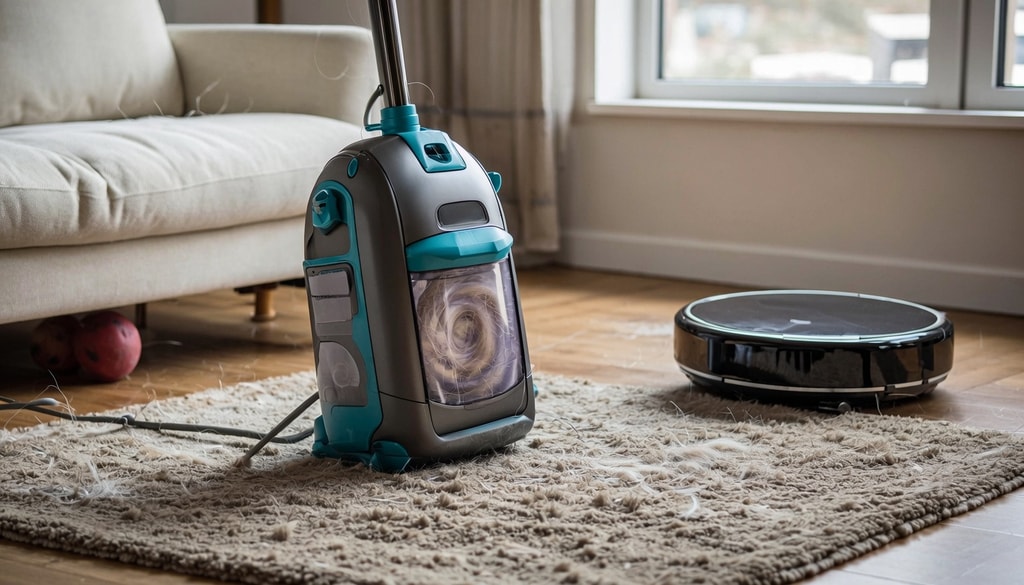
Discover whether traditional vacuums or automated robots offer better cleaning performance for pet-friendly homes.
Photo Credit: iStock
Your choice will depend on the layout of your home, the type of flooring you have, how much your pets shed, and how involved you want to get in your cleaning routine. Some homes get the power of a traditional vacuum; others get the ease of automated daily cleaning. Learning about the pros and cons of each can help you choose a way to keep your home cleaner and spend less effort doing it.
Why Choosing The Right Vacuum Matters For Pet Owners
Pets bring a lot of joy, but they also bring a fair amount of mess. Shedding fur, dander, litter tracking, and the occasional muddy paw print all add up quickly, especially if you have carpets or rugs. A vacuum that isn't built for this kind of mess can leave your home looking clean on the surface while dust and allergens linger underneath.
This is exactly why the vacuum cleaner versus robot vacuum debate matters so much for pet households. It isn't just about tidiness; it's about hygiene, allergy control, and saving yourself hours of repetitive chores every single week. Homes with multiple pets, thick carpets, or family members with allergies tend to feel this difference the most, which makes the right choice even more important.
How Traditional Vacuum Cleaners Handle Pet Mess
1. Superior Suction Power
Upright and canister vacuum cleaners, for example, generally offer much more powerful suction than their robotic counterparts. This is why they are so good at removing embedded fur from carpets, deep cleaning upholstery, and tackling stubborn dirt that has been trodden in.
2. Better For Deep, Occasional Cleans
Because you're the one steering the vacuum, you can take your time over trouble spots, such as under the sofa or along skirting boards or around a pet's bed. That's hands-on control so nothing gets missed, and it's especially handy after a big shedding season or if you're getting guests ready.
3. Handling Multiple Surfaces
Standard vacuums come with attachments for different surfaces like hard floors, deep pile carpets, and the inside of your car. They are a great choice for homes with mixed flooring and larger, year-round shedding pets due to their versatility.
How Robot Vacuums Cope With Everyday Pet Hair
1. Consistent, Automated Cleaning
Robot vacuums are excellent for daily maintenance. A robot vacuum can run on a daily schedule, preventing hair and dander from building up in the first place instead of waiting for fur to build up. For busy pet owners, that consistency day-to-day is often more valuable than raw power.
2. Navigating Around Pets And Furniture
Modern robot vacuums use sensors to map rooms, avoid furniture and, in most cases, gently steer around sleeping pets. Some models even detect pet mess and try to avoid it, although this feature isn't entirely foolproof, so a bit of caution is still wise.
Which One Wins For Common Pet Problems
1. Fur And Shedding Control
For heavy shedders like huskies, retrievers or long-haired cats, a traditional vacuum cleaner with strong suction and a good brush roll usually wins for thorough, deep cleaning. However, a robot vacuum running daily can prevent fur from ever piling up, making the two work brilliantly as a team.
2. Odour And Accident Clean-Up
When it comes to accidents, spills, or strong odours, a traditional vacuum cleaner is the safer choice, since most robot vacuums aren't designed to handle wet mess and could spread it further. For everyday dry fur and dust, though, a robot vacuum keeps things fresher between deeper cleans.
Vacuum Cleaner Vs. Robot Vacuum: Cost, Maintenance And Long-Term Value
1. Upkeep And Replacement Parts
Robot vacuums need regular cleaning of the brush and sensors, and the batteries eventually need replacing, while traditional vacuums usually need new bags, filters, or belts. And it's not maintenance-free, so this is also part of your decision and not just the upfront cost.
2. Weighing Up The Investment
In general, robot vacuums are more expensive to start, but they save a lot of time and work in return. A standard vacuum cleaner is usually cheaper and more powerful for the money, but it requires more of your own time and energy each week.
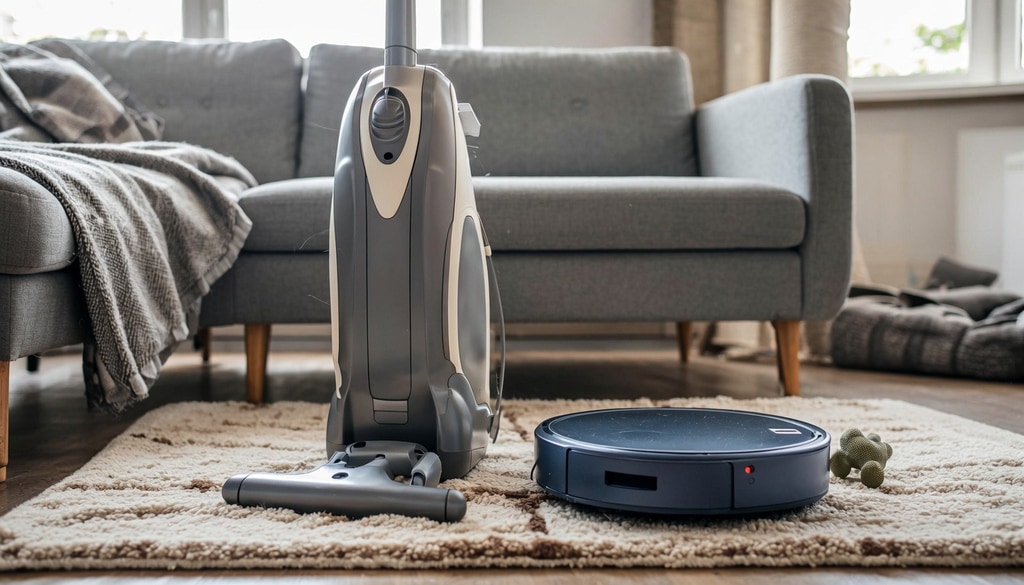
Evaluate cleaning convenience, maintenance, and pet hair removal to choose your ideal home vacuum.
Photo Credit: iStock
Some Vacuum Cleaner And Robot Vacuum Options You May Like
1. Karcher WD 3 SV Wet & Dry Vacuum Cleaner
2. NARWAL Freo X Plus 2-in-1 Robotic Vacuum
3. AGARO Regal 800 Watts Handheld Vacuum Cleaner
4. Philips PowerPro FC9352/01-Compact Bagless Vacuum Cleaner for Home
5. Robot Vacuum Cleaner Multifunctional Rechargeable Mini for Home Pet Hair
6. KARCHER RCV 3, 2-in-1 Robotic Vacuum Cleaner
7. DOMESTICA Dustro Pro Mattress Vacuum Cleaner for Home
8. Shark AI Robot Vacuum
In conclusion, both vacuum cleaners and robot vacuums can help keep pet hair under control, but the better choice depends on your lifestyle and cleaning needs. Traditional vacuum cleaners offer stronger suction and deeper cleaning, making them ideal for homes with multiple pets, carpets, and heavy shedding. On the other hand, robot vacuums provide unmatched convenience by automatically cleaning pet hair, dust, and dander on a daily basis with minimal effort. For pet owners who want spotless floors with less manual work, a robot vacuum can be a great addition, while those seeking the most thorough clean may still prefer a traditional vacuum. Ultimately, the best solution for many homes is using both together for a cleaner, fresher, and more pet-friendly living space.
Frequently Asked Questions (FAQs)
1. Is a robot vacuum enough for a home with pets?
A robot vacuum can handle daily maintenance well, but most pet owners still benefit from an occasional deep clean with a traditional vacuum, especially during heavy shedding seasons.
2. Which vacuum is better for pet hair on carpets?
Traditional vacuum cleaners with strong suction and a motorised brush roll are usually more effective at lifting embedded pet hair from carpets and rugs.
3. Can robot vacuums handle pet accidents?
No, most robot vacuums aren't built for wet mess and can spread it further. It's best to clean accidents manually and let the robot vacuum handle dry fur and dust instead.
4. Do I need both a vacuum cleaner and a robot vacuum?
Many pet owners find that combining both works best, using a robot vacuum for daily upkeep and a traditional vacuum cleaner for deeper, more thorough cleans.
5. What features should I look for in a pet-friendly vacuum?
Look for strong suction, tangle-free brush rolls, HEPA filters for allergens, and, for robot vacuums, smart navigation and pet-mess detection where possible.
(Disclaimer: This article may include references to or features of products and services made available through affiliate marketing campaigns. NDTV Convergence Limited (“NDTV”) strives to maintain editorial independence while participating in such campaigns. NDTV does not assume responsibility for the performance or claims of any featured products or services.)